February 2025
Click on image to download the issue in PDF format
Cover Story
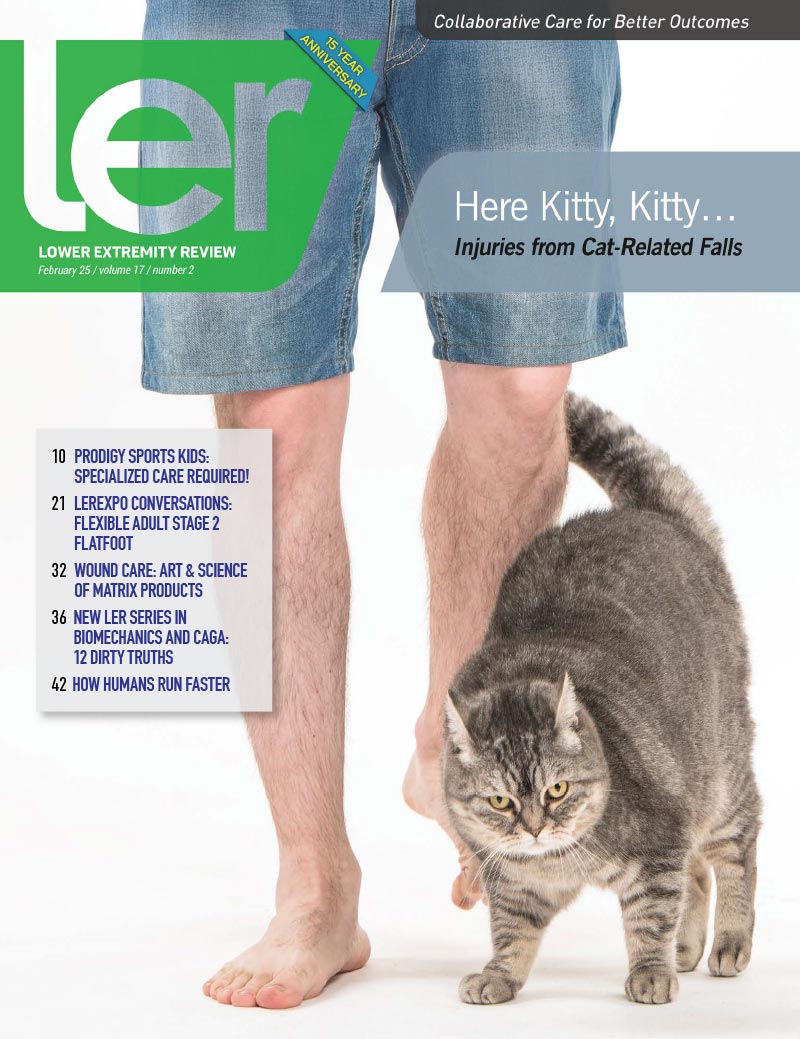
Background: An estimated 46.5 million United States (US) households owned a cat in 2023-2024. Interactions with cats may result in injury. The objective of this study is to describe cat-related falls and hits affecting the lower extremity. Methods: Cat-related falls (falls, trips, slips, jumped down) and hits (hit or other contact with an object) affecting the lower extremity during 2000-2023 were...
By Mathias B. Forrester, BS
Guest Perspective
Hey sports parents, coaches, and their special kids, what do I mean by the prodigy sports? Very briefly, prodigy sports tend to be those athletic endeavors that are played mostly solo, such as tennis, ballet, figure skating, dance, or gymnastics plus soccer; some folks throw baseball pitching in there because of its unique skillset. Age-wise, I’m talking about adolescents and youngers who are specializing in just one sport.
By Robert Weil, DPM
Features
Flatfoot, particularly flexible adult Stage 2 flatfoot, presents a complex challenge. This summary reviews proper patient evaluation for the condition and discusses the critical non-surgical and surgical considerations for managing stage 2 flatfoot, offering a deep dive into both soft tissue and osseous procedural options. By understanding the pathology’s nature, evaluating the demographic factors, and...
A summarized talk by Joseph Park, DPM, FACFAS
Wound care is an evolving science, but if there’s one lesson I’ve learned, it’s this: healing isn’t just about using the latest product—it’s about knowing when and how to use it. Early in my career as a family physician, I saw a number of chronic wounds stagnate despite standard treatments. Patients were frustrated. So were we. The limitations of traditional approaches were clear, but what wasn’t clear was...
By Cassandre Voltaire, DO
The medical field continues to experience rapid technological advancements, providing us with critical graphs and quantitative measurements that validate what we see, the qualitative findings. For healthcare professionals charged with understanding and addressing gait, recognizing the correlation of what happens during weightbearing and the challenges/costs to the musculoskeletal system is key.
By Jay Segel, DPM; Sally Crawford, MS
ShortTakes From the Literature
A new study from Italy examines individuals with a previous history of acute inversion ankle sprain who have subsequently developed chronic ankle instability (CAI) by using 4 validated field tests: Star Excursion Balance Test (SEBT); Balance Error Scoring System (BESS); Time in Balance Test (TIBT); and Side Hop Test (SHT).
Data is derived from a meta-analysis and systematic review of the literature that looked at 42 studies including 28 case-control, 10 cohort, and 4 randomized trials, comprising 31,844 clubfoot cases and 6,604,013 controls. The authors concluded that recognition of modifiable risk factors may help in counseling patients and minimizing clubfoot incidence.
Diabetic peripheral neuropathy (DPN) is a common complication in both Type 1 and 2 diabetes, affecting both large and small nerve fibers, most commonly in the feet and hands. While drug therapies and their multiple side effects have been the traditional response, electrical stimulation (e-stim) has been showing promise and is frequently advertised on the Internet. It is a noninvasive therapeutic modality that...
Objective: The high cost of novel glucagon-like peptide-1 receptor agonist (GLP-1 RA) class agents often limits access and creates barriers to care. This real-world study evaluated the efficacy of older-generation generic antiobesity medications (AOMs) for weight maintenance after 1 year of GLP-1 RA therapy in patients who had achieved successful weight loss.
The presence of spinal arches is crucial for maintaining good body posture, reducing pressure on joints, and preventing deformities caused by misalignment. Engaging in exercises that focus on correcting body alignment, such as walking backward, can enhance posture and various related factors. Researchers from across Iran selected a group of 46 female students suffering from forward head posture...
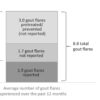
Researchers from University of Houston in Texas used an online survey to assess the burden of gout flares in a sample of US adults >18 years. Nearly 1,000 participants met the study criteria for having gout. Those with gout tended to be older (58.3 [SD 13.3] years vs 45.4 [SD 16.1] years; P < 0.001), male (76.3% vs 46.9%; P < 0.001), White (80.5% vs 76.8%; P = 0.01), and married or living with their partner...
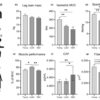
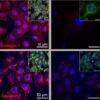
Exercise preserves neuromuscular function in aging through unknown mechanisms. Skeletal muscle fibroblasts (FIB) and stem cells (MuSC) are abundant in skeletal muscle and reside close to neuromuscular junctions, but their relative roles in motor neuron maintenance remain undescribed. Using direct cocultures of embryonic rat motor neurons with either human...
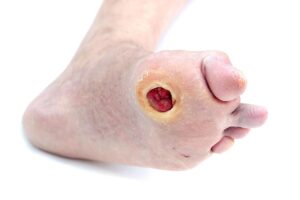
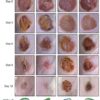
Diabetic chronic foot ulcers pose a significant therapeutic challenge around the world, resulting in adverse effects and complications in patients. D-mannose is enriched in citrus peel and exerts beneficial effects among various diseases, especially against inflammation-related disorders. These authors examined the potential effect of D-mannose during the wound healing process in...
A recent study in the Journal of Wound Care reported on the impact of dual-enrolee (Medicare/Medicaid) status on venous leg ulcer (VLU) outcomes in more than 555,000 Medicare beneficiaries. The study found that patients with dual-enrollee status have incomes ranging from slightly above, at, or below the poverty level; greater numbers of comorbidities; and are more...
A recent study from Brazil evaluated the use of custom-made insoles adapted to flip-flops on pain intensity, foot function, and functional walking ability in individuals with persistent plantar heel pain. This randomized controlled trial assessed 80 participants at baseline, 6 and 12 weeks, and then 4 weeks post-intervention. At all 3 check points, no between group difference was...
Significant hindfoot deformity and morbidity can result from talar neck non-unions but are not often reported in the literature. Surgical management is evolving, with recent publications on the results of open reduction and internal fixation (ORIF) with bone grafting (BG), ankle fusion and modified Blair fusion. These authors report the clinical and radiological outcomes of a cohort of talar neck non-unions managed by ankle joint preserving reconstruction.
Industry News & Updates
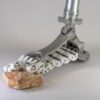
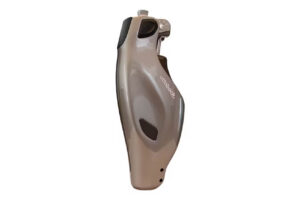
The new SoftFoot Pro is a motorless, flexible, waterproof prosthetic foot that is inspired by the anatomy of the human extremity. Designed by the Istituto Italiano di Tecnologia (IIT, Italian Institute of Technology), Genoa, its design is unique on an international level and aims to serve both as a flexible technological prosthesis for people with limb loss and as a solution for humanoid robots of the future.
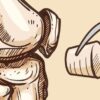
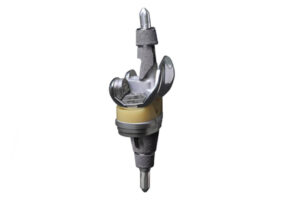
Osteochondral defects (OCDs) can cause damage to cartilage and underlying bone, leading to chronic pain and loss of joint function. Depending on the extent of damage, individuals must undergo surgical treatment, the most extensive being total knee replacement. Toward this end, Melissa Grunlan, PhD, a professor in the Department of Biomedical Engineering at Texas A&M University, received a...
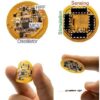
Researchers from the National University of Singapore (NUS) and the Agency for Science, Technology and Research (A*STAR) have developed a novel sensor, which is produced using a scalable and cost-effective manufacturing process called screen printing. It enables the continuous, real-time detection of solid-state epidermal biomarkers (SEB)—a new category of health indicators.
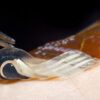
Researchers at Stanford University report that they have developed a wireless smart bandage that has shown promise in speeding up tissue repair by monitoring the wound healing process and treating the wound simultaneously. The researchers said that their device promotes faster closure of wounds, increases new blood flow to injured tissue, and enhances skin recovery by significantly reducing scar formation.
In November 2021, Northwestern University researchers introduced an injectable therapy, which harnessed fast-moving “dancing molecules,” to repair tissues and reverse paralysis after severe spinal cord injuries. Now, the same research group has applied the therapeutic strategy to damaged human cartilage cells. The treatment was shown to activate the gene expression necessary to regenerate...
The Last Word
Eleven male middle-distance runners were tested on an instrumented treadmill to characterize the contributions of functional muscle groups to running at six wide-ranging speeds (10-30 km/h). These results reinforce the importance of the plantar flexors for running at $18 km/h, as they made the largest contribution of any muscle group, not just during stance, but also to whole stride positive and negative work (45%-35%), despite their relatively modest size.
Featured Products