
Cover Story
When Long COVID Walks into the Office: Recognizing Foot and Ankle Manifestations
A Patient walks into the office with generalized foot pain. Taking a history, you learn the patient has fatigue, or myalgias in other muscles, or feels weak all the time. What are the usual diagnoses? Long COVID has changed how I approach foot and ankle pain in these patients. I no longer believe we can safely evaluate lower-extremity symptoms without at least considering its potential role.
Mikel D. Daniels, DPM, MBA, President and
Chief Medical Officer, WeTreatFeet Podiatry
Advertisement

lerEXPO Upcoming Events
Feature Articles

Beyond the Squeeze: Why Offloading Pressure Isn’t Enough to Save the Diabetic Foot
In the quiet halls of the Gillis W. Long Hansen’s Disease Center in Carville, Louisiana, the legendary Dr. Paul Brand once faced a clinical mystery. He was conducting a study with a hypothesis that seemed like a mathematical certainty: total bed rest should heal a foot ulcer faster than any other intervention. By removing the variable of weight-bearing pressure entirely, the skin should have had the perfect environment to repair itself.
By Dr. Dennis Janisse

The 2026 Wound Care Tornado: Five Surprising Realities for Mobile Practitioners
The current landscape of healthcare regulation is no longer a series of predictable updates. It has evolved into a “tornado” of shifting policies, reimbursement challenges, and administrative complexity. For mobile wound care practitioners, the outlook for 2026 remains promising, provided they pivot from a volume-based mindset to a meticulous, documentation-driven business model. As veterans of regulatory compliance and mobile clinical operations, we outline the essential realities for surviving and succeeding in the coming year.
By Windy Cole, DPM, CWSP, FACCWS, FFPM RCPS (Glasg) and Martha R. Kelso, RN, CWHS, DAPWCA, HBOT

The New AI Playbook for Specialty Practices: Why Podiatry Clinics Are Embracing End-to-End Automation
For many podiatrists, the workday doesn’t end when the last patient leaves. It continues through documentation, claim reviews, prior authorizations, patient messages, billing questions, and a growing list of administrative tasks that have become as much a part of practice as diagnosing plantar fasciitis or treating diabetic foot ulcers.
By Hersh Solanki, Chief Business Officer, Athelas

AOFAS Annual Meeting and IFFAS 9th Biennial Meeting 2026 Highlight International Advancements and Innovation in Orthopaedics
More than 1,260 foot and ankle orthopaedic surgeons, advanced health practitioners, orthopaedic residents, and medical students across the globe attended the American Orthopaedic Foot & Ankle Society® (AOFAS) Annual Meeting and the International Federation of Foot & Ankle Societies (IFFAS) 9th Biennial Meeting on September 16–19, 2026. The meeting was held in-person in Seattle, Washington, as well as virtually.

Why Consistency Is the Foundation of a Great Custom Orthotic
For years, I believed that the art of making a great custom orthotic began with experience. The more feet I evaluated, the more I realized that even the best prescription could only be as good as the information I sent to the laboratory. Like many clinicians, I worked through the evolution of plaster casts, foam boxes, and eventually digital scanning. Digital technology made the process faster, but I still found myself asking the same question: Am I consistently capturing the foot in the position I want the laboratory to build from?
By Dr Robert Conenello, DPM

Medication-Induced Fall Risk and Podiatric Interventions
Wild et al. defined “fall” as “an unintentional change in position resulting in coming to rest at a lower level or on the ground.” Falls and fall-induced injuries among older individuals represent a worldwide problem with substantial clinical and public health implications. More than 14 million U.S. adults aged 65 years or older report falls annually, leading to significant morbidity, mortality, and healthcare expenditures.
By Robert G. Smith, DPM, MSc, R.Ph.
Trending Now
Lower Extremity Review
ShortTakes From the Literature

Four Minutes Daily Resistance Training Can Quadruple Fitness in Older Adults
Mobility disability is associated with functional decline in older adults....
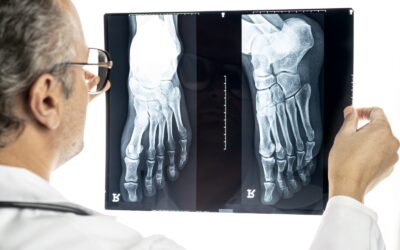
Preoperative Pes Planus on Orthopedic Implant Removal After First MTP Joint Arthrodesis
First metatarsophalangeal (MTP) joint fusion is a frequently employed surgical...
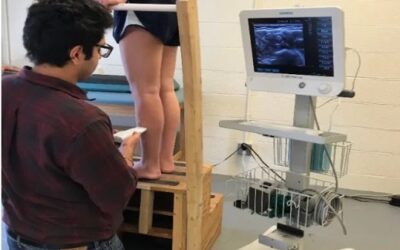
Peroneal Muscle Size and Quality Changes after Rehab in Patients with CAI
Peroneal muscles are the primary stabilizers against ankle inversion movements...
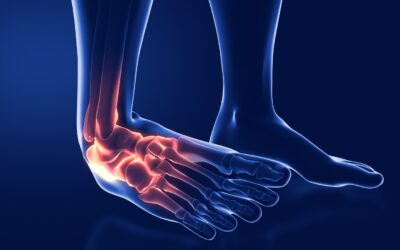
Deltoid Ligament Injury: Thinking Beyond the Ankle–Expert Opinion
Deltoid ligament (DL) injuries are common in ankle trauma, yet their optimal...
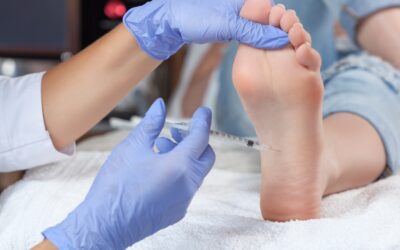
Corticosteroid Injection Practices for Common Foot and Ankle Conditions
Corticosteroid injections are commonly used to manage foot and ankle...
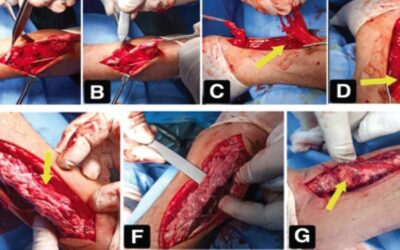
Biological Augmentation During Acute Achilles Tendon Repair
Acute Achilles tendon rupture may present intraoperatively with severely...
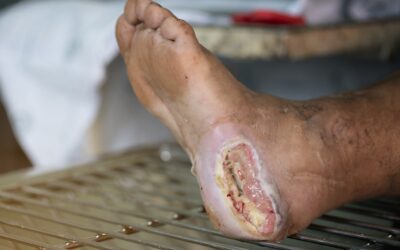
Lateral Plantar Angioplasty/Reverse Sural Flap Reconstruction for Heel Limb Salvage
Diabetic foot ulcers complicated by peripheral arterial disease are associated...
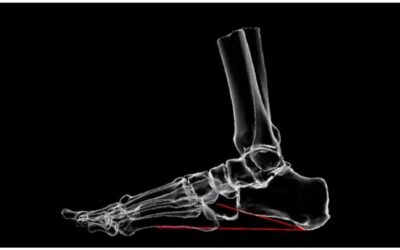
Hinge Position and Wedge Orientation in Zadek Osteotomy Across Different Foot Morphologies
The Zadek osteotomy (ZO) is a surgical option for insertional Achilles...
A Foot Forward for Optimum Health

What Contributes to Tendon Thickness After Stroke–A Commentary
April, August, and December are months reserved to address comments made to articles written for “A Foot Forward for Optimum Health”. However, I did not have any comments from May, June and July and I wanted to make some comments and pose clinical questions from the article titled, “Changes in Lower Extremity Tendon Thickness After Stroke Rehab (Balance and Outcomes)” in the series “From The Literature” for June 2026.
By Dr. Jennifaye V. Brown
Industry News & Updates
DMEPOS Probationary Prior Authorization Starts October 15
Effective October 15, 2026, the Centers for Medicare & Medicaid Services...
New AFO HCPCS Code and Code Change
The Centers for Medicare & Medicaid Services (CMS) has recently released...
Mineralized DNA Scaffold Boosts Bone Repair by Reprogramming Immune Cells
A new study developed a mineralized DNA hydrogel called “Cap-gel” that...
Walking-Support Robot Learns to Follow the Body Through Touch
A research team from Zhejiang University, Tencent Robotics X Laboratory, and...
Emerging Developments in AFOs
A Three Part Series
Carbon composite ankle foot orthoses are reshaping how podiatrists approach bracing. Lighter, lower-profile, and easier to fit into everyday footwear, these devices are moving from specialty use to everyday practice. This three-part series covers what you need to know, which patients benefit most, and how to put carbon composite AFOs to work, backed by clinical case studies.
Advertisement

A Message From the Publisher
Welcome to Lower Extremity Review or LER as we call it. This long awaited magazine fills the lower extremity information gap for practitioners in the fields of Podiatry, Physical Therapy, O&P Pedorthics, and Orthopedics. With over 20 years experience in multi-disciplinary editorial development and publishing, the collaboration of this incredible team has made this publication possible

Rich Dubin
Publisher and Chief Executive Officer
Featured Products
Lower Extremity Review
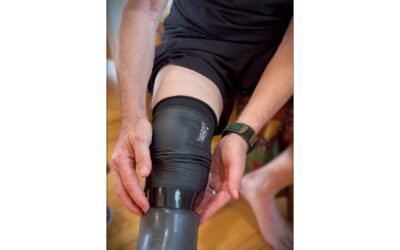
Prosthetic Sleeve Protector with GlideWear Technology
The Tamarack Prosthetic Sleeve Protector (PSP) is designed to protect transtibial prosthetic suspension sleeves from premature failure, while also significantly reducing abrasion, improving comfort for those who rely on suspension socket systems. Built on Tamarack’s...
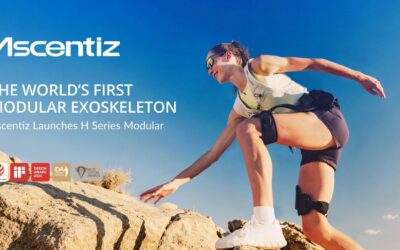
Consumer Exoskeleton for Hiking, Running
Ascentiz exoskeletons are designed for walking, hiking, running, cycling, stair climbing, and urban exploration. Rather than replacing the wearer’s natural movement, the system syncs with gait and movement intent, assisting key phases of each step, such as lifting the...
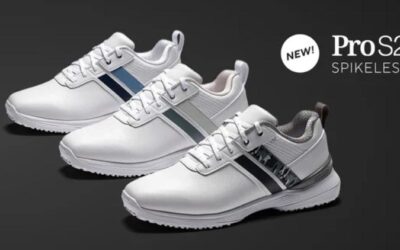
Spikeless Men’s Performance Golf Shoes
SQAIRZ has released a spikeless version of its ProS2™ spiked men’s golf shoe. The shoe’s premium grain-textured microfiber upper is paired with a classic leather-inspired appearance. That design is joined by four proprietary SQAIRZ technologies that work together to...
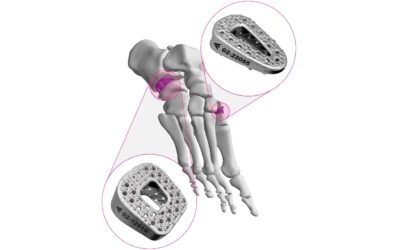
Wedge Fixation System for Evans and Cotton Osteotomies
The ARKEO™ Wedge Fixation System integrates an anatomical design with the pillared microstructure of the Auxano® in-growth technology to provide a secure fixation interface at the site of correction. Designed for use in Evans and Cotton osteotomies, the surgical set...
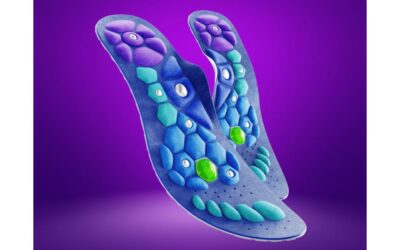
Magnetic Acupressure Insoles
Akusoli insoles are designed with advanced magnetic acupressure technology that targets specific pressure points to relieve tired, achy feet and prevent soreness from prolonged standing and walking. By integrating magnetic acupressure therapy, these insoles stimulate...
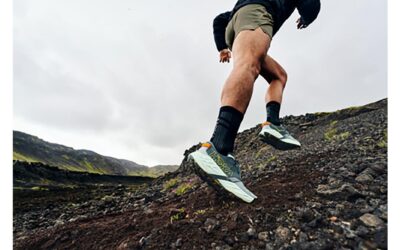
Performance Running Shoe
The Hoka Speedgoat 7 running shoe is engineered for performance on rocky ascents, slick mud, technical downhills, and everything in between. Bold in design and color, it is built for runners who push limits, thrive in the elements, and demand versatility without...
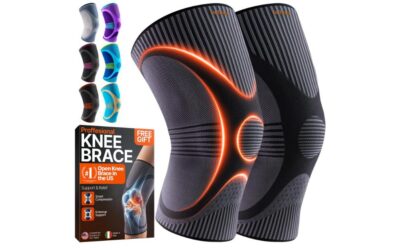
Compression Knee Sleeve
The Dr. Brace Knee Compression Sleeve was developed with a focus on targeted comfort and everyday usability. A dedicated support zone around the kneecap is designed to create a sense of stability while allowing the joint to move naturally. Reinforced support zones...
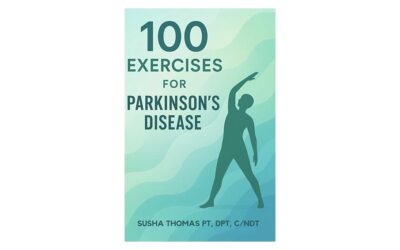
Exercise Book for Parkinson’s Disease Patients
Susha Thomas, PT, DPT, C/NDT, a physical therapist specializing in Parkinson’s and stroke rehabilitation, recently published a book, 100 Exercises for Parkinson’s Disease, a structured collection of illustrated exercises designed for bed, sitting, and standing...
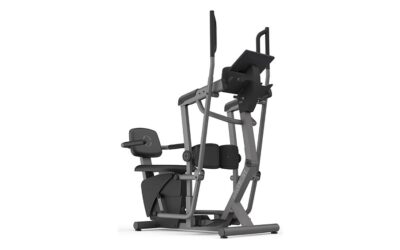
Full-Body Supported Walking Station
The WalkPort supported walking station is designed to help individuals with significant mobility challenges safely stand and practice walking therapy at home and in clinical settings. It provides consistent full-body support and enables users to focus on proper...
Advertisement