May 2026
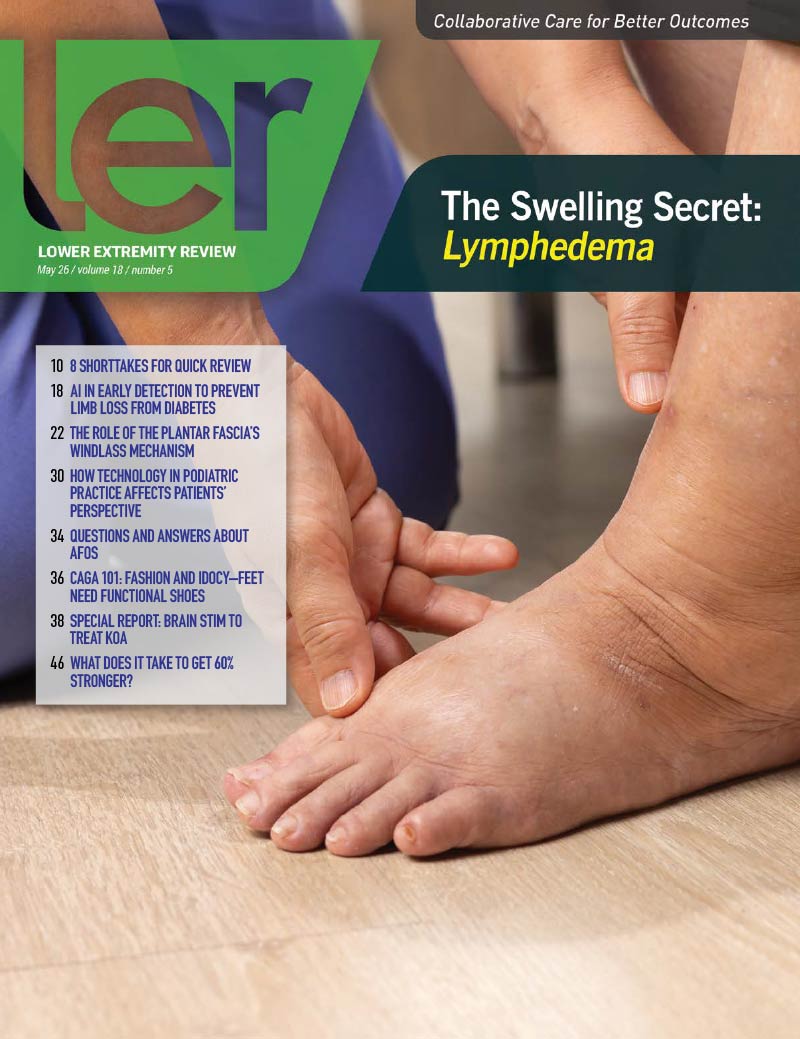
Click on image to download the issue in PDF format
Cover Story
In traditional medicine, we often treat the vascular, integumentary, and lymphatic systems as separate silos. However, the “Veil Theory,” championed by Dr. Heather Hettrick, reveals that these systems are inextricably linked. At the center of this connection is the endothelial glycocalyx, a microscopic, sieve-like layer within our blood vessels that regulates the movement of fluid and proteins.
By Dr. Windy Cole, DPM, CWSP, FACCWS, FFPM RCPS (Glasg) with Dr. Loan Lam DPM,
FAWPHc, FAPWCA, CWSP, CHWS, CLWT and guest Cam Ayala
Features
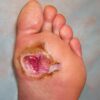
The global prevalence of diabetes is increasing and is projected to affect 642 million people by 2040, highlighting the growing need for effective prevention, management, and supportive care. Diabetes can be associated with a range of health complications that require ongoing medical attention. Among these, diabetic foot conditions–particularly ulcerations and infections–are leading contributors to non-traumatic lower-limb amputations.
By Dr. Laura Shin
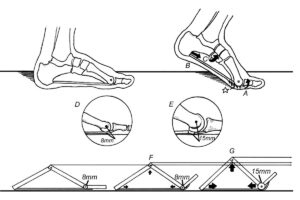
Ever since Sahelanthropus tchadensis stood upright 7 million years ago, the feet of our common ancestors have undergone a series of important structural changes necessary to accommodate the functional requirements of bipedal locomotion. While the feet of arboreal primates were well-adapted for grasping branches during movement through tree canopies, their hypermobile midfoot and adducted great toe led to instability and buckling during the push-off phase of gait...
By Tom Michaud, DC, and Nicolas Haelewijn, Ph. D.
When patients enter a podiatry office, their impressions begin forming immediately. Before any history is taken or exam performed, they are already processing what they see. Eyes are drawn to the physical space, the efficiency of the front desk, the demeanor of the staff. They enter the treatment room and notice the equipment in the room while waiting for the physician. These early signals shape expectations in ways that are both subtle and powerful.
By Mikel D. Daniels, DPM, MBA, President and Chief Medical Officer, WeTreatFeet Podiatry
ShortTakes From the Literature
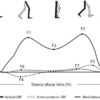
Plantar fasciitis (PF) is a common musculoskeletal disorder characterized by heel pain that disrupts gait and daily function. This study examined relationships between clinical outcomes and gait biomechanics, determined whether these relationships differ between recent- and chronic-onset cases, and identified key clinical predictors of gait speed.
The monetary costs of sport-related injuries are significant, but complexity in public and private payers and disparate injury-reporting systems create challenges in accurately estimating their economic impact. Few researchers have characterized the cost of athletic training services for sport-related injuries. Treatment and costs characteristics of athletic training services provided to high school student-athletes for knee and ankle cases, including comparison of...
Acute, deep infections of diabetes-related foot ulcers can present as surgical emergencies. The term diabetic foot attacks (DFAs) was introduced to emphasize the urgency of these infections and need for immediate intervention. DFAs are characterized by deep infection of the foot that spread rapidly to the rest of the foot and limb. It can be limb- and even life-threatening. Although DFAs are relatively common, the literature on the outcomes is scarce.
Ewing sarcoma (ES) rarely arises in the toes, where nonspecific pain and swelling can mimic benign conditions, delaying diagnosis. Early recognition is critical because modern multimodal therapy can achieve limb preservation and high rates of disease control. A case of a healthy 22-year-old man developed progressive pain and swelling of the left hallux after partial nail excision for a presumed ingrown toenail.
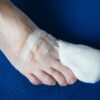
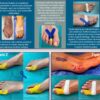
Elastic taping as external fixation after percutaneous forefoot surgery is not merely an adjunct but a key component of the surgical strategy; when properly applied, it maintains three-dimensional correction and contributes to optimal functional outcomes in modern minimally invasive forefoot surgery.
Researchers conducted a systematic review and meta-analysis following PRISMA guidelines regarding the efficacy and safety of honey dressing compared to conventional dressings in the treatment of diabetic foot ulcers (DFUs). PubMed, BIOSIS, EMBASE, Cochrane Central Register of Controlled Trials (CENTRAL), and Google Scholar internet were searched from inception to Jan 31, 2026, for RCTs comparing honey dressing with conventional dressings in DFU patients.
Inflammation and nutritional status are increasingly recognized as key contributors to impaired wound healing in diabetes. However, the relationship between inflammation- and nutrition-based indicators and diabetic foot ulcer (DFU) has not been well established. This study investigated these associations.
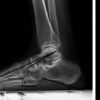
Chronic lateral ankle instability (CLAI), frequently resulting from ankle sprains, is often associated with undiagnosed hindfoot varus deformities, specifically subtle cavus foot (SCF). While ligament reconstruction remains the standard treatment for CLAI with SCF, there is ongoing debate regarding the need for adjunctive calcaneal osteotomy to correct the underlying malalignment. A retrospective analysis of 102 patients with CLAI and SCF was...
A Foot Forward for Optimum Health

“A Foot Forward for Optimum Health” is a column designed to enlighten the old guard in a new way about lower extremity impairment as it pertains to foot drop. The intent is to challenge evidence-based research and practice so that it addresses real world issues shaped by social determinants of health. For every common issue is an uncommon response that will provide insight to improve health outcomes by putting one foot forward at a time–efficiently and effectively.
I would like to thank the reader for acknowledging my expertise. I want to reiterate that the literature supports functional context as a focus of rehabilitation as opposed to just impairment-based interventions. We must treat the person as a whole entity (person: mental, emotional, physical, spiritual, intellectual) of who they are in their lived spaces (environment) and what they do in that space (tasks).
By Dr. Jennifaye V. Brown
Industry News: Special Report
Knee osteoarthritis (KOA) is the most prevalent form of arthritis among adults and a leading cause of disability worldwide. The condition affects hundreds of millions of individuals and represents a substantial burden on healthcare systems. Chronic knee pain is the primary symptom and frequently prompts individuals to seek medical care. However, the management of chronic osteoarthritis pain remains challenging.
Industry News & Updates
A research team led by researchers at Chalmers University of Technology in Sweden has successfully decoded leg movements directly from the remaining nerves in people with transfemoral amputations. Using novel implantable neurotechnology and an artificial intelligence (AI) method based on the nervous system’s own “language,” the researchers could interpret detailed movements—even the will to wiggle toes.
The Centers for Medicare & Medicaid Services (CMS) recently released their final determinations from the Second Biannual 2025 Healthcare Common Procedure Coding System (HCPCS) code application meetings. Among the final determinations are 2 new L-codes pertaining to the lower limb, which are valid for claims with dates of service on or after April 1, 2026, as follows...
Overuse of our tendons can cause painful medical conditions, known as tendinopathy. Researchers have now deciphered an important molecular mechanism that triggers these problems. Their findings will facilitate the development of new treatments. A team of researchers led by Jess Snedeker, a professor of orthopedic biomechanics at ETH Zurich and Balgrist University Hospital in Zurich, and Katrien De Bock, professor of exercise and health at ETH Zurich, has
...
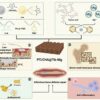
Researchers from Chongqing Medical University and Chengdu University in China have developed a body-temperature responsive, 3D-printed shape-memory scaffold coated with a metal polyphenol network to treat infectious bone defects. Using a combination of low-temperature 3D printing and surface biofunctionalization, the scaffold was designed to adapt to irregular bone defects while providing antibacterial activity, immune regulation, and osteogenic support.
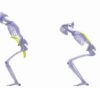
Researchers at the University of California San Diego (UCSD) have created a model driven by generative artificial intelligence (AI) that will help prevent injuries in athletes and also aid in rehabilitation after an injury. The model could also help athletes train better. The model, called BIGE (for Biomechanics-informed GenAI for Exercise Science), was trained with athlete movements together with information about the biomechanical constraints on the human body, such as...
The Last Word
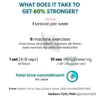
How much training do you need to get 50-60% stronger? It’s actually a lot less than you might think. A massive seven-year study modeled data from 14,960 people (average age 48, SD 11) who completed a “minimal-dose” strength training program once per week for up to 352 weeks (~6.8 years).
Featured Products