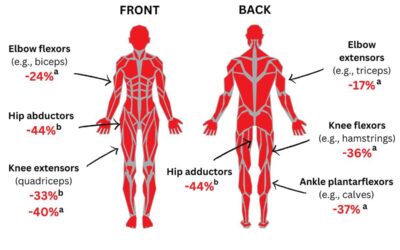
Between muscles, that is…We often blame ageing for muscle weakness, and think all muscles suffer the same. But in fact, that’s not the case.And that tells us something important about what’s really going on. Because the muscles hit hardest–our lower-body and stabilizing muscles (like those around the hips)–are the same ones we rely on most for daily movement. In other words, it’s not just aging. It’s inactivity. When we stop using these muscles as much, they…
Lower Extremity Review
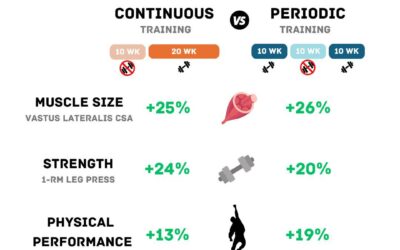
Short Training Break, Same Gains.
Consistency is hard. We all know it matters – especially for long-term pursuits like exercise. But being consistent doesn’t mean never taking a break, either. Too often we beat ourselves up the moment we fall out of routine. Whether it’s a busy period, illness, low motivation, or life in general… even a short disruption and suddenly we tell ourselves we’ve “ruined” our progress.
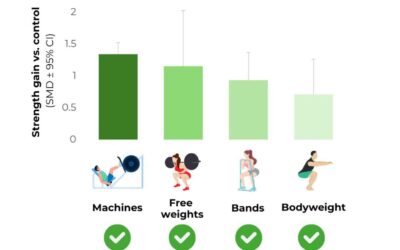
Which Resistance Training Types Improve Strength in Older Adults?
Despite what many people think, the science says otherwise. Recent data shows older adults can get stronger using almost any resistance training approach – as long as the fundamentals are in place. A 2025 network meta-analysis pulled together data from 102 studies involving 4,754 adults around age 70. It compared different resistance training modalities and found something surprising.
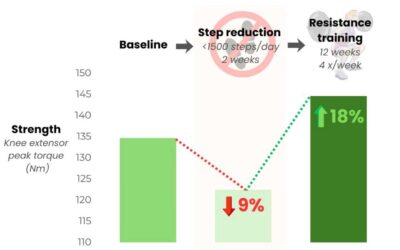
Resistance Training Restores Strength Loss After Inactivity
A new study in pre- and post-menopausal women (aged 40-60 years) found 2 weeks of inactivity (<1,500 steps per day) was enough to drop strength by about 9% (and muscle mass by 2%). But here comes the good news. Not only did 12 weeks of resistance training restore these deficits, it further improved strength and muscle mass ABOVE starting levels.
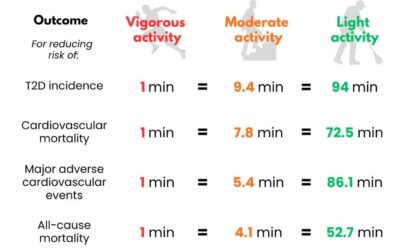
Every Minute of Movement is Not Equal
New data using wearables shows 1 type counts up to 9× more. A team led by Emmanuel Stamatakis followed 73,000 UK adults from the UK Biobank study, tracking their movement with wearable devices and linking it to major disease and death outcomes 8 years later on average.
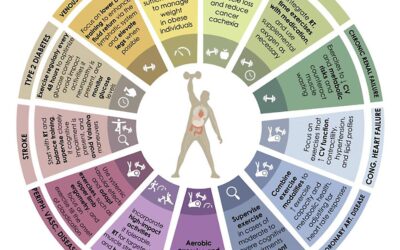
Exercise is Medicine
The new global exercise guidelines for healthy longevity in older adults are here. With exercise recommendations to address >14 chronic diseases, adverse outcomes, and geriatric syndromes including: falls, cancer, dementia, type 2 diabetes, depression and anxiety. A key focus is the need for personalized exercise prescription and translating the evidence to practice. “The ultimate goal is enhanced quality of life, regardless of age or initial state of fitness or frailty.”
More Muscle = Better Metabolic Health?
Havers T, Held S, Schönfelder M, Geisler S, Wackerhage H. Effects of Skeletal Muscle Hypertrophy on Fat Mass and Glucose Homeostasis in Humans and Animals: A Narrative Review with Systematic Literature Search. Sports Med.
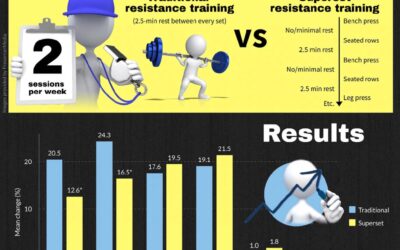
Superset vs. Traditional-Set Resistance Training
Superset training of multi-joint exercises hampered maximal strength gains somewhat compared with traditional-set training. However, there were very similar improvements in body composition, and strength gains were observed for all exercises in the superset group.
Muscle Activity in Soccer Players with a History of Hamstring Strain Injuries
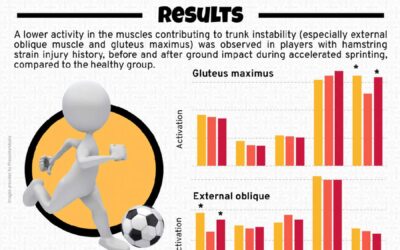
A lower activity in the muscles contributing to trunk instability (especially external oblique muscle and gluteus maximus) was observed in players with hamstring strain injury history, before and after ground impact during accelerated sprinting, compared to the healthy group.
Patterns of ACL injury in women’s football
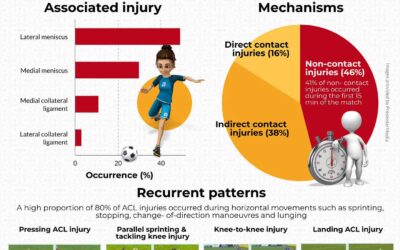
ACL match injuries sustained in Germany’s first women’s league during the 2016-2017 to 2022- 2023 seasons were prospectively analysed. A high proportion of 80% of ACL injuries occurred during horizontal movements such as sprinting, stopping, change- of-direction manoeuvres and lunging.
Effects of plyometric training on knee biomechanics during landing
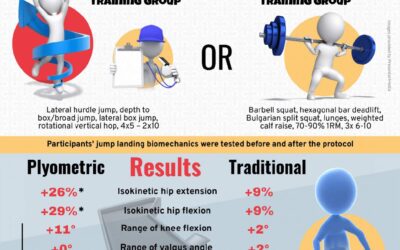
24 male participants were randomly divided for 16 weeks into 2 training groups. Lateral hurdle jump, depth to pox/broad jump, lateral box jump, rotational vertical hop, 4×5 – 2×10. Barbell squat, hexagonal bar deadlift, Bulgarian split squat, lunges, weighted calf raise, 70-90% 1RM, 3x 6-10.
How Humans Run Faster
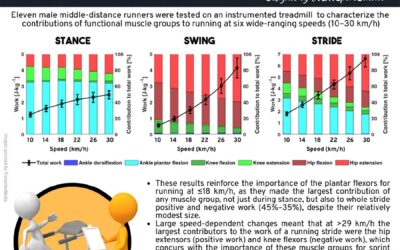
Eleven male middle-distance runners were tested on an instrumented treadmill to characterize the contributions of functional muscle groups to running at six wide-ranging speeds (10-30 km/h). These results reinforce the importance of the plantar flexors for running at $18 km/h, as they made the largest contribution of any muscle group, not just during stance, but also to whole stride positive and negative work (45%-35%), despite their relatively modest size.
How Humans Run Faster
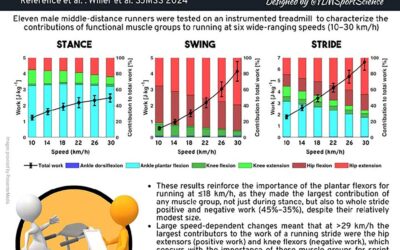
Eleven male middle-distance runners were tested on an instrumented treadmill to characterize the contributions of functional muscle groups to running at six wide-ranging speeds (10-30 km/h). These results reinforce the importance of the plantar flexors for running at ≤18 km/h, as they made the largest contribution of any muscle group, not just during stance, but also…
Athletic Performance Decline Over the Life Span
Does caffeine increase fat metabolism?
Caffeine ingestion significantly increased fat metabolism with a small effect. The increase in fat metabolism tended to be greater when consumed during rest compared with exercise, although both conditions elevated tat metabolism. This effect was independent of fitness level, sex, and caffeine dosage…
Join
Subscribe For Updates
Stay in the loop with the latest news and updates! Subscribe now to receive exclusive content, special offers, and important announcements straight to your inbox. Don’t miss out – join our community today for all the latest updates delivered directly to you.