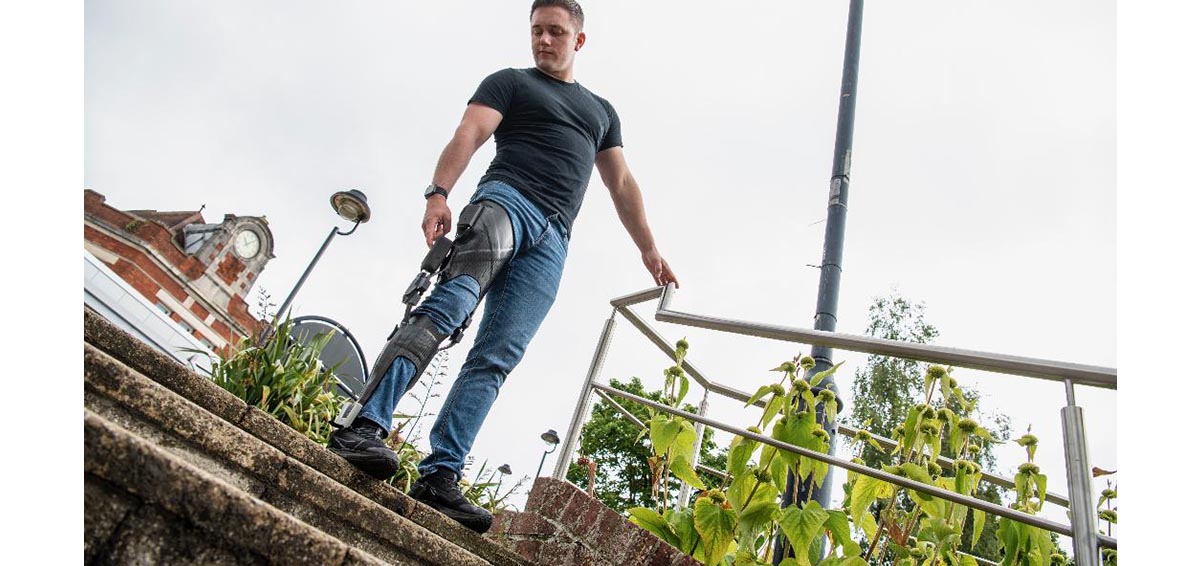
Changes in Lower Extremity Tendon Thickness After Stroke Rehabilitation

Changes in Lower Extremity Tendon Thickness After Stroke Rehabilitation

Peripheral musculoskeletal structures may undergo changes after stroke, but tendon-specific adaptations with functional recovery are not well defined. This study examined lower extremity tendon thickness in patients with post-stroke hemiplegia before and after an inpatient rehabilitation program and explored associations between tendon thickness and clinical improvement. 45 patients with post-stroke hemiplegia completed a 4-week rehabilitation program.

read more
Diabetic Socks: A Systematic Review of Commercial Products

Diabetic Socks: A Systematic Review of Commercial Products

In recent years, various diabetic socks have been developed and introduced to help prevent diabetes related foot ulcers (DFUs). However, the question of which type of sock is most suitable for individuals with diabetes has not been adequately addressed. This review systematically explores the current evidence regarding the performance and structural properties of diabetic socks, along with a narrative analysis of commercial socks.

read more
Achilles Tendon Properties of Jumping Leg in University Basketball Athletes

Achilles Tendon Properties of Jumping Leg in University Basketball Athletes

The Achilles tendon (AT) plays a crucial role in force transmission and movement efficiency, and greater tendon stiffness may enhance elastic energy storage and improve performance in explosive movements. Shear-wave elastography (SWE) enables reliable, non-invasive assessment of tendon stiffness, yet its associations with other ultrasound (US)-derived properties and functional outcomes remain insufficiently defined in athletes.

read more
Impact of Spinal Cord Stimulation in Diabetic Peripheral Neuropathy

Impact of Spinal Cord Stimulation in Diabetic Peripheral Neuropathy

Diabetic peripheral neuropathy (DPN) is a common and debilitating complication of diabetes that leads to chronic pain, sensory loss, and functional decline. While spinal cord stimulation (SCS) is FDA-approved for painful diabetic neuropathy, its potential to modify disease pathology rather than merely suppress symptoms remains poorly understood. This narrative review bridges this knowledge gap by elucidating the role of SCS in mitigating structural and…

read more
Bilateral Achilles Tendon Injury in a 14-Year-Old Adolescent: Case Report

Bilateral Achilles Tendon Injury in a 14-Year-Old Adolescent: Case Report

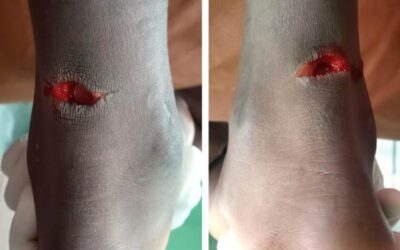
Achilles tendon (AT) wounds are defined as partial or complete disruptions of the tendon that create direct communication with the external environment (Lamah L Diallo M Tekpa JBD). The incidence of bilateral AT lacerations in children remains unknown. These researchers report a case of simultaneous bilateral AT laceration in a 14-year-old adolescent following a domestic accident.

read more
Effect of Otago Exercise Program with Neuromuscular Electrical Stimulation on CAI

Effect of Otago Exercise Program with Neuromuscular Electrical Stimulation on CAI

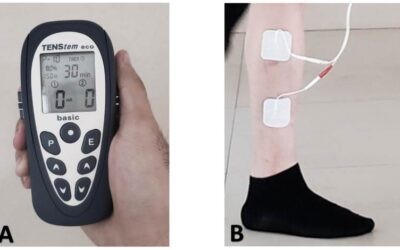
Chronic ankle instability (CAI) is a common functional disorder in older adults, affecting their balance and quality of life. Effective ways to enhance ankle stability and function remains a key for healthy aging. This study aims to explore the effects of the Otago Exercise Program (OEP) combined with Neuromuscular Electrical Stimulation (NMES) on ankle stability, the pain index, and balance ability in older adults aged 60 and above with CAI.

read more
Folinic Acid Improves Healing of Diabetic Foot Ulcers

Folinic Acid Improves Healing of Diabetic Foot Ulcers

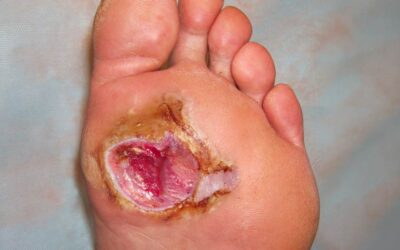
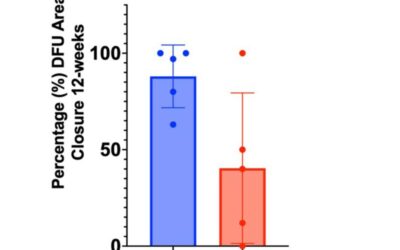
A novel folinic acid (FA) wound treatment (FAWT) significantly (P < 0.05) improved healing of chronic diabetic foot ulcers (DFUs). In a double-blind randomized controlled trial, 10 subjects with chronic DFUs were treated daily with either control therapy (n = 5; PluroGel) or FAWT (n = 5; PluroGel containing 2.5% FA). After 12 weeks, the FAWT group demonstrated significantly greater DFU area reduction compared with controls (88% [SD 16] vs 40% [SD 39], respectively).

read more
Foot and Ankle Biomaterials: A Comprehensive Review

Foot and Ankle Biomaterials: A Comprehensive Review

Metallic biomaterials enable successful reconstruction of skeletal tissues by supporting repair, load-bearing function, and anatomical alignment in foot and ankle surgery. The unique anatomic and biomechanics in this region, and challenging pathologies such as flatfoot and Charcot neuroarthropathy, present challenges. Intervention requires targeted biomaterial solutions.

read more

Join

Subscribe For Updates

Stay in the loop with the latest news and updates! Subscribe now to receive exclusive content, special offers, and important announcements straight to your inbox. Don’t miss out – join our community today for all the latest updates delivered directly to you.