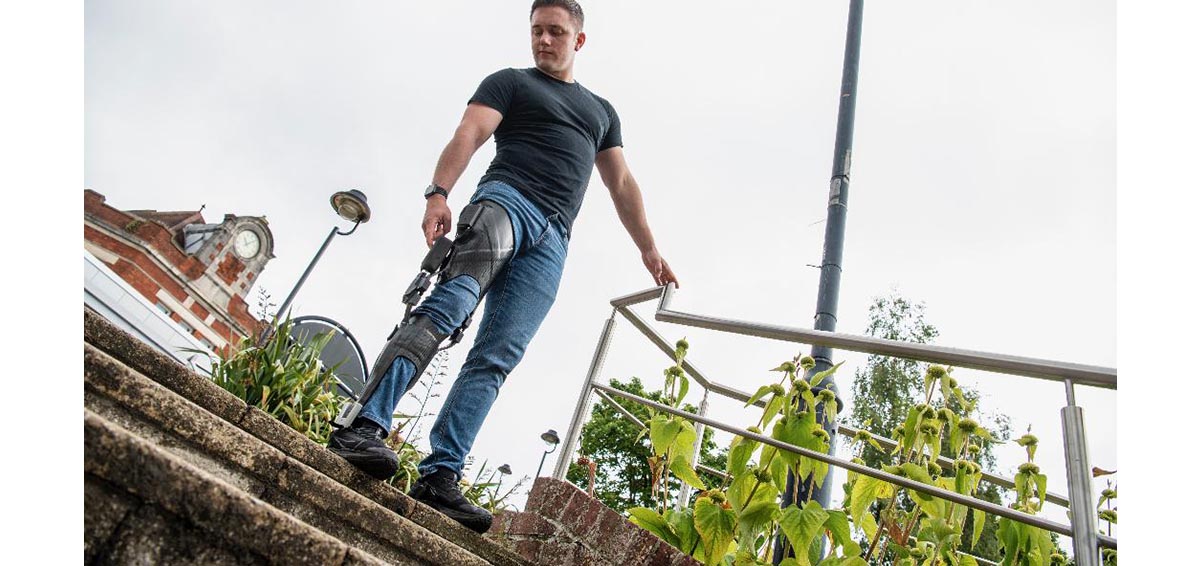
Foot health is often addressed only after pain or injury develops. The founders of pushpül, however, believe that feet deserve the same proactive approach to strength, mobility, and recovery that athletes routinely apply to other parts of the body. We spoke with the pushpül team about the company’s origins, common causes of foot pain, footwear trends, and the growing role of “foot fitness.”
Lower Extremity Review
Orthotics & Stepping Up the Figure Skating Game
In the late 70s, newly involved with the late, great sports therapist Bob Gajda’s new Sports Fitness Institute in Glen Ellyn Illinois, I met figure skating coach, former National champion competitor, Candy Brown. Candy was coaching a young 12-year-old neighbor. Angelo, who I had seen flying around…
By Dr. Robert Weil, DPM
Prodigy Sports Kids Need Specialized Care
Hey sports parents, coaches, and their special kids, what do I mean by the prodigy sports? Very briefly, prodigy sports tend to be those athletic endeavors that are played mostly solo, such as tennis, ballet, figure skating, dance, or gymnastics plus soccer; some folks throw baseball pitching in there because of its unique skillset. Age-wise, I’m talking about adolescents and youngers who are specializing in just one sport.
By Robert Weil, DPM
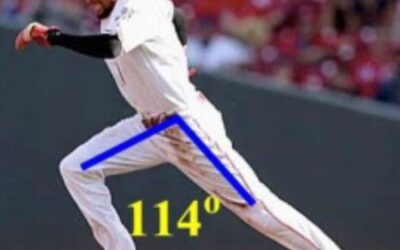
Increasing Stride Angle as Injury Prevention?
The stride angle is a more useful metric than stride length. For example, the stride angle is what creates stride length. The stride angle is the maximum opening between the upper legs while running or pitching. Our 6-month research project found that for every degree a runner increases his stride angle, he can increase the stride length 2%. This runner (Figure 1) increased his stride length 60%.
By Bob Prichard
Socks Matter!
A better understanding of pedal biomechanics combines with textile science and evolving manufacturing techniques to take this humble piece of clothing to the next level. I’ve been doing my radio show, The Sports Doctor, for 40 years now and we’ve covered a lot of topics in that time. Ankle sprains, parenting young athletes, cleat placement, new shoe designs, bunions, all the usual stuff…but there’s something new in the air. Lately we’ve been discussing, believe it or not, socks! Socks are essential to sports as well as everyday activities, especially for those who spend all day on their feet.
By Robert Weil, DPM
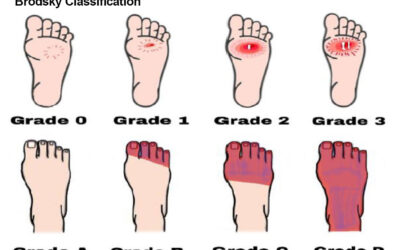
Factors Influencing Wound Healing in Diabetic Foot Patients
Diabetic foot is defined as a foot affected by ulceration that is associated with neuropathy and/or peripheral arterial disease of the lower limb in a patient with diabetes. These authors focused on nutrition as a source of healing and examined the correlation between various trace elements and wound healing in patients with diabetic foot ulcers.
By Sang Heon Lee, Sung Hwan Kim, Kyung Bum Kim, Ho Sung Kim, and Young Koo Lee
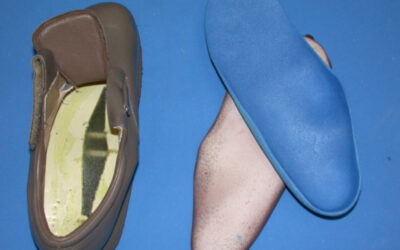
Relasting as an Alternative to Custom Shoes
Much has been written about the problem of less-than-ideal patient adherence to use of therapeutic and custom footwear for management and prevention of diabetic foot complications. Over the last few decades, there have been numerous research projects, surveys, and studies designed to parse out the exact reasons for low adherence and to create real world, implementable solutions.
By Erick J. Janisse, CO, CPed
Change the Way You Think
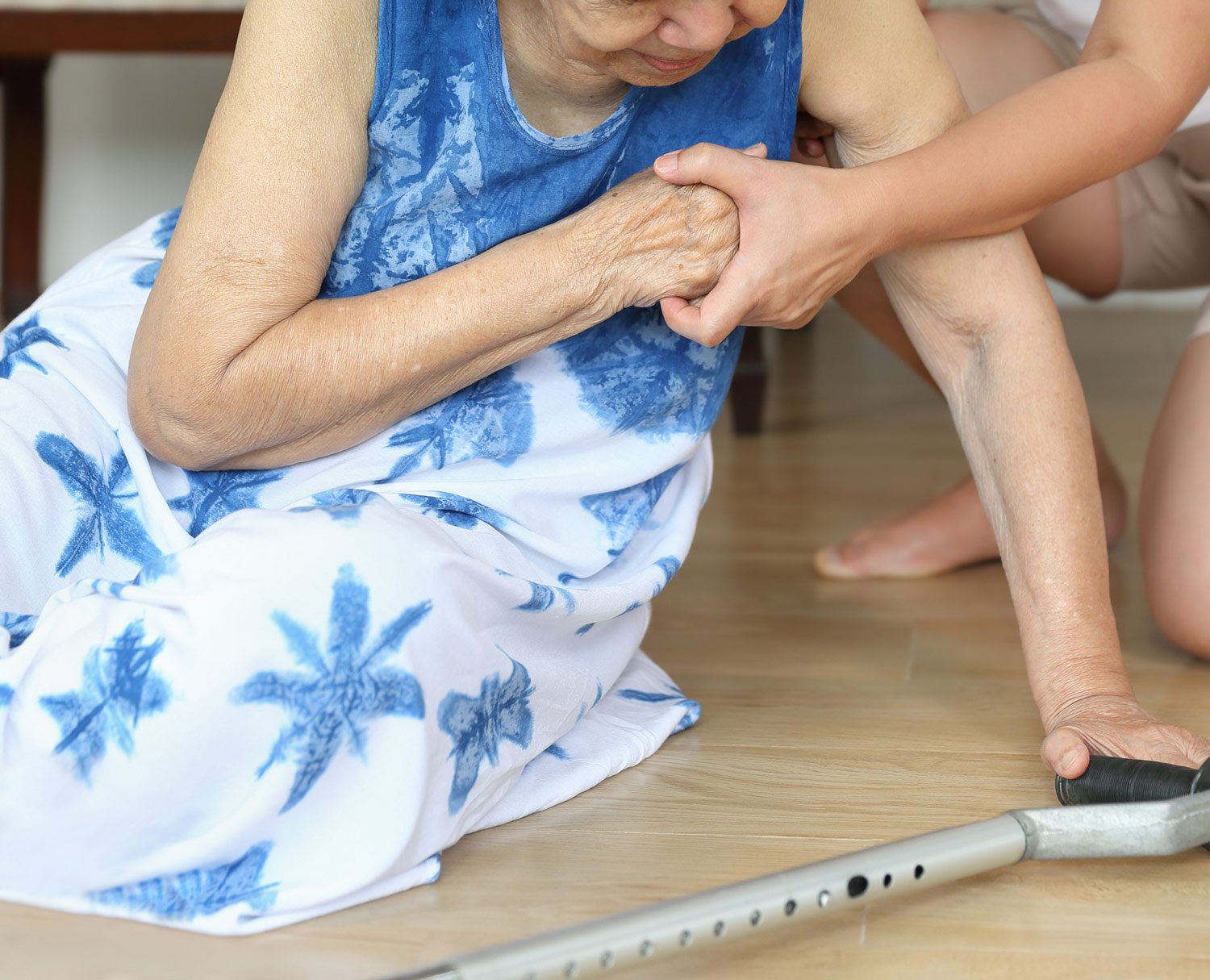
As we celebrate Older Americans Month, it’s essential that we ask ourselves what we can do to help stem the deeply troubling and seemingly intractable issue of senior falls. As it turns out, there’s a great deal we can do.
By Jason Kraus, BS
Pickleball’s Fast Growth and Game Pace Present Clinical Challenge
April is National Pickleball Month! And why shouldn’t it be? The sport has exploded in popularity over the past decade or so—up more than 51% since August 2022 and 223% in 3 years! According to the 2023 Association of Pickleball Professionals Pickleball Participation Research, there are 48.3 million adult players in the United States…
By Robert Weil, DPM
Guest Perspective: National Biomechanics Day 2024 to Build On 2023 International Growth
Hello Biomechanists Worldwide… As we prepare for National Biomechanics Day (NBD) April 3,2024, we thought a recap of last year’s event in order. National Biomechanics Day 2023 celebrated our Breakthrough Science for the eighth consecutive year in 15 countries around the world. Some of our new national friends include Marcus Tilp and Hans Kainz at the University of…
By Paul DeVita, PhD; Lisa MacFadden, PhD; and Felipe Carpes, PhD
Guest Perspective: Effective Analogies to Improve Patient Understanding
There are any number of quotes we can use that pokes at the perpetual issue of clinicians using overly complex terminology when communicating with patients about their health. “One good analogy is worth three hours discussion” – Dudley Field Malone
By Talysha Reeve
Frequency of Concussions Increases US High School Athletes’ Reporting of Suicidal Attempts
Utilizing nationally representative data from the Youth Behavior Risk Surveillance System (YBRSS), a new study1 examined the association between self-reported concussion frequency and non-fatal suicidal behaviors among U.S. high school students. The study appeared in a special mental health issue of the…
Concussions, More Than Meets the Eye: NATA Study Finds Increasing Risk of Suicide Ideation With Second Concussion
In 2007, one study estimated there were 300,000 sports-related traumatic brain injuries in high school and collegiate athletes. Sports brain injuries and concussions were second only to motor vehicle accidents amongst people aged 15-24.1 Fast forward to a 2018 study using data from the Youth Risk Behaviors Survey where…
By Mark Mendeszoon, DPM
NIH Grants $1.3M to Diversify Bioengineering
Over the past several decades, technology has effectively changed how global communities interface with one another. Travel is more affordable and efficient, and immigration has made cultural diversity a constant in all aspects of life. The internet literally transformed how we acquire information across the…
By Robert Lin, CPO
Video Education and Knee Osteoarthritis
Patient education is the most commonly used intervention for chronic disease management. Education interventions have variably been shown to have benefits for chronic disease management in general and musculoskeletal pain disorders…
By Thorlene Egerton, Joanne Bolton, Camille E. Short, and Kim L. Bennell
Join
Subscribe For Updates
Stay in the loop with the latest news and updates! Subscribe now to receive exclusive content, special offers, and important announcements straight to your inbox. Don’t miss out – join our community today for all the latest updates delivered directly to you.