








By Robert Weil, DPM
A better understanding of pedal biomechanics combines with textile science and evolving manufacturing techniques to take this humble piece of clothing to the next level.
 I’ve been doing my radio show, The Sports Doctor, for 40 years now and we’ve covered a lot of topics in that time. Ankle sprains, parenting young athletes, cleat placement, new shoe designs, bunions, all the usual stuff…but there’s something new in the air. Lately we’ve been discussing, believe it or not, socks! Socks are essential to sports as well as everyday activities, especially for those who spend all day on their feet. They provide comfort, support, and protection for feet during physical activities, and also play a role in expressing personal style and fashion preferences. I remember growing up the blandness of getting socks as a present – how boring! Now colors and designs can make socks great fun! I Love my Cheech & Chong socks!
But seriously, today, this humble piece of clothing is suddenly all the rage in both fashion and athletics with wild colors, different styles and heights, varying degrees of compression measures, different fiber sources, odor-blocking abilities, even sunscreen and copper. Heck, a single sock even played a critical role in the Harry Potter series, freeing the enslaved house elf Dobby from the evil Malfoys. Socks are definitely no longer boring!
It’s a little funny, given all that we have today, but I can remember a time in the sports world where there was a lack of real attention to our socks. Shoes we paid attention to, but socks? Not so much. But the truth is, the right pair of socks can make a significant difference in your overall comfort and performance, whether you’re hitting the field, going about your day, or spending significant time on your feet. And entrepreneurs have picked up the challenge using cutting edge technologies.
There is a wide range of innovation in sockware and these 2 manufacturers show some of that breadth:
Hurdle Apparel, founded in 2020, took on the task of right vs left. That’s right, their matrix technology designs socks that conform to the direction of the foot, so they have a right sock, to be used on the right foot, and a left sock, to be used on the left…and no, you really shouldn’t swap them. Each sock follows the form of the foot its intended for, allowing for better arch support placement and cushioning as required for the ball of the foot. Co-founder Tosha Hays drew inspiration from her background in fabric technology at Massachusetts Institute of Technology. Hurdle Apparel owns its own manufacturing technology, and the items are designed collaboratively by high-tech engineers, footwear designers, and athletes.
OS1st (short for Our Socks, Sleeves, Service First) has focused on compression bracing bringing together 3 generations in one family business. They started by addressing the compression needs of those suffering from plantar fasciitis and bunions, and grew to expand their offering for serious runners, then tackled diabetic and comfort foot care with nano-bamboo charcoal, seamless, non-binding, cushioned socks for sensitive feet, and their offerings have grown to address additional lower extremity compression. And their Pickleball Sock, which is designed to protect against impact and prevent blisters, is the official sock of Major League Pickleball! (See what I wrote about this fast-paced sport in “Pickleball’s Fast Growth and Game Pace Present Clinical Challenge” in the April 2024 issue of Lower Extremity Review.)
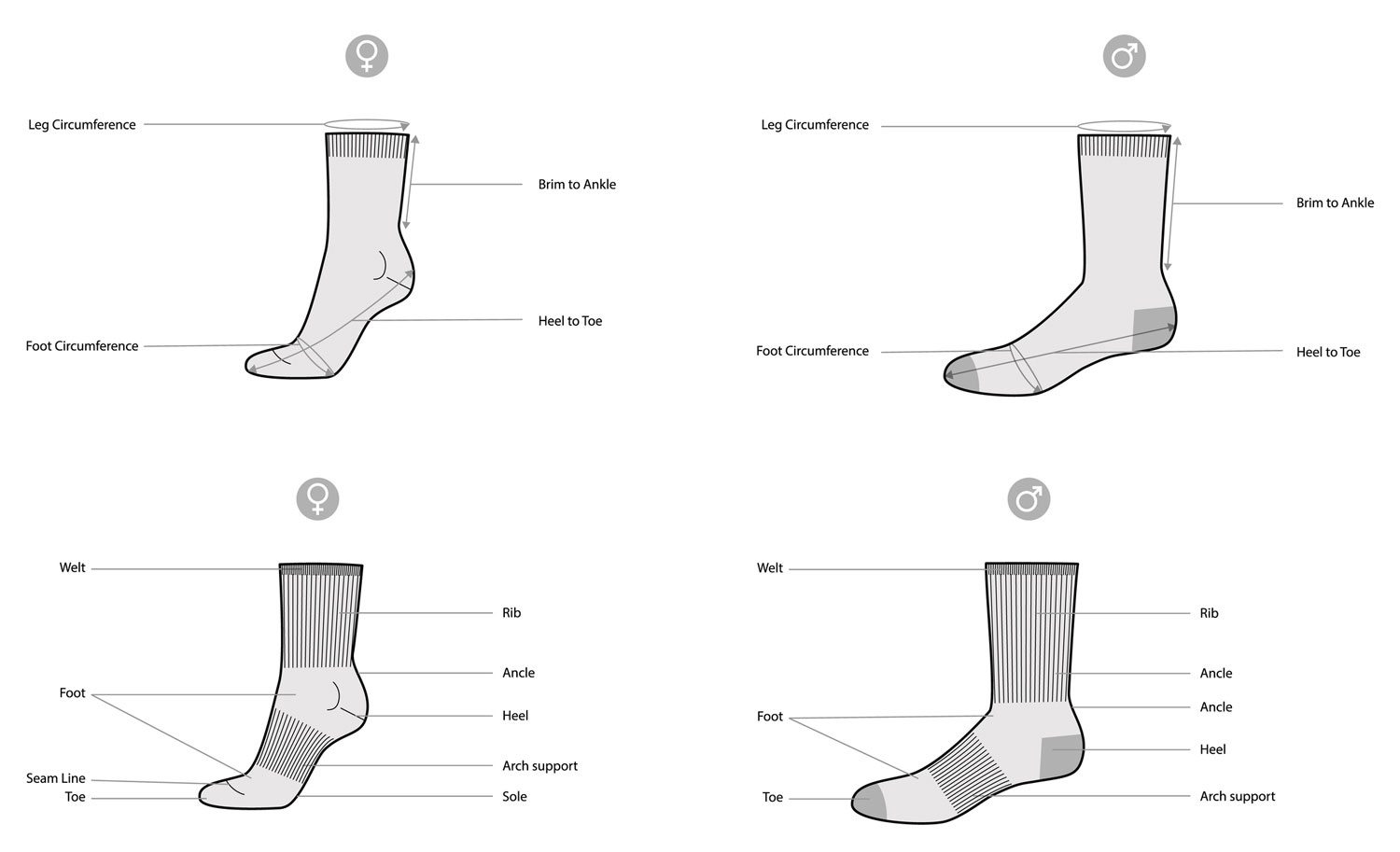
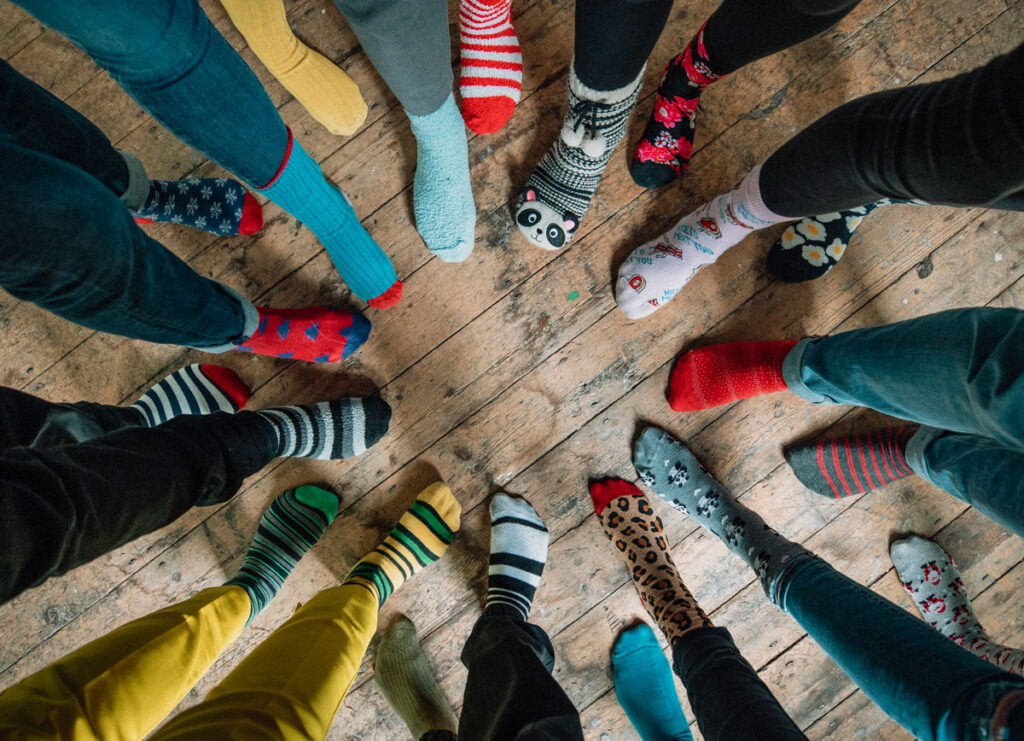 Today’s sock manufacturers – and there are many – are paying attention to arch support in socks not just for sports/athletics, but also for everyday use. Multiple manufacturers are using multi-grade fabric technology to deliver socks that will fit in athletic shoes as well as dress shoes and still provide much needed support, motion & friction control, and shock absorption. As with everyday socks, attention needs to be paid to moisture, odor control, and limited bulk. High-tech fabric technology combines all these key components in thinner materials and creates socks in a variety of lengths and widths: no-shows, ankle, quarter crew, crew, calf-height, knee high, wide calf, no elastic bands…the list seems almost endless.
The best socks for running and sports are specifically designed to provide comfort, support, friction reduction, and moisture wicking properties.
- Look for socks with cushioning & shock absorbing technology in ball of foot and heel.
- Look for seamless toe closures to prevent chafing & blisters, and moisture wicking technology to keep feet dry. Often synthetic materials play a part with wetness control.
- Socks with variable compression levels can enhance arch support, stimulate circulation, and reduce muscle fatigue.
- Always choose socks that fit well, complement your sports or work shoes to prevent blisters and ensure optimal performance. Change them at least daily.
- Look for socks with more options in fit than small, medium and large—you’ll get a better fit.
- In today’s reality, socks are a form of personal protective equipment (PPE) as they are essential to sports as well as everyday activities, particularly for those who spend all day on their feet or those with chronic conditions such as diabetes. Socks provide support for arches, ankles, and blood flow; comfort from the friction of chafing inside even the best-fitting shoe; and protection from the elements—both inside and outside the shoe.
Any way you look at it, socks matter!
Robert A. Weil is a sports podiatrist in private practice in Lisle, Illinois. He hosts “The Sports Doctor,” a live weekly radio show on bbsradio.com, or you can visit his website, thesportsdoctorradio.com. His book, #HeySportsParents written with Sharkie Zartman, is available on Amazon.com. Dr. Weil was inducted into the prestigious National Fitness Hall of Fame in April 2019. Find him at thesportsdoctorradio.com.