







 By Dr. Laura Shin
The global prevalence of diabetes is increasing and is projected to affect 642 million people by 2040, highlighting the growing need for effective prevention, management, and supportive care. Diabetes can be associated with a range of health complications that require ongoing medical attention. Among these, diabetic foot conditions–particularly ulcerations and infections–are leading contributors to non-traumatic lower-limb amputations. As a result, a substantial portion of healthcare resources is dedicated to supporting individuals living with diabetes and managing related complication.
The integration of artificial intelligence (AI) and advanced monitoring technology offers a transformative shift from reactive “catch-up” medicine to proactive, preventive care. By utilizing AI-assisted risk stratification, clinicians can identify high-risk patients before tissue loss occurs. Key technological interventions include remote thermal imaging, smart wearable devices (socks, mats, and boots), and machine learning algorithms designed to predict ulceration risk and improve diagnostic accuracy. Success in limb salvage requires an integrated “Toe and Flow” multidisciplinary model that breaks down clinical silos and empowers patients through real-time feedback and self-management.
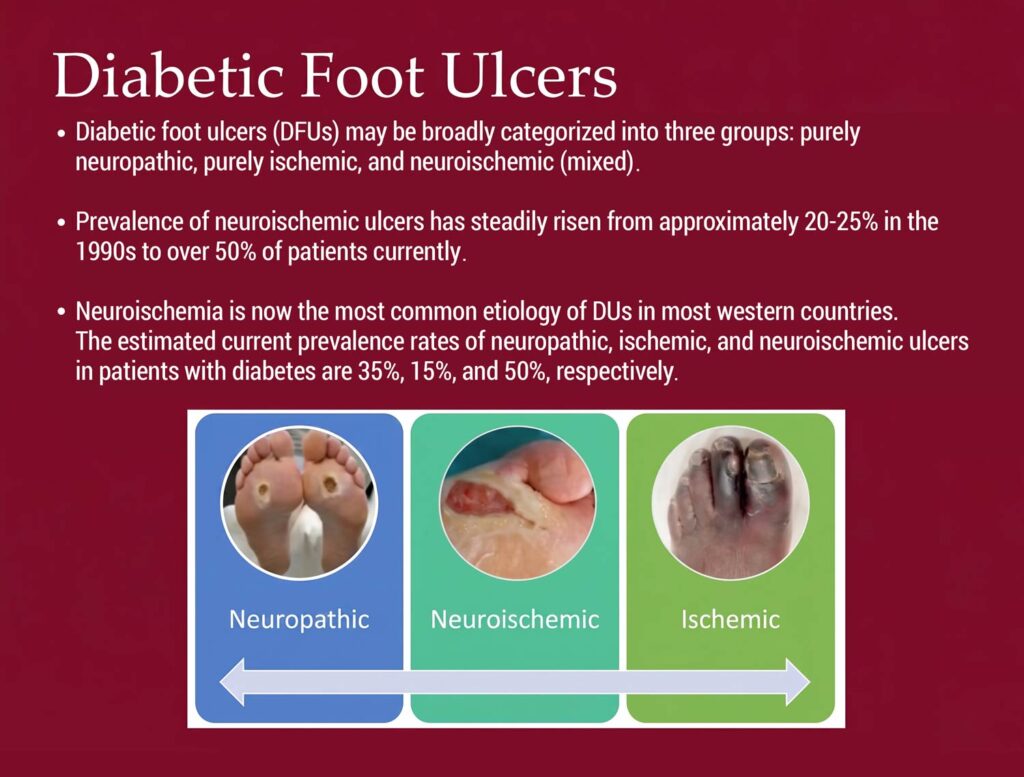 The Scale of the Diabetic Foot Crisis
The diabetic foot is a complex clinical challenge that often serves as a marker for systemic disease severity. The clinical and economic impacts of these complications are profound:
- Prevalence and Projections: By 2040, an estimated 642 million people worldwide will be diagnosed with diabetes. In the United States, 30 million people currently have the disease, while another 84 million are classified as prediabetic, a population that often goes unmonitored despite significant risks of neuropathy.
- The Pathway to Amputation: Approximately 25% of patients with diabetes will develop a foot ulceration. Critically, 85% of nontraumatic amputations are preceded by a diabetic foot ulcer.
- Mortality Rates: The mortality rate following diabetic foot ulceration or amputation is extremely high, often exceeding that of many cancers. Even when a limb is salvaged, more than 50% of patients may die within 5 years due to related systemic complications.
- Economic Impact: Diabetes and its complications account for trillions of dollars in healthcare spending. Addressing the diabetic foot is essential for reducing this burden, as preventative care has the potential to save billions.
Clinical Challenges in Current Practice
Standard treatments often suffer from fragmented care and a reactive approach to complications.
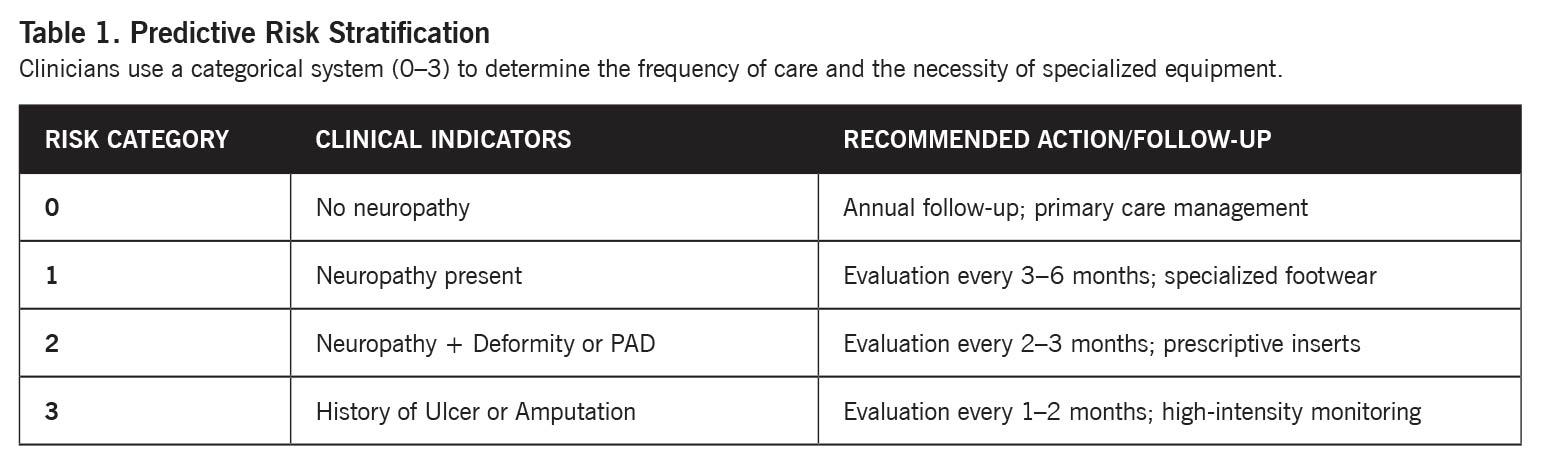
The “First-Line” Amputation Problem
Even in technologically advanced regions, over 50% of transtibial amputations for diabetic wounds are performed as a first-line intervention. Patients are frequently offered amputation without undergoing:
- Non-invasive vascular studies
- Comprehensive diagnostic workups
- Offloading trials
- Surgical reconstruction attempts
The Loss of the “Gift of Pain”
Peripheral neuropathy deprives patients of the “gift of pain,” meaning they do not feel the trauma or pressure causing tissue loss. This leads to noncompliance with offloading and delayed presentation of wounds.
Clinical Triad of Complications
Effective treatment requires navigating a triad of factors:
- Wound: Managing tissue loss and healing
- Vascular: Ensuring proper perfusion and revascularization
- Infection: Identifying and treating bacterial loads or osteomyelitis
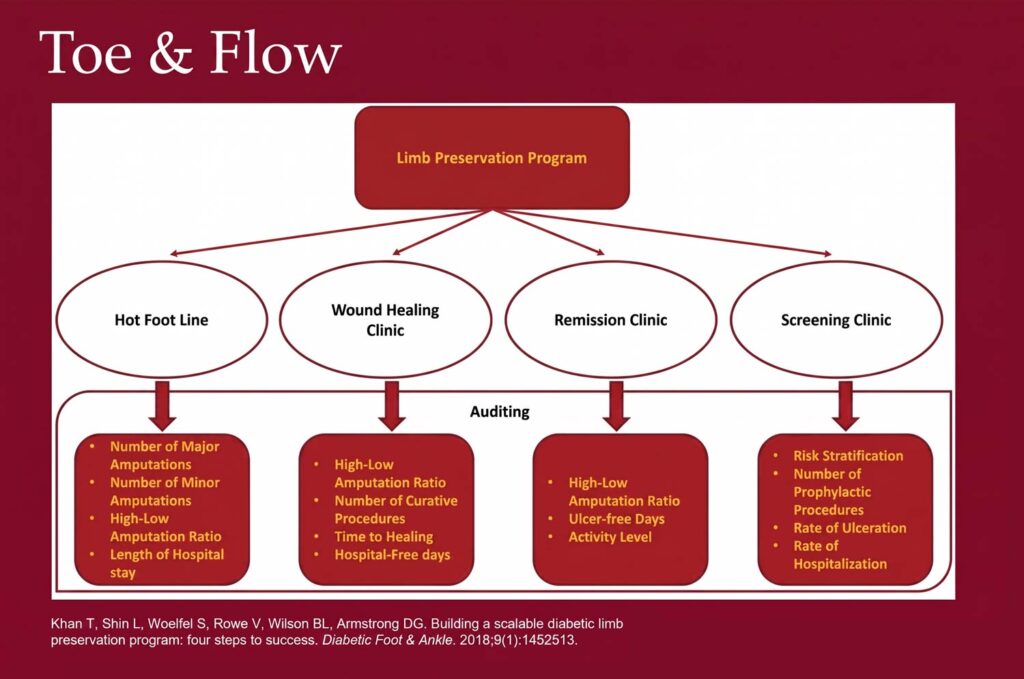 AI and Technological Interventions
AI and machine learning are being utilized to enhance diagnosis, treatment optimization, and prognosis.
Remote Monitoring and Diagnostics
- Smartphone-Assisted Surveillance: Utilizing high-resolution cameras and thermal imaging on smartphones allows patients or family members to monitor wounds. AI can process these images to predict healing trajectories or signal the need for immediate intervention.
- Thermal Imaging: Increases in skin temperature can predict ulceration before it is visible. Sensors in smart socks or mats can detect these changes and alert the patient to modify their activity.
- Enhanced Radiography: AI programs are being trained to identify early signs of osteomyelitis and medial arterial calcification (MAC) on plain radiographs, improving detection thresholds beyond human inspection.
Wearable Technology and Compliance
- Smart Boots: Devices that monitor patient compliance with offloading requirements. These boots can provide real-time reminders to patients who lack sensation in their feet.
- Continuous Glucose Monitoring (CGM): Integrating CGM data with foot health monitoring allows clinicians to see the direct correlation between glycemic control (eg, A1C levels) and wound healing risks.
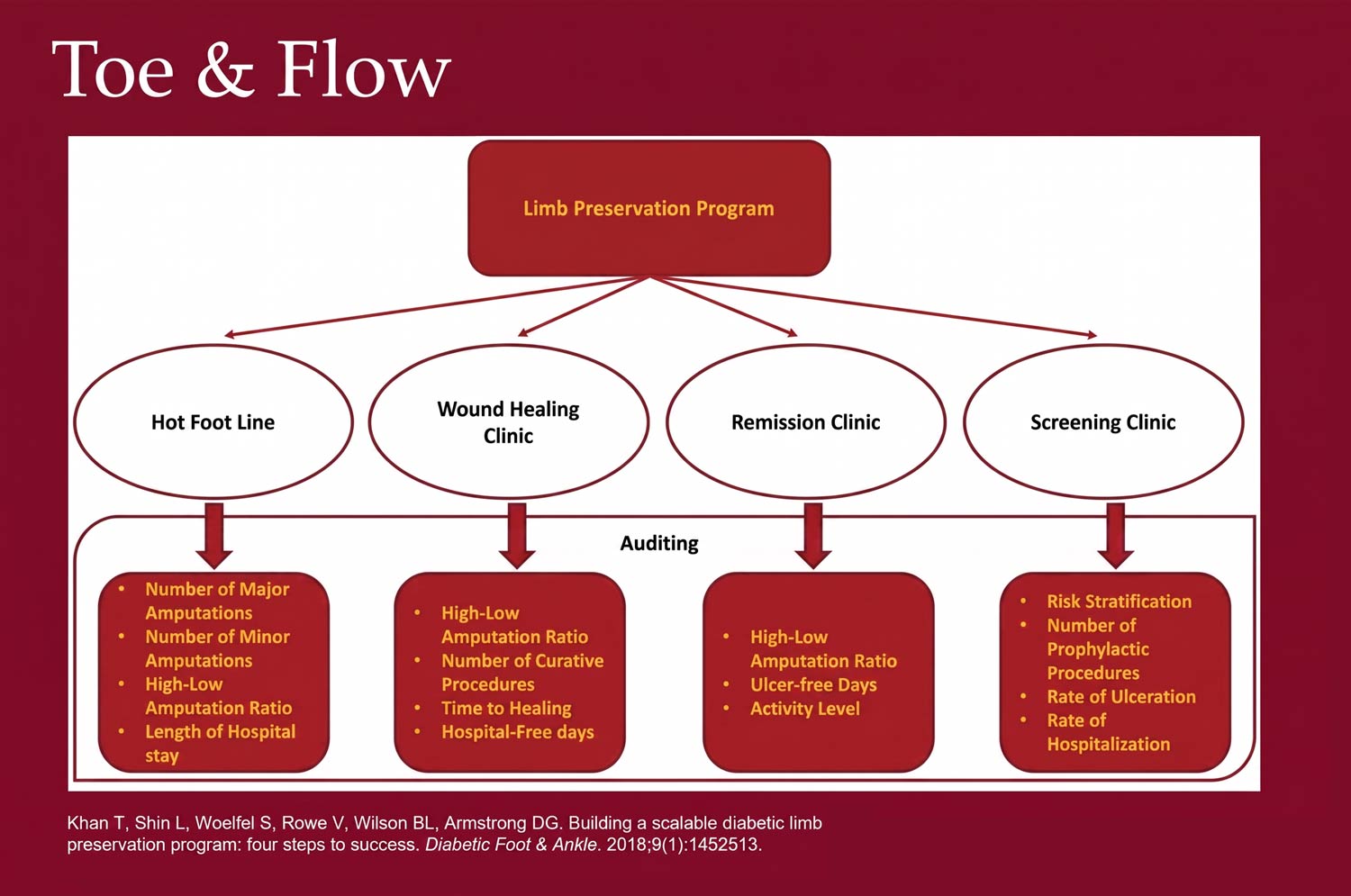
Integrated Care Pathways: The “Toe and Flow” Model
To prevent amputations, healthcare systems must move away from clinical silos. The limb preservation program at University of Southern California emphasizes a multidisciplinary approach:
- The “Hot Foot Line”: An acute care pathway is designed to fast-track patients with urgent infections or ulcerations from emergency rooms and primary care offices to specialists.
- Limb Preservation Centers: Integrated teams involving podiatric surgeons (the “Toe”) and vascular surgeons (the “Flow”), work alongside physical therapists, orthotists, and nutritionists.
- Remission Clinics: Once a wound is healed, patients enter a “remission” phase rather than being discharged. This involves continuous surveillance to prevent recurrence, as diabetic wounds are prone to return.
- Socioeconomic Integration: Effective care plans must account for a patient’s home environment, transportation access, and ability to offload based on their job or living situation.
The transition toward AI-assisted risk stratification represents a vital evolution in diabetic care. By empowering patients with self-management tools like smartwatches and sensors, and by providing clinicians with machine-learning-driven diagnostic data, the medical community can move toward a personalized care plan model. The ultimate goal is to identify risks in the pre-ulceration phase, thereby reducing the astronomical human and financial costs associated with diabetic foot complications.
Laura Shin, DPM, PhD, is a reconstructive surgeon and physician-scientist who specializes in podiatry, including foot and ankle deformities, Charcot neuroarthropathy, limb salvage, wound care and diabetic feet and ankles.
Her interest in stem cell biology and the potential for using stem cells to repair diabetic wounds, along with her passion for patient care, led her to pursue a dual PhD and DPM degree. In her clinical and research pursuits, Dr. Shin is dedicated to preserving and restoring mobility, which she believes is crucial to quality of life. She has a special interest in patients with diabetes and other high-risk conditions.
Her research focuses on stem cell regeneration and the body’s capacity for healing. In particular, she is examining tissue and stem cell repair in older adults, people with diabetes, and people whose immune systems are compromised. Away from Keck Medicine of USC, Dr. Shin loves spending time with her family, including her two children, sharing a taste for travel and exploring the outdoors. She also plays tennis and enjoys photography and reading.
This article is a summary of Dr. Shin’s presentation, “AI-Assisted Risk Stratification: Identifying High-Risk Patients Before Problems Start”, from the Diabetes Technology and Prevention Summit November 15, 2025. To view the full presentation with questions and answers—and see the agenda for the program, visit https://diabetestech.lerexpo.com/. Continuing education credits are available for this and many of the lerEXPO programs.