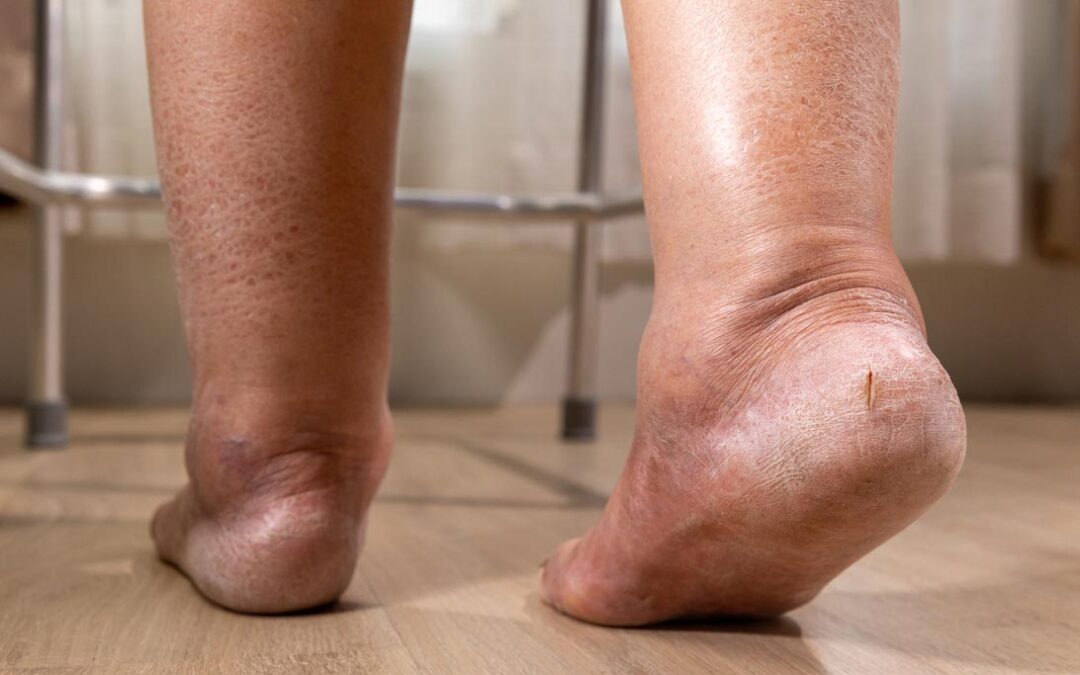








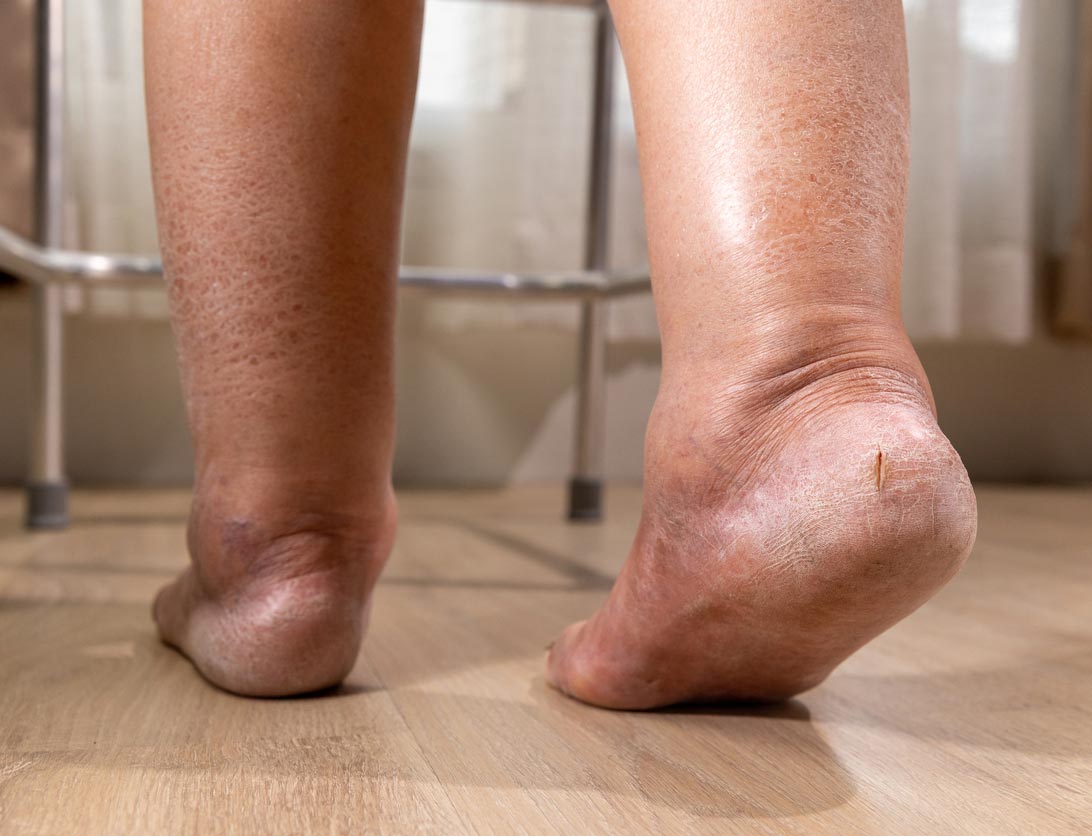
 Diabetic peripheral neuropathy (DPN) is a common complication in both Type 1 and 2 diabetes, affecting both large and small nerve fibers, most commonly in the feet and hands. While drug therapies and their multiple side effects have been the traditional response, electrical stimulation (e-stim) has been showing promise and is frequently advertised on the Internet. It is a noninvasive therapeutic modality that has few side effects and contraindications and no known drug interactions.
A limited number of clinical studies have investigated the use of e-stim for DPN symptoms. Many have used transcutaneous electrical stimulation (TENS), which employs lower frequencies and alternating currents (ACs), and have seen some effectiveness for pain associated with neuropathy but have limited impact on other symptoms. In contrast, clinical studies have found that direct current (DC) neuromuscular e-stim at higher frequencies is significantly more effective than TENS at ameliorating symptoms like motor function and numbness. In addition, the process of activating denervated muscles necessitates a longer duration of electrical pulses, which can be achieved using DC but not AC.
Historically, DC has been less useful in the clinical setting, as the continuous unidirectional flow of ions leads to a buildup of charge that can cause skin irritation and burns. Recent advances in DC technology have addressed this issue, allowing for the safe use of DC in clinical applications. One such device is the Neubie [Neurological Fitness Equipment and Education LLC [NeuFit]). Most commercially available DC devices address charge buildup by using very short pulse widths (5–200 ms) at high voltage. However, a longer pulse width has been found to be more effective for clinical application. To this point, the Neubie counters and eliminates the issue of irritation and pulse width with an additional carrier waveform that dissipates charge buildup, allowing for the safe use of a longer pulse width (460 ms).
This randomized controlled trial sought to evaluate and compare the effectiveness of treatments with two different electrical stimulation (e-stim) devices—pulsed direct current (DC) (Neubie) and alternating current (AC) (transcutaneous electrical stimulation [TENS])—in the treatment of symptoms for patients with diabetic peripheral neuropathy (DPN).
One hundred fifty participants were recruited from 13 Hands-On Diagnostics–affiliated sites across several US locations. Participants were randomly divided into 2 groups for comparison—Neubie and TENS. Participants received a 30-min foot stimulation protocol with either TENS unit electrodes or Neubie electrodes. Outcome measures included the Toronto Clinical Neuropathy Score (TCNS), 2-point discrimination, visual analogue scale (VAS), vibration sense (VBS), nerve conduction velocity (NCV), and nerve amplitude. The effect of the 2 variables on all outcome measures was determined using an analysis of covariance (ANCOVA).
The Neubie group demonstrated statistically significant improvements in TCNS for both right and left sides (P < 0.001), 2-point discrimination of the dominant foot (P = 0.001), VBS (P = 0.022) and VAS scores (P = 0.009), and some but not all nerves tested by NCV (P < 0.05).
Overall, DPN treatment with the Neubie resulted in significant improvements in several major outcome measures, whereas TENS showed no significant difference in any outcome measure. These findings support the use of DC devices as a potentially superior therapeutic treatment for neuropathy over AC devices like the TENS unit.
Source: Kostopoulos D, Rizopoulos K, McGilvrey J, et al. An open-label comparative study of the impact of two types of electrical stimulation (Direct Current Neuromuscular Electrical Stimulation and Transcutaneous Electrical Stimulation) on physical therapy treatment of diabetic peripheral neuropathy. J Diabetes Res. 2025;2025:9970124. doi: 10.1155/jdr/9970124. Use is per the International Creative Commons License CC BY 4.0.