
Cover Story
When Long COVID Walks into the Office: Recognizing Foot and Ankle Manifestations
A Patient walks into the office with generalized foot pain. Taking a history, you learn the patient has fatigue, or myalgias in other muscles, or feels weak all the time. What are the usual diagnoses? Long COVID has changed how I approach foot and ankle pain in these patients. I no longer believe we can safely evaluate lower-extremity symptoms without at least considering its potential role.
Mikel D. Daniels, DPM, MBA, President and
Chief Medical Officer, WeTreatFeet Podiatry
Advertisement

lerEXPO Upcoming Events
Feature Articles
The Middle Ground: Minimally Invasive Procedures Redefine Lower Extremity Care
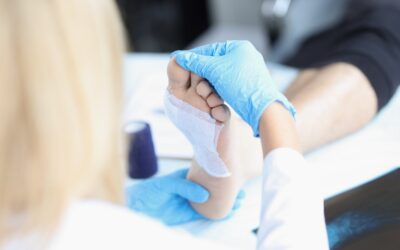
Many patients with chronic foot and ankle conditions face treatment decisions that often fall into a frustrating gray area. Conservative therapies such as orthotics, physical therapy and injections may no longer provide relief, yet the prospect of surgery and its associated downtime can feel premature or undesirable. In response, clinicians are increasingly turning to minimally invasive procedures that offer…
By Keith Loria

The Modern Clinical Practice Keeps Asking for More
In healthcare, one pattern has become hard to ignore. Every time the system identifies a problem, the default solution is to add another task, another field, another attestation, another screen, and another layer of proof for the physician to produce. In podiatry, that pattern is especially visible because so much of what should be straightforward diabetic foot prevention has been converted into a…
By Mikel D. Daniels, DPM, MBA, President and Chief Medical Officer, WeTreatFeet Podiatry
lerEXPO Highlights: Clinical Protocol for Revision Digital Surgery and Forefoot Salvage
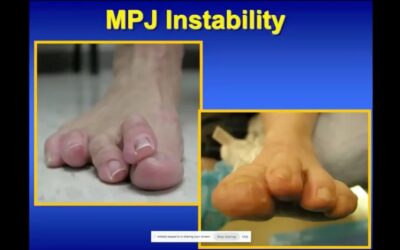
In the demanding arena of revision digital surgery, success is predicated on a strict “Proximal-to-Distal” hierarchy. The primary driver of surgical failure in this discipline is the isolated digital approach–addressing the toe as a localized deformity without considering the global biomechanical forces acting upon it. Long-term stability requires the neutralization of these forces through a systematic stabilization of the forefoot foundation.
By Tom Chang, DPM

The Western Foot and Ankle Conference Highlights
The California Podiatric Medical Association’s 2026 Western Foot and Ankle Conference drew nearly 900 podiatric physicians, residents, students, medical assistants, exhibitors, and industry partners to Anaheim, California, June 25–28. The annual meeting featured 65 educational sessions focused on evidence-based, clinically applicable topics, including biomechanics, surgery, wound care, sports medicine, pediatrics, dermatology, pain management, trauma, infection management, and limb salvage.

Clinical Case Review: Complications and Failure Modes in MIS Hallux Arthrodesis
The strategic transition from open to minimally invasive surgery (MIS) for hallux metatarsophalangeal (MTP) arthrodesis represents a significant shift in delivery, yet the biomechanical mandate remains unchanged. Correction mechanisms in the forefoot are fundamentally grounded in soft-tissue dynamics. Regardless of the surgical approach, the realignment of the hallux is predicated on the appropriate tensioning and pull of the surrounding structures.
By Amiethab Aiyer, MD
Functional Resistance Training for the Leg, Foot, and Ankle
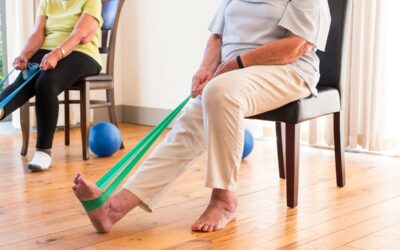
I often classify exercise as what I teach clients/patients to do to improve impairment at the body structure function level often targeting joint range of motion and muscle strength. Gains in joint flexibility and muscle strength through isometric, concentric or eccentric force generation is based on the position of the body part in open or closed chain and whether resistance is placed close to or far from the joint and or muscle insertion or origin.
By Dr. Jennifaye V. Brown
Trending Now
Lower Extremity Review
ShortTakes From the Literature
TALAR Score: Using Early Red Flags to Predict the Failure of Conservative Management
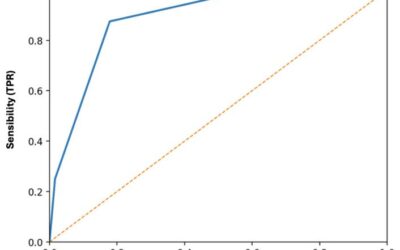
Functional testing after an ankle sprain may help identify patients who later...
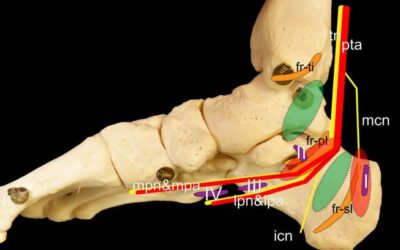
Defining Potential Neurovascular Risk Zones in Superficial Plantar-Medial Release
The superficial plantar-medial release (S-PMR) refers to a group of surgical...

A Complete Tear of Achilles Tendon Caused by a Kite String–A Case Report
Kite flying in India and other Southeast Asian countries is a significant...
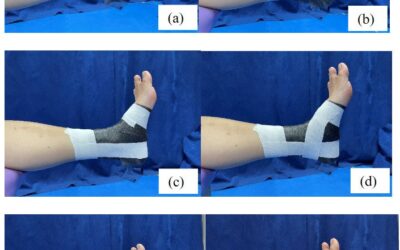
Effects of Taping on Balance in Recreational Athletes with CAI
Chronic ankle instability (CAI) commonly develops after recurrent ankle...
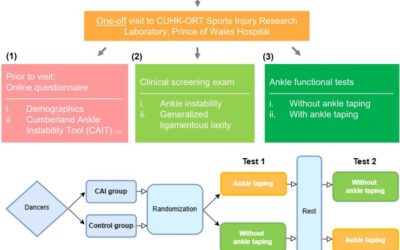
The Effectiveness of Ankle Taping in Dancers With CAI–A Randomized Crossover Study
Lateral ankle sprains and chronic ankle instability (CAI) are common among...
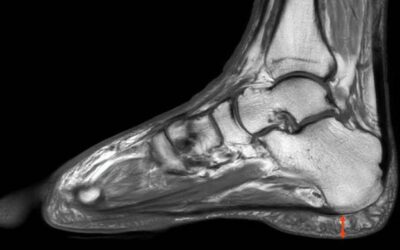
Calcaneal Fat Pad Thickness and Plantar Foot Ulceration in Patients With Type 2 Diabetes
Thinning of fat pads may elevate the risk of developing plantar foot ulcers...

Therapeutic Efficacy of Platelet-Rich Plasma as a Treatment for Plantar Fasciitis
Plantar fasciitis, a common cause of heel pain, affects many individuals. It...

Young Female Soccer Players Face Higher Risk of Injury Due to Gaps in Prevention Training
Lower extremity injuries are common in youth soccer. The Fédération...
A Foot Forward for Optimum Health
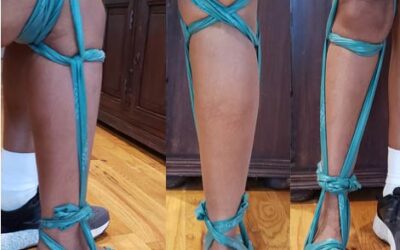
Translating Evidence to Clinical Practice–Implications for Functional Resistance Training for the Leg, Foot, and Ankle
This article is a follow-up to the article titled, “Functional Resistance Training for the Leg, Foot, and Ankle.” The focus is to demonstrate how research can be translated to clinical practice through creative interventions. Functional resistance training has been used to improve outcomes associated with participation in life roles.
By Dr. Jennifaye V. Brown
Industry News & Updates
AI Coach Assists with Exercise Form, Provides Guidance
In hopes of preventing exercise-related injuries and extending the expert...
Smart Patch Monitors Diabetic Ulcers in Real Time
A joint research team from the Korea Advanced Institute of Science and...
Using Light to Detect PAD
A leading cause of limb amputation, peripheral artery disease (PAD) often goes...
Exoskeleton Could Help Stroke Survivors Relearn to Walk
A first-of-its kind study utilizing lower-limb exoskeletons to facilitate...
Emerging Developments in AFOs
A Three Part Series
Carbon composite ankle foot orthoses are reshaping how podiatrists approach bracing. Lighter, lower-profile, and easier to fit into everyday footwear, these devices are moving from specialty use to everyday practice. This three-part series covers what you need to know, which patients benefit most, and how to put carbon composite AFOs to work, backed by clinical case studies.
Advertisement

A Message From the Publisher
Welcome to Lower Extremity Review or LER as we call it. This long awaited magazine fills the lower extremity information gap for practitioners in the fields of Podiatry, Physical Therapy, O&P Pedorthics, and Orthopedics. With over 20 years experience in multi-disciplinary editorial development and publishing, the collaboration of this incredible team has made this publication possible

Rich Dubin
Publisher and Chief Executive Officer
Featured Products
Lower Extremity Review

Opioid-Free Post-Surgery Pain Relief
Pain Care Labs’ VibraCool® is a U.S. Food & Drug Administration–cleared wearable device that uses a proven mechanical stimulation frequency (M-Stim®) to block pain. Soothing heat or intense freeze-solid ice activates the body’s pain-fighting response, giving...

Wound Matrix for Cutaneous Wounds Management
Fibrinet® PRF Wound Matrix is designed for the management of exuding cutaneous wounds, including diabetic and venous ulcers, and mechanically or surgically debrided wounds. This system is designed to harness and concentrate a patient’s own platelets and associated...

Foot Drop Brace
The RehabStride™ AFO foot drop brace was engineered to restore natural gait patterns and optimize the user’s walking experience. It functions not just as a passive support mechanism, but also actively promotes the recovery of dorsiflexion muscle strength, allowing the...

Bamboo Compression Socks
Made from ultra-soft viscose from bamboo, Vix compression socks offer 15–20 mmHg graduated compression—strongest at the ankle, gradually releasing up the calf—in a fabric that’s breathable, moisture-wicking, and gentle enough for even the most sensitive skin. No itch....

Ventilated Toe Caps Reduce Maceration Risk
PediFix is introducing an assortment of ventilated digital devices for protection with better skin health. The firm’s Visco-GEL® line provides pain relief for a variety of foot and toe ailments with a proprietary, U.S.-made gel that cushions, protects, and hydrates...

Sneaker Built Around a Custom Orthotic
The Surefoot footwear collection was engineered entirely around a patient’s custom orthotic. Powered by Amfit® full-contact foot-scanning technology, the collection represents a fundamental shift in how supportive footwear is designed, prescribed, and worn. The result...

Fungal Nail Renewal
Kerasal® Advanced Clear & Defend Fungal Nail Renewal is a new formula designed to instantly transform the look of damaged nails while helping protect against future surface damage. This beauty-forward approach fits seamlessly into today’s nail care routines and is...

Patient-Specific 3D-Printed Foot and Ankle Fixation Plates
MedCAD’s AccuStride fixation plates–with U.S. Food & Drug Administration (FDA) 510(k) clearance–is part of a patient-specific solution available to surgeons as a complete foot and ankle (F&A) system. The AccuStride implant and surgical guide system coupled...

Knee Brace with Stability, Guidance System
The Dr. Flexa knee brace is built around AxisControl™ stabilizers, tri-weave neoprene, an open-patella cutout, and a silicone interior grip system. AxisControl is the brand’s proprietary lateral stabilizer system, integrated into the brace structure. It is designed to...
Advertisement
