The American Academy of Orthopaedic Surgeons(AAOS) issued an updated Clinical Practice Guideline (CPG) for the Prevention of Total Hip and Knee Arthroplasty Periprosthetic Joint Infection (PJI) in Patients Undergoing Dental Procedures, which replaces the previous guideline from 2012. The CPG supports patients who are scheduled for or have…

Lower Extremity Review
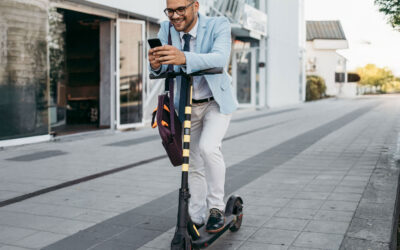
Cell Phone-Related Lower Extremity Injuries While In or On a Motor Vehicle
Background: In 2023, 97% of United States (US) adults reported that they owned a cell phone. Use of cell phones while driving may result in crashes and injuries. This study characterized cell phone-related lower extremity injuries while in or on a motor vehicle that were treated at US hospital emergency departments (EDs).
By Mathias B. Forrester, BS
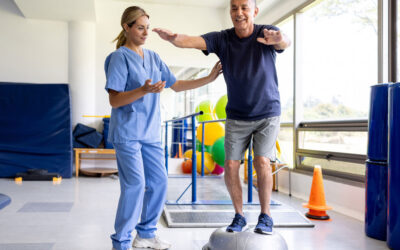
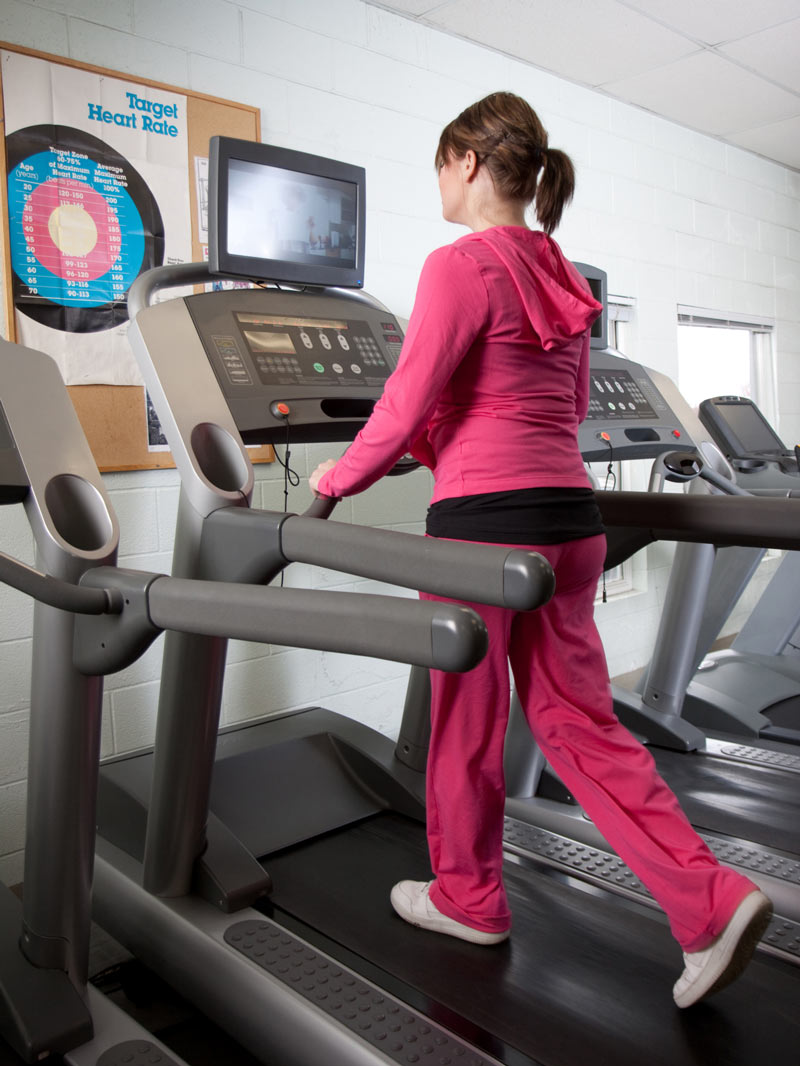
Training on Unstable Surfaces Improves Balance Ability in Older Adults
Posterior malleolus fractures have been associated with ankle instability because the ligament pull that follows such fractures can lead to movement of the fracture fragment and consequently disrupt the weight-bearing surface’s integrity. Falls are a multifactorial phenomenon and a cause of increasing rates of mortality and morbidity in older adults, and are significant contributors to disability or early institutionalization.
By Alex Rizzato, Matteo Bozzato, Luca Rotundo, Giuseppe Zullo, Giuseppe De Vito, Antonio Paoli, and Giuseppe Marcolin
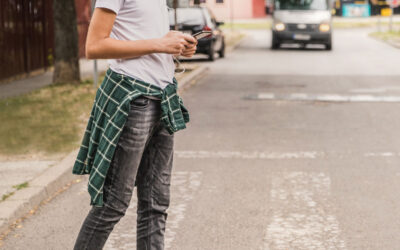
Cell Phone-Related Lower Extremity Injuries While Walking
Background: Ninety-seven percent of people in the United States (US) own a cell phone. Consequently, millions of people are at risk of cell phone-related injury, including when using or carrying a cell phone while walking. This study described cell phone-related lower extremity injuries while walking that were treated at US hospital emergency departments (EDs).
By Mathias B. Forrester, BS
Your Video Telehealth Patients Are Watching…And Making Judgements
These study findings suggest you can improve patient trust and satisfaction with telehealth visits by minding your video background. The COVID-19 pandemic prompted rapid adoption of telemedicine. Most physicians had no training on effective webside manner, including their physical environment.
By Nathan Houchens, MD; Sanjay Saint,MD, MPH; Latoya Kuhn, MPH; David Ratz, MS; Jason M. Engle, MPH; Jennifer Meddings, MD, MSc
Clinical Perspective: Posture and Autism: Sitting. Standing, and Toe-Walking Behavior
The other day, Anka (not her real name), a 19-year-old woman with Autism Spectrum Disorder (ASD) came to our clinic for her regular follow-up visit. While she walked independently, she exhibited severe Toe-Walking Behavior (TWB). She was accompanied by her father and an…
By Dalia Zwick PT, PhD
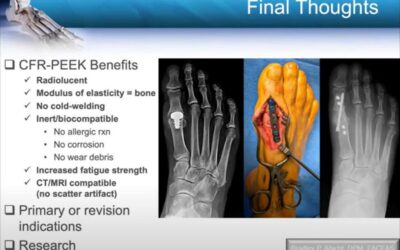
LEREXPO Conversations: Emerging Radiolucent Technologies and Bone Grafting Techniques
Radiolucent technologies are gaining traction in foot and ankle surgeries due to their significant benefits over traditional methods. These innovations, particularly the use of carbon fiber reinforced polyetheretherketone (PEEK), are revolutionizing how surgeries are performed, offering clearer imaging and…
By Brad Abicht, DPM, FACFAS
Physical Characteristics Inducing Sever’s Disease in Junior Gymnasts
Sever’s disease can be painful and limit young athletes in competitive endeavors. These authors sought to find physical characteristics that could identify those at risk. Sever’s disease, also known as calcaneal apophysitis, is an inflammation of the growth plate in the heels of growing children, typically adolescents.
By Kazuaki Kinoshita, Yuichi Hoshino, Naoko Yokota, Masayuki Fukuda, Mika Hirata, and Yuichiro Nishizawa
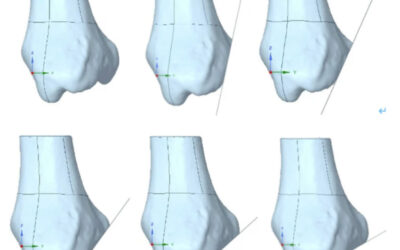
Analysis of Ankle Instability and Posterior Malleolus Fractures
Posterior malleolus fractures have been associated with ankle instability because the ligament pull that follows such fractures can lead to movement of the fracture fragment and consequently disrupt the weight-bearing surface’s integrity. Posterior malleolus fractures have a reported prevalence spanning 10% to 44% of all ankle fractures and are known to be associated with ankle instability and a heightened development of complications like traumatic arthritis.
By Jichong Ying, Jianlei Liu, Hua Wang, Yunqiang Zhuang, Tianming Yu, Shuaiyi Wang, and Dichao Huang
Can Biofeedback Improve Biomechanical Factors Associated with CAI?
Restoring correct ankle biomechanics is essential for maintaining long-term joint health of the ankle in patients with chronic ankle instability. Lateral ankle sprain (LAS) is 1 of the most common musculoskeletal injuries in athletes and the general public. Incomplete recovery and inadequate restoring of function due to lack of appropriate rehabilitation can lead to chronic ankle instability (CAI). Loss of passive ligamentous stability and deficits in neuromuscular control and…
By Seyed Hamed Mousavi, Fateme Khorramroo, Hooman Minoonejad, and Johannes Zwerver
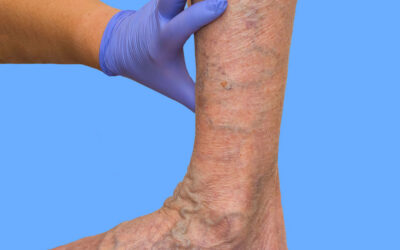
Varicose Veins of the Lower Extremities: A Primer Part II
Varicose veins affect nearly one third of the adult population and are considered early warnings of the more serious chronic venous insufficiency. Early recognition and prevention are key to suppressing potential life-threatening damage and maintaining patient quality of life. Varicose veins (VVs)—those bulging, twisted blood vessels typically seen on the legs—are more than an esthetic issue. They can be painful and affect patients’ quality of life; left untreated, they can lead to life-threatening chronic venous insufficiency and venous ulcers and warrant a clinician’s attention.
By Angela Kelley, PA-C, MSM
Shopping Cart-Related Lower Extremity Injuries Treated at United States Hospital Emergency Departments
Tens of thousands of shopping cart-related injuries are treated at United States (US) hospital emergency departments (EDs) each year. This study described shopping cart-related lower extremity injuries treated at US hospital EDs. Methods: An analysis was performed of shopping cart-related lower extremity injuries reported to the National Electronic Injury Surveillance System during 2000-2023.
By Mathias B. Forrester, BS
Varicose Veins of the Lower Extremities: A Primer Part I
Varicose veins (VVs)—those bulging, twisted blood vessels typically seen on the legs—are more than an esthetic issue. They can be painful and affect patients’ quality of life; left untreated, they can lead to life-threatening chronic venous insufficiency and venous ulcers. And when seen or mentioned, will always warrant a clinician’s attention.
By Angela Kelley, PA-C, MSM
Comparing Aquatic-based and Land-based Exercises for Balance
Aquatic-based exercises are used as an alternative to land-based exercises for older adults who have lower levels of physical activity or neuromuscular disorders that impact their balance function. Balance plays a crucial role in the daily activities of older adults. Aquatic-based exercises (AE) are widely conducted as an alternative to…
By Ying Deng, Zheng Tang, Zhengting Yang, Qi Chai, Wenting Lu, Yunshi Cai, Yiting Luo, and Yongzhao Zhou
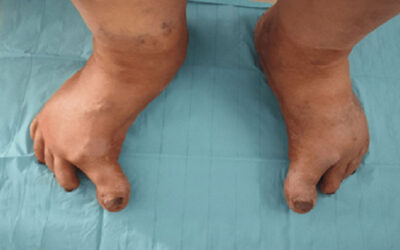
A Case Report: Hypertonia of the Big Toe Revealing Parkinson’s Disease
Despite being less commonly discussed than other motor symptoms, such as tremors and bradykinesia, hypertonia of the hallux holds diagnostic and prognostic significance in Parkinson’s disease (PD). This motor anomaly is dissected within the context of the broader clinical spectrum of PD symptoms…
By Houssam Mahla, Abdelilah Rhoul, Mohammed Gartit, Souhail Yachaoui, Ahmed Amine EL Oumri
Join
Subscribe For Updates
Stay in the loop with the latest news and updates! Subscribe now to receive exclusive content, special offers, and important announcements straight to your inbox. Don’t miss out – join our community today for all the latest updates delivered directly to you.