







By Ying Deng, Zheng Tang, Zhengting Yang, Qi Chai, Wenting Lu, Yunshi Cai, Yiting Luo, and Yongzhao Zhou
Aquatic-based exercises are used as an alternative to land-based exercises for older adults who have lower levels of physical activity or neuromuscular disorders that impact their balance function.
 Balance plays a crucial role in the daily activities of older adults. Aquatic-based exercises (AE) are widely conducted as an alternative to land-based exercises (LE) for older adults who have lower levels of physical activity or neuromuscular disorders that impact their balance function. Previous studies have compared AE and LE as effective ways to improve balance and have yielded inconsistent results. Therefore, this review aimed to compare the effects of AE and LE on balance function in older adults.
Methods
Electronic databases, including PubMed, Web of Science, Scopus, and Embase, were searched. Randomized controlled trials published from January 2003 to June 2023 were included following predetermined criteria. Data extraction was carried out by 2 independent reviewers. Data synthesis was conducted using RevMan 5.3 software. The fixed-effect model or random-effect model was chosen based on the results of the heterogeneity test. Meta-analysis for the effect sizes of balance outcomes was calculated as standardized mean difference (SMD) with 95% confidence intervals (CI). The quality of the included studies was evaluated using the Physiotherapy Evidence Database (PEDro) scale.
Results
A total of 29 studies involving 1,486 older adults (average age of 66.2 years) were included. Among them, 6 studies included healthy subjects, 9 studies included patients with musculoskeletal disorders, 5 studies included patients with Parkinson’s disease, 2 studies included patients with stroke, 3 studies included patients with chronic obstructive pulmonary disease (COPD), 2 studies included patients with heart failure (HF), 1 study included coronavirus disease 2019 (COVID-19) patients, and 1 study included sedentary lifestyle subjects.
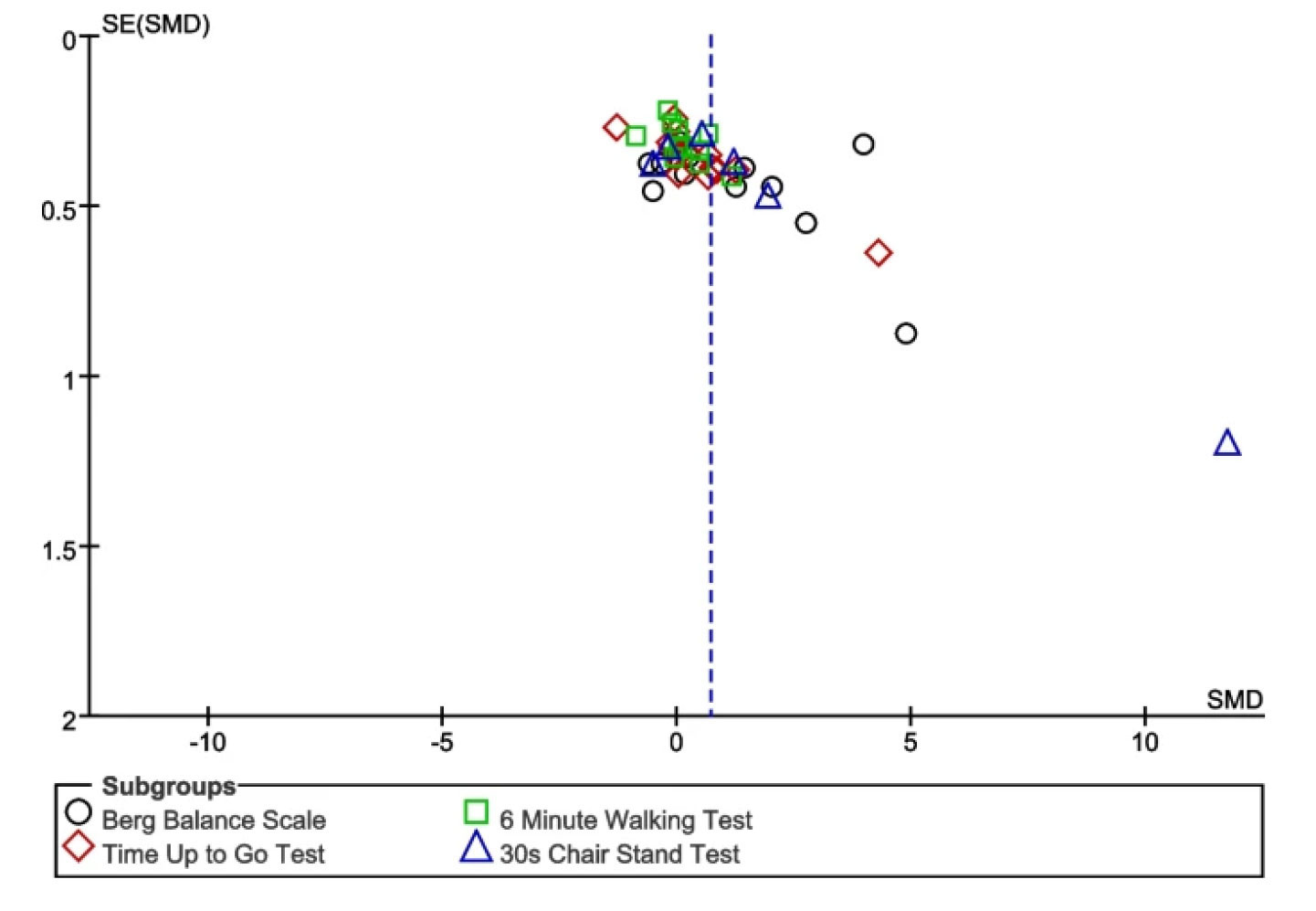
Figure 1: Funnel plot for all the meta-analyses
Meta-analysis results indicated that AE could improve balance ability based on 2 tests: the Berg Balance Scale (BBS) and the 30-second chair stand test (30 CST). However, there were no significant differences between the AE group and the LE group in terms of the 6-minute walking test (6 MWT) and the Timed Up and Go (TUG) test
Thirteen studies assessed the effects of resistance training on the BBS. Data were extracted for 476 participants (AE group, n = 242; LE group, n = 234). Compared with the LE group, there was a significant increase in BBS in the AE group (SMD = 1.13, 95% CI 0.25 to 2.00, P = 0.01, I2 = 94%).
Eleven studies assessed the effects of resistance training on the 6-minute walk test (6 MWT). Data were extracted for 494 participants (AE group, n = 259; LE group, n = 235). The results indicated that there was no significant difference between the AE group and the LE group on the 6MWT (SMD = 0.13, 95% CI -0.16 to 0.43, P = 0.38, I2 = 62%).
Fourteen studies assessed the effects of resistance training on the Timed Up and Go (TUG) test. Data were extracted for 532 participants (AE group, n = 272; LE group, n = 260). The results indicated that there was no significant difference between the AE group and LE group on the TUG test (SMD = 0.44, 95% CI -0.04 to 0.91, P = 0.07, I2 = 85%).
Six studies assessed the effects of resistance training on 30-second chair stand test (30 CST). Data were extracted for 248 participants (AE group, n = 141; LE group, n = 107). Compared with the LE group, there was a significant increase in 30 CST in the AE group (SMD = 2.02, 95% CI 0.50 to 3.54, P = 0.009, I2 = 96%). See Figure 1.
Older adults with different health conditions have different gains in different balance measurements after AE intervention and LE intervention.
Publication bias can be visually displayed using funnel plots, which allow for the examination of small study effects and the assessment of funnel plot asymmetry through statistical testing. In the absence of publication bias, the funnel plot should exhibit a symmetrical shape, with smaller studies scattered widely at the bottom and larger studies more tightly spread. (Figure 1)
Discussion
With the increase of age and the influence of various chronic diseases, the physical function of older adults decreases significantly. Older adults’ ability to accurately control body movements is limited due to the reduced central nervous system’s ability to process information and significant degenerative changes in skeletal muscles, which ultimately leads to weakened balance ability. Balance plays a crucial role in the daily activities of older adults. The purpose of this meta-analysis was to compare the impact of AE and LE on balance in older adults. The results of our study indicated that AE had a more significant improvement in balance than LE. However, because the health status of the old individuals in the included studies varied, these results must be interpreted with caution.
Balance, coordination, and agility are often used to evaluate physical activity. Balance dysfunction can lead to an increased risk of falls among older adults, subsequently raising mortality and disability rates. A system review revealed that exercise can prevent falls in community-dwelling older people, and exercise programs that challenge balance and are of a higher dose have larger effects. Youngwook et al found that both AE and LE intervention demonstrated similar effects on dynamic balance in individuals age 65 years or older, and offered evidence supporting the use of AE as a viable substitute for LE in enhancing dynamic balance and potentially mitigating the risk of falls. Moreira et al demonstrated that compared to the LE intervention, AE intervention can be used as a preventive approach for the older adults at risk of falling, to enhance proprioception and increase awareness of fall risk. Patients with Parkinson’s disease and stroke have obvious gait problems. When patients walk train in the water, the standing phase of the lower limbs of the affected side is prolonged due to the support of buoyancy, and the lower limbs of the unaffected side can relatively fully hip flexion, step, and buoyancy can reduce the difficulty of the lower limbs of the affected side in stride hip flexion, and improve gait symmetry. Veldema et al demonstrated that compared with LE interventions, AE showed superior effects in balance, walking, muscular strength, and cardiorespiratory fitness in patients with stroke.
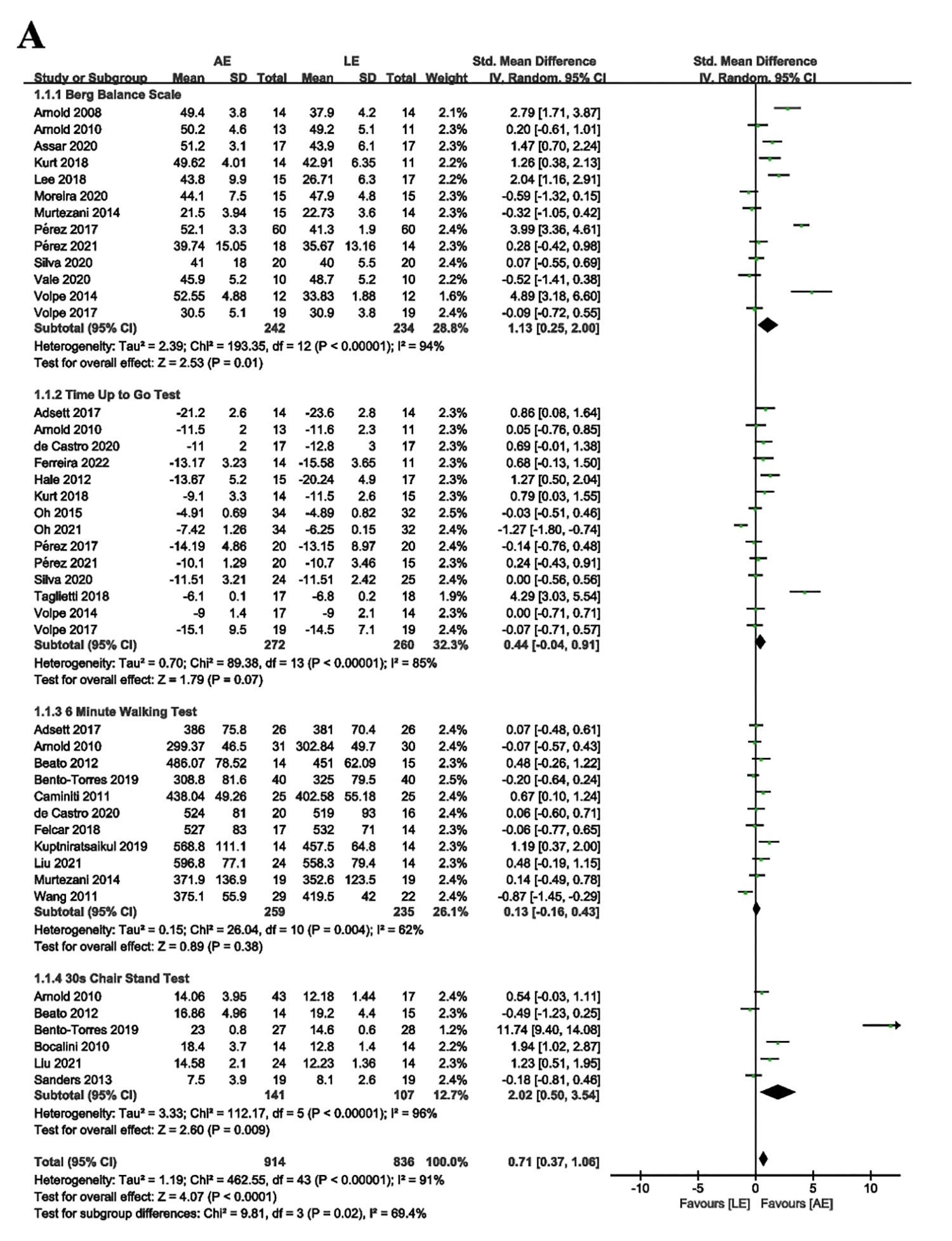
Figure 2. Meta-analysis of the aquatic-based exercise (AE) versus the land-based exercise (LE) on balance performance. CI: confidence interval; SD: standard deviation
In this study, BBS, 6 MWT, 30 CST, and TUG test are mainly used as indicators to evaluate balance ability. However, the subgroup analysis of this study found that compared to the LE group, AE can only improve BBS in patients with nervous system diseases. AE may offer a more suitable exercise option for older individuals with health conditions compared to LE. Bartels et al indicated that AE has clinically relevant effects on patient-reported pain and disability in people with knee osteoarthritis and hip osteoarthritis compared to no intervention. However, the subgroup analysis in this study results revealed that AE only significantly improved BBS in patients with musculoskeletal disorders, and there was significant heterogeneity. This may be associated with musculoskeletal disorders that predispose to pain, thereby affecting dynamic balance function test results (ie, TUG test, 6 MWT, and 30 CST). The tests mentioned, namely BBS, are commonly used to evaluate balance ability. However, it is important to note that no single test can comprehensively assess all aspects of balance function. They may not fully capture all dimensions of balance function, such as anticipatory postural adjustments, reactive postural control, or balance during complex tasks. Additionally, individual factors, such as fear of falling or cognitive impairments, can influence test outcomes. Therefore, a comprehensive assessment of balance function may require a combination of different tests, clinical judgment, and consideration of individual factors.
A recent review indicated that AE is an effective physical intervention to enhance physical fitness in healthy adults and adults with chronic diseases. Comparison of balance challenges encountered in AE and LE revealed that LE may focus on static balance exercises, such as standing on 1 foot, whereas AE may involve dynamic movements, such as walking in water currents or maintaining stability on unstable surfaces, such as aquatic platforms. It was emphasized how the sensory feedback and proprioceptive demands differ between the 2 modalities, with the AE requiring adaptation to the unique stimuli of the aquatic environment. In the same way, the results of this study found that compared to the LE group, AE had more effects in improving balance ability in older adults with various health conditions. Further, the results of the present study indicated that AE could improve balance ability based on the BBS and the 30 CST. However, there were no significant differences between the AE group and the LE group in terms of the 6 MWT and TUG test. This heterogeneity may be caused by different populations. Subgroup analysis results of this study also found that compared to the LE group, the effects of the AE group on the improvement of balance function in patients with cardiopulmonary diseases was significant, and the heterogeneity was acceptable. The reason for the improved physical function in a water environment may be that the shift in the center of gravity induces more controlled movement and contributes to balance control during the task.
As individuals age, their balance and stability naturally decline due to factors such as decreased muscle strength and coordination. By incorporating exercises that offer a higher challenge, such as those performed on unstable surfaces or with dynamic movements, older adults can improve their balance and stability more effectively. By progressively increasing the challenge level of AE exercises, older adults can continue to make gains in their balance and prevent stagnation. Regularly exposing the body to new and more difficult balance demands helps to promote adaptation, strengthen muscles, and enhance the body’s ability to maintain balance in various real-life situations. Older adults often have age-related conditions or disabilities that further compromise their balance. These may include conditions like osteoarthritis, Parkinson’s disease, or stroke.
Providing a higher balance challenge through AE exercises can help stimulate the neuromuscular system, enhance the awareness of body position in space, and improve overall balance control, which is particularly beneficial for individuals with compromised balance abilities. However, it’s critical to determine if these benefits transfer to LE training. Factors like task specificity, environmental similarities, and individual characteristics influence transfer effects. If AE exercises resemble dry land balance testing, transfer effects are likely. The importance of applying the principle of specificity to interventions aimed at improving balance ability was emphasized by Grabiner et al. Kim et al found that specific types of balance exercises had limited transfer effects to untrained balance tasks, and that even when these minimal training effects were maintained for several months, the intensity and specificity of the training was properly chosen, despite the relatively small total volume. Further research needs to consider the factors such as specificity, volume, and intensity of the training to maximize the time-effective transfer to real-world scenarios.
Conclusion
Although this study was influenced by participant health status, transfer effects, sample size, and other factors, AE offers better benefits than LE for improving balance function in older adults.

Study authors Ying Deng, Zheng Tang, Zhengting Yang, Qi Chai, Wenting Lu, Yunshi Cai, Yiting Luo, and Yongzhao Zhou are all affiliated with Sichuan University, West China Hospital, Chengdu, Sichuan, China.
This article has been excerpted from “Comparing the effects of aquatic-based exercise and land-based exercise on balance in older adults: a systematic review and meta-analysis.” Eur Rev Aging Phys Act 21, 13 (2024). https://doi.org/10.1186/s11556-024-00349-4. Editing has occurred, including the renumbering or removal of tables and figures, and references have been removed for brevity. Use is per CC Attribution 4.0 International License.