May 2025
Click on image to download the issue in PDF format
Cover Story
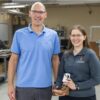
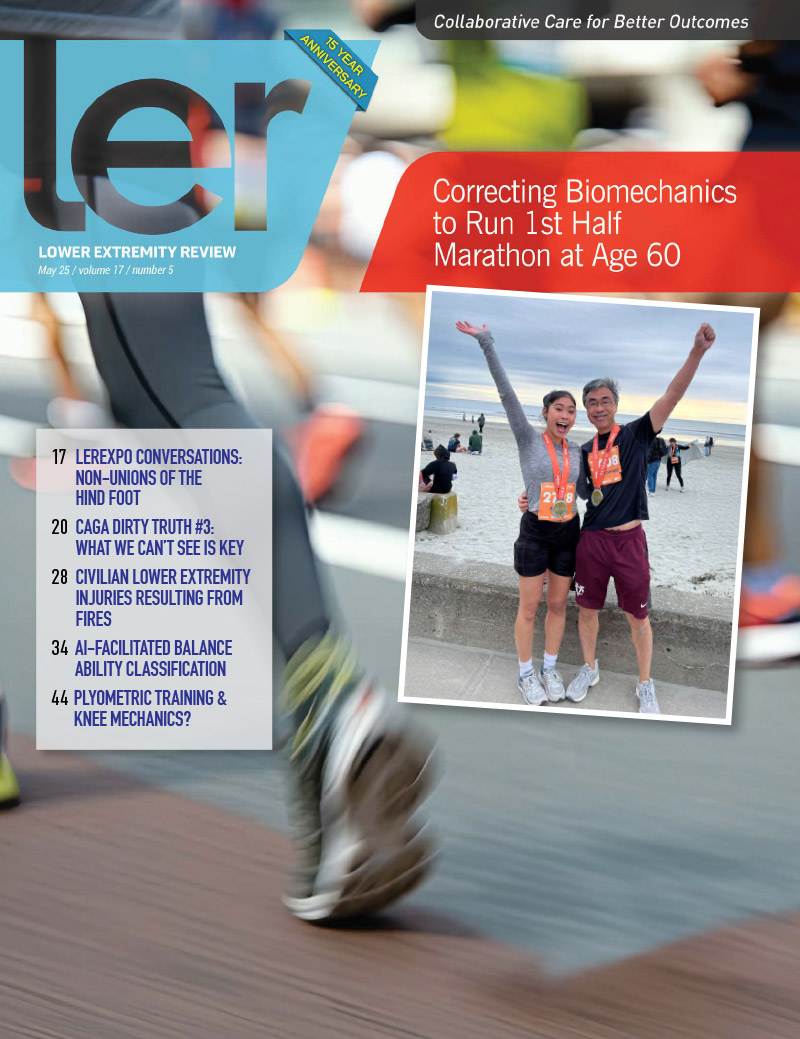
With a focus on muscle activation, range of motion, and neuromotor training, this 60-year-old went from not being a runner to a half marathon in just a few months. I have never been a runner. The furthest I had ever run was the 7.5-mile Bay to Breakers race across San Francisco, 40 years ago while in college. A few years ago, I started running 1 mile per week to maintain my health for my family, my fitness, and for myself.
By Christopher K. Wong, PT, PhD
Features
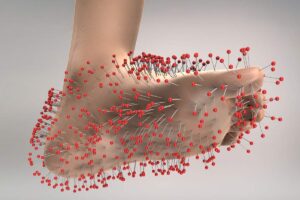
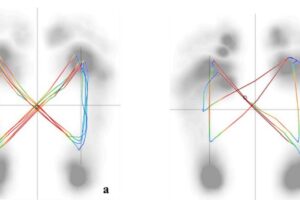
Dirty Truth #3: What We Can’t See Is Key. In the last 2 installments, we talked about our problematic foot anatomy and what happens to the structure during weight bearing and activity. Much like how a mousetrap precisely captures its target, analyzed computer-aided gait analysis (CAGA) reports accurately “mousetrap” and track the unseeable, providing valuable insights and objective data.
By Jay Segel, DPM; Sally Crawford, MS
Background: In 2023, an estimated 13,350 civilian fire injuries were reported in the United States (US). The objective of this study was to characterize civilian lower extremity injuries resulting from fires in the US. Methods: Data were obtained from the National Fire Incident Reporting System (NFIRS), which collects information on incidents to which fire departments respond in the US. Cases were civilian lower extremity injuries resulting from fires reported to NFIRS during 2014-2023. The distribution of cases was determined for patient characteristics, type of injury, and circumstances of injury.
By Mathias B. Forrester, BS
Using computerized posturographic parameters provides a highly quantitative and objective measure without ceiling or floor effect as a classifier or predictor of falls. The balance control problem is one of the major contributing factors to falls and may change with aging, medication, or acute illness. Computerized posturography obtained in standing conditions has been applied to classify fall risk for older adults or disease groups.
By Huey-Wen Liang, Rasoul Ameri, Shahab Band, Hsin-Shui Chen, Sung-Yu Ho, Bilal Zaidan, Kai-Chieh Chang, and Arthur Chang
ShortTakes From the Literature
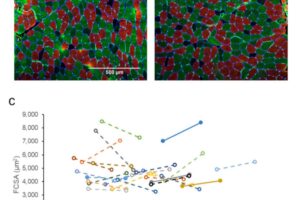
Both longitudinal and cross-sectional studies have demonstrated that muscle mass, strength and power are lost with ageing. Although longitudinal studies have shown changes in muscle morphology and function in sedentary, healthy active, and endurance-trained older people, less is known about such age-related changes in sprint athletes. It has been proposed that active older people may...
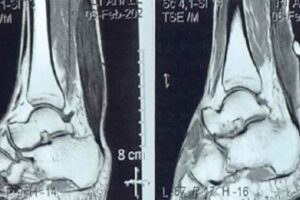
Xanthomatosis is an atypical pseudotumor of connective tissue characterized by the accumulation of lipid-laden histiocytes, often manifesting as encapsulated yellowish masses. It is commonly associated with familial hypercholesterolemia (FH). This case report aims to present a rare instance of bilateral xanthomatosis affecting the Achilles tendons in a 42-year-old male, which...
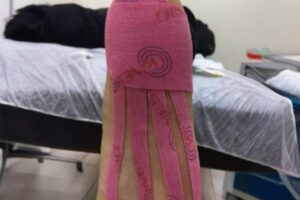
Radial extracorporeal shock wave therapy (r-ESWT) is accepted as one of the most effective treatment modalities for plantar fasciitis (PF). Also, kinesio taping (KT) application is effective for the treatment of PF. However, there is not enough evidence about the effectiveness of the combination of these 2 modalities in the treatment of PF.
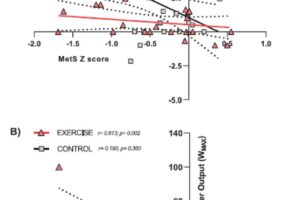
Metabolic syndrome (MetS) is a set of 5 cardiometabolic risk factors including obesity and Type 2 diabetes, that typically worsen with age. One exercise-training program is effective at improving those factors in middle-aged individuals with MetS. This study determined the effectiveness of a periodized exercise training program for individuals with MetS after a follow-up period of 8 years.
Sarcopenic obesity (SO), a relatively new category of obesity and a high-risk geriatric syndrome in the elderly, is associated with numerous adverse health consequences such as frailty, falls, disability, and increased morbidity and mortality. This study, done by researchers in China using longitudinal data from the UK Biobank cohort (N=46,535), examined the...
In an interesting, but small, study out of China, researchers evaluated the efficacy of low-intensity focused ultrasound (LIFU) in alleviating pain in patients with painful diabetic peripheral neuropathy (PDPN). Fifty participants were randomized to either LIFU or placebo therapy for 7 days . Compared to placebo therapy, patients in the LIFU group (n = 25) demonstrated significantly lower...
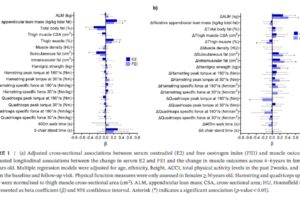
This study highlights the significant role of circulating sex hormones in the aging process of female skeletal muscles. Prior research has primarily focused on distinct age groups, often comparing only young versus old, or pre-menopausal versus post-menopausal women, thereby neglecting the transitional phase from high to low oestrogen levels.
Idiopathic scoliosis (IS) caused by an unknown etiology is prevalent in primary and secondary school students. Early detection and prevention are challenging because of the limited knowledge about controllable risk factors and imbalances in body mechanics. These authors examined the potential causative factors of IS and its correlation with foot mechanics among 7–14 year-ol...
LER EXPO Conversations
Hind foot non-unions are a complex orthopedic challenge that clinicians face, particularly due to the unique anatomy and weight-bearing responsibilities of this part of the foot. Non-unions occur when a fracture fails to heal nine months after injury or shows no radiographic improvement over a consecutive 3-month period. This condition is not only painful but can also severely impact mobility and quality of life.
By Zeeshan Husain, DPM, FACFAS, FASPS
Industry News & Updates
A sensory neuroprosthesis (SNP) developed by researchers at Case Western Reserve University and the Louis Stokes Cleveland Veterans Affairs Medical Center has shown promise in improving balance and reducing fall risk for people with lower limb loss. High-density nerve cuff electrodes are installed around the peripheral nerves in the residual limb.
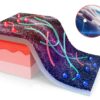
Researchers from Pennsylvania State University (Penn State) and China’s Hebei University of Technology aimed to accurately measure temperature and strain signals without crosstalk by using laser-induced graphene (LIG), a 2-dimensional (2D) material. In doing so, they stumbled upon the fact that this material also has thermoelectric properties, said Huanyu “Larry” Cheng, James L. Henderson, Jr.
A new $10.8 million multicenter clinical trial co-led by Gerard Slobogean, MD, MPH, an associate professor of orthopaedics and director of clinical research in the department of orthopaedics at the University of Maryland School of Medicine (UMSOM), will determine if hip arthroplasty produces better outcomes for patients age 60 and older who have sustained femoral neck fractures compared to simpler “internal fixation,” which
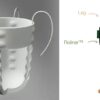
A new dynamically adaptive material, ‘Roliner,’ that was developed by researchers at the Imperial College London, department of bioengineering, offers amputees the power to change the shape, volume, and stiffness of the liner that is used to attach a prosthetic limb’s socket to a residual leg. Amputees could make these tweaks using their smartphone in real-time, providing a more comfortable and personalized fit.
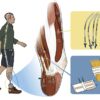
Using a wearable sensor similar to those used in smartwatches and fitness bands, University of Wisconsin-Madison (UW-Madison) engineers have developed a new, easy and low-cost method that goes beyond step counts: It allows researchers to see how a person walks in daily life.
SPS, Alpharetta, Georgia, a U.S. distributor of orthotic and prosthetic (O&P) products, has awarded 2 recipients—Gunnar Zellman, Concordia University, St. Paul, Minnesota, and Kate Menzer, University of Texas Southwestern Medical Center—with its 2025 SPS O&P Master’s Scholarship, which is given to promising students pursuing a career in the O&P industry.
The Last Word
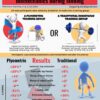
24 male participants were randomly divided for 16 weeks into 2 training groups. Lateral hurdle jump, depth to pox/broad jump, lateral box jump, rotational vertical hop, 4x5 - 2x10. Barbell squat, hexagonal bar deadlift, Bulgarian split squat, lunges, weighted calf raise, 70-90% 1RM, 3x 6-10.
Featured Products