







 Sarcopenic obesity (SO), a relatively new category of obesity and a high-risk geriatric syndrome in the elderly, is associated with numerous adverse health consequences such as frailty, falls, disability, and increased morbidity and mortality. This study, done by researchers in China using longitudinal data from the UK Biobank cohort (N=46,535), examined the association of serum 25-hydroxyvitamin D (25[OH]D) concentration with the risk of SO incidence. Cox proportional hazards models were used to estimate the hazard ratios (HRs) and 95% Confidence Intervals (CI) between serum 25(OH)D concentration and risk of SO incidence by sex.
With a median follow-up of 8.74 years, 1086 incident SO cases were identified. After multivariable adjustment, compared with the lowest quartile group, the HRs (95% CI) for the second, third, and fourth quartile of 25(OH)D concentration in female individuals were 0.66 (95% CI: 0.53–0.82), 0.53 (95% CI: 0.41–0.67), and 0.43 (95%: 0.33–0.55), respectively (Ptrend < 0.001). Similarly, in male individuals, the HRs (95% CI) for the second, third, and fourth quartile of 25(OH)D concentration were 0.86 (95% CI: 0.66–1.10), 0.68 (95% CI: 0.56–0.92), and 0.40 (95% CI: 0.29–0.54), respectively (Ptrend <0.001). A nonlinear association between serum 25(OH)D concentration and risk of SO incidence was observed in female (Pnonlinear = 0.043) and male (Pnonlinear = 0.008) individuals using restricted cubic spline analysis.
The authors concluded that higher serum 25(OH)D concentration was significantly associated with a lower risk of SO incidence in a dose–response relationship.
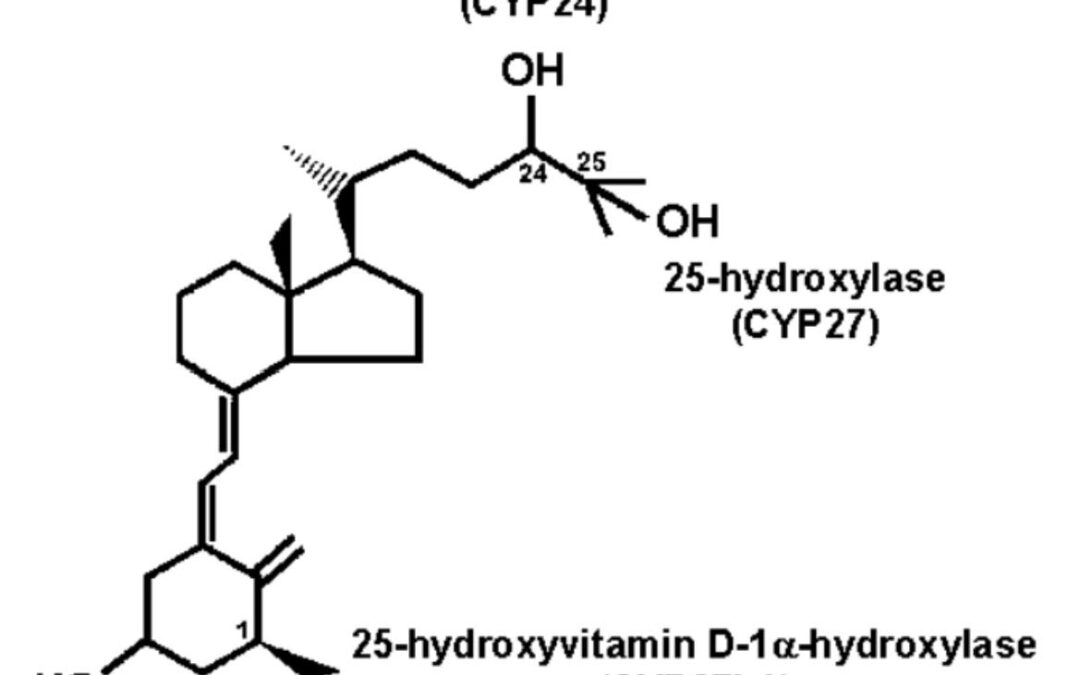
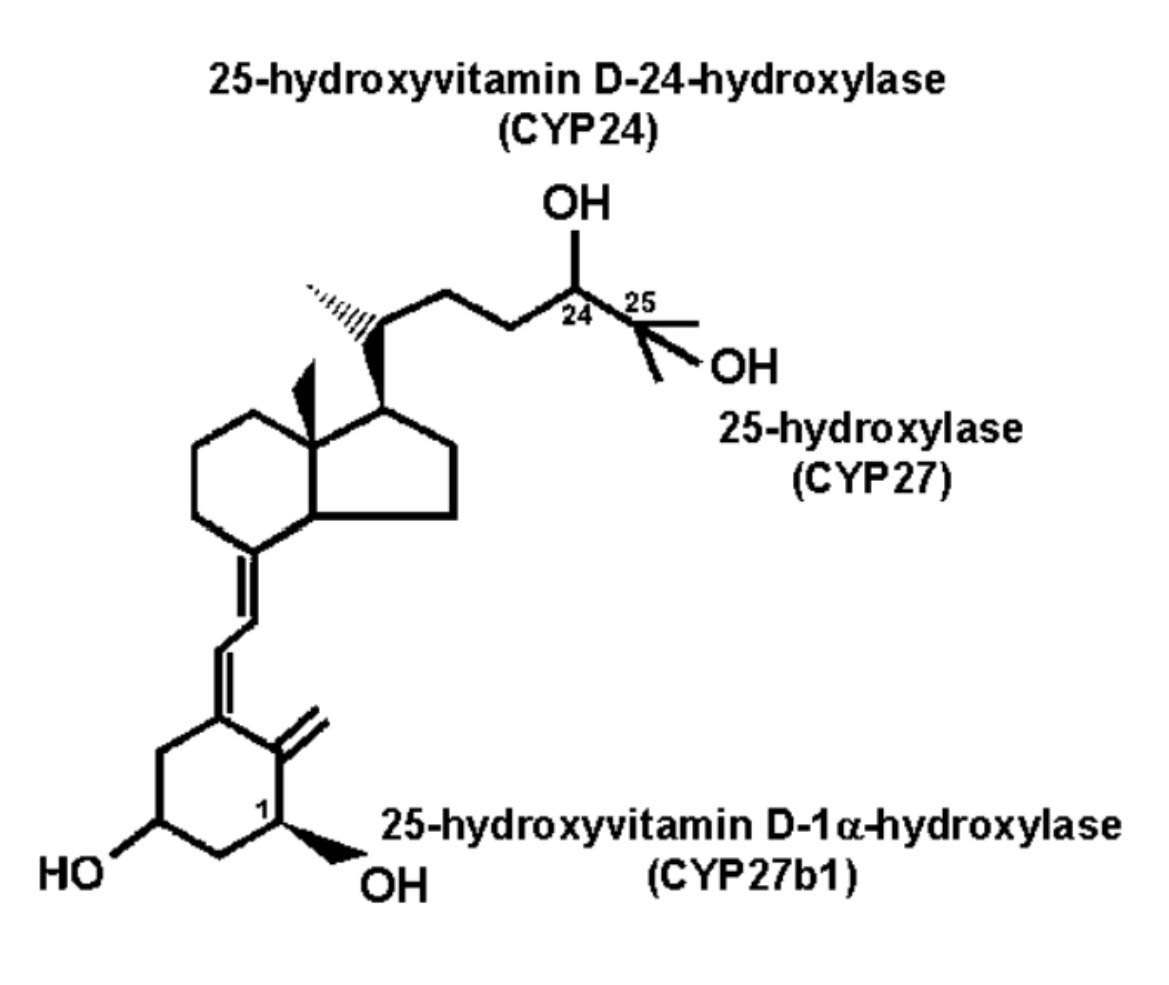
Source: Xu Q, Bu F, Song ZT, et al. Association of serum 25-hydroxyvitamin D with sarcopenic obesity risk: a longitudinal observational study from the UK Biobank. Obesity (Silver Spring). 2025 May 1. doi: 10.1002/oby.24286. Image from Anderson & May. Clin Biochem Rev. 2003;24(1):13-26.