March 2026
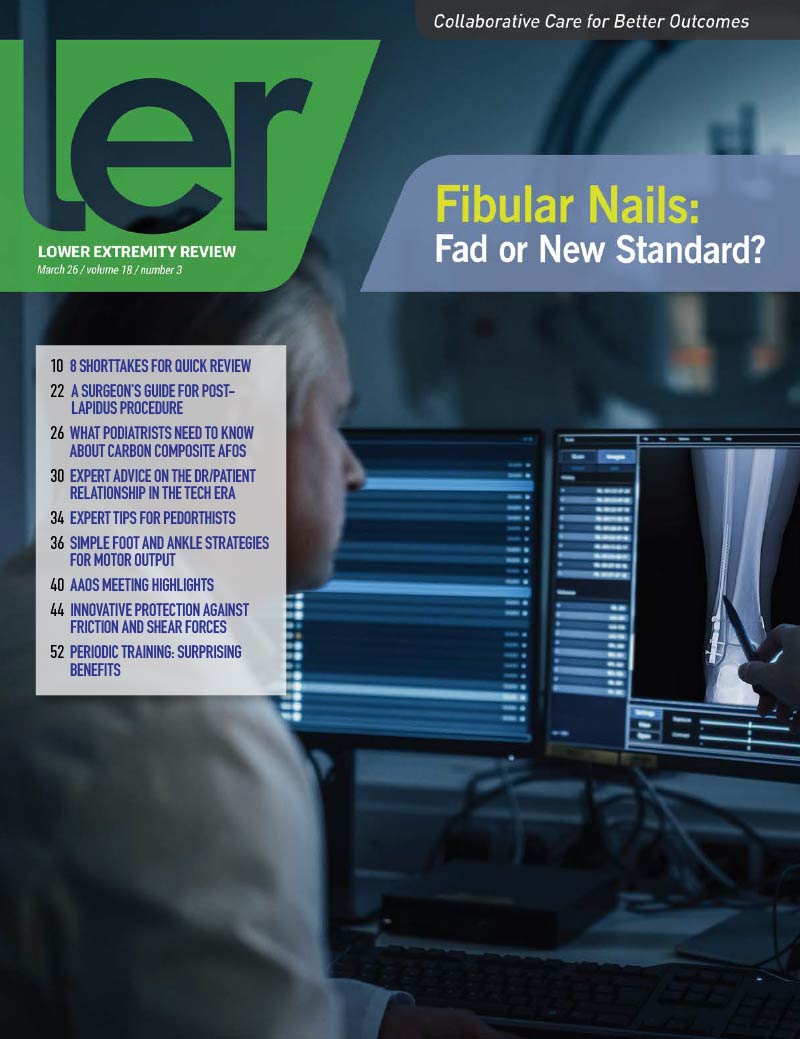
Click on image to download the issue in PDF format
Cover Story
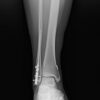
This article synthesizes the key findings, surgical techniques, and clinical insights from a lerEXPO’s 2025 Gait Keepers Journal Club regarding the use of intramedullary fibular nails for distal fibula fractures. The primary focus is on a retrospective multi-center study published in the Journal of Foot & Ankle Surgery (JFAS) in 2023, which represents the largest cohort of its kind to date.
The transition from traditional Open Reduction Internal Fixation (ORIF) with plates and screws toward intramedullary fibular nailing represents a significant paradigm shift in ankle fracture management. While historically reserved for “train wreck” patients–those with compromised soft tissue, diabetes, or advanced age–current clinical evidence suggests that fibular nails are highly effective for simpler fracture patterns, such as stress-positive Weber B fractures.
By Brian Burgess, DPM with Brad Abicht, DPM, FACFAS and Jeff Dikis, DPM
Features
Surgery, especially in the world of foot and ankle reconstruction, is like solving a complex, 3-dimensional puzzle. Our goal is to take a structure that has adapted over a lifetime into a painful position and restore its original, functional architecture. One of the most powerful tools we have for this is the Lapidus procedure, which corrects a complex bunion deformity...
By Marie Keplinger, DPM, FACFAS
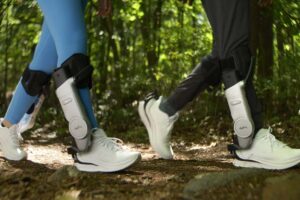
Advances in ankle-foot orthoses (AFOs) are revolutionizing how podiatrists, physical therapists and O&P clinicians support lower-limb mobility and rehabilitation. In this 3-part series, we explore the latest evidence, cutting-edge materials, and innovative design strategies that are shaping the future of AFOs. This short series offers a look at how today’s breakthroughs are improving function, comfort and compliancy in the lower extremity world.
By Keith Loria
The doctor-patient relationship is dead, at least in the format we were all taught in school and during training. Today, there’s a moment, when you walk into an exam room that just didn’t exist 20 years ago. It’s no longer just you and the patient. There’s a third presence sitting between you. It is the electronic health record (EHR), that often-maligned party...
By Mikel D. Daniels, DPM, MBA, President and Chief Medical Officer, WeTreatFeet Podiatry
Consumers of high-end running/walk footwear products are coming to you not only to fit them with footwear, but also to solve problems and enhance their performance, prevent injuries and enhance wellness. Some retail shoe stores, and certainly online direct purchases, do not offer the expertise that is required to provide the solutions the consumer is seeking to justify...
By Teresa Alpert
Diabetic foot ulcers and other skin conditions such as blisters, calluses, and general skin irritation pose significant health challenges. These issues often stem from excessive friction and shear forces acting on vulnerable areas of the skin. Individuals who rely on specialized footwear, orthopedic braces and prosthetic devices are particularly susceptible to...
ShortTakes From the Literature
Weightlifting continues to increase in popularity due to its numerous benefits for physical health, performance enhancement, and age-related functional preservation. Although previous studies have investigated injury patterns in strength athletes, few have examined lower extremity injuries among the general population.
Plantar fasciitis is a prevalent cause of heel pain in adults, particularly among the middle-aged population. It is characterized by microtrauma that exceeds the regenerative capacity of the plantar fascia. Although most cases respond well to conservative treatment, such as stretching exercises, orthotic use, and...
Symptomatic flat foot is quite a common pathology in adults. Myofascial release is 1 of the physiotherapeutic methods that are currently used in the treatment of musculoskeletal diseases. This study aimed to assess the impact of myofascial release on the range of motion and functional efficiency of the flat foot in adults.
Annually, 49 million people worldwide are impacted by lower extremity ulcers (LEUs). Diabetic foot ulcers (DFUs) and venous leg ulcers (VLUs) are the most common LEUs. Negative pressure wound therapy (NPWT) has emerged as an effective intervention for complex wounds, offering numerous favorable wound healing outcomes.
Plantar pressure measurement is used to identify areas of high mechanical loading in people at risk of diabetic foot ulceration. Fixed thresholds, such as 200 kPa for in-shoe and 600 kPa for barefoot measurements, are commonly reported in the literature and applied in clinical decision-making in diabetic foot care.
Plantar fasciitis causes heel pain and functional limitations; conservative treatment typically includes plantar fascia and calf stretching. High-intensity laser therapy (HILT) offers deeper photobiomodulation and potential tissue-healing benefits. In this study participants were randomly allocated into...
Ankle sprains and acute Achilles tendon ruptures are common injuries among recreational tennis players. Patients who sustained an ankle sprain (n=39) or an Achilles tendon rupture (n=7) while playing tennis were retrospectively evaluated. Ankle sprain patients were younger (39 years), smaller and lighter...
Chronic ankle instability (CAI), a prevalent injury among female volleyball players, can negatively affect functional performance and increase the risk of further injury. The aim of this study was to compare functional movement quality, dynamic balance, vertical jumping performance, hip muscle strength, and risk of injury between...
A Foot Forward for Optimum Health

“A Foot Forward for Optimum Health” is a column designed to enlighten the old guard in a new way about lower extremity impairment as it pertains to foot drop. The intent is to challenge evidence-based research and practice so that it addresses real world issues shaped by social determinants of health. For every common issue is an uncommon response that will provide insight to improve health outcomes by putting one foot forward at a time–efficiently and effectively.
I recently explored and explained the use of mobilization and tactile stimulation (MTS) in the previous article titled, “Sensory Input is Needed for Motor Output–The Foot of the Matter.” In this article, I focus on self-mobilization of the foot and ankle to promote self-efficacy for individuals with lower extremity (LE) sensory impairment resulting in...
By Dr. Jennifaye V. Brown
2026 AAOS Meeting Highlights

March 2–6, New Orleans, Louisiana
The American Academy of Orthopaedic Surgeons (AAOS) Registry Program highlighted new findings from the American Joint Replacement Registry (AJRR) during the 2026 AAOS Annual Meeting in New Orleans. Analyses presented at the meeting examined implant survivorship, complication trends, and outcomes associated with...
Electronic bicycle (E-bike) use is on the rise in the United States. E-bikes are a convenient, cost-effective, environmentally friendly transportation option that do not require a license to operate. However, these conveniences come with significant injury risks. The aim of this study is to quantify the rates and patterns of orthopaedic injuries related to e-bike use compared...
Single-sport specialization during adolescence has been increasingly adopted by youth athletes in pursuit of collegiate scholarships and professional careers. However, this early commitment to one sport has been associated with increased exposure to repetitive stress, potentially contributing to higher injury rates at elite levels. While the short-term musculoskeletal risks of...
Approximately 15–20% of patients undergoing conventional total knee arthroplasty (cTKA) report dissatisfaction one year after surgery. Robotic-assisted TKA (raTKA) provides greater precision in bone resection and ligament balancing, which may improve patient outcomes and satisfaction. The purpose of this study was to evaluate the impact of raTKA on...
Glucagon-like peptide-1 receptor agonists (GLP-1 RAs) have become central to the treatment of type 2 diabetes mellitus (T2DM) and obesity, with proven benefits in glycemic control, weight loss, and cardiometabolic risk reduction. Despite emerging hypotheses suggesting possible skeletal benefits, long-term effects of GLP-1 RA exposure on...
Industry News & Updates
The American Diabetes Association® (ADA) recently released the “Standards of Care in Diabetes–2026,” the gold standard in evidence-based guidelines for diagnosing and managing diabetes and prediabetes. Based on the latest scientific research and clinical trials, the guidelines include strategies for diagnosing and treating diabetes in children...
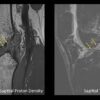
Scientists at the University of Portsmouth, England, have created the first detailed 3D map of how a crucial piece of connective tissue, called calcified fibrocartilage (CFC), in our bodies responds to the stresses of movement and exercise. CFC acts like a biological shock absorber where tendons attach to bone. Damage to the CFC tissue–common in...
Trulife has been awarded the 2025 Hanger Partner Award for Operational Performance at Hanger Live 2026, recognizing excellence in electronic data interchange transaction accuracy and consistently high on-time delivery performance. The recognition carries particular significance given Hanger’s position in orthotic and prosthetic patient care, known for its clinical network and...
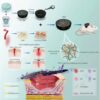
Researchers have engineered a smart hydrogel dressing that replicates the skin’s natural healing process to promote faster and more effective wound closure. The study introduces a composite hydrogel that integrates bacterial cellulose (BC), conductive polypyrrole (PPy), and platelet-rich plasma (PRP) into a single multifunctional platform.
A University of Bristol, England, engineer has developed a smart shoe insole with hundreds of tiny sensors that could help prevent falls among the elderly. Jiayang Li, PhD, a lecturer in electrical engineering, created the smart shoe insole prototype after noticing his mentor, who still edits research papers at age 89, was becoming unsteady on his feet.
One of the largest MRI-based studies comparing knee injuries between men and women reveals surprising differences in injury patterns based on gender and age. The findings can be used to improve risk assessment and develop early intervention strategies. The study included 13,549 consecutive routine knee MRI exams performed between 2019 and 2024 at...
Inform Diagnostics, a Fulgent Genetics company, announced that the acquisition of Bako Diagnostics was completed on March 17. Fulgent is an innovative leader in the clinical diagnostic and pathology fields. The acquisition underscores the company’s unwavering commitment to the podiatric medical community and strengthens its leadership position within...
The Last Word
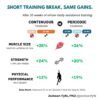
Consistency is hard. We all know it matters - especially for long-term pursuits like exercise. But being consistent doesn’t mean never taking a break, either. Too often we beat ourselves up the moment we fall out of routine. Whether it’s a busy period, illness, low motivation, or life in general… even a short disruption and suddenly we tell ourselves we’ve “ruined” our progress.
Featured Products