NATA Offers Vital Tips for Back-to-School Safety

NATA Offers Vital Tips for Back-to-School Safety

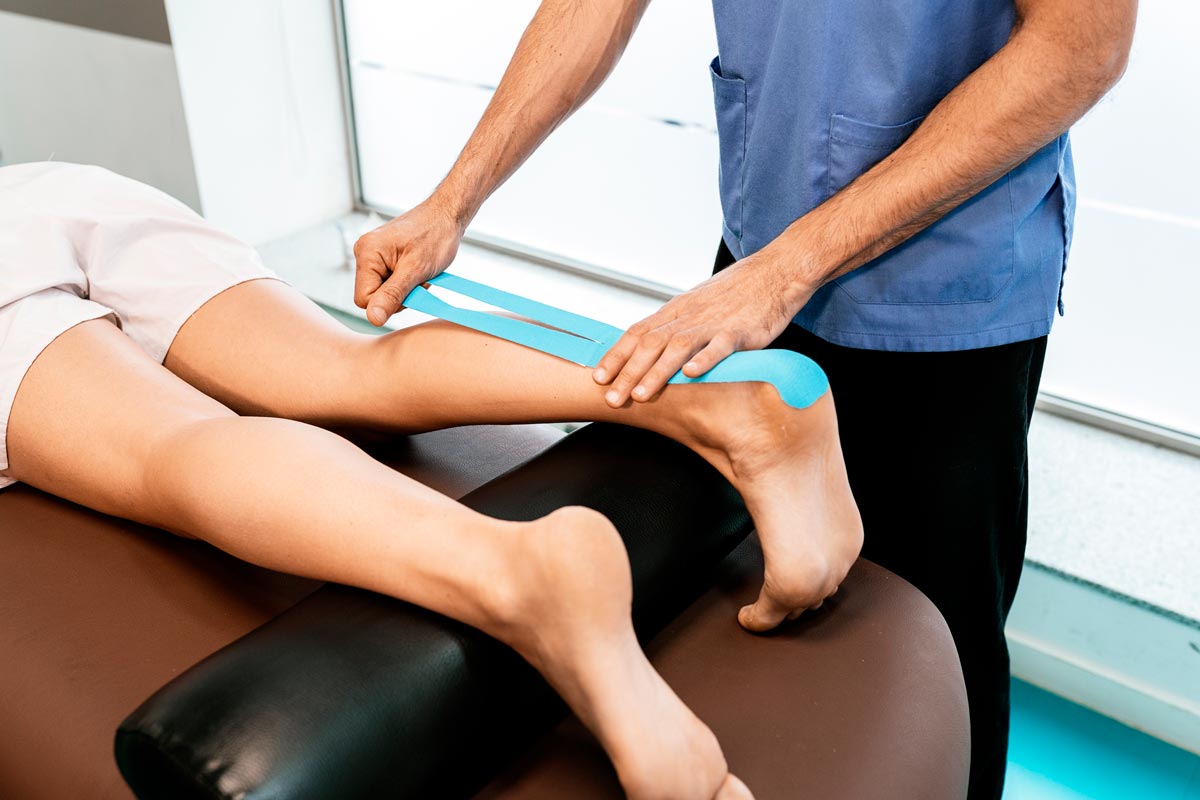
With temperatures on the rise and student athletes returning to preseason practice fields this summer, the National Athletic Trainers’ Association (NATA) has released safety tips to ensure parents ask the right questions of schools to ensure best sports safety practices are in place.

From the National Athletic Trainers’ Association

read more
If You Want to Ride a Hoverboard, Train For It!

If You Want to Ride a Hoverboard, Train For It!

Hoverboard continues to be an increasingly popular ride option for all ages. But these rechargeable self-balancing scooters with electric motors and batteries require serious attention to safety. Designed for personal transportation, today’s hoverboards can reach speeds of 10 mph, with the average clocking in at 7 mph.

By Robert Weil, DPM

read more
Requirements, Needs, Wishes of AFOs for Children with CP

Requirements, Needs, Wishes of AFOs for Children with CP

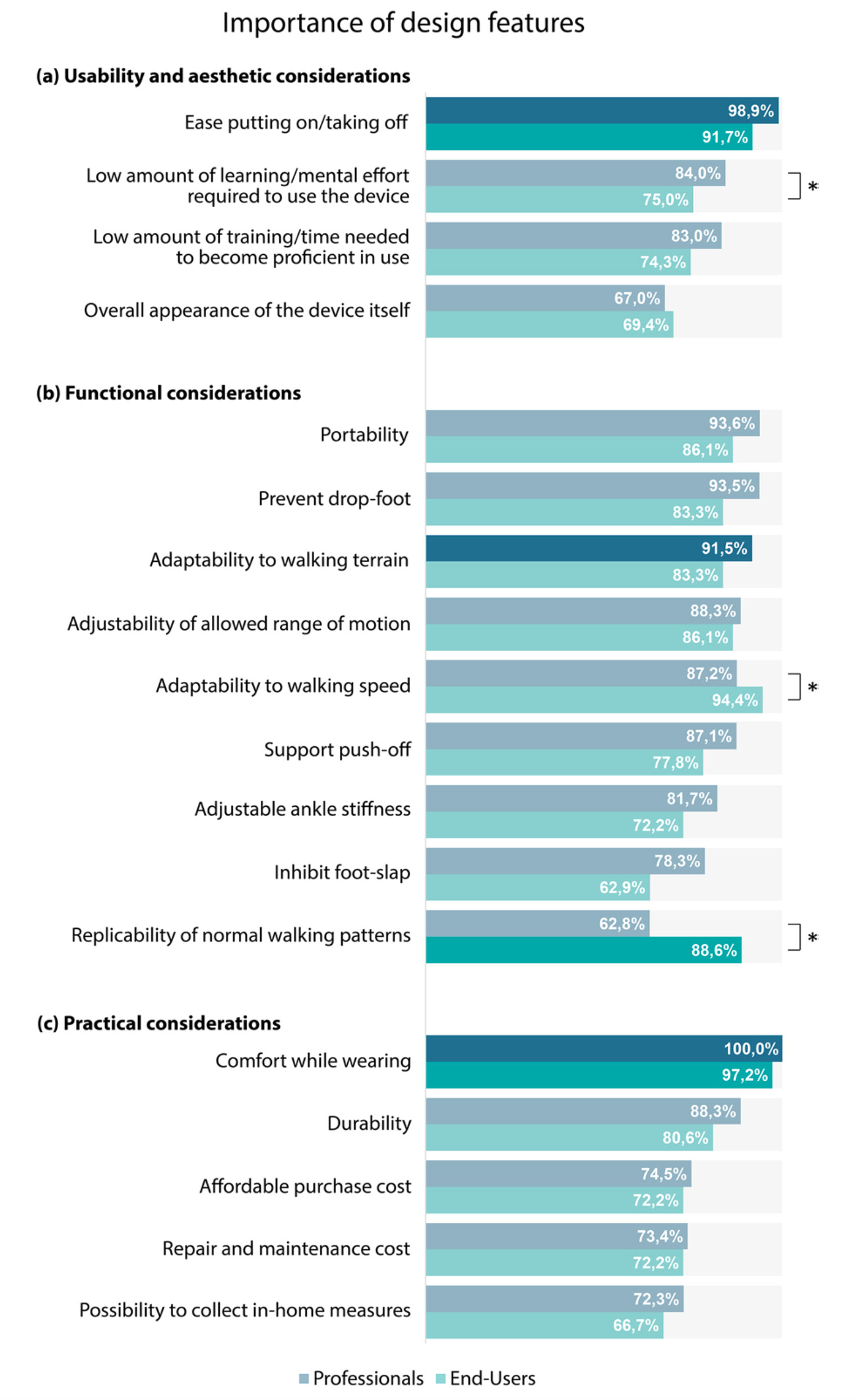
Ankle-foot orthoses are extensively used as a primary management method to assist ambulation of children with cerebral palsy (CP). However, certain barriers hinder their prescription as well as their use as a mobility device in all kinds of daily-life activities.

By Cristina Bayón, Marleen van Hoorn, Antonio Barrientos, Eduardo Rocon, Joyce P. Trost, and Edwin H. F. van Asseldonk

read more
The Struggle to Stay Physically Active with Persistent Plantar Fasciopathy

The Struggle to Stay Physically Active with Persistent Plantar Fasciopathy

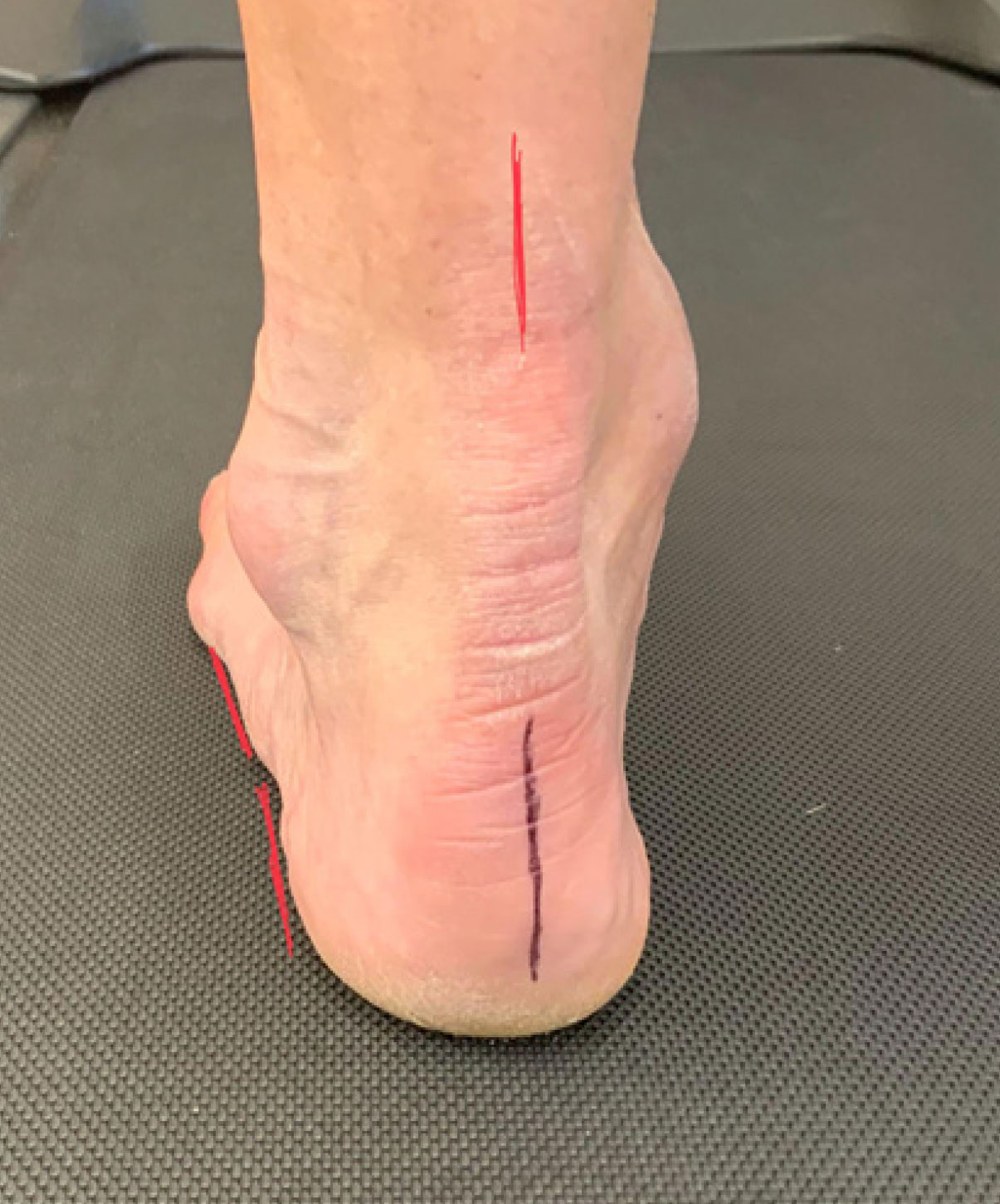
Plantar fasciopathy pain forces individuals to make adjustments in physical activity leading to reduced quality of life. Plantar fasciopathy (PF) is the most common cause of heel pain, and is associated with decreased physical activity level and quality of life. There has been limited research on the experiences of patients with PF.

By Marianne Mørk, Helene Lundgaard Soberg, Aasne Fenne Hoksrud, Marte Heide, and Karen Synne Groven

read more
Book Excerpt: Getting the Most Out of Gait Evaluations

Book Excerpt: Getting the Most Out of Gait Evaluations

This chapter concerns the study of gait from an office setting, the understanding of what is considered normal, and the symptoms related to gait variations. In my training, gait evaluation was a crucial part in assessing how the [orthotic device] worked in controlling excessive motion, correcting for a short leg, improving someone’s posture, but also in spotting all sorts of problems.

By Richard Blake, DPM, MS

read more
Young Children’s Footwear: Importance of Different Features

Young Children’s Footwear: Importance of Different Features

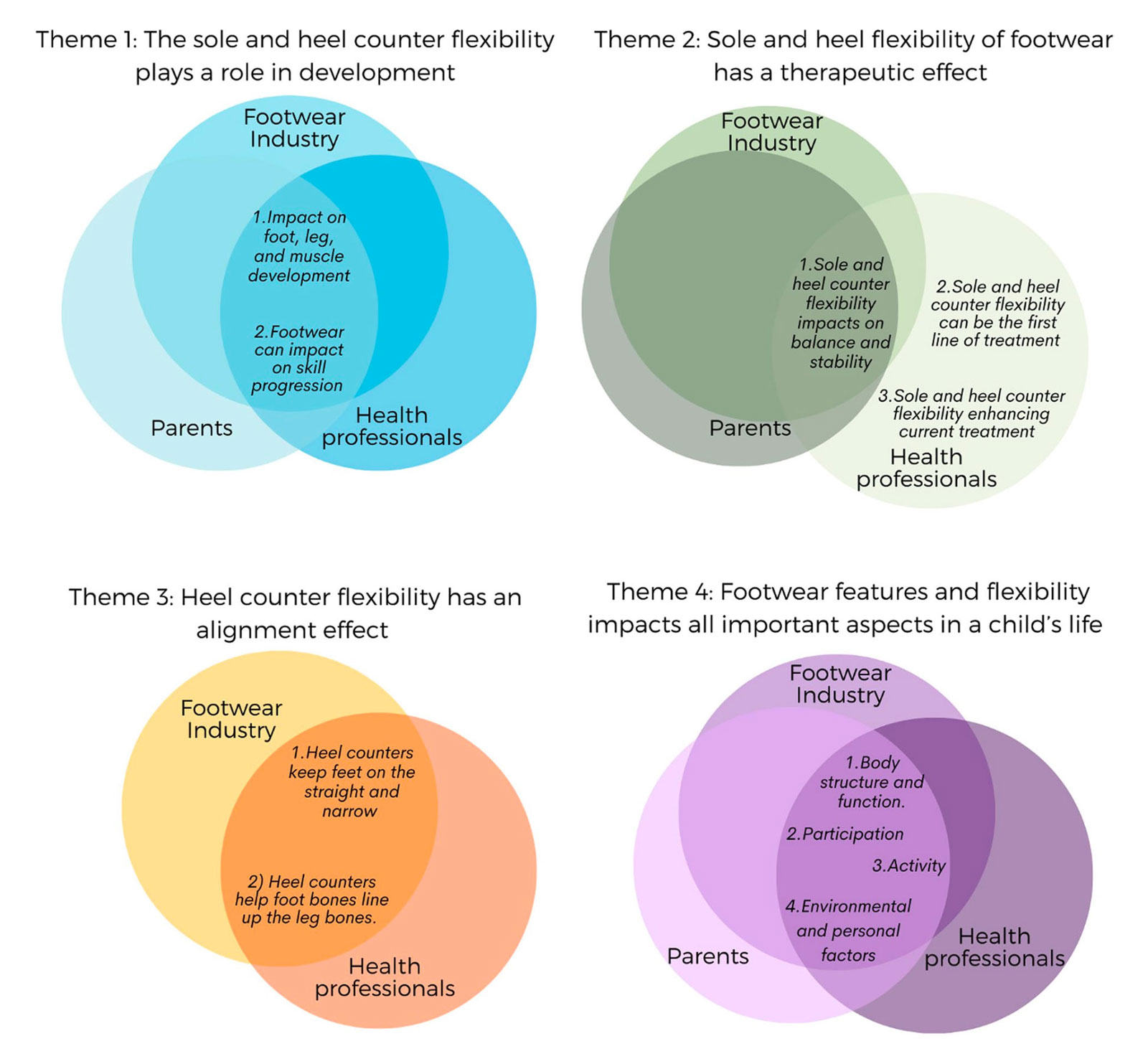
Purchasing footwear for children can be a concern for parents and caregivers, so clear and credible footwear information is important to help them with these decisions. This is particularly pertinent to the first 6 years, where a child’s development and…

By Cylie M. Williams, Helen A. Banwell, Kade L. Paterson, Katherine Gobbi, Sam Burton, Matthew Hill, Emma Harber, and Stewart C. Morrison

read more
A Step Short: Why We Need More Research on Prefabricated Carbon Composite Ankle-Foot-Orthoses

A Step Short: Why We Need More Research on Prefabricated Carbon Composite Ankle-Foot-Orthoses

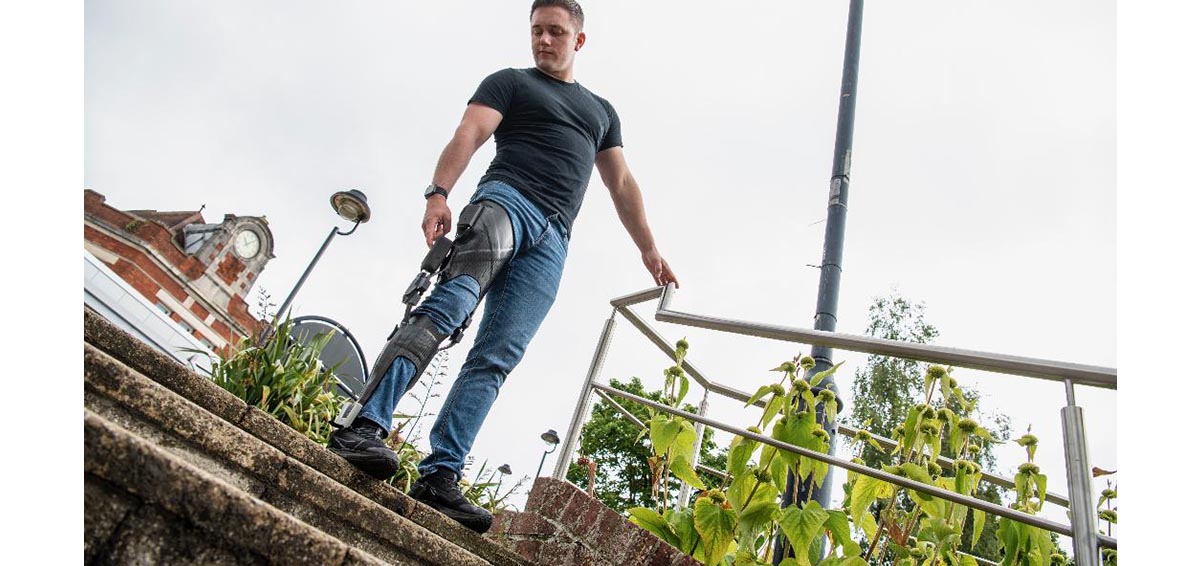
Many patients with gait abnormalities utilize lower limb orthoses to provide support, correction, and enhance function of the lower extremity. A variety of design options from joint level(s) to material selection are available and must be…

By Lindi Mitsou, MSPO, CPO;  Nicholas Carr, BS; Jordan Dunn, BS; Jayne Kernodle, BS;  Yelizaveta Kozlov, BS;  Jillian Picard-Busky, ATC, LAT;  Abigail Riley, BS;  and Alex Wright, BS, NREMT

read more

Join

Subscribe For Updates

Stay in the loop with the latest news and updates! Subscribe now to receive exclusive content, special offers, and important announcements straight to your inbox. Don’t miss out – join our community today for all the latest updates delivered directly to you.