









B y Robert Weil, DPM
Hoverboard continues to be an increasingly popular ride option for all ages. But these rechargeable self-balancing scooters with electric motors and batteries require serious attention to safety.
Designed for personal transportation, today’s hoverboards can reach speeds of 10 mph, with the average clocking in at 7 mph. Most are designed to be ridden on a flat, dry surface that is smooth – off-road terrains, uneven pavement, and rain should be avoided with these models. Then there are the all-terrain hoverboards, which have sturdier tires, and are touted as off-road balancing boards. These can face mud, rain, grass, hills, and even rocks, according to many of their manufacturers. Before you go anywhere, be sure to check the warranty.
Hoverboards do come in different sizes that carry different weight limits — but check the product you are purchasing because they vary widely. A quick scan of available models found these ranges:
- 10-inch hoverboards can carry 95 – 330 pounds;
- 8-inch boards, 75 – 265 pounds;
- 6.5-inch boards, 60 – 220 pounds;
- 4.5-inch boards, 33 – 120 pounds.
Riding a hoverboard can be a fun experience but it also requires physical coordination and balance. They are similar to, although not as common as, skateboards and rollerblades, and require similar amounts of training to ride safely and with ease. Considering the types of potential injuries noted in the article on pages 23-30, they are definitely not without risk.
Here are some tips and recommendations for hoverboard riding.
- Start slowly: To avoid accidents or falls, it is important to start riding at a slow speed until you are comfortable with the hoverboard and how you need to work your body while on it. Be sure to start on a flat surface.
- Wear protective gear: Make sure to wear proper safety gear like helmets and elbow, knee, and wrist guards. For younger children, mouth guards may even be in order.
- Wear good supportive sports shoes – no flip flops or high heels!
- Keep your body relaxed and avoid making sudden movements – this will help you maintain balance and reduce the risk of falling.
- Pay attention to your posture: Keep your back straight and feet shoulder width apart. This helps maintain balance and provides better control of the hoverboard.
- Avoid speed bumps or rocky surfaces: Hoverboards don’t have suspension systems.
- Practice in an open & flat area until you are comfortable with it. Avoid narrow spaces, crowds and traffic.
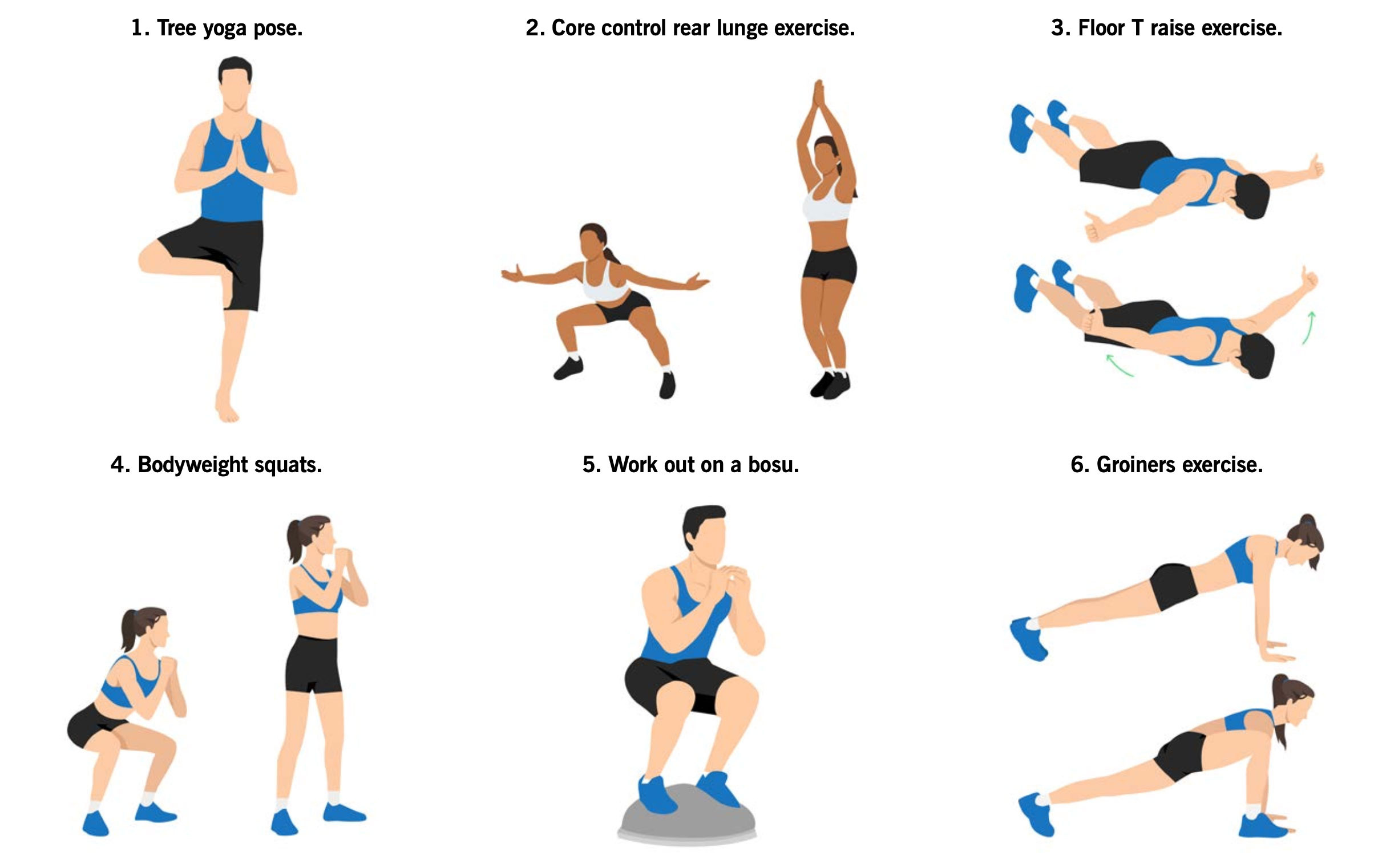 It is also smart to help train and condition your body for safe hoverboard riding! Strengthening feet, ankles, and legs makes good sense.
Also balance, postural and core strengthening can be very helpful – note some of the exercises we’ve included on page 35.
It is also important to remember that hoverboards are not suitable for children under the age of 12, though some manufacturers make shortened hoverboards they claim are safe for 5- to 8-year-olds (these have a shorter wheelbase, smaller wheels, and do not go above 5 mph). And always follow the manufacture’s guidelines for use and safety precautions.
Here’s to fun & safe Hoverboard rides!
Robert A. Weil is a sports podiatrist in private practice in Aurora, Illinois. He hosts The Sports Doctor, a live weekly radio show on bbsradio.com. His book, #HeySportsParents, written with Sharkie Zartman, is available on Amazon.com and ranks among the seller’s top 100 books in both Children & Youth Sports (#59) and Children’s Sports Coaching (#62). Dr. Weil was inducted into the prestigious National Fitness Hall of Fame in April 2019.