








Dirty Truth #8: Every step is different–The Importance of Tracking Gait Variability Through Aging
Unique is not so predictable
By Jay Segel, DPM; Sally Crawford, MS
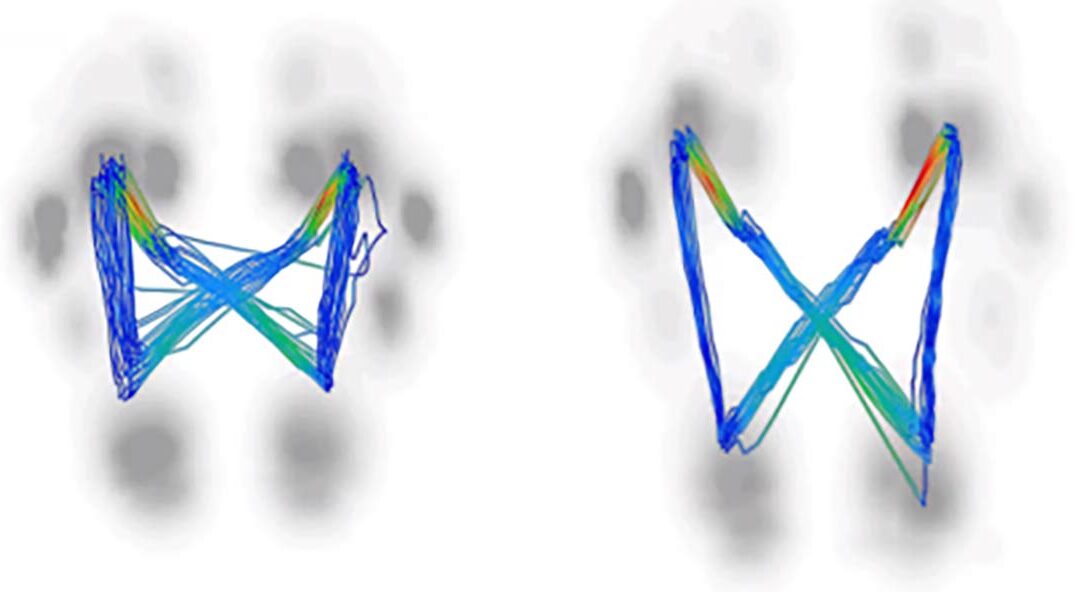
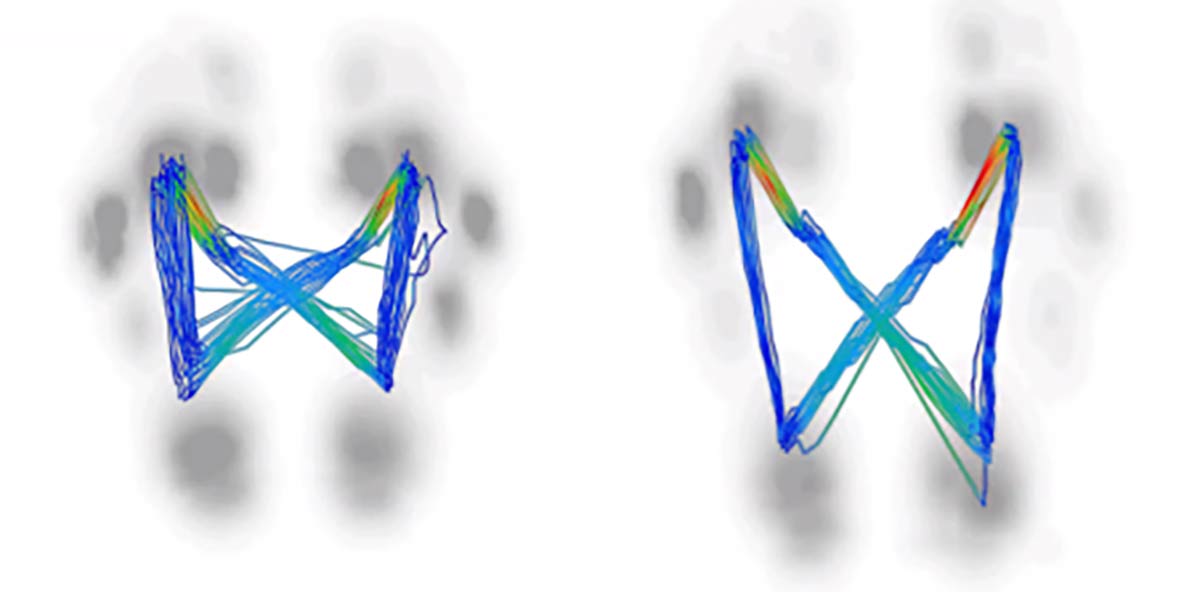
This dirty truth sits like an unrecognized norm in our DNA and plays out like a knee-jerk reaction until we give it a little thought. We have 2 legs, 2 knees (no pun intended), 2 ankles, and 2 feet. The general public thinks they are the same in both form and function, but that is rarely the case. The easiest way to break this thought pattern clinically is to ask our patients, “Are you right-handed or left-handed?” Which opens the idea of variability. The dominant side will often show differences because of muscular recruitment, usage, and wear and tear. Then, we introduce the real-life traumatic events that rarely occur symmetrically, such as ski or skate accidents, or even dropping a soup can on your big toe, and other such scenarios. Finally, it is time to reintroduce an earlier dirty truth: within the foot itself, there is no symmetry top to bottom, back to front, and medial to lateral. The above thoughts speak mainly to form and hint at function, but with that grounding, we can begin the discussion of computer-aided gait analysis (CAGA), where we can clearly demonstrate that “Each Step Is Different”.
The classically described gait cycle breaks down how we should walk when moving in a forward manner, but not how we function throughout daily life. In reality, movement is unique and not so predictable. This concept is an important structural component in patient diagnosis and treatment. When performing a gait analysis on repetitive steps, which is the preferred paradigm, we make observations and collect data without the concern of, “Was that 1 step representative of the way the patient walks?” We then can compare those specific gait parameters to established normative values (norms), which can be found in the better CAGA systems. But do those norms really apply to the patient in question?
Below, we look at how the unique nature of impact, loading, weight shifting, and the off-loading process, in any direction, can be good, and also very, very “dirty,” especially as we age.
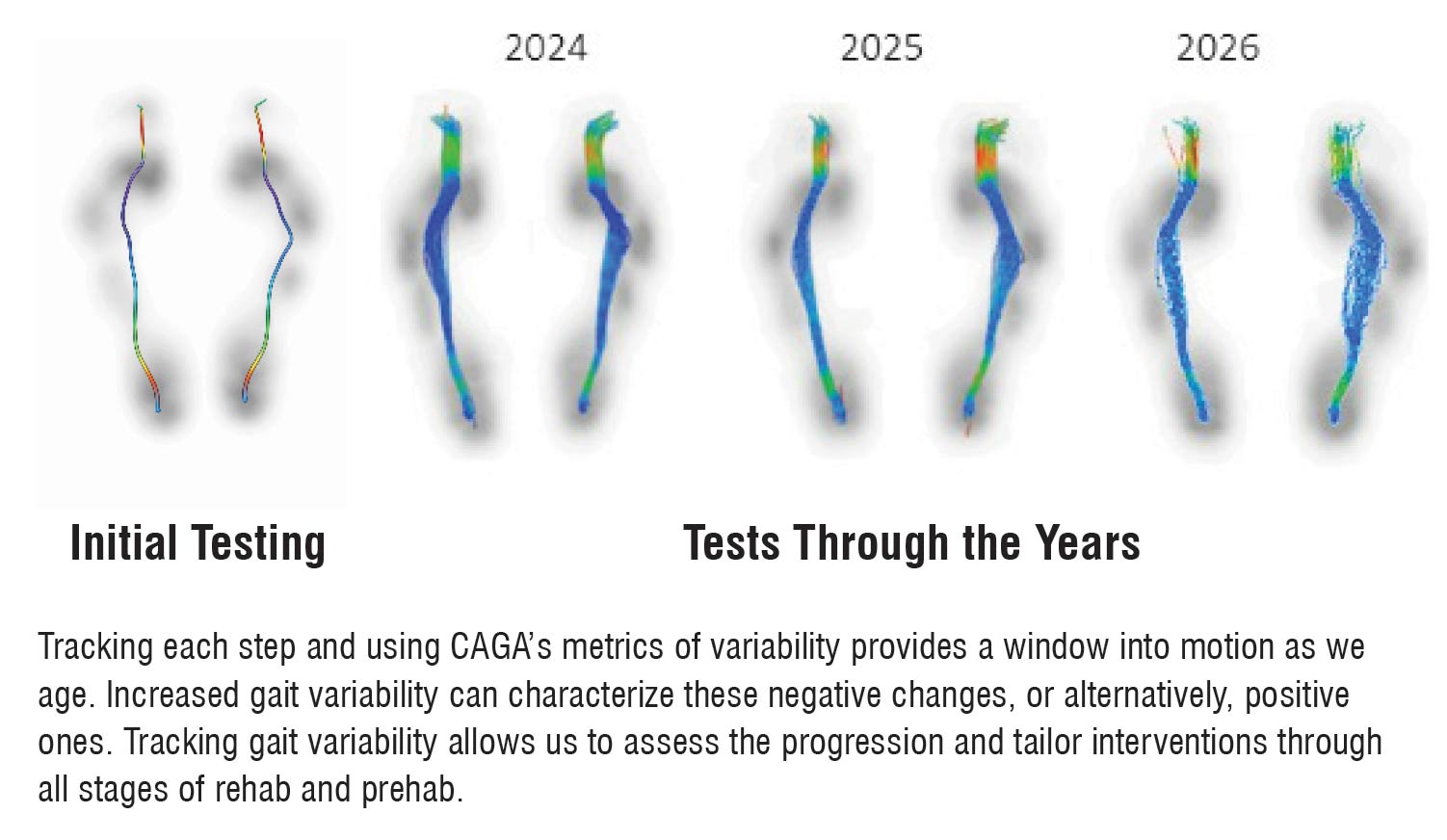
Some variability in gait as measured in CAGA reflects the body’s ability to adapt to diverse conditions and environmental stimuli. Controlled variability in human motion promotes resilience and enhances coordination, all of which are crucial as we age. However, excessive or uncontrolled variability in walking can indicate instability, making it helpful to track and interpret these changes over time using CAGA.
 Macro-level variability refers to changes caused by external factors like different walking surfaces, where variations require the body to adapt, promoting better balance and coordination through differing muscle recruitments and general neuromuscular responses. Micro-level variability, on the other hand, results from more subtle differences, like variations in footwear cushioning or placement, support, or orthotic modifications and adjustments, like fixed posting versus more dynamic, load management solutions.
These small-scale changes can influence specific gait parameters in a major way. For example, alterations in orthotic or midsole shoe structure can modify how the foot interacts with the shoe, resulting in center of pressure (COP) changes and increased variability in changes between each step’s interactions. Tracking these COP changes allows identification of fatigue, improper alignment, compensatory movements, or simply the unpredictable nature of how we move in our unique environments. Carrying further the thought going into custom orthotic prescription writing, 2 immediate considerations come to mind regarding posting. Why do most prescriptions ask for the same rearfoot canting bilaterally, and secondly, how does static posting make sense when each step is different? Perhaps that is why there has been a great effort coming from leading orthotic manufacturers to identify and develop dynamic posting solutions.
Tracking gait variability, specifically, using CAGA allows true outcome tracking to support healthy aging. We know from our article on repetitive microtrauma that impact is a linear equation; CAGA data becomes inherently necessary to continue to monitor changes over time. Every step is different, yes, it’s normal, but not ideal, yes, and as we age, the changes become more significant. These differences can, in turn, inform lifestyle recommendations, such as shoes, orthoses or exercise protocols to promote safety, adaptability and resilience. It is a dynamic indicator of mobility and health, and by understanding and objectively tracking CAGA parameters, we can assess functional status, reduce fall risk, and educate both the patient, and their healthcare team on best practices.






Nice article , particularly the concept of variability over time and potentially post a minor injury . I look at many patients walking and the use of video ( with measurable parameters) is useful to show the patient where they are and where they have been. either to showe improvement or to highlight issues