Wound Care Update  Theragnostic Imaging: Beyond Standard Photographs

Wound Care Update Theragnostic Imaging: Beyond Standard Photographs

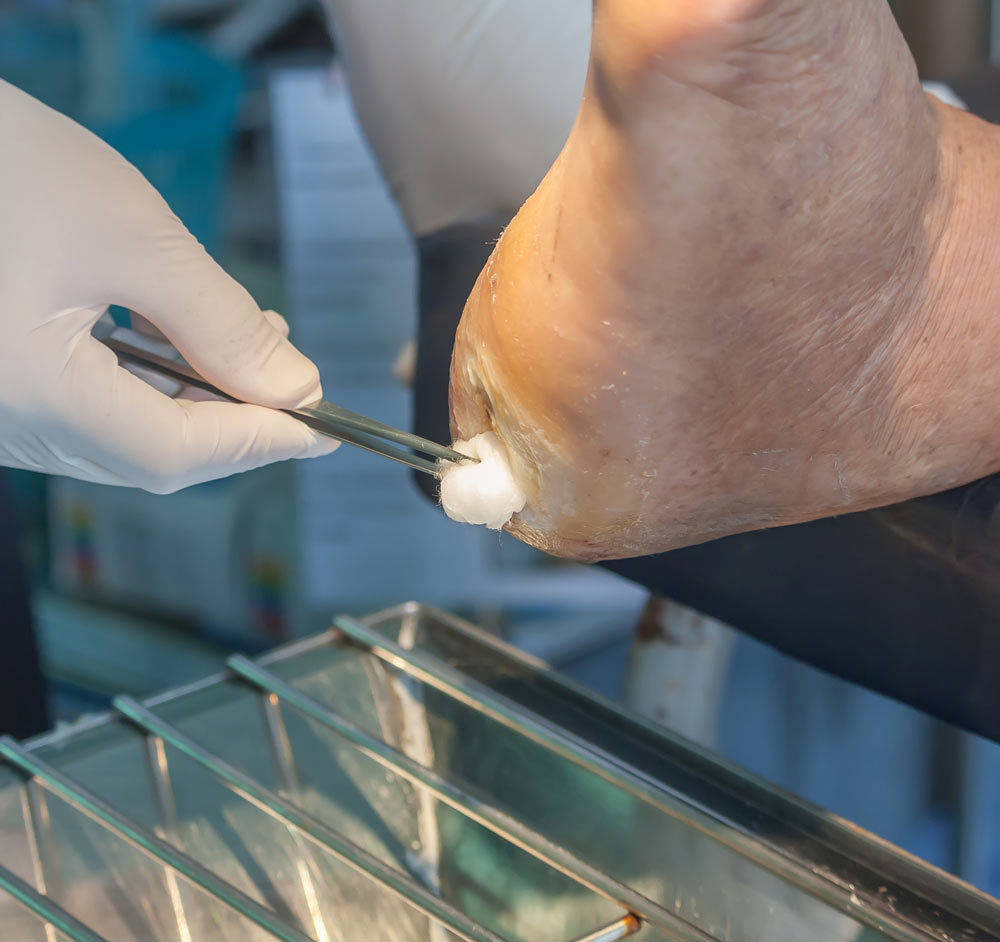
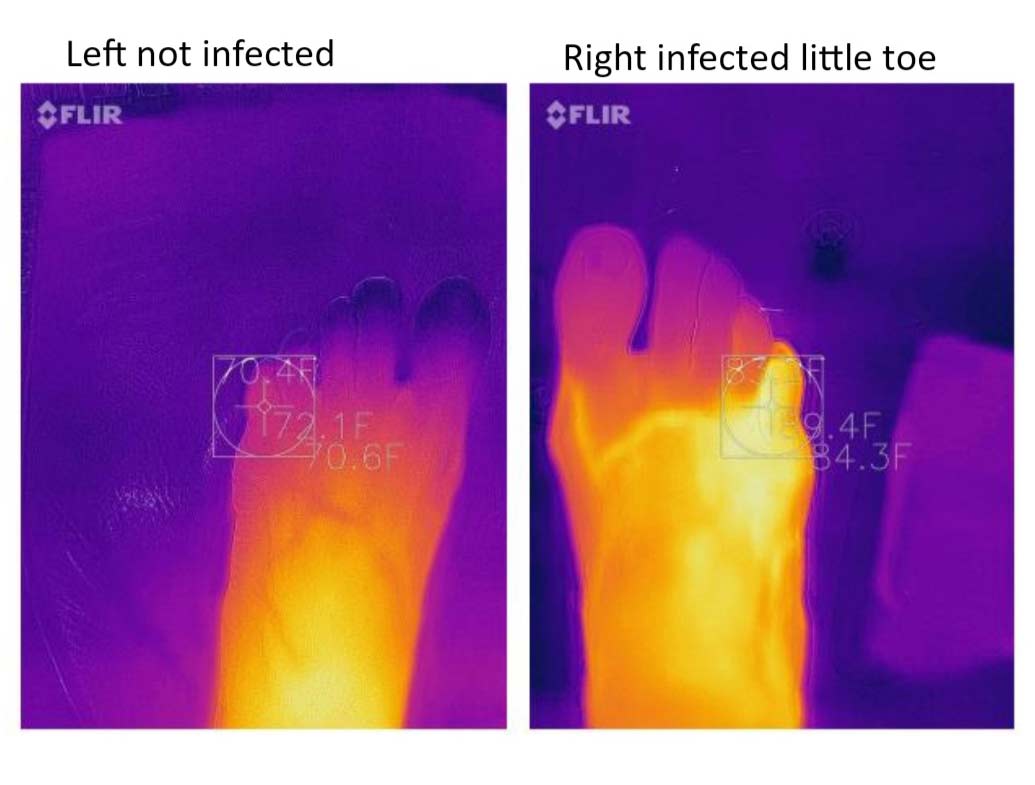
Implementation of these new, highly sophisticated devices can help prevent, diagnose, treat, and monitor wound progress. As a medical director in a wound care clinic and the director of wound research for a podiatric medical school, I’ve seen a lot wound imaging in my time. Recently, I have seen some new and exciting imaging innovations enter the wound care space that…

By Windy Cole, DPM

read more
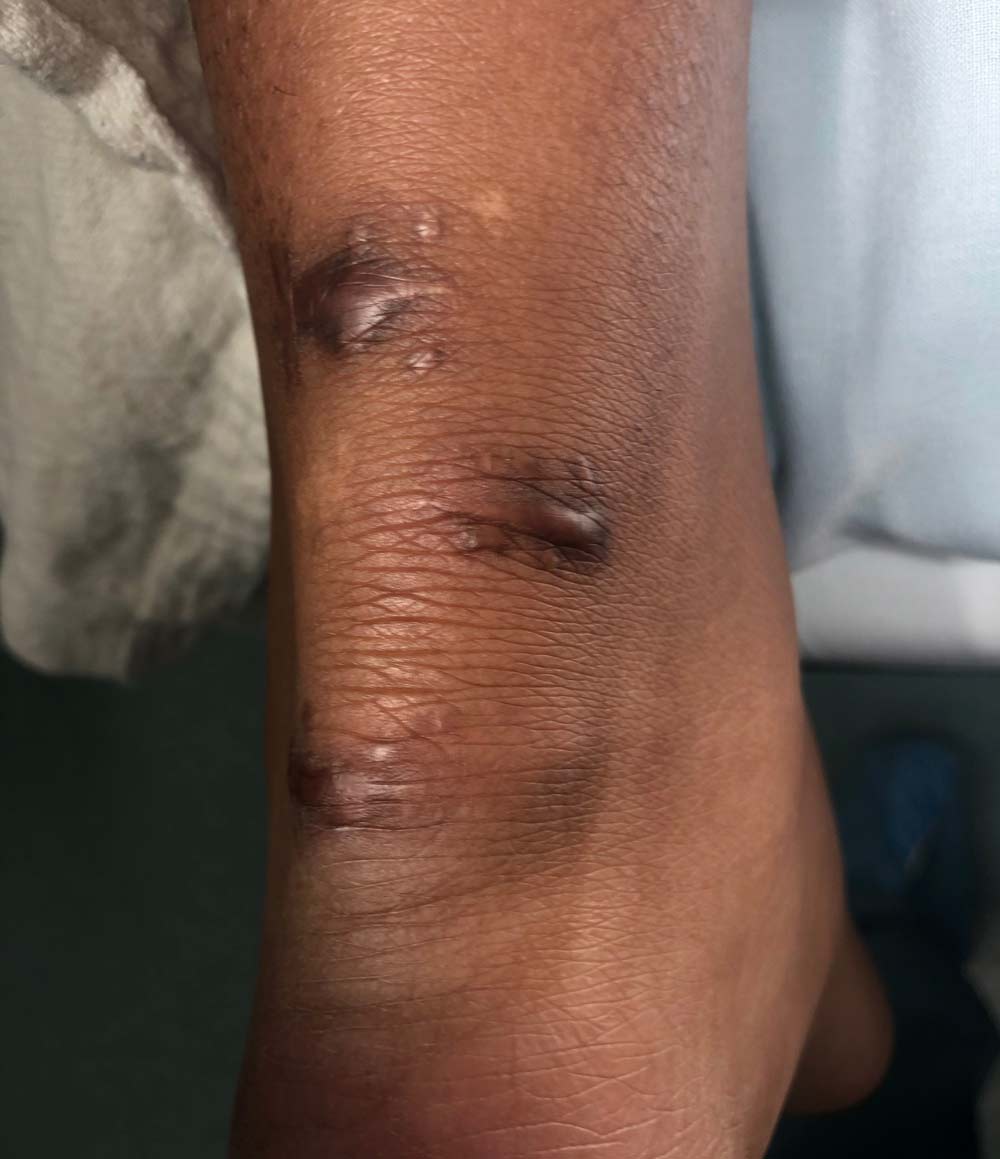
A Review of Nonsurgical Treatment of Hypertrophic Scars

A Review of Nonsurgical Treatment of Hypertrophic Scars

Managing patients with hypertrophic scars can be challenging, with a variety of conservative treatment options suggested in the medical literature. This review summarizes conservative treatment options for hypertrophic scars, focusing on the mechanisms of action, risks, complications, and efficacy of various options.

By Laura-Ashley O’Connell, DPM; Adrienne Estes, DPM, MS, AACFAS, FAPWHc; and David Shofler, DPM, MSHS

read more
Bike Fit Unplugged

Bike Fit Unplugged

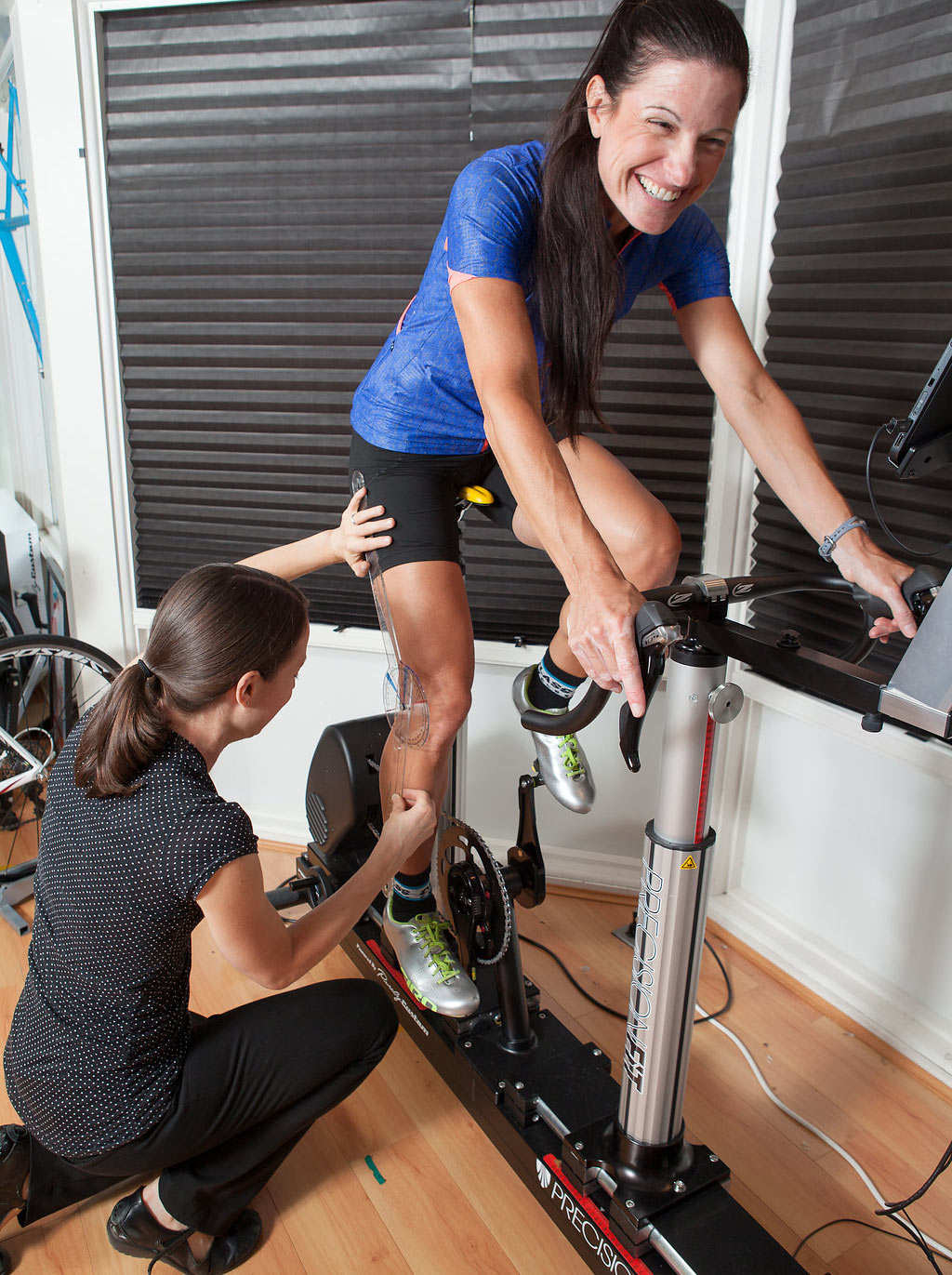
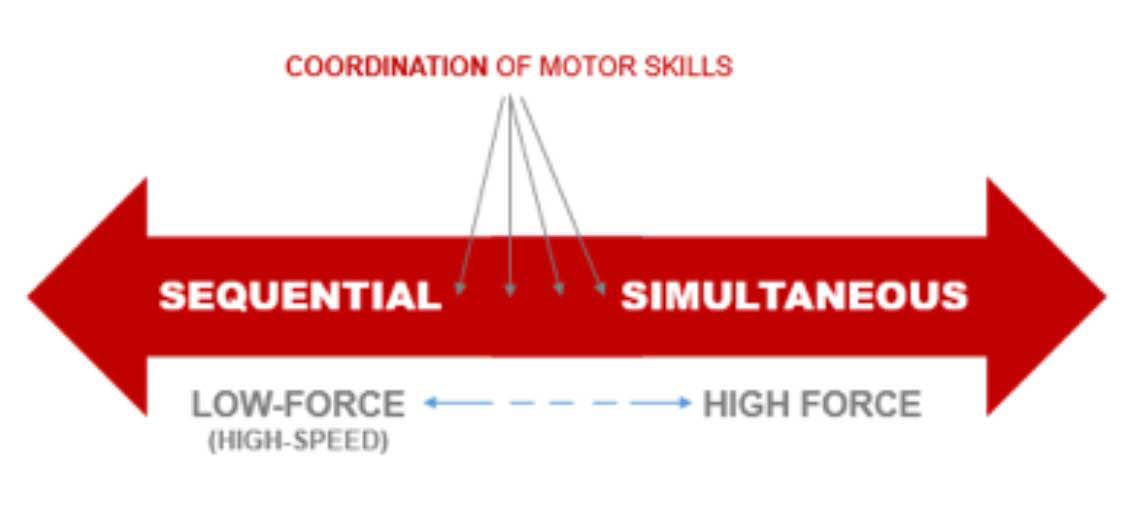
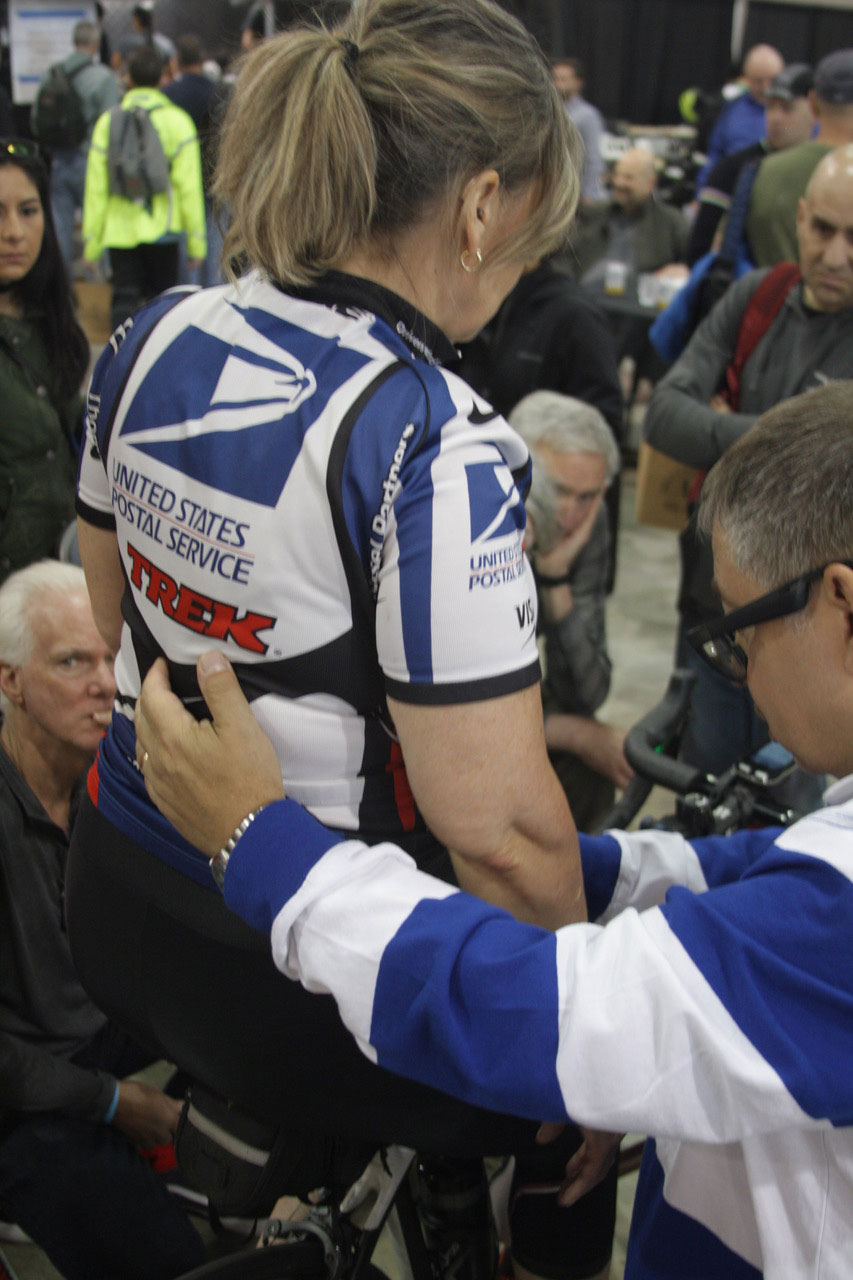
This Bike Fit specialist explains his process for fitting the cyclist, not the bike, to address the individual needs of the rider. He provided commentary to LER Editor Janice T. Radak for the photographs taken at a recent bike fitting clinic and displayed in this story. Bike Fit Unplugged is the technique I developed…

By Happy Freedman

read more
Lower Extremity Noninvasive Vascular Testing Update

Lower Extremity Noninvasive Vascular Testing Update

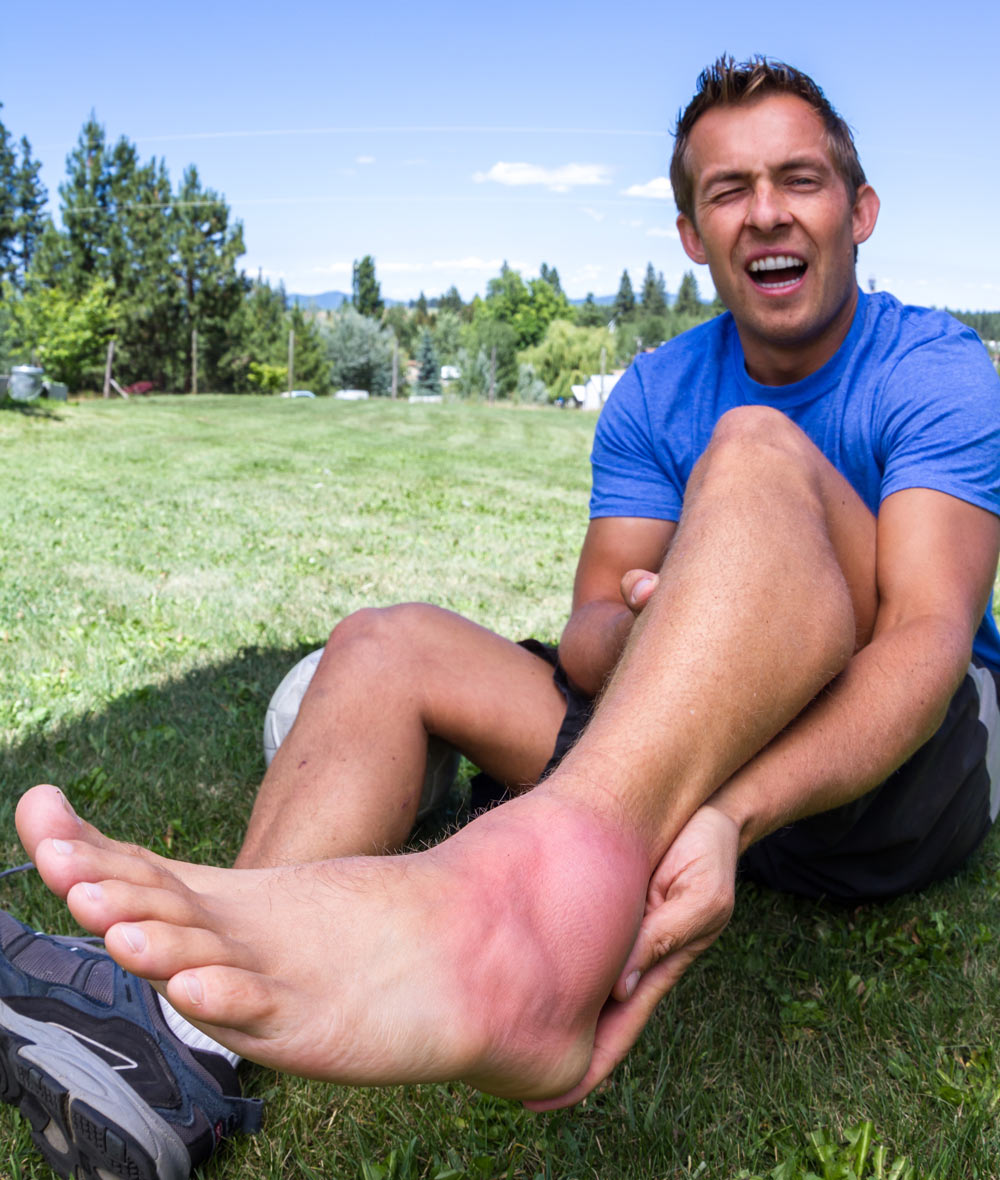
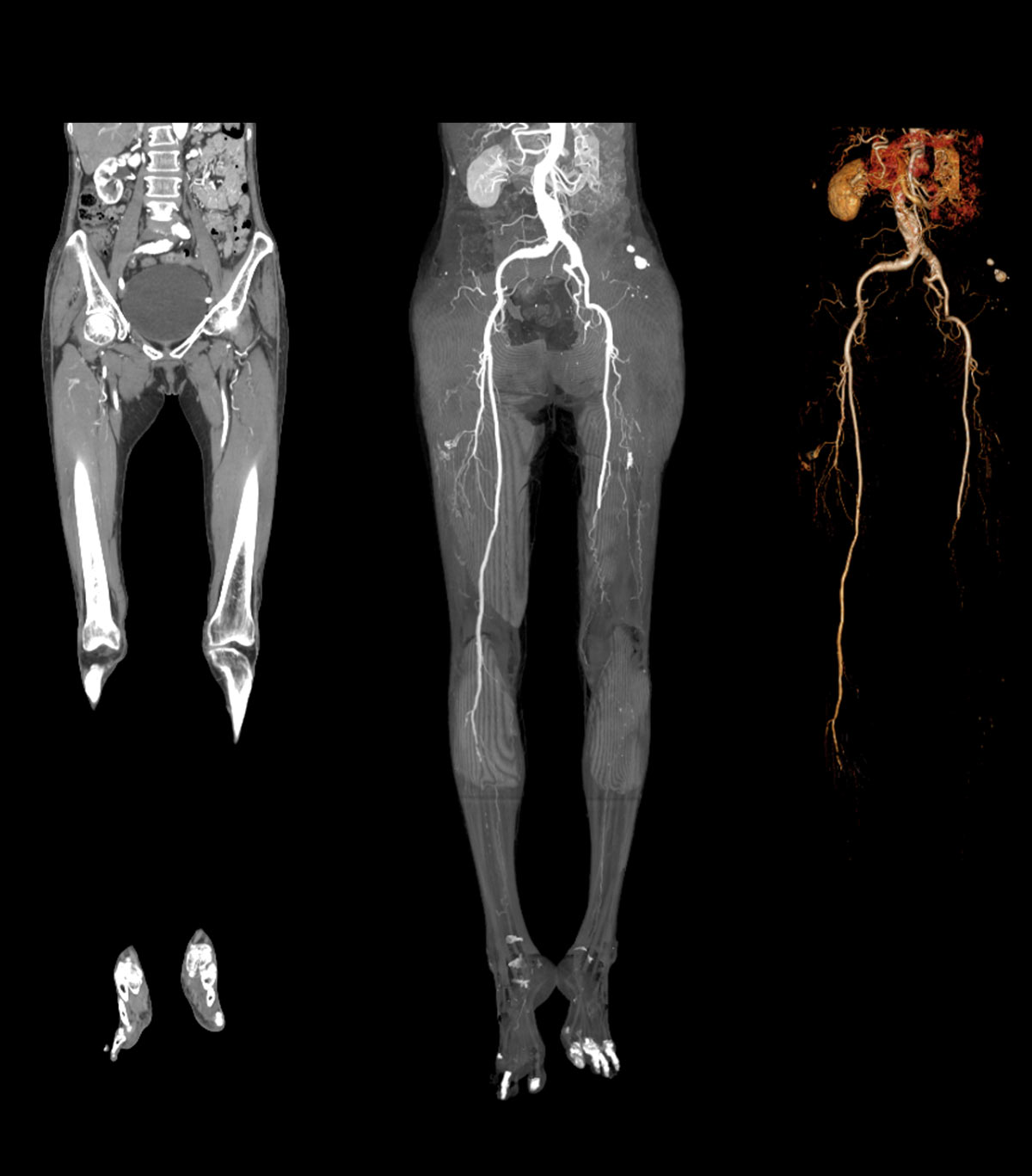
Peripheral arterial disease may be a common finding among those over 50, but it remains underdiagnosed. Choosing the right diagnostic test is key. Eight million men and women in the United States have lower extremity peripheral arterial disease (PAD).1 PAD is a common finding among patients over age 50, yet it is frequently underdiagnosed.

By Brittany Mammano, DPM, PGY-1, and Saba Sadra, DPM, MSc

read more
CLINICAL PERSPECTIVE: Assessing Relaxed Standing Alignment and Posture in Autism Spectrum Disorder

CLINICAL PERSPECTIVE: Assessing Relaxed Standing Alignment and Posture in Autism Spectrum Disorder

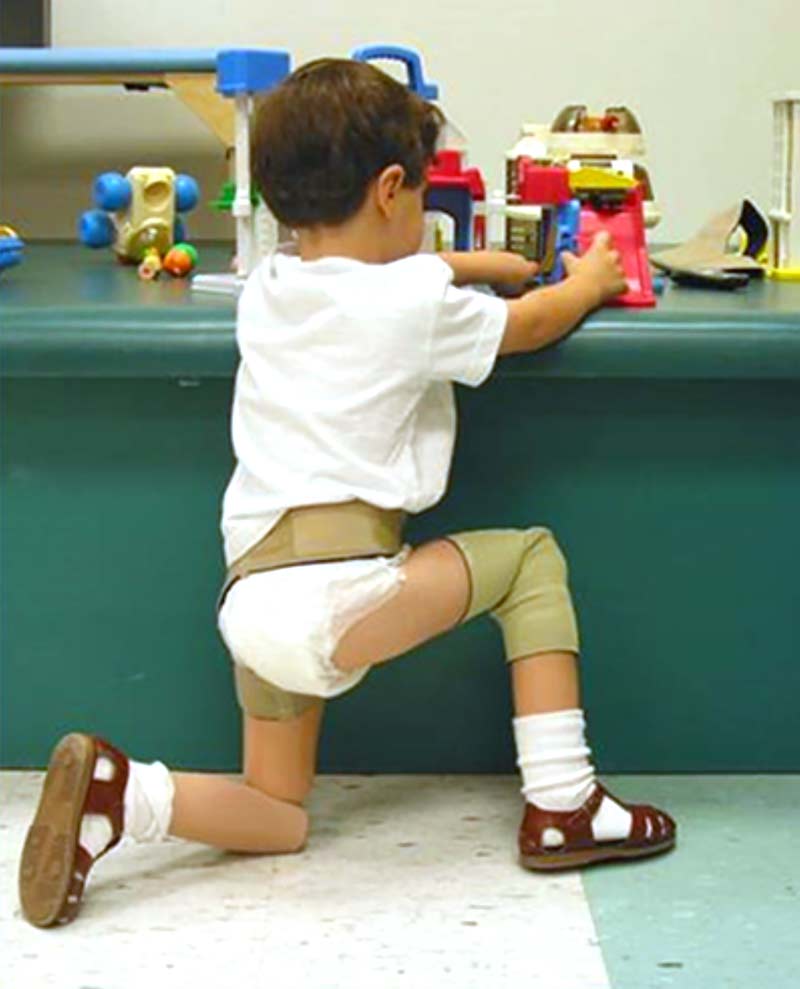
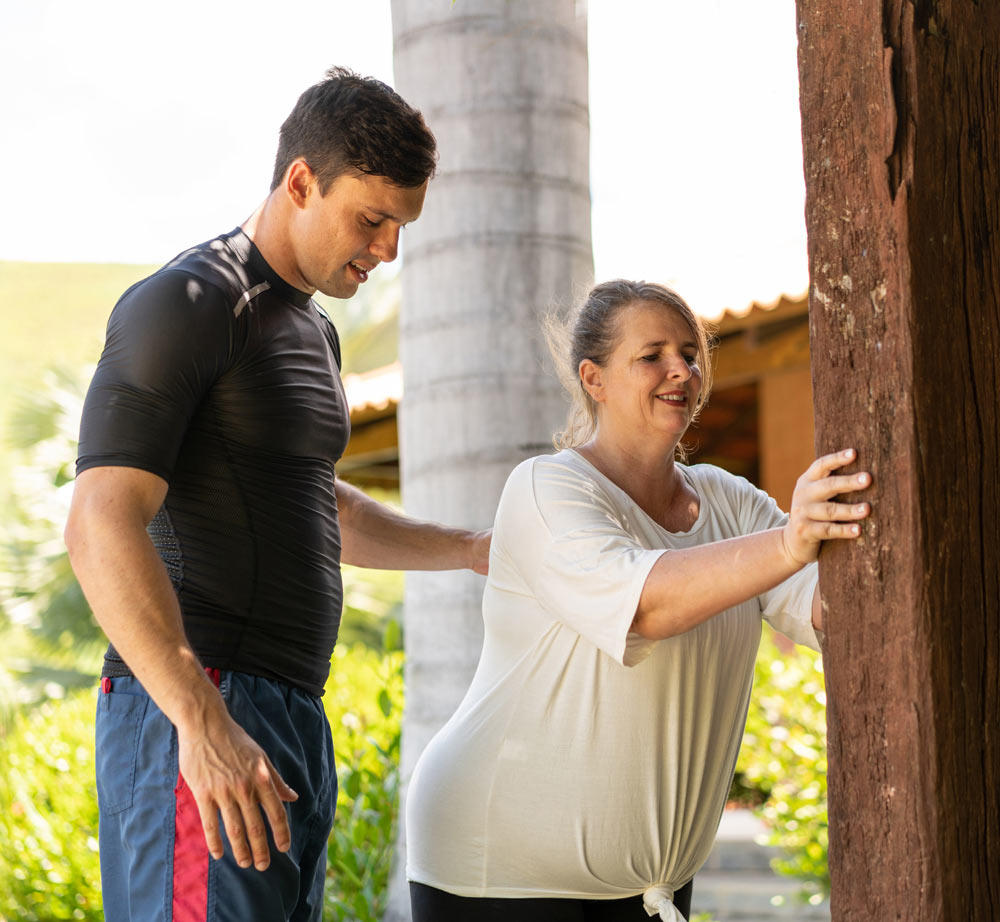
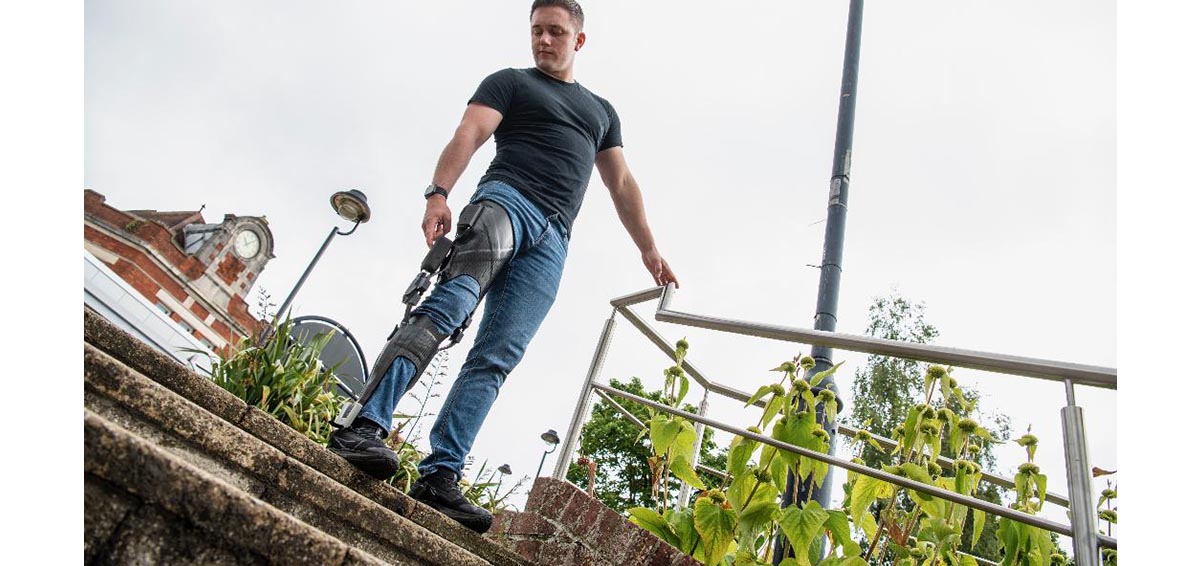
Use the scale provided here to help you assess standing posture, including the nature and extent of deviation from normal, in children with a developmental disability. Proper standing alignment requires that muscles, bones, and joints are in correct relation to each other, creating elongation and symmetry while counteracting the detrimental force of gravity.

By Dalia Zwick, PT, PHD

read more
Rx for Diabetic Foot Ulcers: Optimize Your Communication With Patients

Rx for Diabetic Foot Ulcers: Optimize Your Communication With Patients

Communication, education, and empathy—combined with a solid knowledge base of the disease—are key components of successful management of these damaging, even life-threatening, lesions. Diabetic foot ulcers (DFUs) can be concerning to patients and providers for multiple reasons. From the patient’s perspective, DFUs can be uncomfortable, even painful, and a source of embarrassment from a…

By Angela Kelley, PA-C

read more

Join

Subscribe For Updates

Stay in the loop with the latest news and updates! Subscribe now to receive exclusive content, special offers, and important announcements straight to your inbox. Don’t miss out – join our community today for all the latest updates delivered directly to you.