
LER Cover Story:
Snake Bites to the Lower Extremity Reported to U.S. Emergency Departments
Background: Thousands of snake bites occur in the U.S. each year. Venomous snake bites can produce serious adverse effects, and even bites from nonvenomous snakes may cause adverse effects. Snake bites are often treated at hospital emergency departments (EDs). The objective of this study was to describe snake bites to the lower extremity treated at US hospital EDs.
By Mathias B. Forrester, BS
Advertisement

lerEXPO Upcoming Events
Feature Articles
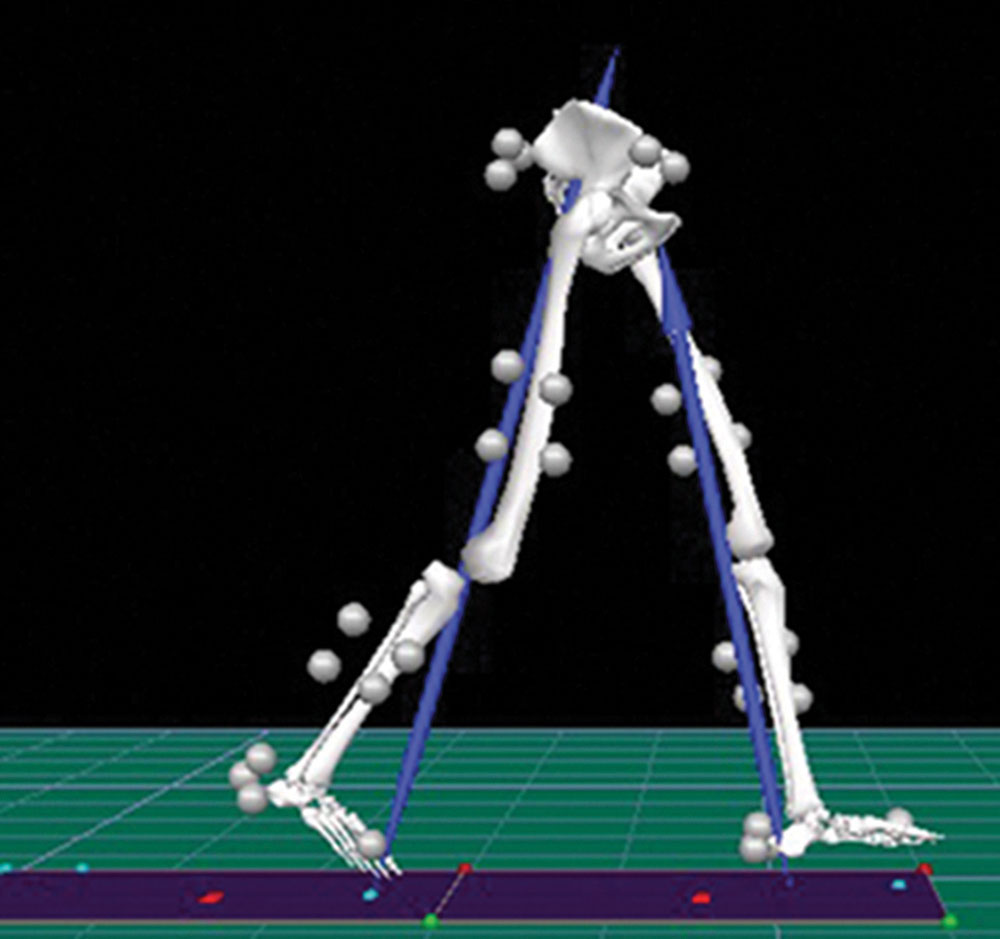
Autism Linked to Between-Limb Asymmetries Across the Gait Cycle
Recent findings from the University of Nevada, Las Vegas (UNLV), add to a growing body of evidence that autism spectrum disorder (ASD) is associated with significant gait asymmetry, suggesting movement quality should be part of the diagnostic and treatment processes for ASD.
By Keith Loria
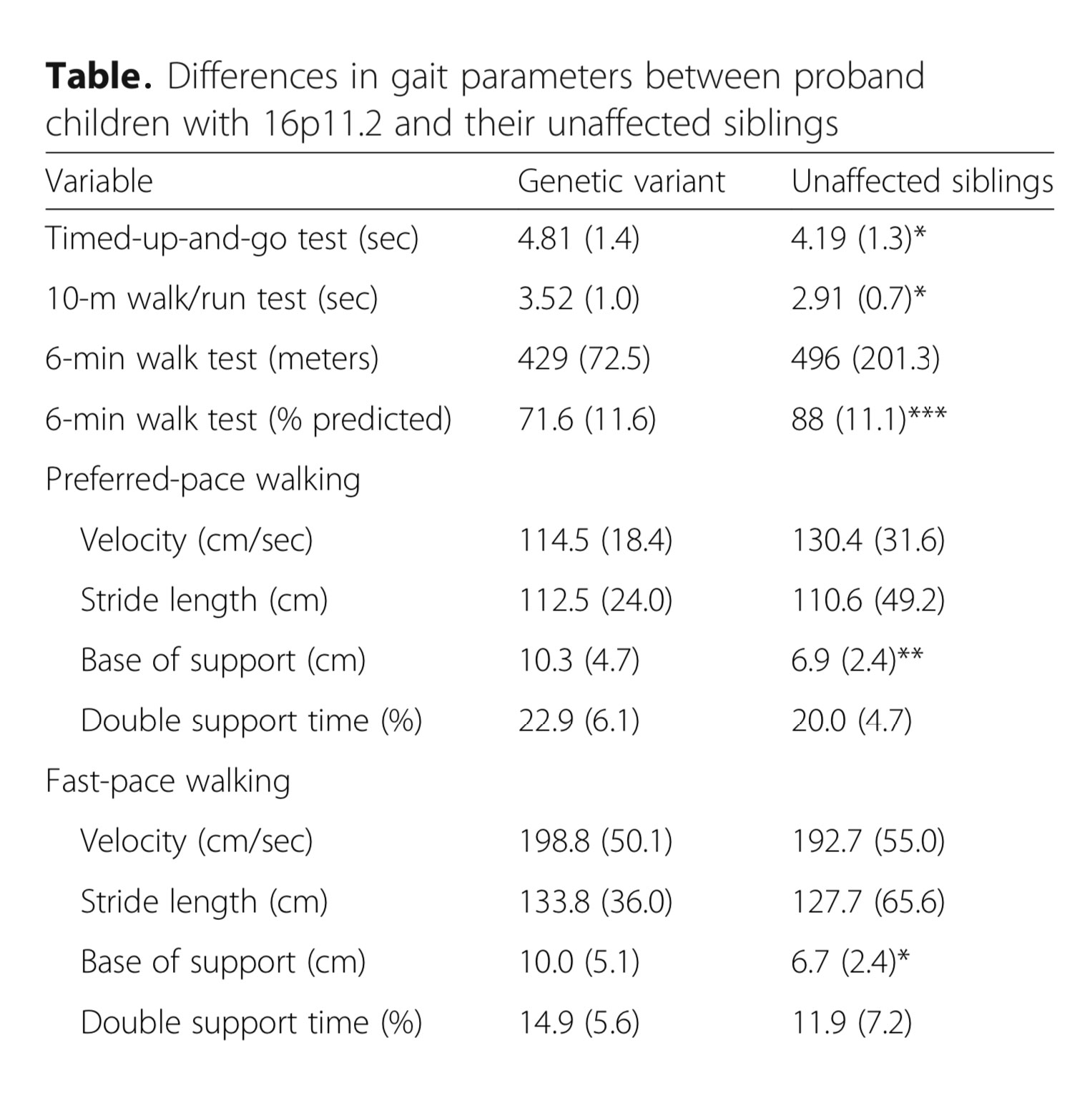
Quantitative Gait Assessment in Children With 16p11.2 Syndrome
Neurodevelopmental disorders are frequently associated with motor impairments including locomotion. These study findings highlight the importance of using precise measures to differentiate motor dysfunction in neurodevelopmental disorders.
By Sylvie Goldman, Aston K. McCullough, Sally Dunaway Young, Carly Mueller, Adrianna Stahl, Audrey Zoeller, Laurel Daniels Abbruzzese, Ashwini K. Rao, and Jacqueline Montes.
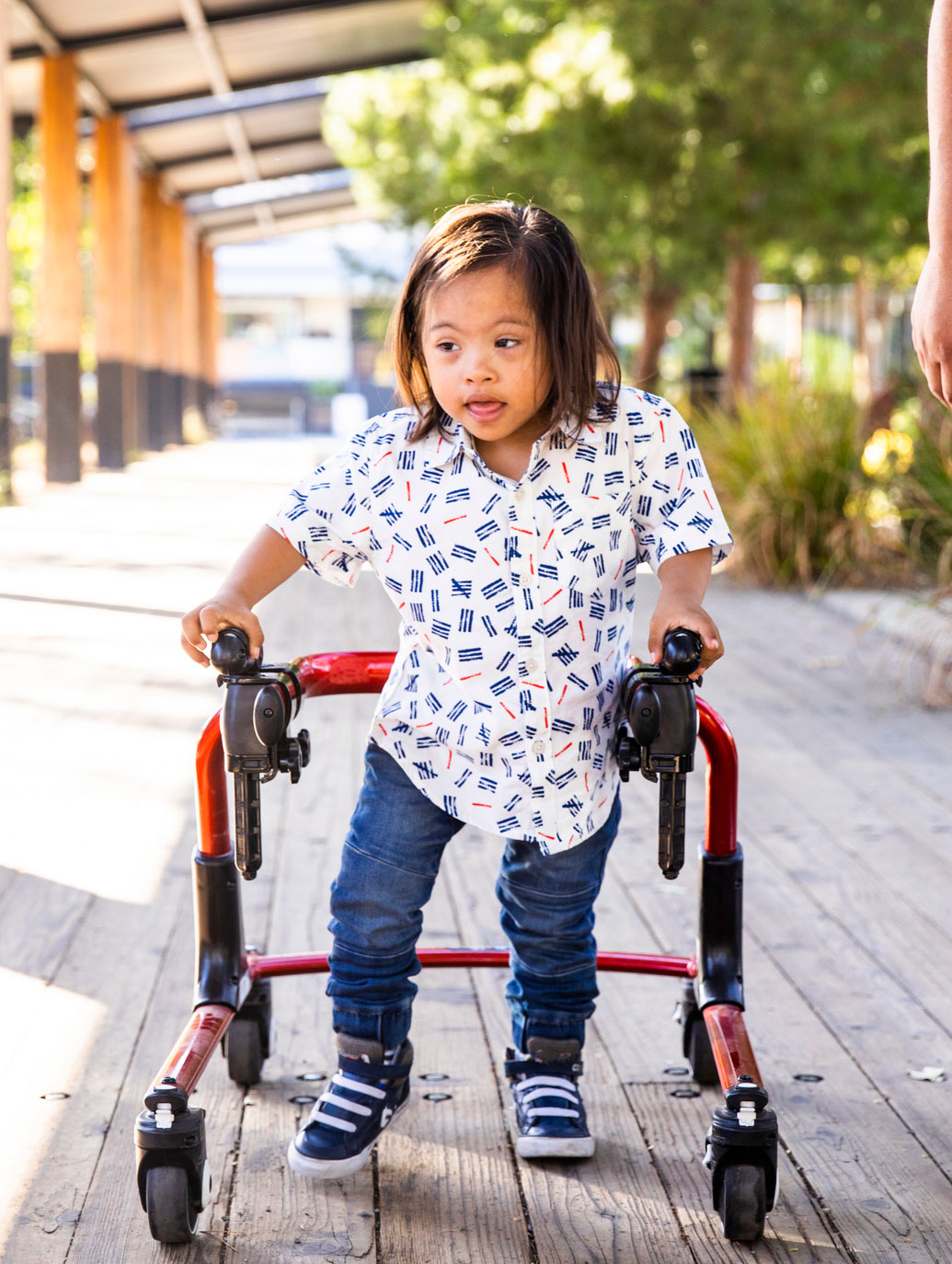
Early Orthotic Intervention in Pediatric Patients, Part 2: Down Syndrome, other neurological conditions, and toe walking
Down Syndrome is associated with a long list of compensatory gait symptoms due to hypotonia, triplanar foot and ankle misalignments, sagittal and coronal compensation at the knee, proximal weakness, and equinus contractures, all of which need to be treated. How early depends on the individual child.
By Cary Groner
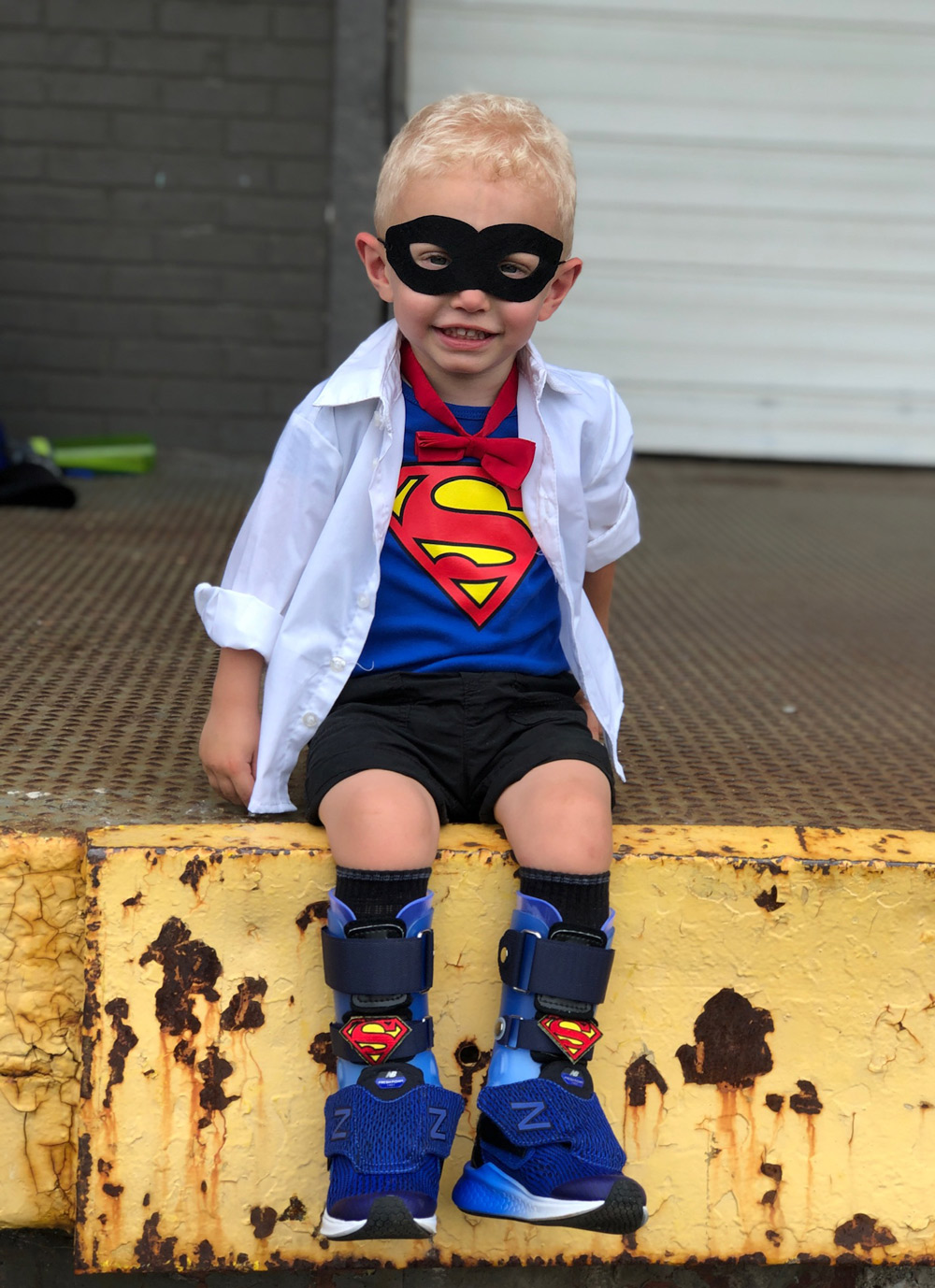
Early Orthotic Intervention in Pediatric Patients, Part I: Cerebral Palsy
Children with cerebral palsy (CP) typically encounter a host of gait- and balance-related issues associated with spasticity, dyskinesia, and weakness. How severe these are depends on CP type and the individual case. As a result, experts have long debated how early to intervene with bracing strategies that include ankle-foot orthoses (AFOs), and how long to maintain those interventions.
By Cary Groner
Healthcare Provider-Implemented Foot Evaluations for Walking Exercise Programs
Encouraging exercise and appropriate footwear selection may be key in helping patients maintain healthy activity levels. Exercise is recommended for the majority of patients regardless of age, gender, or physical disability. The 2008 Physical Activity Guidelines for Americans1 recommended that all adults perform 150 minutes…
By Audris Tien, DPM, Brad Franklin, DNP, RN, FNP-C, FAANP, and Jarrod Shapiro, DPM, FACFAOM, FACFAS

Chronic Ankle Pain? Put Os Trigonum Fracture in the Differential
This overlooked, often-left-undiagnosed ankle pathology causes long-term pain and instability. Appropriate treatment protocols, applied in a timely manner, can get patients back on their feet. The ankle presents an interesting dichotomy of strength and frailty: Whereas the ankle supports body weight, makes sharp twists and turns, and keeps the body from falling…
By Scott Pensivy, PT, LAT, ATC
Trending Now
Lower Extremity Review
ShortTakes From the Literature
Judo4Balance Improves Physical Functioning
Falls and fall-related injuries are major threats not only for older adults...

Short Breaks Help the Brain Learn New Skills
Practice is important for learning something new. Repeating an action over and...

New research network tackles diabetic foot complications
Six U.S. research institutions are launching a new multicenter network to...
Supplement improves glucose metabolism in women’s muscle
In a small trial, the muscles of women who took a supplement called...

Dynamic AFO Reduces Pain, Improves Function
Conservative treatments should be considered before pharmaceuticals and...
Introducing the American Limb Preservation Society
Every 20 seconds, somewhere around the world, someone loses their leg because...

Motion-Control Shoes Reduce Pronation-Related Pathologies
Runners frequently sustain injuries. Increased and poorly timed foot pronation...
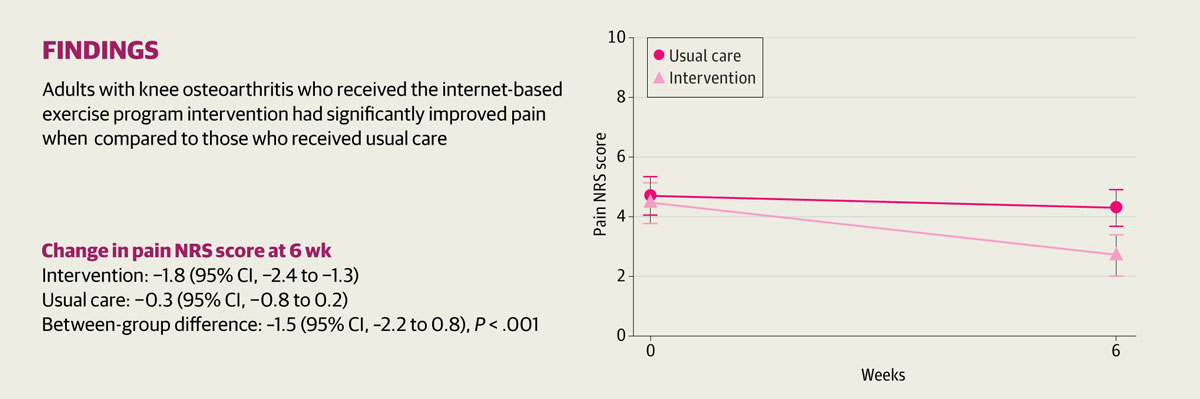
Telemedicine for Knee OA Provides Important Patient Benefit
The steadily increasing prevalence and high costs of treating chronic joint...
A Foot Forward for Optimum Health
No Results Found
The page you requested could not be found. Try refining your search, or use the navigation above to locate the post.
Industry News & Updates
Molecular Machines Could Treat Fungal Infections
That stubborn athlete’s foot infection an estimated 70% of people get at some...
AI Socket Developed to Help Transfemoral Amputees
The Korea Institute of Machinery and Materials (KIMM) has developed a smart,...
Robot Prevents Falls, Assists in Physiotherapy for the Elderly
Researchers at Nanyang Technological University, Singapore (NTU Singapore) and...
Hanger Announces CEO Transition Plan
Hanger, Inc. announced that Chairman and Chief Executive Officer (CEO) Vinit...
Advertisement

No Results Found
The page you requested could not be found. Try refining your search, or use the navigation above to locate the post.
A Message From the Publisher
Welcome to Lower Extremity Review or LER as we call it. This long awaited magazine fills the lower extremity information gap for practitioners in the fields of Podiatry, Physical Therapy, O&P Pedorthics, and Orthopedics. With over 20 years experience in multi-disciplinary editorial development and publishing, the collaboration of this incredible team has made this publication possible

Rich Dubin
Publisher and Chief Executive Officer
Featured Products
Lower Extremity Review
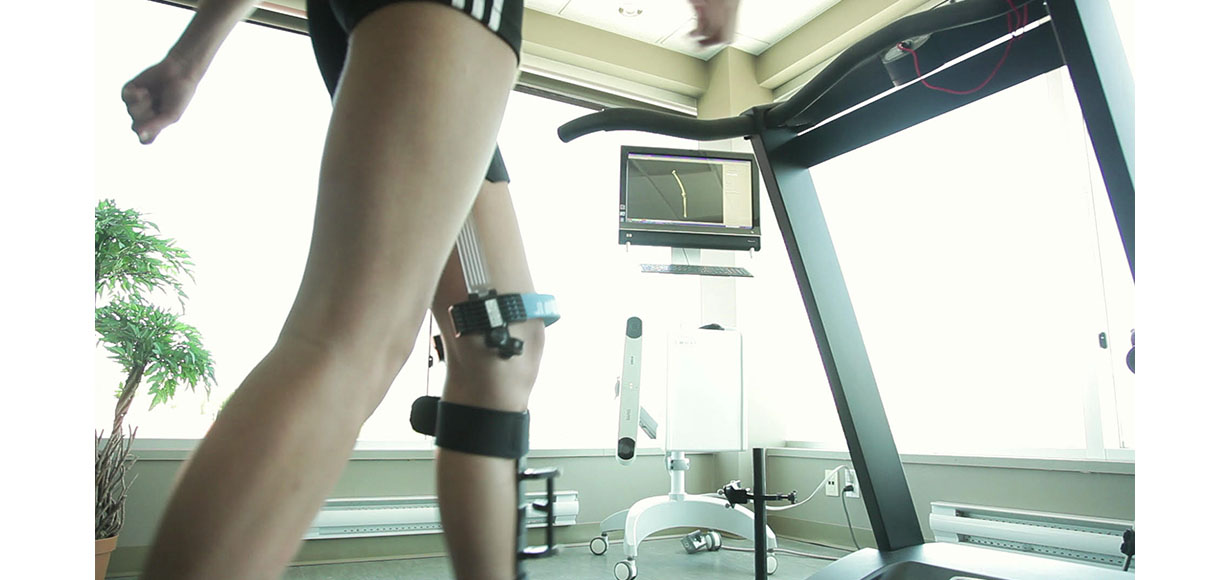
KNEEKG: KNEE KINESIOGRAPHY EXAM
KneeKG by Emovi is a novel, regulatory-cleared, in-clinic assessment tool used to conduct a knee kinesiography, which evaluates knee functional deficiencies linked to patients’ symptoms or future orthopedic disease progression. KneeKG can play an integral role in the...
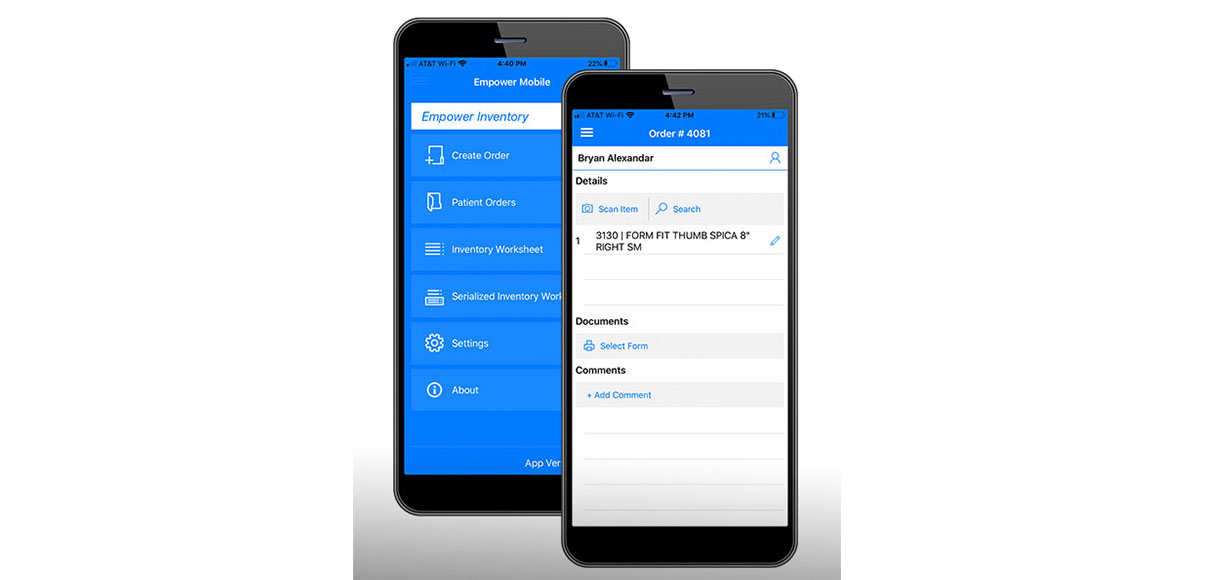
ÖSSUR’S PRACTICE MANAGEMENT APP FOR DMEPOS
Össur’s streamlined version of its Empower program provides comprehensive workflow and practice-management solutions for providers of durable medical equipment, prosthetics, orthotics, and supplies and O&P practices. It is now available via an app that is...
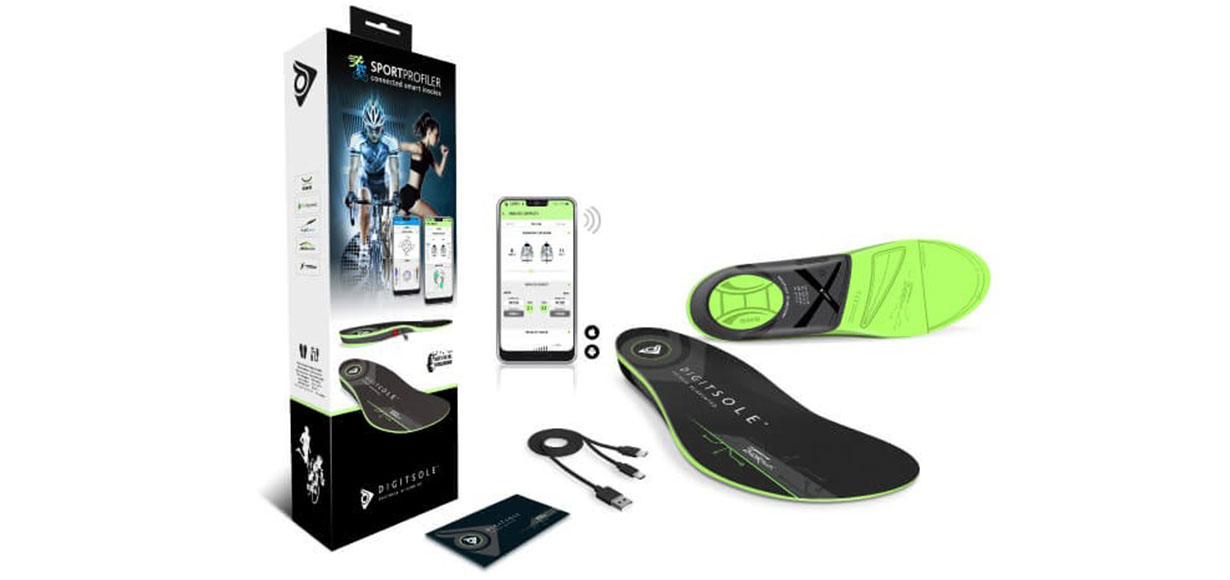
BLUETOOTH-CONNECTED INSOLES FOR RUNNING
Sport Profiler insoles from Digitsole are the first connected insoles for running that allow athletes to improve their performance by adopting a healthy gait. They are designed to analyze and interpret stride technique via multiple biomechanical parameters, prevent...
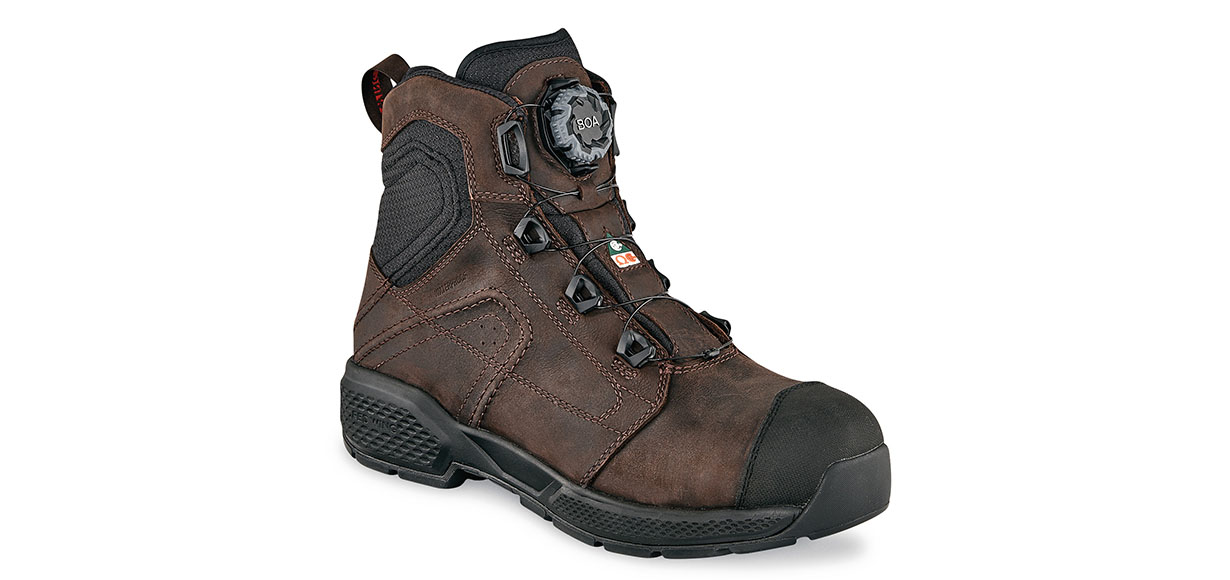
RED WING EXOS LITE LINE
Red Wing’s EXOS Lite is the company’s lightest-ever work boot. Designed for indoor and outdoor medium-duty jobs in warehousing, distribution, construction, light manufacturing, and service environments, key features of the ASTM- and CSA-compliant EXOS Lite models...
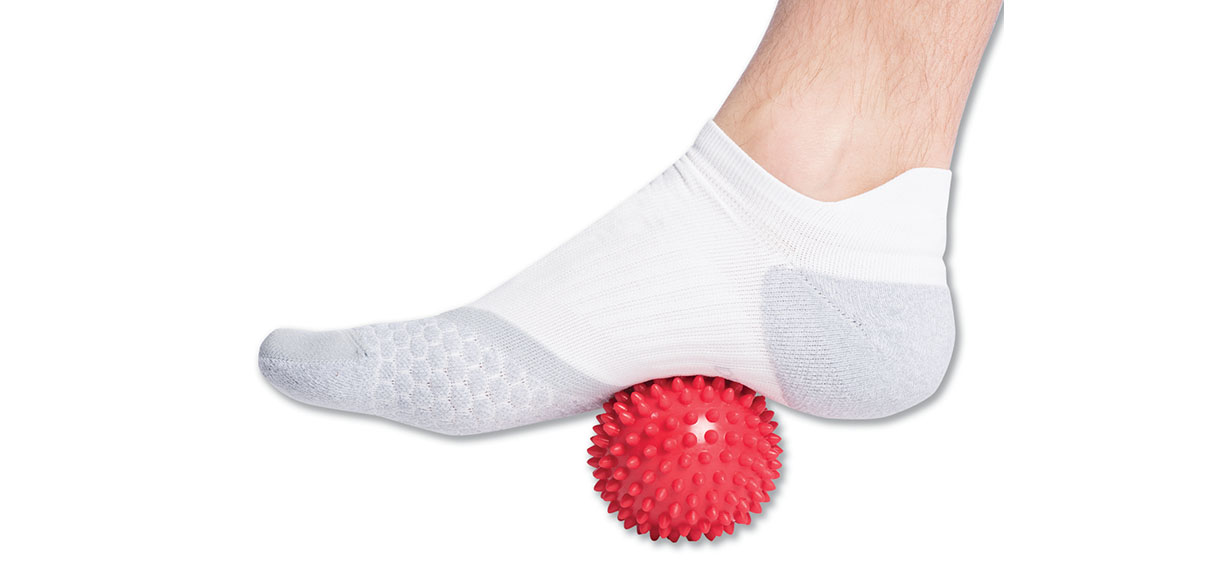
PRO-TEC ATHLETICS SPIKY MASSAGE BALL
Patients can roll away plantar fasciitis and other foot pain with the newly available Pro-Tec Athletics Spiky Massage Ball. The 3-inch-diameter firm massage ball has a spiky outer layer that offers a stimulating effect. It is designed to increase circulation and...
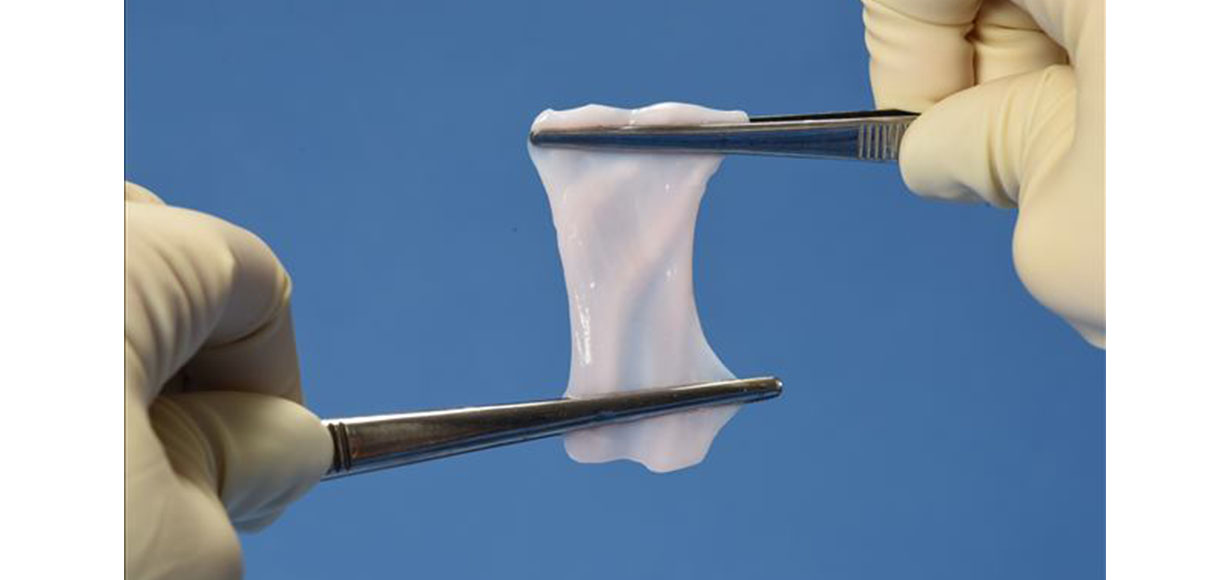
Cryo-Cord Umbilical Cord Graft Material
Royal Biologics’ Cryo-Cord is the first non-dimethyl sulfoxide (DMSO)-free viable umbilical cord graft. The material is ideal for use in foot and ankle surgery. Cryo-Cord offers a new enhancement to traditional wound care therapies and is intended for use as a soft...
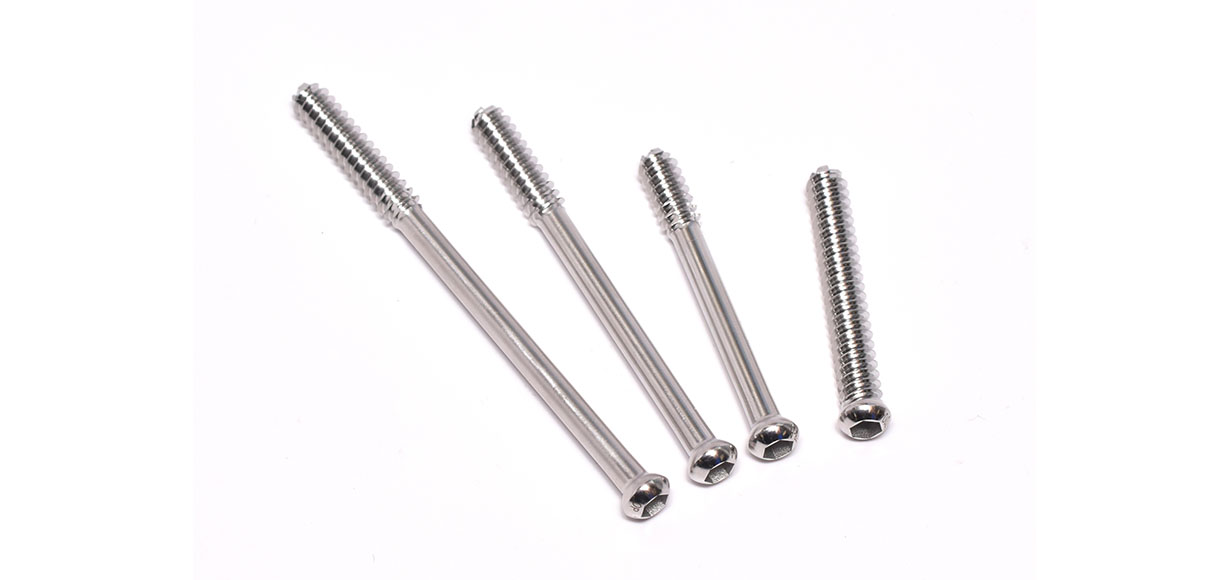
Large Fragment Cannulated Screw System
OrthoPediatrics recently launched its Large Fragment Cannulated Screw System. The innovative system in indicated to address trauma procedures, as well as treat children with slipped capital femoral epiphysis (SCFE); it includes specific design elements to address the...
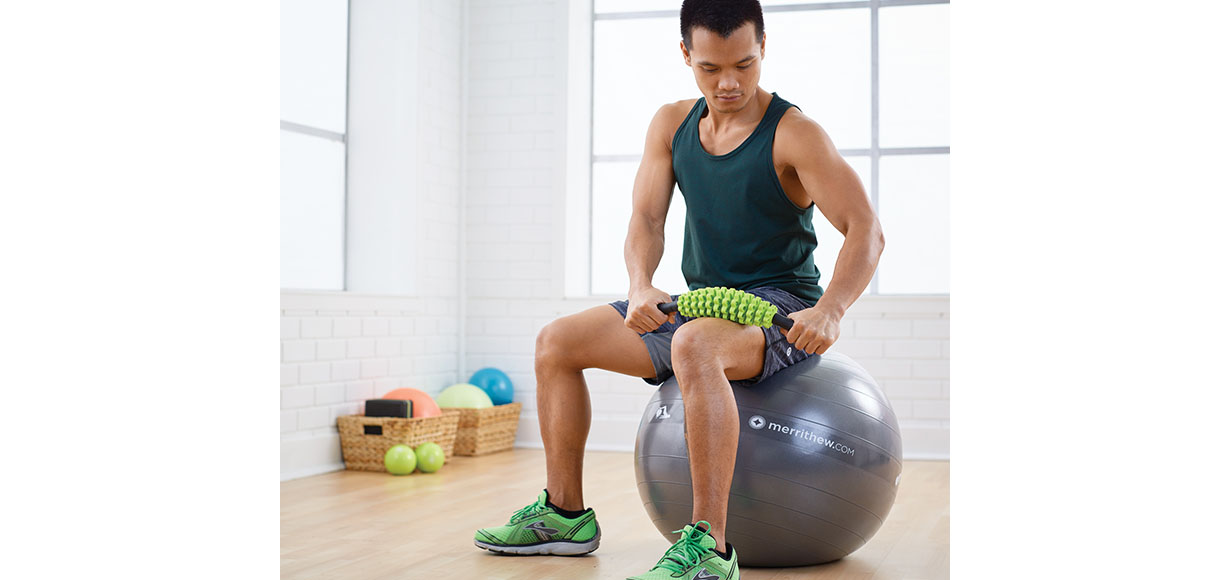
Merrithew Flex Massage Stick
The Flex Massage Stick by Merrithew is ideal for self-myofascial release and physical therapy. It is designed with removable rollers that allow the user to customize their massage, loosen tight knots, and smooth out sore muscles. Over time, injury, inactivity, poor...
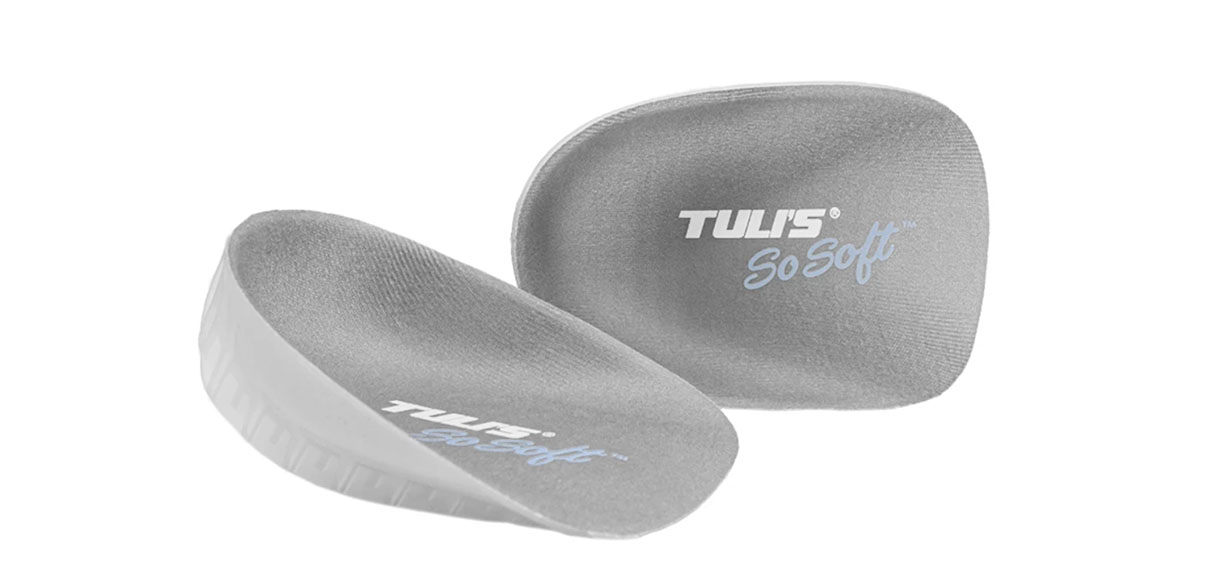
TULI’S SO SOFT INSOLES
Medi-Dyne has introduced So Soft Insoles to its Tuli’s line. The insoles combine Tuli’s multi-cell, multi-layer gel pattern for shock absorption and a soft fabric lining for added comfort and sweat reduction, for use with or without socks. And they are latex free....
Advertisement
