Test your knowledge of information from this issue of Lower Extremity Review and the world in general with our new crossword puzzle feature.
How Well Did You Read This Issue?
read more

Lower Extremity Review
Test your knowledge of information from this issue of Lower Extremity Review and the world in general with our new crossword puzzle feature.

As another year draws to a close, the natural inclination is to look ahead and plan for the future. But the beauty of the year’s end also gives us the chance to look back and appreciate the path we have travelled, the lessons we have learned, and the many, many people and organizations who have helped us on that journey.
By Janice T. Radak, Editor, and Rich Dubin, Publisher

For older adults who have fears about falling, the daily use of custom-made ankle-foot orthoses (AFOs) with walking shoes is effective in improving balance and reducing fear of falls, according to a recent study published in the journal Gerontology. In the elderly population, falls are a particularly serious problem. According to the US Centers for Disease Control and Prevention, about 3 million older patients are treated in emergency rooms for fall injuries each year.
By Robert Sberna
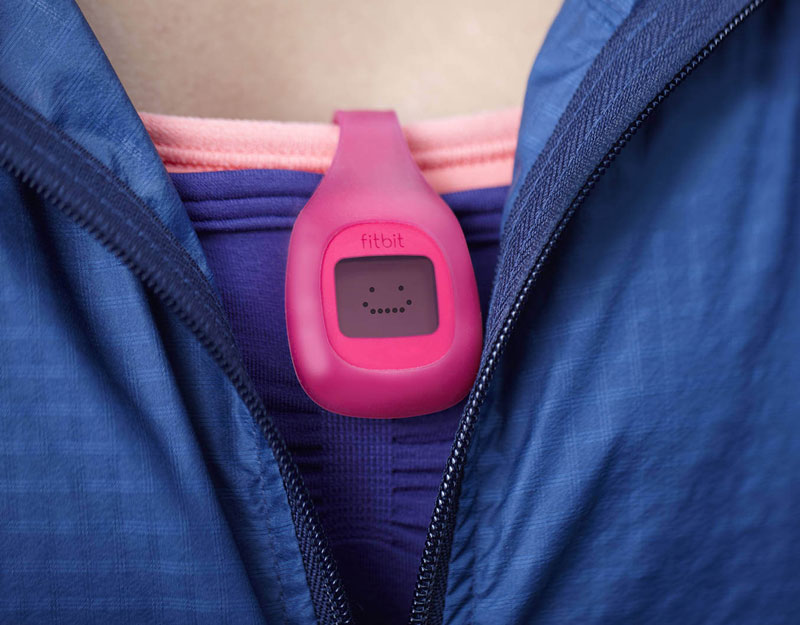
Combining structured exercise with wearable technology interventions designed to enhance non-exercise physical activity (NEPA) may help reduce cardiovascular disease (CVD) in high-risk older adults, according to a October 2019 study published in the online medical journal, Clinical Interventions in Aging. Researchers from the University of Alabama at…
By Douglas J. Guth
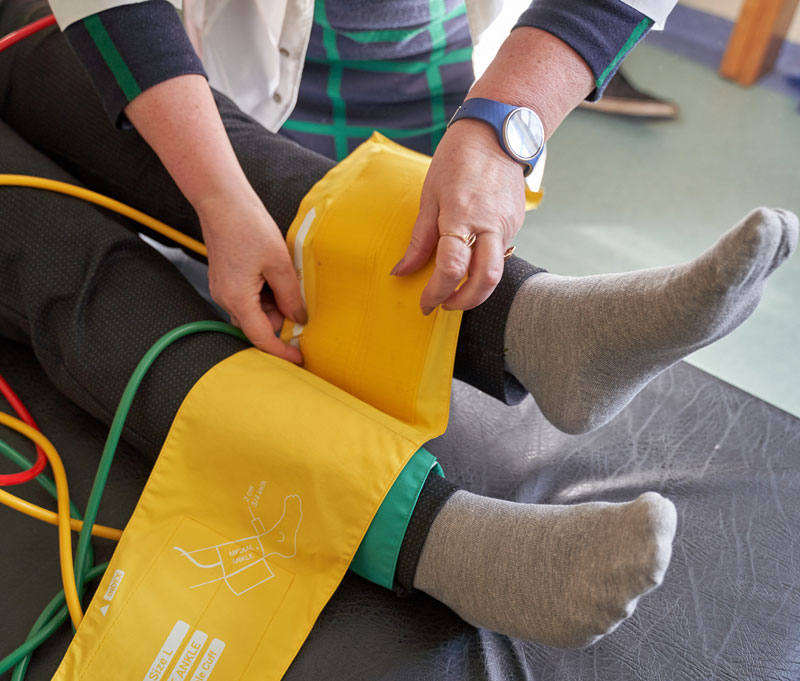
Critical limb ischemia (CLI), a condition characterized by the narrowing or blocking of arteries that lead to the legs, is the most severe form of peripheral artery disease (PAD) and a leading cause of lower-limb amputation. Moreover, patients with CLI have high mortality rates. As such, early diagnosis and treatment are key, according to a scientific statement recently published by the American Heart Association (AHA) in its journal, Circulation.

While innovations in running shoes have helped everyone from top athletes to casual joggers push the boundaries of speed, efforts to determine the characteristics of shoes that will help reduce injury risks are more elusive. In his lab at San Jose State University, JJ Hannigan, PhD, ATC, CSCS, is working to understand the way different levels of cushioning affect gait and running mechanics.
By Nicole Wetsman
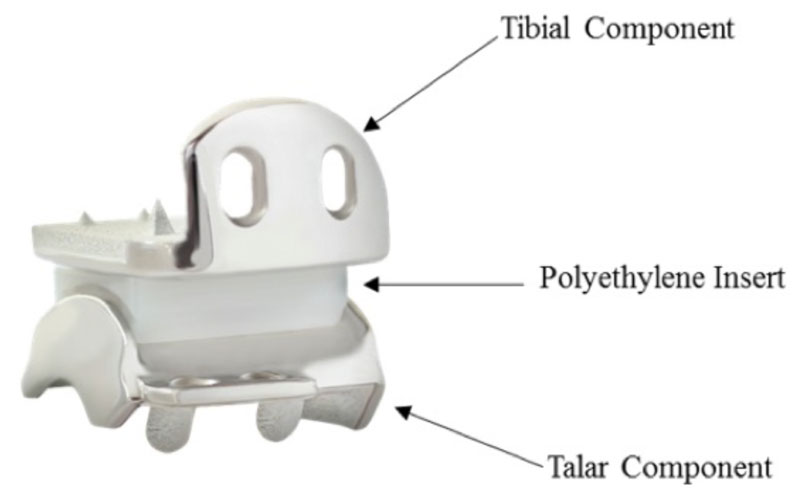
The Hintermann Series H3 Total Ankle Replacement System (DT MedTech, Towson, MD), received premarket approval from the US Food & Drug Administration (FDA). This is a non-cemented, implanted medical device intended to replace a painful arthritic ankle joint and improve ankle motion and is indicated for use in the first surgical treatment for the joint.
By Laura Fonda Hochnadel
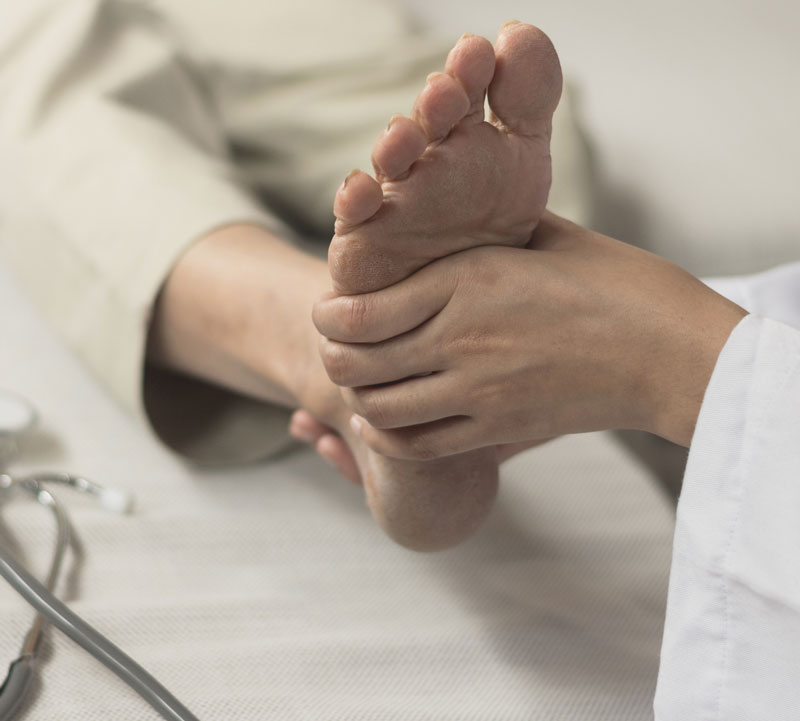
Introducing the kineticokinematic approach to treating plantar fasciitis. This approach focuses not only on the position of the foot but also on the forces that may be contributing to this highly prevalent foot condition. Heel pain is one of the most common complaints treated by lower extremity specialists, affecting an estimated 10% of the population.
By Pedro Aldape-Esquivel, DPM and Jarrod Shapiro, DPM, FACPM, FACFAS

Why are female basketball players increasingly at risk of lower-extremity injury? How should an injury prevention program for them be devised and implemented? The authors undertook a team study to find the answers. Knee injuries account for 10% to 25% of sports-related injuries.
By Major Kyle East, PT, DPT, DSC; Lieutenant Commander Lauren Brown, PT, DPT, DSC; and Colonel Donald Goss, PT, PHD
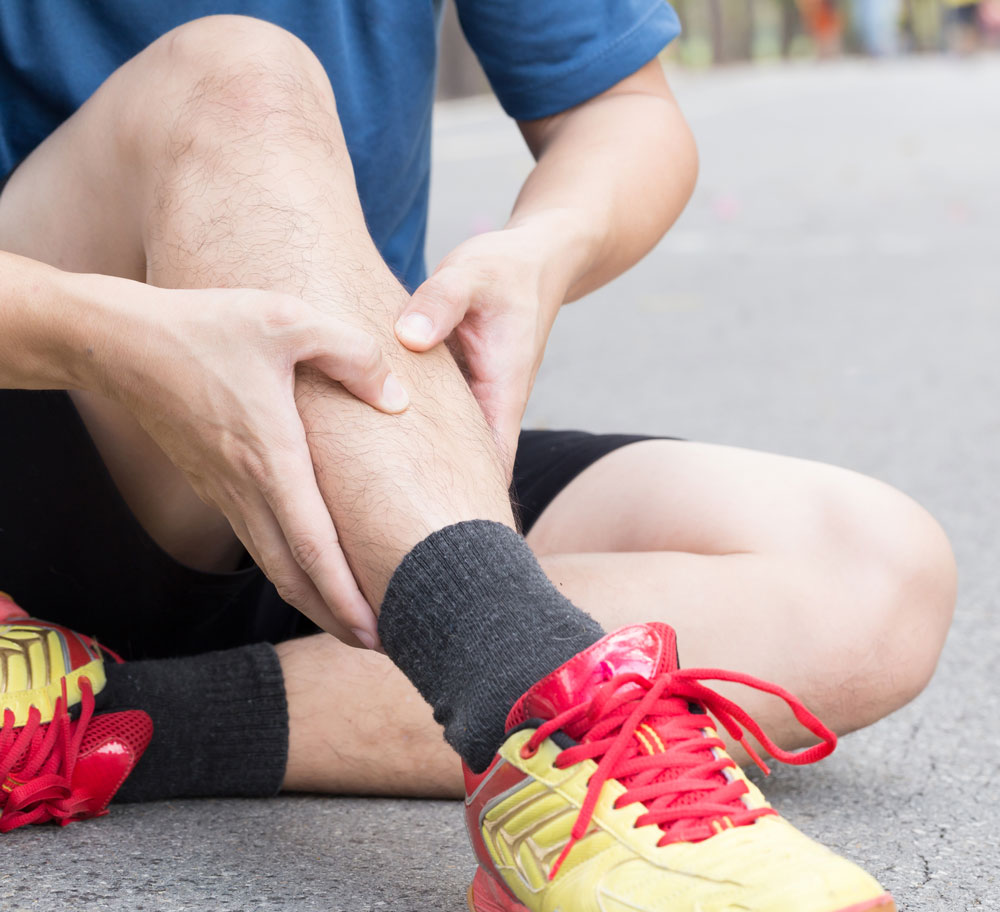
While most agree it is an overuse injury, treating MTSS (aka shin splints) should involve rest, proper diet, and sometimes avoiding NSAIDS. It’s been decades since I had a case of shin splints, but I remember vividly how painful it was. I was 20 years old and overtraining—especially given the sorry state of my running shoes—and I felt as if I had a burning coal lodged along the medial side of my left shank. Every step hurt.
By Cary Groner

Podiatrists are among the providers targeted by efforts to revise regulation of referral for Medicare services. The goal? Modernize governance of a changing healthcare industry. The federal Physician Self-Referral Law (known commonly as the “Stark Law” or, simply, “Stark”) and its regulations generally prohibit physician referrals of Medicare patients for certain designated healthcare services when the physician has a…
By Daniel F. Shay, Esq.
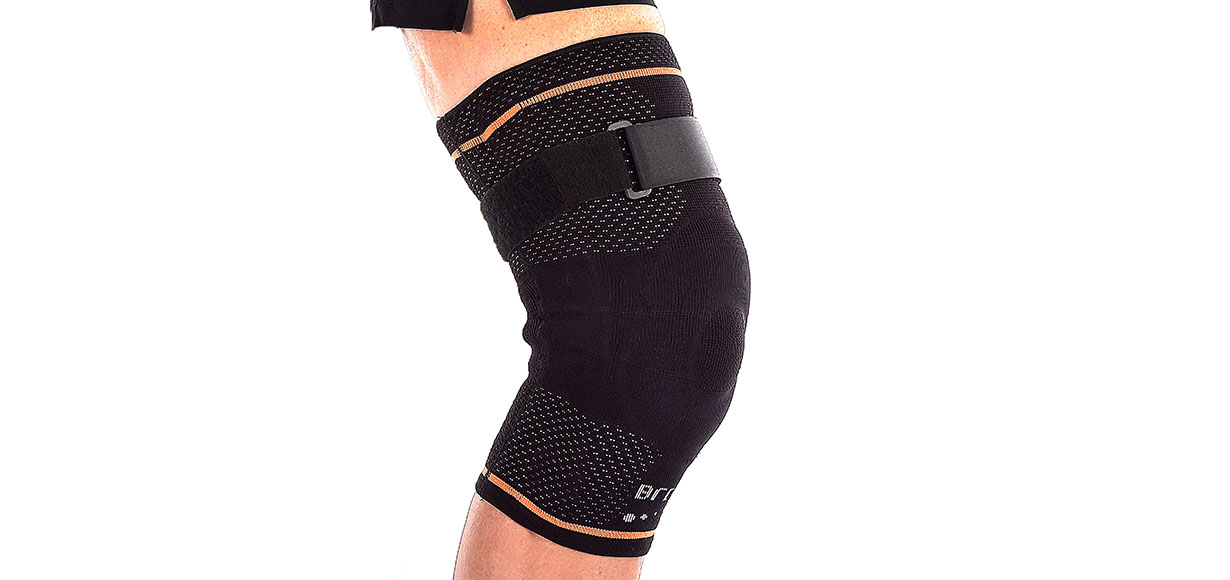
The BRD Sport G18 Plus Knee Brace offers extra relief and stability from pain and injuries related to arthritis and physical activities and features an adjustable strap, as compared to the company’s G18 Knee Brace. The G18 Plus Knee Brace is designed to stabilize the kneecap when it is vulnerable and prevent further injury or damage. The brace’s 3D technology offers targeted compression and reduces swelling while relieving pain and inflammation.
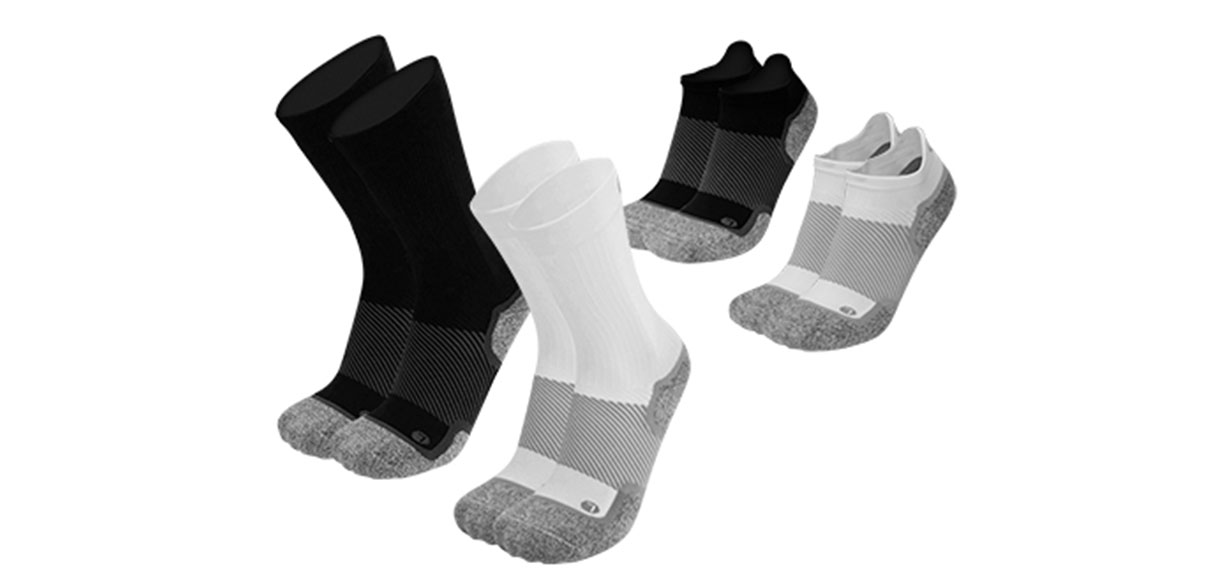
OS1st WP4 Wellness Performance Socks are the latest innovation in ING Source’s Socks with Purpose Program. The WP4s are strategically designed for individuals who suffer from diabetes, sensitive feet, edema, neuropathy, and poor circulation. They feature four zones of graduated compression to help boost circulation, reduce friction, and provide overall foot support.
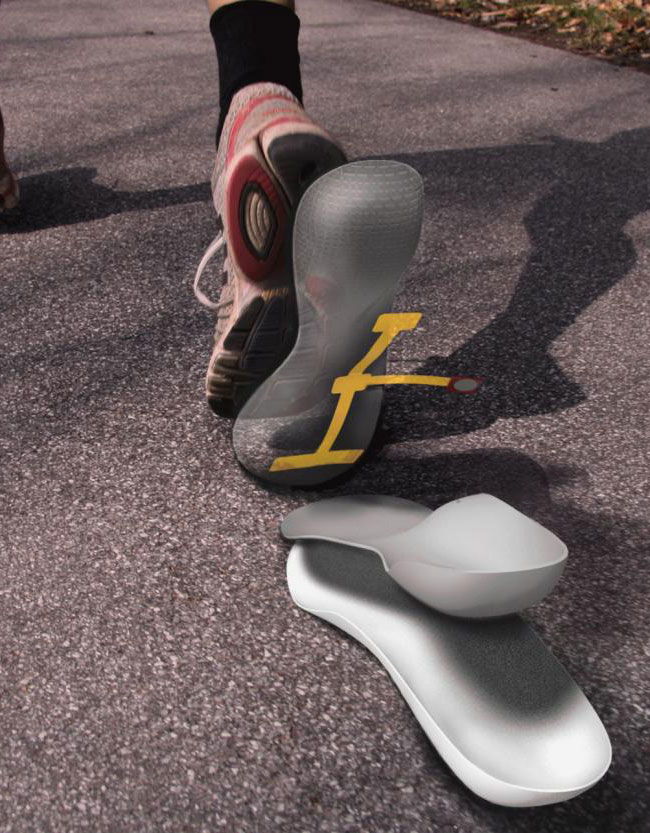
Stevens Institute of Technology (Stevens), Hoboken, NJ, has signed an exclusive licensing agreement with health and technology company Bonbouton, New York, giving Bonbouton the right to use and further develop a graphene sensing system that detects early signs of diabetic foot ulcers (DFUs) before they form. Left untreated, DFUs can cause severe tissue and bone damage and may ultimately lead to amputation.
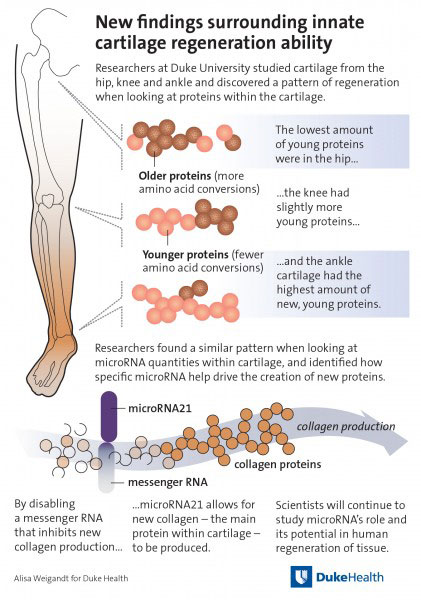
Cartilage in human joints can repair itself through a process like that used by creatures such as salamanders and zebrafish to regenerate limbs, researchers at Duke University Health System (Duke Health), Durham, NC, found. In their article, published online in the journal Science Advances, the researchers identified a mechanism for cartilage repair that appears to be more robust in ankle joints and less so in hips. The finding could potentially lead to treatments for osteoarthritis, they said.
Join
Stay in the loop with the latest news and updates! Subscribe now to receive exclusive content, special offers, and important announcements straight to your inbox. Don’t miss out – join our community today for all the latest updates delivered directly to you.