Click on image to download the issue in PDF format
Cover Story

Foot drop, a complex condition that can have a significant impact on independent ambulation, can have many causes. Treatment options vary by cause. These authors provide a review of the condition from etiology through treatment. Foot drop (also known as steppage gait) is an inability to lift the forefoot due to the weakness of dorsiflexors ...

Researchers from Korea have developed a new type of AFO that uses neoprene and a novel wire configuration for use with foot drop after stroke. Foot drop can be a sequela of stroke. An ankle–foot orthosis (AFO) is the most widely used method to prevent foot drop in patients with stroke, and is used during ...
Guest Perspectives

Athletes in all sports are constantly looking for an edge. Often, the focus is on increasing speed. The importance of high-intensity training cannot be underestimated, but there are prerequisites. These are part of the MAF Method, allowing athletes to develop a lasting individualized plan to improve fitness — including speed — while also maintaining optimum health.
By ...
Feature Articles
With increasing demand for biomaterials that have the ability to support wound healing, tissue engineers have been challenged to develop innovative bioactive scaffold materials. In general, bioactive materials have the mechanical properties of the tissue to be replaced while supporting biological activities such as cellular adhesion, proliferation, differentiation, and angiogenesis.
By Windy Cole, DPM, CWSP
As obesity and type 2 diabetes continue to be growing public health burdens, clinicians will be faced with increasing numbers of patients who suffer from their complications, in particular, peripheral neuropathy. These authors review the multiple medications available to help. A 2015 report published in the Journal of Pain, found that…
By Shana Shetty, DPM PGY3, ...
Inventors Corner

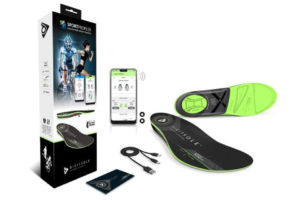
In 2007, wearable sensor technology was just gaining traction. Applications (known as apps) largely focused on fitness and wellness, measuring things like numbers of steps and hours of sleep. However, Ashkan Vaziri, Ph.D., and a few friends had an idea for a different approach: They believed that wearable sensors with medical applications could help older ...
From the COVID-19 Frontlines
Since the spring, it has been demonstrated that masks are a critical deterrent to the spread of SARS-CoV-2, the virus that leads to COVID-19, the worldwide pandemic that has claimed more than 240,000 American lives, and more than 1.25 million lives globally. Experts are agreed now that transmission of the virus is predominately by respiratory ...
From the Literature
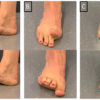
Tibialis posterior tendon dysfunction/tendinopathy (PTTP) is a common debilitating condition. The diagnosis is largely clinical with physical examination sufficient to make the determination. Patients will commonly complain of pain in the medial foot and behind the medial malleolus that worsens with prolonged standing and activity.
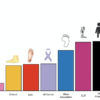
The purpose of this brief report was to refresh a 2007 data summary comparing diabetic foot complications to cancer with the best available data as they currently exist. Since that time, more reports have emerged both on cancer mortality and mortality associated with diabetic foot ulcer (DFU), Charcot arthropathy, and diabetes-associated lower extremity amputation.
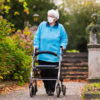
Keeping older adults physically active is critical to health maintenance and walking is a key form of exercise for this population. However, foot pain represents a leading cause of mobility limitations and lower quality of life in older individuals. Nearly 25% of adults report foot pain, and those with frequent foot pain are at double ...
While a good patient-provider relationship has been the bedrock of today’s much-needed patient satisfaction scores, such relationships are also proving to boost functional outcomes. In a recent study published in the Annals of Family Medicine, physician researchers from Case Western Reserve University…
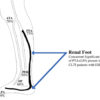
Patients with chronic limb threatening ischemia (CLTI) and end-stage renal disease (ESRD) have greater risk of limb loss compared to those with CLTI alone. These researchers investigated angiographic patterns in patients with CLTI and evaluated for differences based on ESRD status.
Industry News & Updates