January 2026
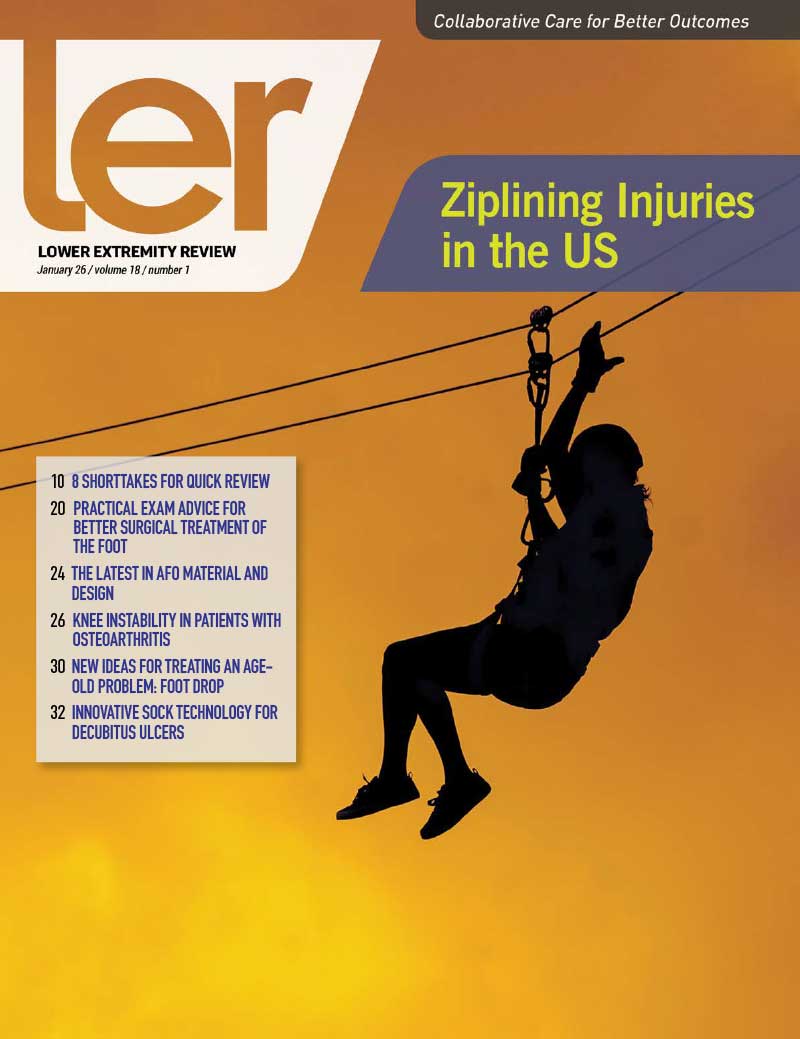
Click on image to download the issue in PDF format
Cover Story
A zipline is a horizontal rope, wire, or beam with a mechanical system that allows a person to slide along the rope, wire, or beam by hanging beneath it. Ziplines can range from something as simple as a piece of wire and a clothesline pulley to complex assemblies containing cables, attachments, trollies, computer control systems, hydraulics, motors, and sophisticated braking systems. Using ziplines has gained popularity as a form of outdoor recreation. As of 2020, there were over 400 commercial ziplines in the U.S. that provided more than 70 million rides annually.
By Mathias B. Forrester, BS
Features
The non-weight-bearing examination is the foundation of a comprehensive biomechanical assessment. It allows the clinician to evaluate intrinsic structure, available joint range of motion, and inherent pathomechanics without the confounding influence of body weight and compensation. Isolating individual joints and segments in an unloaded state is critical for identifying pathology, determining...
By Patrick DeHeer, DPM FACFAS, FFPM RCPS (Glasg)
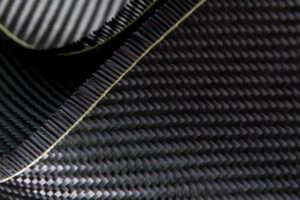
Advances in ankle-foot orthoses (AFOs) are revolutionizing how podiatrists, physical therapists and O&P clinicians support lower-limb mobility and rehabilitation. In this 3-part series, we explore the latest evidence, cutting-edge materials, and innovative design strategies that are shaping the future of AFOs. This short series offers a look at how today’s breakthroughs are...
By Keith Loria
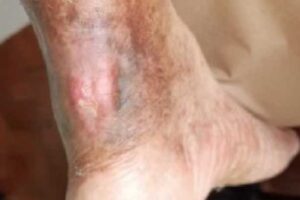
Decubitus ulcers can be a persistent and serious challenge, particularly in patients with diabetes, peripheral arterial disease, neuropathy, stroke, and other conditions that impair circulation and sensation. These ulcers can result in prolonged healing times, infection, reduced quality of life and amputation. Effective prevention and management strategies require interventions that...
ShortTakes From the Literature
Achilles tendon ruptures are common injuries among adults that can cause substantial pain and disability. While prior studies have reported on return-to-play rates in athletes, limited data exist regarding functional outcomes within a military population.
Diabetic foot Ulceration (DFU) is a severe complication of diabetic foot syndrome, often leading to amputation. In patients with neuropathy, ulcer formation is facilitated by elevated plantar tissue stress under insensate feet. This study presents a plantar pressure distribution analysis method to predict diabetic peripheral neuropathy.
This study aims to synthesize existing evidence on the effectiveness of nonpharmacological interventions designed to increase the intrinsic capacity (IC) of community-dwelling older adults. An umbrella review of systematic reviews from 2015 to October 31, 2024 was conducted. The review included 5 databases.
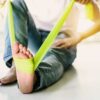
Foot and ankle muscle strengthening exercises are common interventions for many musculoskeletal conditions that are associated with pain and limited function in the lower limb. Science offers many strengthening exercises but has been criticized for not adhering to best practice. A systematic search of peer-review journal articles was conducted.
Knee crepitus, the audible crackling or grinding noise during knee joint movement, has been proposed as an early clinical indicator of structural osteoarthritis (OA). One year following anterior cruciate ligament reconstruction (ACLR), 112 participants self-reported the presence and/or absence of knee crepitus using an item from the...
The mean age of volleyball athletes has increased over the past decade, raising concern for musculoskeletal injuries. To evaluate epidemiologic trends, diagnoses, and mechanisms of volleyball-related lower extremity injuries within different adult age groups. Data on volleyball-associated lower extremity injuries in patients ≥19 years of age was...
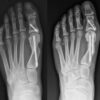
Radiographs demonstrating single-screw (left) and dual-screw (right) fixation following minimally invasive distal metatarsal osteotomy for hallux valgus correction. Minimally invasive surgery (MIS) for hallux valgus has evolved significantly, with ongoing debate about optimal fixation methods. Fourth-generation techniques typically use 2 metatarsal screws; however...
Treatment-induced diabetic neuropathy (TIND), also known as insulin neuritis, is a rare but important complication that can occur after rapid correction of chronic hyperglycemia in patients with long-standing diabetes. It manifests as acute, severe neuropathic pain with autonomic dysfunction despite improved glycemic control. Chronic neuropathic pain, which arises from...
STEP BY STEP
 Advancing Clinical Outcomes One Step at a Time
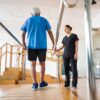
STEP BY STEP is a new column in which each installment I will present a detailed case study focused on the assessment of gait abnormalities. The intention is to thoroughly explore these gait deviations, consider their potential implications for patient mobility and quality of life, and discuss possible interventions that may improve outcomes.
Your insights and feedback are encouraged and valued throughout the examination of each case study. Additionally, if you have relevant cases you would like to share, you are invited to submit them for review and discussion as part of this ongoing series.
Gait, refers to the manner in which a person walks, is fundamental not only to physical health but also to overall quality of life. Achieving a near-normal gait pattern when providing rehabilitative care is crucial for several reasons: optimizing biomechanical efficiency, improved minimizing secondary health issues, enhancing psychological well-being, and improving social integration.
By Pamela K Hale, CPO
A Foot Forward for Optimum Health

“A Foot Forward for Optimum Health” is a column designed to enlighten the old guard in a new way about lower extremity impairment as it pertains to foot drop. The intent is to challenge evidence-based research and practice so that it addresses real world issues shaped by social determinants of health. For every common issue is an uncommon response that will provide insight to improve health outcomes by putting one foot forward at a time–efficiently and effectively.
McCormick et al1 have described surgical interventions to restore ankle range of motion (ROM) due to foot drop and physicians conducted a thorough review of and outcomes of these different approaches. Throughout the article, the focus was on restoring to neutral or zero degrees of ankle dorsiflexion in hopes of not having to use ankle foot orthosis (AFO).
By Dr. Jennifaye V. Brown
Industry News & Updates
The Centers for Medicare & Medicaid Services and the Durable Medical Equipment Medicare Administrative Contractors (DME MACs) recently released a final revision to the Knee Orthoses Local Coverage Determination (LCD) and corresponding Policy Article, which take effect January 25, 2026.
An artificial intelligence (AI)–powered tool helped patients make more confident, personalized decisions about knee replacement surgery–and led to better outcomes months later–according to a new study from researchers at Dell Medical School at The University of Texas at Austin.
In Elisa Arch’s Orthotics and Prosthetics for Enhanced Mobility Lab, at the University of Delaware (UD), Newark, students are exploring how a specially designed ankle-foot orthosis (AFO) from medical device start-up Biomotum, Portland, Oregon, can help people with Achilles tendinopathy (AT) regain mobility. The device, used alongside sensors, is tested on a split-belt treadmill, allowing...
Athletes are 2.5 times more likely than the general public to develop nail fungus, according to a study in the Journal of the American Academy of Dermatology. The condition can disrupt training, change performance, and end careers. However, until now, no thorough study has examined how nail fungus affects various sports. Toward this end, Case Western Reserve University and...
Researchers at the Nagaland University in India have identified a naturally occurring plant compound called Sinapic acid, a naturally occurring antioxidant found in various edible plants, as a powerful therapeutic agent that can significantly enable wound healing in patients with diabetes. Their study demonstrated that oral administration of Sinapic acid can accelerate diabetic...
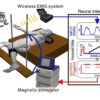
Spinal cord injury (SCI) rostral to the lumbar locomotor center disrupts communication between the brain and the spinal circuits that control leg movements, leading to paraplegia. A research team led by Dr. Yukio Nishimura of the Tokyo Metropolitan Institute of Medical Science (TMIMS), Japan, in collaboration with Dr. Toshiki Tazoe and colleagues, has now demonstrated a novel...
Trulife has been awarded the 2025 Hanger Partner Award for Operational Performance at Hanger Live 2026, recognizing excellence in electronic data interchange transaction accuracy and consistently high on-time delivery performance. The recognition carries particular significance given Hanger’s position in orthotic and prosthetic patient care, known for its clinical network and commitment to...
Featured Products