MS and gait: Assessment facilitates opportunity

MS and gait: Assessment facilitates opportunity

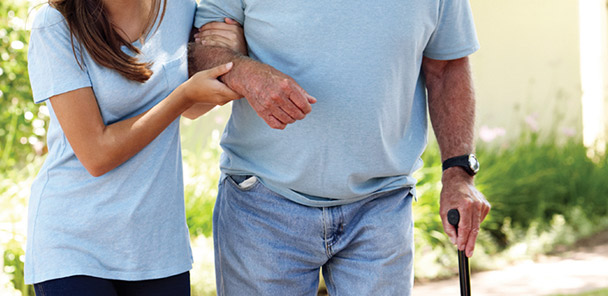
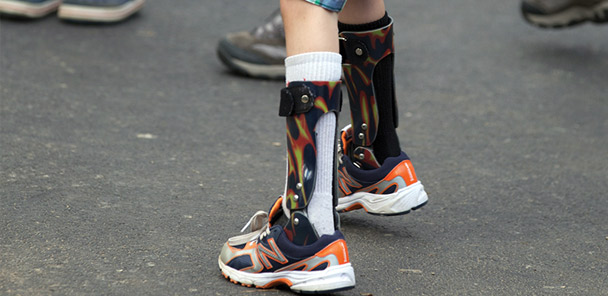
Significant progress has been made in quantifying gait impairment in patients with multiple sclerosis, but clinician-friendly assessment techniques that are sensitive to mild levels of impairment are needed to facilitate early intervention and in turn improve patient outcomes.

By Douglas A. Wajda and Jacob J. Sosnoff, PhD

read more
Post-traumatic OA: Unique implications for the military

Post-traumatic OA: Unique implications for the military

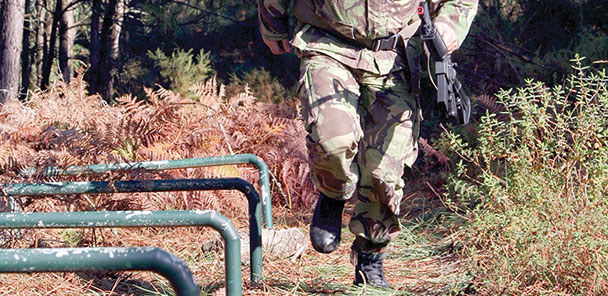
Military populations experience high rates of disability related to post-traumatic osteo­arthritis (PTOA), which does not always originate from combat injury. But military researchers are also uniquely posi­tion­ed to explore therapeutic options to minimize the effect of PTOA.

By Jessica C. Rivera, MD, Joseph C. Wenke, PhD, James R. Ficke, MD, and Anthony E. Johnson, MD

read more
A new approach to iliotibial band syndrome in runners

A new approach to iliotibial band syndrome in runners

Variables related to iliotibial band strain appear to be important risk factors for development of iliotibial band syndrome (ITBS) in runners, a finding that is beginning to change the way researchers assess the effectiveness of gait retraining interventions to treat or prevent ITBS.

By Stacey Meardon, PT, PhD, ATC, CSCS, and Ross H. Miller, PhD

read more
Kicking biomechanics: Importance of balance

Kicking biomechanics: Importance of balance

Kicking is a whole-body movement that is responsive to a wide range of constraints related to the task, the environment, and the athlete. Preliminary research also suggests that balance control in the support leg plays a key role in athletes’ kicking performance.

By David I. Anderson, PhD, and Ben Sidaway, PT, PhD

read more
Retraining fixes faulty gait in injured runners

Retraining fixes faulty gait in injured runners

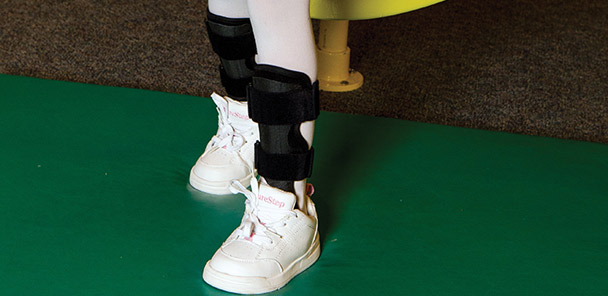
Although the technique is still in its infancy, early research suggests gait retraining can be used to address medial collapse, primarily in runners with patello­femoral pain (PFP) syndrome, and to reduce impact loading in runners with PFP or tibial stress fracture.

By Ashlin Miller, BS, and Richard W. Willy, PhD, PT, OCS

read more
Soft tissue composition and bone injury risk

Soft tissue composition and bone injury risk

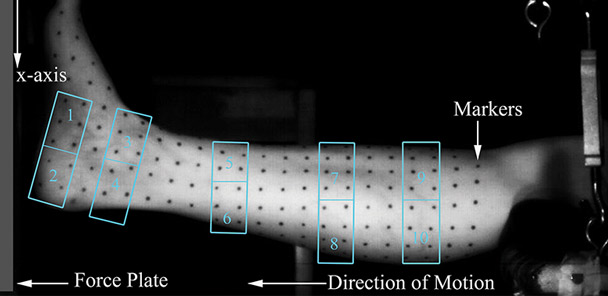
Documenting how shock propagates through the leg and is attenuated by the soft tissues appears to be a critical step toward advancing practitioners’ and researchers’ understanding of lower extremity injury mechanisms related to running and landing activities.

By Timothy A. Burkhart, PhD, EIT, Alison Schinkel-Ivy, MHK, and David M. Andrews, PhD

read more
Microfracture surprises tarnish the experience

Microfracture surprises tarnish the experience

US orthopedic surgeons perform more than 25,000 microfractures annually, making the procedure the most common marrow-­stimulating technique used for repair of the cartilage defects that often affect active individuals.1 Although microfracture is a single-stage, low-cost intervention that requires only surgical time and common surgical tools, it requires…

By Emily Delzell

read more

Join

Subscribe For Updates

Stay in the loop with the latest news and updates! Subscribe now to receive exclusive content, special offers, and important announcements straight to your inbox. Don’t miss out – join our community today for all the latest updates delivered directly to you.