Intermittent claudication: next-generation therapy

Intermittent claudication: next-generation therapy

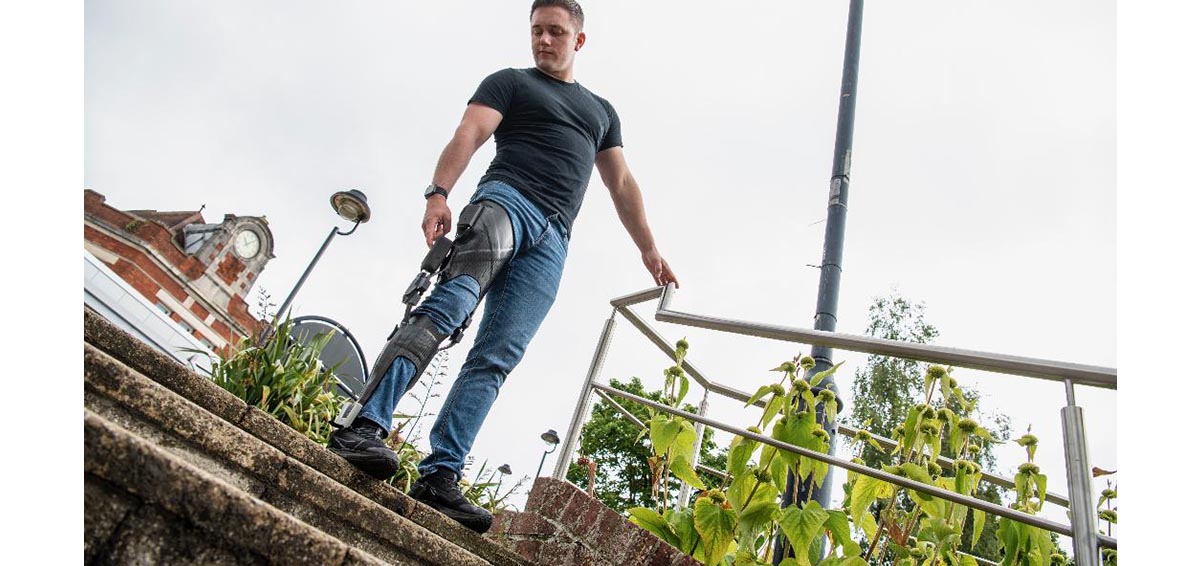
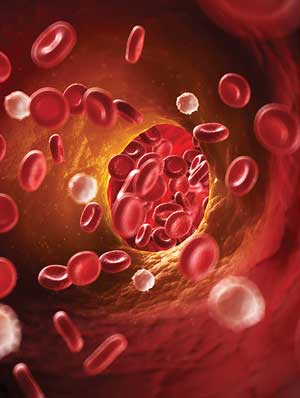
Given that existing therapies for intermittent claudication are not appropriate for all patients, researchers are working to develop new therapies focused on improving patients’ ability to compensate for a vascular occlusion by expanding collateral artery pathways.

By Steven J. Miller, PhD; A. George Akingba, MD, PhD; and Joseph L. Unthank, PhD 
read more
Running in an exerted state: mechanical effects

Running in an exerted state: mechanical effects

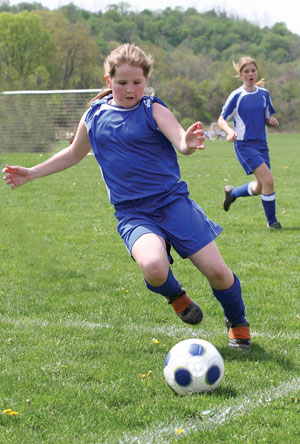
Kinematic and kinetic alterations in the lower extremities that researchers have observed during the course of a prolonged run may provide clinically relevant insights into patellofemoral pain and other conditions associated with a gradual onset of symptoms during exercise.

By Lauren Benson, MS; and Kristian O’Connor, PhD

read more
Fifth met fractures and osteoporosis in women

Fifth met fractures and osteoporosis in women

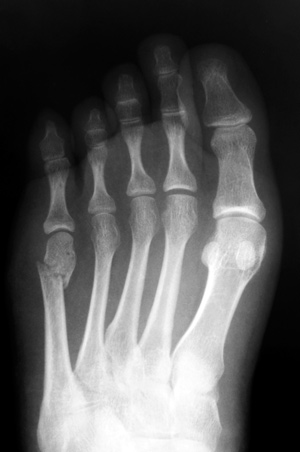
Given that older women are at increased risk for osteoporosis, an increased incidence of fifth metatarsal fractures with increasing age in women suggests that such injuries could serve as an early point of entry into osteoporosis treatment and fracture prevention.

By David Beck, MD, Justin Kane, MD, and David Pedowitz, MD   

read more
Cryotherapy and muscle recovery after exercise

Cryotherapy and muscle recovery after exercise

Research utilizing contrast-enhanced ultrasound suggests that, although cryo­therapy effectively decreases the pain associated with exercise-related muscle damage, those symptomatic effects are not associated with decreased blood flow in the affected skeletal muscle.

By Noelle M. Selkow, PhD, ATC, and Susan A. Saliba, PhD, MPT, ATC

read more
Running modifications to alter PFJ contact force

Running modifications to alter PFJ contact force

Patellofemoral pain interventions have increasingly focused on running technique and training approaches—such as utilization of a forefoot strike pattern, a shortened step length, and manipulations to training pace—to reduce patellofemoral joint loading parameters.

By Collin D. Bowersock, BS, and John D. Willson, PT, PhD

read more

Join

Subscribe For Updates

Stay in the loop with the latest news and updates! Subscribe now to receive exclusive content, special offers, and important announcements straight to your inbox. Don’t miss out – join our community today for all the latest updates delivered directly to you.