Hemophilia: Guidance on Socks and Footwear

Hemophilia: Guidance on Socks and Footwear

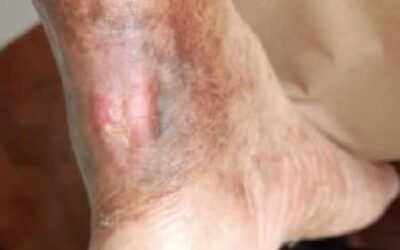
For someone with hemophilia, foot blisters can be a significant concern because their blood clotting disorder makes it difficult for even small injuries to stop bleeding, potentially leading to larger, more painful blood blisters on the feet. Foot blisters of the skin can be caused by friction from poorly fitting socks and shoes and be compounded with excessive activity.

By Teresa Alpert
read more
Transforming Sneaker Performance

Transforming Sneaker Performance

Modern athletic shoes, with their increased stack heights and very soft midsoles, tend to collapse quickly. Compounding the problem, true shoes designed specifically for pronators, extreme pronators, supinators, or extreme supinators are essentially no longer available on the market. As a result, many patients lack adequate frontal-plane control from footwear alone.

By Jeffrey S. Rich

read more
Emerging Developments in AFOs Part 2: What Podiatrists Need to Know About Carbon Composite AFOs

Emerging Developments in AFOs Part 2: What Podiatrists Need to Know About Carbon Composite AFOs

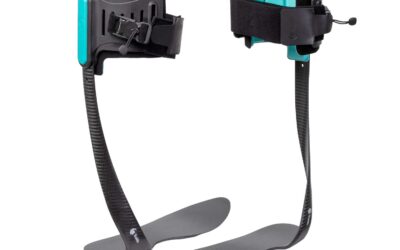
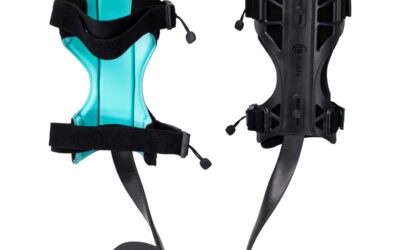
Advances in ankle-foot orthoses (AFOs) are revolutionizing how podiatrists, physical therapists and O&P clinicians support lower-limb mobility and rehabilitation. In this 3-part series, we explore the latest evidence, cutting-edge materials, and innovative design strategies that are shaping the future of AFOs. This short series offers a look at how today’s breakthroughs are improving function, comfort and compliancy in the lower extremity world.

By Keith Loria

read more
Innovative Sock Technology for the Prevention and Management of Decubitus Ulcers

Innovative Sock Technology for the Prevention and Management of Decubitus Ulcers

Decubitus ulcers can be a persistent and serious challenge, particularly in patients with diabetes, peripheral arterial disease, neuropathy, stroke, and other conditions that impair circulation and sensation. These ulcers can result in prolonged healing times, infection,  reduced quality of life and amputation. Effective prevention and management strategies require interventions that…

read more
Emerging Developments in AFOs Part 1: What Podiatrists Need to Know About Carbon Composite AFOs

Emerging Developments in AFOs Part 1: What Podiatrists Need to Know About Carbon Composite AFOs

Advances in ankle-foot orthoses (AFOs) are revolutionizing how podiatrists, physical therapists and O&P clinicians support lower-limb mobility and rehabilitation. In this 3-part series, we explore the latest evidence, cutting-edge materials, and innovative design strategies that are shaping the future of AFOs. This short series offers a look at how today’s breakthroughs are…

By Keith Loria

read more
Practical Biomechanical Exam: Information That Actually Drives Better Conservative and Surgical Treatment

Practical Biomechanical Exam: Information That Actually Drives Better Conservative and Surgical Treatment

The non-weight-bearing examination is the foundation of a comprehensive biomechanical assessment. It allows the clinician to evaluate intrinsic structure, available joint range of motion, and inherent pathomechanics without the confounding influence of body weight and compensation. Isolating individual joints and segments in an unloaded state is critical for identifying pathology, determining…

By Patrick DeHeer, DPM FACFAS, FFPM RCPS (Glasg)

read more
lerEXPO Highlights: Posting Principles | Rearfoot Mods that Actually Matter

lerEXPO Highlights: Posting Principles | Rearfoot Mods that Actually Matter

Orthotic prescription involves a nuanced understanding of various modifications designed to influence lower extremity biomechanics, particularly focusing on the rear foot, midfoot, and forefoot. For lower extremity clinicians, mastering these options allows for tailored patient solutions, enhancing stability, addressing discrepancies, and improving overall function.

By Karen A. Langone DPM

read more
lerEXPO Highlights: Avascular Necrosis After Talar Fracture ORIF in Podiatric Practice

lerEXPO Highlights: Avascular Necrosis After Talar Fracture ORIF in Podiatric Practice

Avascular necrosis (AVN) of the talus presents one of the most complex and challenging problems in foot and ankle surgery, particularly in the aftermath of talar fractures. As podiatric specialists, understanding its nuances–from its unique anatomical predisposition to the evolving landscape of its management–is crucial for optimizing patient outcomes.

By Christy M. King DPM, FACFAS

read more
Which Return-to-Sport Criteria Effectively Predict Reinjury Risk?

Which Return-to-Sport Criteria Effectively Predict Reinjury Risk?

Returning to a sport after an injury involves healing tissue while restoring strength, stability and confidence. Athletes face the challenge of balancing physical recovery with mental readiness, and their decisions carry significant implications for long-term health and the risk of reinjury. Understanding which criteria best predict successful outcomes helps clinicians support athletes effectively.

By Jack Shaw

read more
Sports Medicine: Combating the Explosion of Type 2 Diabetes with Exercise, Diet and Mental Contentment

Sports Medicine: Combating the Explosion of Type 2 Diabetes with Exercise, Diet and Mental Contentment

According to Robert Weil, DPM, a sports podiatrist and expert in injury-free exercise, we should be advocating for a holistic approach to tackling the rise of type 2 diabetes. Often called “Dr. Bob” by his followers, he points out that a common contributor to this health crisis is a sedentary lifestyle, which Dr. Bob addresses through his long-standing work with athletes and the general public. The “new medicine,” as seen through his lens, moves beyond simple prescription and…

By Dr. Robert Weil, DPM and Lawrence Rubin, DPM

read more
Brace Yourself: Everything You Need to Know About AFOs After Stroke

Brace Yourself: Everything You Need to Know About AFOs After Stroke

When you’re in the middle of a major medical crisis, there can be a lot of information to process. And what if you’ve never even heard of an ankle foot orthosis (AFO), don’t know what it’s for, how it works or how to use it. I’ve been there. (But as LER Magazine’s editor, I had heard of an AFO.) I recently had a completely unexpected medical emergency that resulted in an extended hospital stay, physical therapy and a physical therapist handing me an AFO and saying, “Try this.”

By January Shoaf, ler Magazine Editor

read more
The Beginning of a Movement: How CLIF 2025 and the MAPS Initiative Are Shaping the Future of Limb Preservation

The Beginning of a Movement: How CLIF 2025 and the MAPS Initiative Are Shaping the Future of Limb Preservation

Each year, hundreds of thousands of Americans lose a limb due to non-traumatic amputation, most of which could have been prevented. Peripheral artery disease (PAD) and its most severe form, critical limb-threatening ischemia (CLTI), continue to devastate lives, particularly among…

By Dr. Laiq Raja, MD, FACC, FSCAI, Interventional Cardiologist and Endovascular specialist, Founder of The  Limb Savers Society 501 c(3) Non-profit organization and the CLIF Conference.

read more
Funding Cuts Threaten Both the Health of Patients and the Profession

Funding Cuts Threaten Both the Health of Patients and the Profession

Over the course of my career, I have operated at the crossroads of bioengineering and clinical orthotics, a combination that has provided me with a unique perspective on addressing challenges in prosthetics and orthotics. I collaborated with Georgia Institute of Technology to develop the curriculum for the first Master of Science in Prosthetics and Orthotics program.

By Géza F. Kogler, Ph.D, CO

read more
Early Assessment and Intervention for Acquired Adult Flatfoot and PTTD

Early Assessment and Intervention for Acquired Adult Flatfoot and PTTD

Early assessment and intervention of acquired adult flatfoot, particularly concerning Posterior Tibial Tendon Dysfunction (PTTD) is essential. I’ll be discussing proactive management, emphasizing the importance of early intervention, comprehensive foot assessment, and the strategic application of orthotic devices to prevent the progression of PTTD and improve long-term patient outcomes.

By Dr. James McGuire DPM, LPT, LPed, FAPWHc

read more

Join

Subscribe For Updates

Stay in the loop with the latest news and updates! Subscribe now to receive exclusive content, special offers, and important announcements straight to your inbox. Don’t miss out – join our community today for all the latest updates delivered directly to you.