









By Karen A. Langone DPM
 Orthotic prescription involves a nuanced understanding of various modifications designed to influence lower extremity biomechanics, particularly focusing on the rear foot, midfoot, and forefoot. For lower extremity clinicians, mastering these options allows for tailored patient solutions, enhancing stability, addressing discrepancies, and improving overall function. This article explores key orthotic modifications, drawing insights from clinical perspectives on their application and efficacy.
Influencing the Rear Foot: Stability and Control
The rear foot is a primary focus in orthotic design due to its pivotal role in gait and stability. A core component is the rear foot post, which is designed to provide greater stability as the orthotic device and the patient’s foot contact the ground. Theoretically, this post aims to hold the calcaneus in a more desirable position. While some studies suggest that devices with less of a post might lose influence in this area, others indicate this isn’t necessarily the case.
The material and construction of the device also play a significant role:
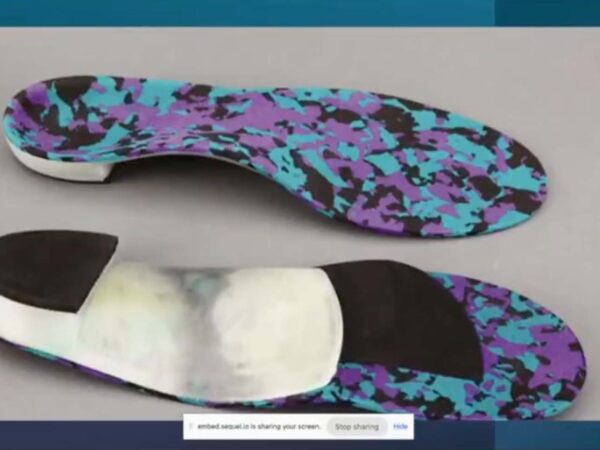
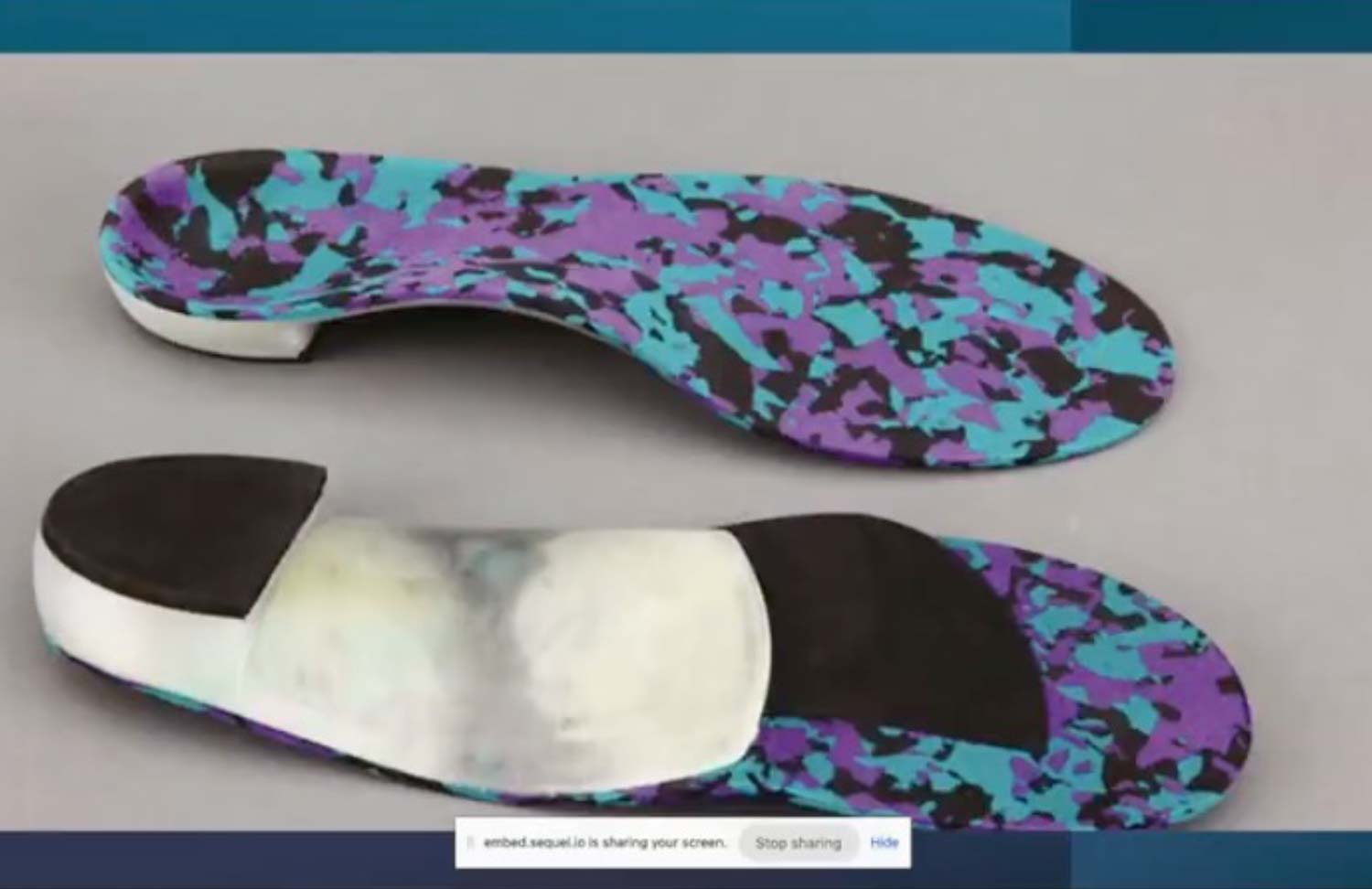
- One-piece (Direct Milled) Devices: When the shell and the rear foot post are made from a single cut of material, the device is considered a direct milled device. This construction makes the device more rigid, allowing it to be thinner while maintaining the same level of rigidity compared to two-piece designs.
- Two-piece Devices: In contrast, 2 piece devices have a rear foot post separate from the shell, often made of a different material with distinct characteristics.
The depth of the heel seat is another critical factor. As the heel cup depth increases, from a shallow cup to a deeper one, the ability to influence the calcaneus and the subtalar joint significantly improves. This deeper seating allows the heel to sit further within the device, theoretically enhancing its influence on the rear foot. Furthermore, low-profile rear foot posts can be combined with deeper heel seating to allow the device to fit effectively within shallower shoes.
An additional modification for rear foot control is medial skive. Described as “little hands” sticking up underneath the device, medial sky provides an additional correction aimed at moving the rear foot more laterally within the device.
 Addressing Specific Clinical Challenges and Midfoot Support
Orthotic modifications extend beyond the rear foot to address specific patient challenges throughout the foot:
- Heel Lifts: These are commonly used to correct limb length discrepancies or to address issues linked to such discrepancies. For heel lifts exceeding 3/16 of an inch, it is recommended to taper them down into the midfoot, sometimes even making them full length on the device, to prevent the sensation of “falling off a cliff” for the patient. When integrating heel lifts into dress devices, labs often manipulate them to prevent the patient’s foot from popping out of the shoe, though some labs may insist on adding a rear foot post, which can create fitment issues.
- Heel Cushions: These are beneficial for patients experiencing fat pad atrophy or those requiring extra cushioning or impact dampening. (While heel spur pads are offered by labs for comfort, their utility has been questioned given the typical shape of heel spurs.)
- Flanges: These can be valuable for conditions like posterior tibial dysfunction, where patients exhibit significant medial arch prolapse. Medial flanges are available in low, medium, and high profiles. However, flanges can be tricky to manage as patients often find them irritating and may not tolerate them despite adjustments to position or height. Clinically, flanges do not eliminate or completely control pronation; rather, studies suggest they influence the velocity of pronation, allowing the foot a better opportunity to stabilize as body weight is applied. Lateral flanges or clips are used to prevent lateral movement, sometimes in cases of chronic ankle sprains. Some clinicians, however, report limited success with these clips and flanges in practice, opting for other techniques.
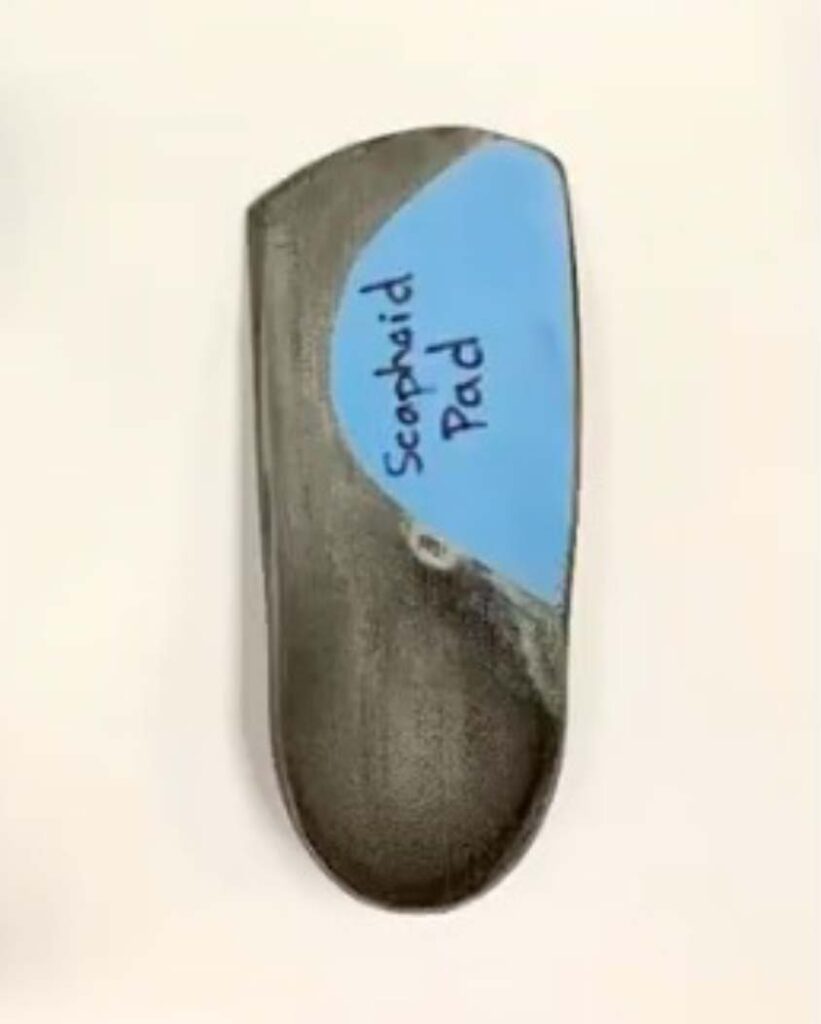
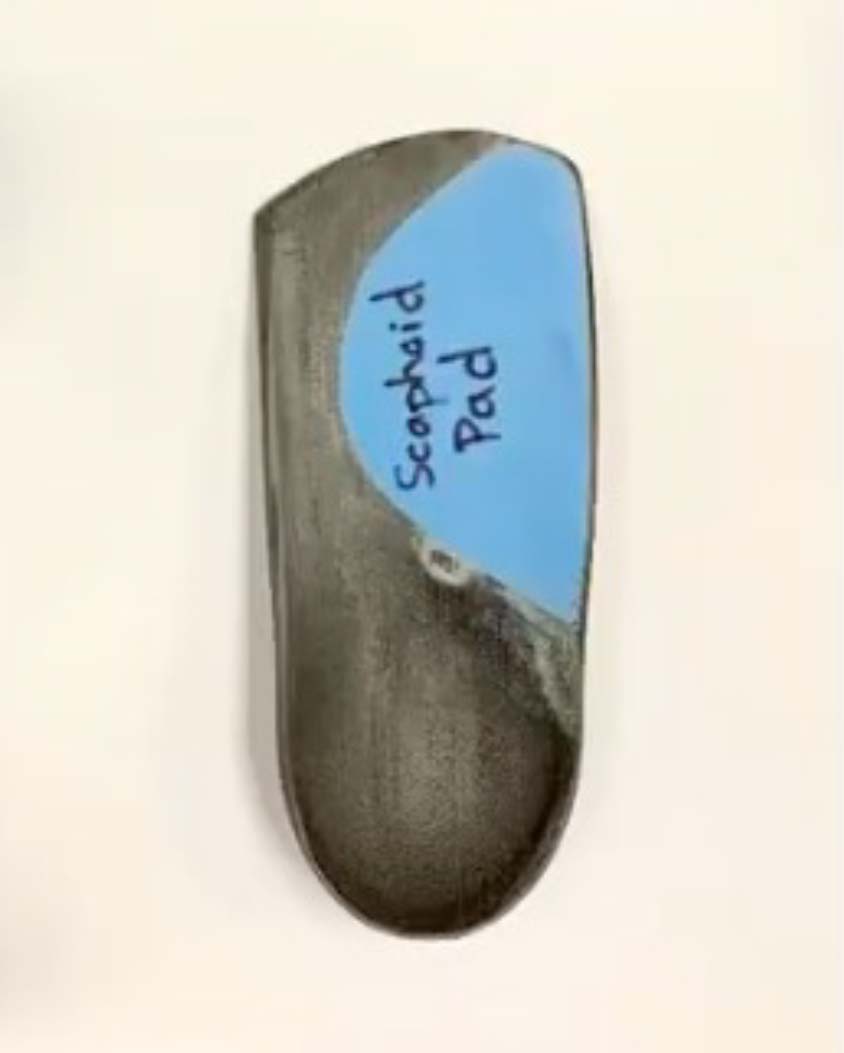
- Scaphoid Pad: Added under the top cover, this pad is particularly helpful for patients with limited ankle dorsiflexion. It allows the clinician to reduce the arch height of the device while compensating with the pad to ensure full arch contact when the patient stands. The scaphoid pad also serves as a “landing pad” and can alleviate discomfort when patients experience midfoot jamming against the device.
- Arch Reinforcement: Placed on the bottom of the device, arch reinforcement enhances stability, particularly for semi-flexible devices. It allows for greater influence on patient function without altering the overall flexibility of the orthotic.
 Specialized Modifications and Padding Options
Further modifications address specific pathologies and comfort needs:
- Cuboid Pad: An “old school technique,” the cuboid pad is positioned in the peroneal groove with the aim of encouraging the peroneus longus to fire sooner in the gait cycle. This, in turn, may help stabilize the first metatarsal head on the ground, which is crucial for addressing prolonged pronation.
- Plantar Fascia Groove: This modification can be incorporated into devices to accommodate painful fibromas. The groove can be marked on the patient’s foot and applied by the lab within padding or even directly into the shell. A common approach involves using 1/8” padding with the groove cut out and then filled with 1/16” Poron, creating a slight depression.
- Navicular Accommodation: For patients whose naviculars bear weight, a shell accommodation can be created by “pocketing” the shell in that area. A technique involves using a 1/8” full device padding, cutting out the 1/8” pad in the accommodation area, and filling it with 1/16” Poron.
- Padding: Padding is crucial for patient comfort, especially when removing existing insoles from shoes, such as for runners. Padding can be applied in various ways:
- Firm Padding: Can extend from the heel all the way to the toes.
- Softer Padding (Porons): Can be full length or cut shorter.
- Length Adjustments: For patients with significant bunion deformities or hammer toes, padding can be brought back to the sulcus length to provide more forefoot room. Alternatively, padding can end at the metatarsal length if no padding is desired underneath the forefoot.
The Cornerstone of Prescription: Comprehensive Patient Assessment
Determining the most effective orthotic prescription necessitates a thorough and holistic patient evaluation. It is essential to observe the patient walking, engaging in their sport, and analyzing their specific movement patterns. Clinicians must not only examine the foot but also consider all influences from the entire superstructure to identify the best course of action for the individual patient. Gait analysis, particularly video gait analysis, is considered an essential part of the patient workup, providing invaluable insights into their biomechanics.
In conclusion, effective orthotic design hinges on a comprehensive understanding of available modifications and their biomechanical implications. By meticulously assessing patient needs through detailed observation and advanced analytical techniques, clinicians can prescribe custom orthotics that offer optimal stability, support, and comfort, ultimately enhancing patient function and mitigating pathology.
Dr. Karen Langone is a graduate of the New York College of Podiatric Medicine and completed her post-graduate training there as well. She is a diplomate of the American Board of Podiatric Medicine. She is a fellow of the American College of Podiatric Medicine. She is a Fellow of the American Academy of Podiatric Sports Medicine and Past President of the Academy. Dr. Langone is also a Fellow of the National Academy of Practitioners. She lectures extensively nationally and internationally at medical conferences, including at the American College of Sports Medicine, on topics in sports medicine. Dr Langone serves on the medical team for many athletic events including the 7 Day Race, the Boston Marathon, the New York City Marathon, the Easthampton Marathon, the Long Island Marathon and the Ground Zero medical team. She has been featured in numerous podiatry publications and other publications including Fitness magazine, The New York Times, Readers Digest, Chicago Tribune, San Francisco Chronicle, Newsday, Women’s Adventure, Good Housekeeping, Scholastic, Woman’s Day, ESPN Rise, and iVillage. Dr. Langone is in private practice for more than 30 years specializing in biomechanics.
This article is a summary of Dr. Langone’s presentation, “Posting Principles: Rearfoot Mods that Actually Matter” from the 2025 lerEXPO Biomechanics & Orthotic Innovation Summit 2025 on June 7, 2025. To view the full presentation with questions and answers—and see the agenda for the program, visit https://biomechanics.lerexpo.com. Continuing education credits are available for this and many of the lerEXPO programs.



How do you accommodate for a forefoot varus after the hindfoot is aligned? Mine is significant and I recently was scanned and the orthotic I received did not accommodate my forefoot varus. The hindfoot is well accommodated for as I am an overpronator with a narrow foot – 4A, I like the deep seated heel cup.