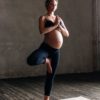
Ask any woman who’s been through it, and they’ll easily confirm: Pregnancy is a life-changing event with numerous hormonal, physiological, morphological, functional, and biomechanical adaptations. Here we summarize and excerpt a round-up of recent research findings that show the impact of pregnancy on tendons in the lower extremity, on foot loading and plantar pressures in gait, and on morphological and postural changes in the foot, as well as the benefits of compression stockings during this unique period.
June 2022
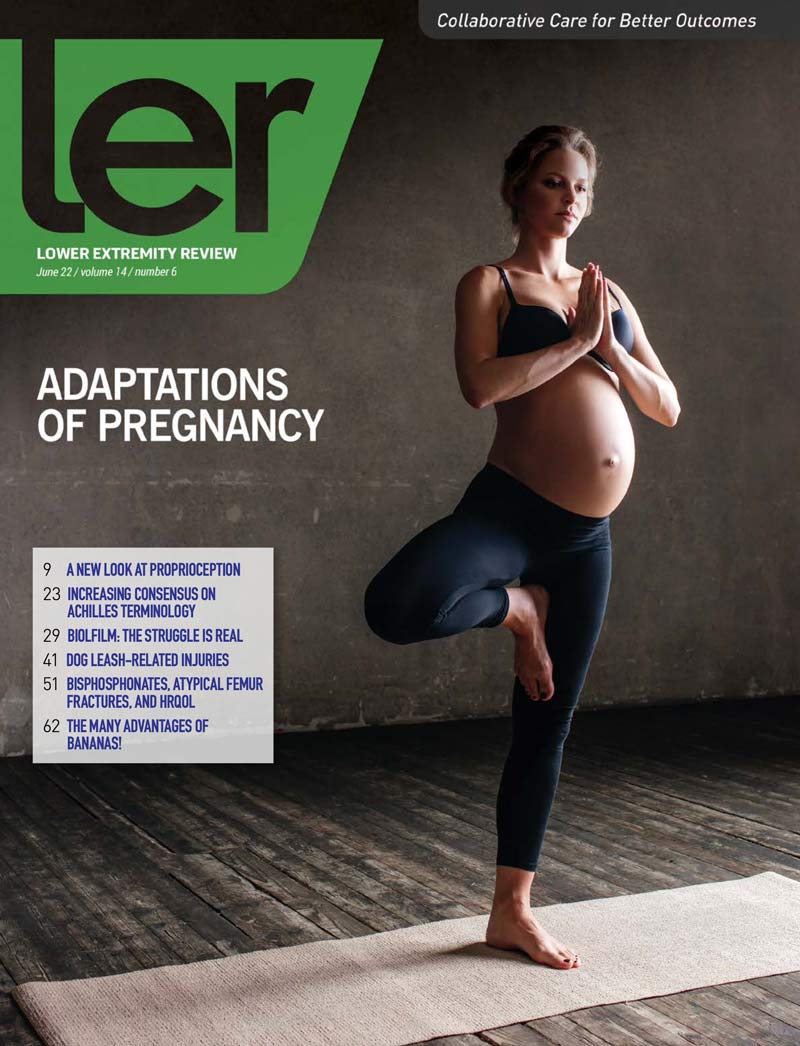
Click on image to download the issue in PDF format
Cover Story
Guest Perspective
Proprioception, which can be defined as the awareness of the mechanical and spatial state of the body and its musculoskeletal parts, is critical to motor actions and contributes to our sense of body ownership. To date, clinical proprioceptive tests have focused on a person’s ability to detect, discriminate, or...
By Martin E. Héroux, Annie A. Butler, Lucy S. Robertson, Georgia Fisher, and Simon C. Gandevia
Features
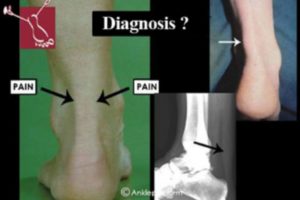
It has been customary practice for medical terms to be named after a person—familiar eponymous terms serve as shorthand during communication with colleagues. Specifically, as it relates to tendon–related disorders, several of these disorders can be distinguished and for each pathology different definitions and...
By Kim T. M. Opdam, Ruben Zwiers, Johannes I. Wiegerinck, C. Niek van Dijk, and Ankle Platform Study Collaborative – Science of Variation Group
Bisphosphonates are currently one of the most commonly prescribed medications to prevent osteoporotic fractures. Bisphosphonates are frequently used as first-line agents for postmenopausal osteoporosis. Alendronate was first synthesized in the 1970s, and by 2006 about...
By Jonathon Spanyer, Lauren A. Barber, Harrison Lands, Alexander Brown, Mary Bouxsein, Marilyn Heng, and Madhusudhan Yakkanti
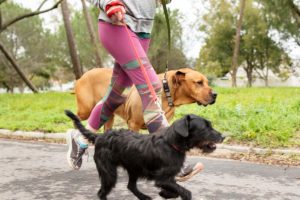
There are millions of pet dogs in the United States (US), and thousands of people are treated at US hospital emergency departments (EDs) each year for dog leash-related injuries. The objective of this study was to describe dog leash-related injuries of the lower extremity treated at US hospital EDs.
By Mathias B. Forrester, BS
ShortTakes From the Literature
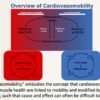
Cardiovasomobility is a novel concept that encompasses the integration of cardiovascular and skeletal muscle function in health and disease with critical modification by physical activity, or lack thereof. Compelling evidence indicates that physical activity improves health while a sedentary, or inactive, lifestyle accelerates cardiovascular and skeletal muscle dysfunction and hastens disease progression.
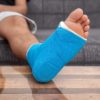
Patients who used self-adhesive taping (SAT) as treatment for tuberosity fractures of the proximal 5th metatarsal fared just as well as patients who were placed in short-leg casts (SLC) for the same condition, in a recent study from Turkey. Functional outcome was assessed at the time of injury and at 2, 4, 6, and 12 weeks.
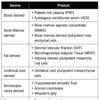
Currently defined as “biological substances found naturally in the body that help injuries heal more quickly,” orthobiologics come in many flavors (see Table). With post-traumatic osteoarthritis and tendinitis dominating the orthopedic care space, use of orthobiologics is getting a lot of attention, but raising a lot of questions as well.
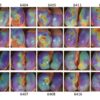
A method to turn human stem cells into cartilage cells shows promise for repairing damaged joint tissue in a pig model of knee cartilage injury. The findings, funded in part by the National Institute on Aging and published in Regenerative Medicine, provide a potential new therapeutic strategy that may help repair damaged cartilage and prevent osteoarthritis.
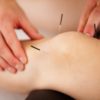
Osteoarthritis (OA), the most common form of arthritis, is commonly known as wear-and-tear arthritis. It is a growing epidemic as the world’s population ages. In Taiwan, nearly 40% of Taiwanese individuals over age 50 have OA of the knee; that number rises to 55% in women over age 80. OA is a known risk factor for falls in older adults, making OA management a public health goal.
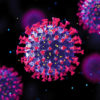
Recent publications from 2 locations in Germany used different techniques to look at muscle mass and outcomes in SARS-Co-V2 patients during the height of the pandemic. Both found associations between loss of muscle mass and mortality. Both were published in the Journal of Cachexia, Sarcopenia and Muscle.
Wound Care Update
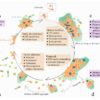
A crucial component of wound management is regular debridement. The goal of debridement is the removal of all necrotic, fibrous, and devitalized tissue from the wound bed. Devitalized tissue in wounds produces a physical barrier to formation of new tissue and therefore decreases healing rates. If devitalized tissue remains in the wound bed, bacterial colonization is more likely.
By Windy Cole, DPM, CWSP
Industry News & Updates
Dirk Nowitzki, a German former professional basketball player who spent his entire 21-year NBA career with the Dallas Mavericks, officially launched the Dirk Nowitzki Signature Line by Bauerfeind at the American Medical Society for Sports Medicine (AMSSM) Annual Meeting in April and...
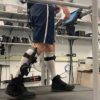
Exoskeletons need to interact seamlessly with their user, providing the right level of assistance at the right time to cooperate with muscles as the user moves. To help achieve this, University of Michigan researchers gave users direct control to customize the behavior of an ankle exoskeleton.
Hanger, Inc. and Ottobock announced a critical enrollment milestone has been reached in the ASCENT K2 (ASsessing outComes with microprocEssor kNee uTilization in a K2 population) clinical trial. The study began enrolling patients in July 2021, and has now closed enrollment, having met the target enrollment of 100 K2-level community ambulators.
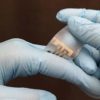
Electrical field (EF) stimulation has been shown to accelerate wound healing with limited side effects. However, the wearable EF stimulation devices that have been devised to date use bulky, inflexible electrodes, resulting in conformational incompatibility with the wound. Fabricating these electrodes also requires dedicated technologies.
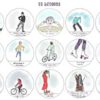
Radboud University Medical Center, Nijmegen, Netherlands, launched a platform for people with Parkinson’s Disease. It contains 7 gait strategies that can help Parkinson’s patients with walking. The website has been developed for patients, their loved ones, and Parkinson’s healthcare providers. It is dedicated to the creative ways to improve gait.
The Last Word
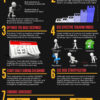
This study compared the acute effect of ingesting bananas (BAN) versus a 6% carbohydrate drink (CHO) on 75-km cycling performance and post-exercise inflammation, oxidative stress, and innate immune function using traditional and metabolomics-based profiling.
Featured Products