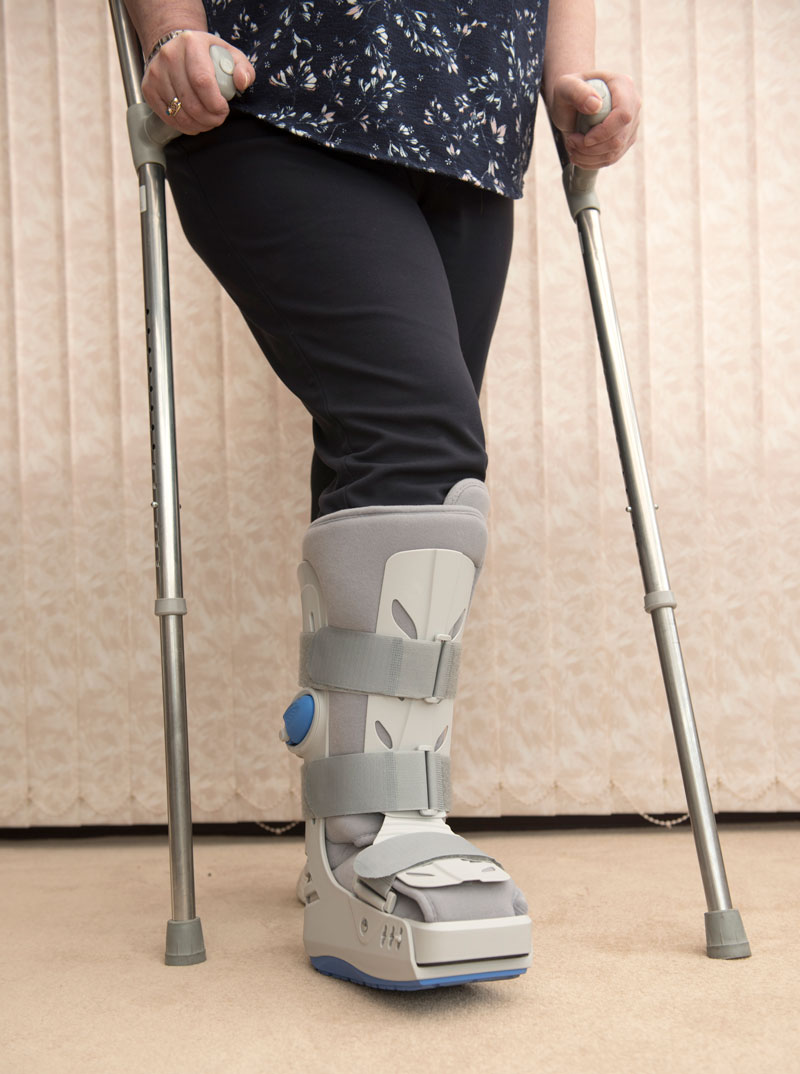
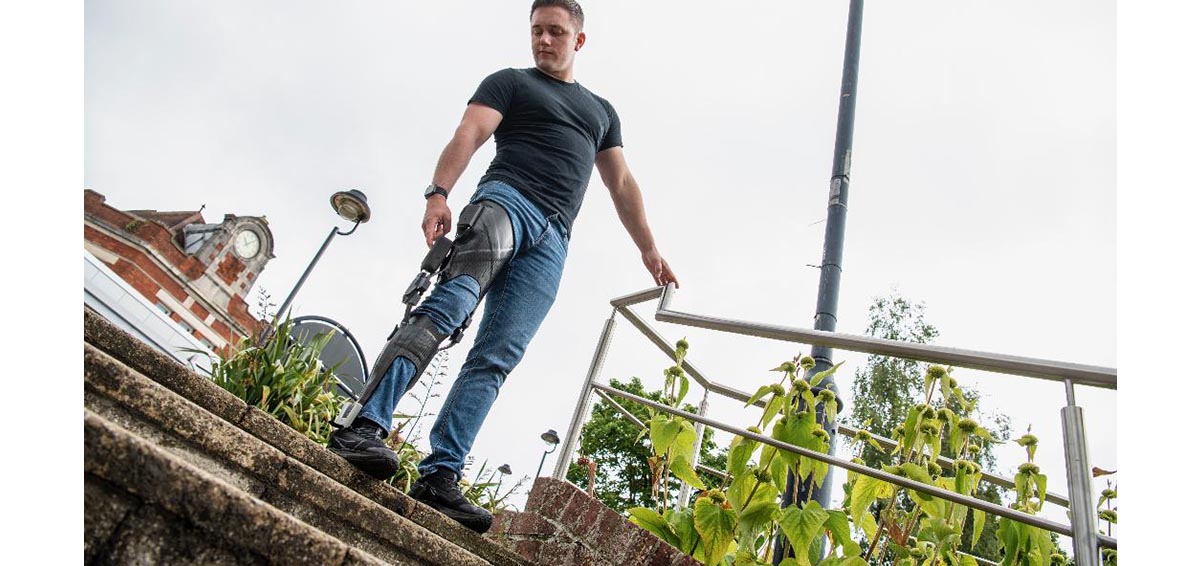
Research shows that one out of every four older Americans falls annually. Fall-related injuries continue to be a costly and debilitating health risk, costing the US healthcare system about $50 billion annually. More importantly, falling once doubles an older adult’s risk of falling again, increasing their fear of falling and negatively impacting quality of life.
Lower Extremity Review
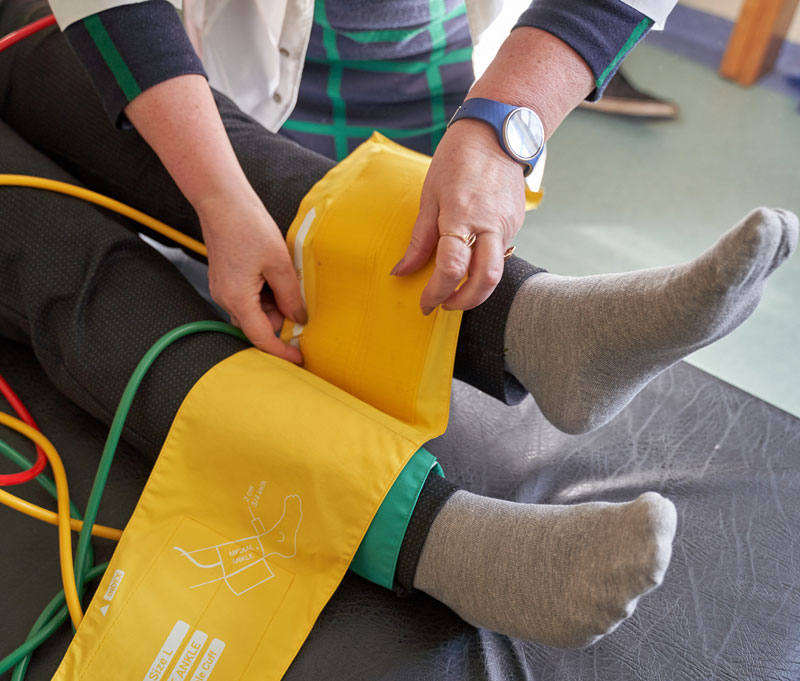
Aquatic Walking Relieves Arterial Stiffness in PAD
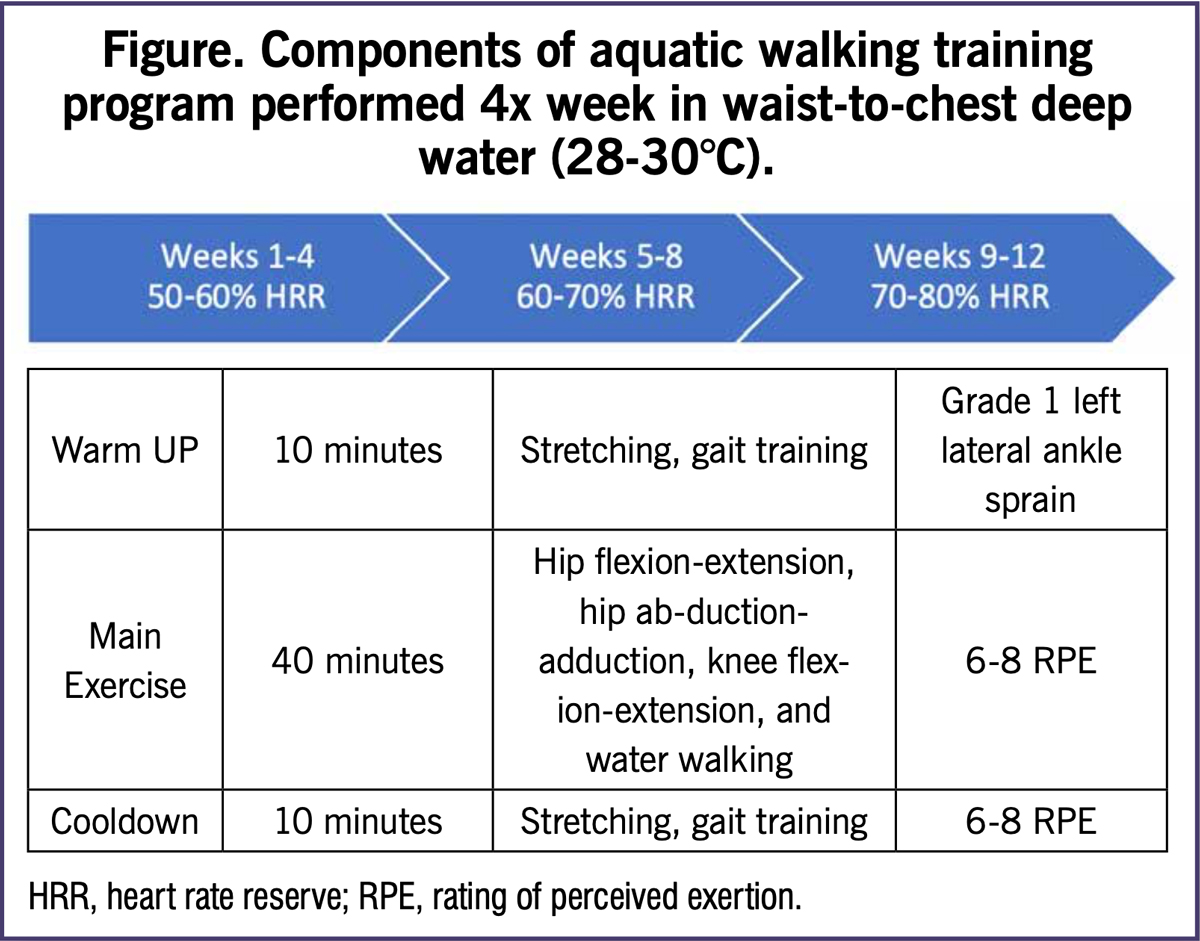
Aquatic walking can help relieve arterial stiffness among patients with peripheral artery disease (PAD), according to results from a clinical trial published in the Journal of Applied Physiology. The study also showed that aquatic walking boosts patients’ ability to tolerate exercise, cardiorespiratory capacity, and muscular strength, and that patients are largely more inclined to maintain this exercise regimen.
By Chuck Green
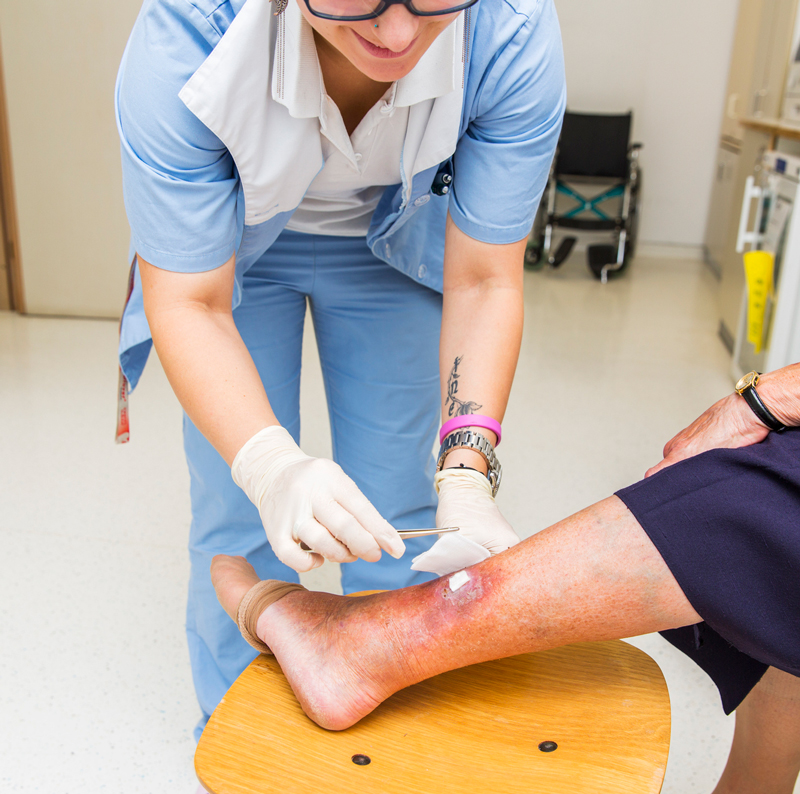
Study Examines Treatment of Chronic Wound Pain with Long-Acting Lidocaine Gel
According to 2004 figures, about 6 million people suffer from chronic wounds due to bedsores and vascular, inflammatory, and rheumatologic sources, with medical costs for this care reaching almost $10 billion.* Opioids and non-opioid treatments are often used to manage the pain associated with these chronic wounds but come with issues such as the potential for addiction or abuse.
By Laura Fonda Hochnadel
Rehab May Improve 1st MTP Arthrodesis Long-term Outcomes
While arthrodesis of the first metatarsophalangeal (MTP) joint is known to alleviate pain from osteoarthritis in the hallux, long-term outcomes vary, with nearly 20% of patients reporting dissatisfaction with the surgical outcome. “There are a number of patients who have symptoms of pain, metatarsalgia, lateral toe arthritis or…
Are Lateral Ankle Sprains Being Treated Correctly?
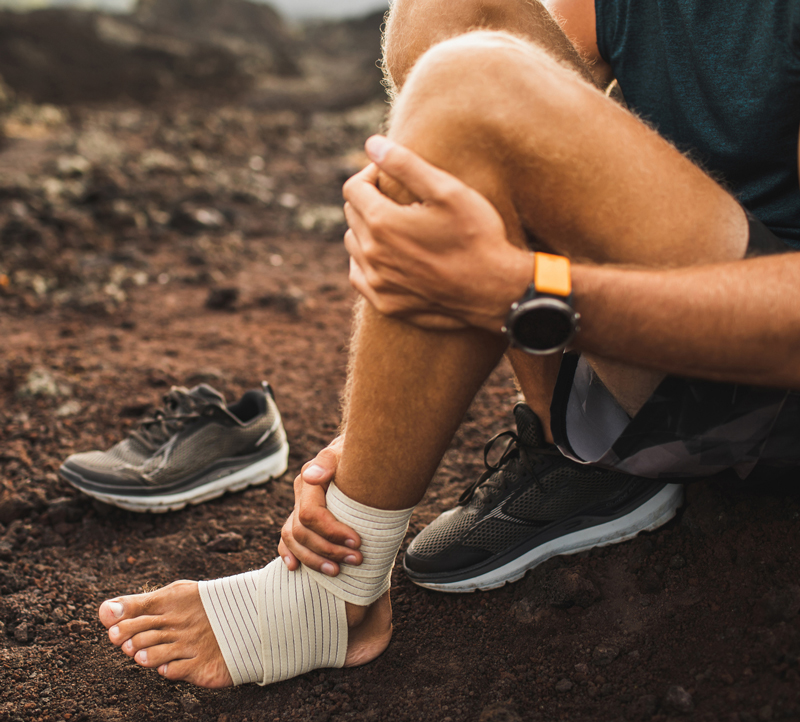
Lateral ankle sprain is the most common injury in physically active populations, yet some believe those who sustain an acute lateral ankle sprain may not receive timely formal rehabilitation and are at an increased risk to have subsequent sprains which can lead to chronic pain and instability.
By Keith Loria
Bilateral Custom AFOs Reduce Fear of Falling, Up Physical Activity
For older adults who have fears about falling, the daily use of custom-made ankle-foot orthoses (AFOs) with walking shoes is effective in improving balance and reducing fear of falls, according to a recent study published in the journal Gerontology. In the elderly population, falls are a particularly serious problem. According to the US Centers for Disease Control and Prevention, about 3 million older patients are treated in emergency rooms for fall injuries each year.
By Robert Sberna
Wearable Tech May Enhance Benefits of Structured Exercise
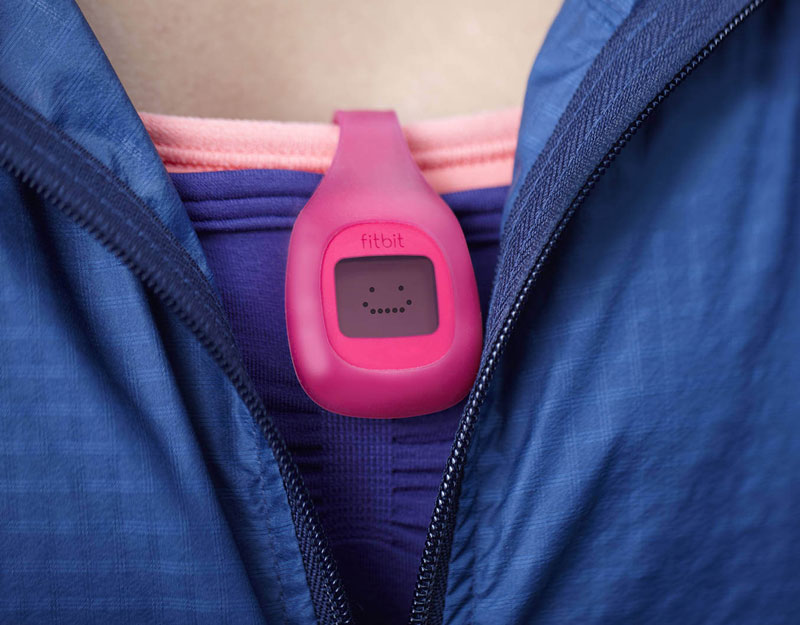
Combining structured exercise with wearable technology interventions designed to enhance non-exercise physical activity (NEPA) may help reduce cardiovascular disease (CVD) in high-risk older adults, according to a October 2019 study published in the online medical journal, Clinical Interventions in Aging. Researchers from the University of Alabama at…
By Douglas J. Guth
AHA Scientific Statement on CLI Emphasizes Early Diagnosis, Treatment
Critical limb ischemia (CLI), a condition characterized by the narrowing or blocking of arteries that lead to the legs, is the most severe form of peripheral artery disease (PAD) and a leading cause of lower-limb amputation. Moreover, patients with CLI have high mortality rates. As such, early diagnosis and treatment are key, according to a scientific statement recently published by the American Heart Association (AHA) in its journal, Circulation.
Extra Cushioning May not Help Shoes Prevent Injuries
While innovations in running shoes have helped everyone from top athletes to casual joggers push the boundaries of speed, efforts to determine the characteristics of shoes that will help reduce injury risks are more elusive. In his lab at San Jose State University, JJ Hannigan, PhD, ATC, CSCS, is working to understand the way different levels of cushioning affect gait and running mechanics.
By Nicole Wetsman
Ankle Replacement System Receives FDA Premarket Approval
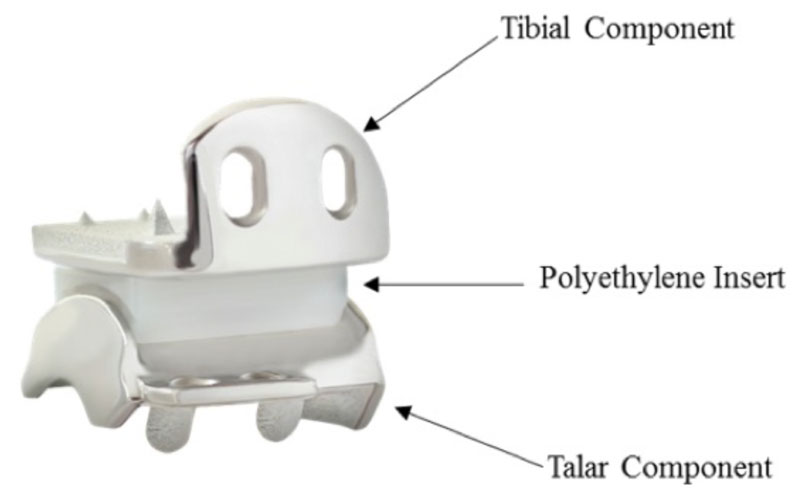
The Hintermann Series H3 Total Ankle Replacement System (DT MedTech, Towson, MD), received premarket approval from the US Food & Drug Administration (FDA). This is a non-cemented, implanted medical device intended to replace a painful arthritic ankle joint and improve ankle motion and is indicated for use in the first surgical treatment for the joint.
By Laura Fonda Hochnadel
Unilateral remote daily temperature monitoring to predict diabetic foot ulcers shows promise
Diabetic foot ulcers (DFUs), the primary antecedent to diabetes-related lower extremity amputation (LEA), are common, costly, and preventable. Following a period of decline in incidence, the Centers for Disease Control and Prevention found the occurrence of diabetes-related LEA had rebounded an alarming 50% percent between 2009 and 2015.
By Lynn Soban, PhD, MPH, RN
Association Between Running Shoe Characteristics and Lower Extremity Injuries in United States Military Academy Cadets
Running-related overuse injuries are very common among recreational runners with the reported annual injury rates ranging from 39% to 85%. There are few large prospective cohort studies investigating injury risk associated with different running shoe characteristics and they are often contradictory. Our goal was to prospectively investigate the relationship between running shoe…
By Gary Helton, PT, DSc, SCS, OCS
KneeKG Effective in Management of Knee Osteoarthritis
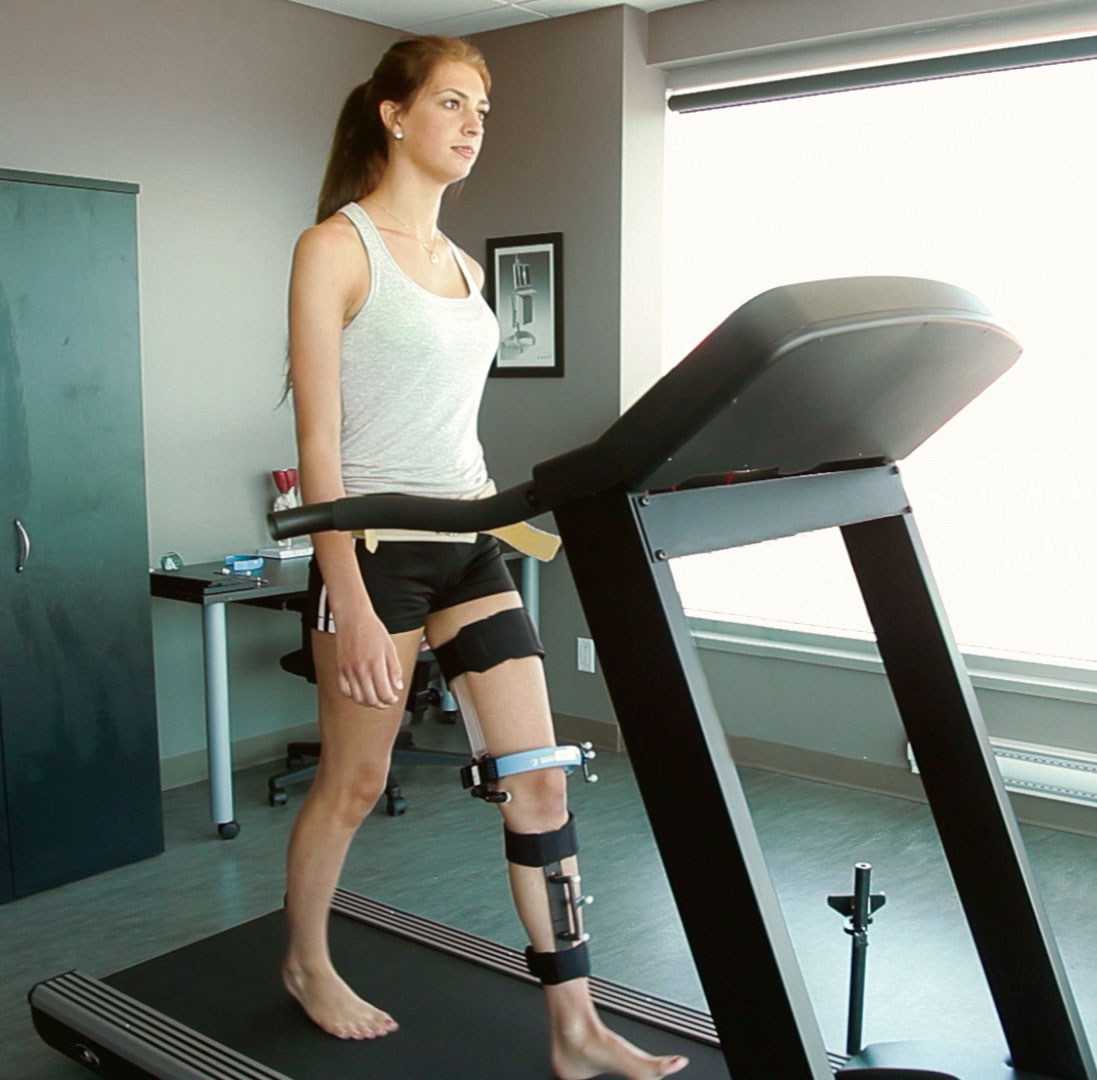
Knee osteoarthritis (OA), a chronic progressive disease, is a common complaint in adults over age 45. Indeed, osteoarthritis is the most common joint disorder in many countries, affecting for example 13.9% of adults 25 years and older and 33.6% of people 65 years and older in the United States. The challenge for clinicians is the multifactorial nature of the disease and understanding the everyday mechanical factors that affect it.
An Excerpt: Physical Frailty: ICFSR International Clinical Practice Guidelines for Identification and Management
Frailty is prevalent in all countries and is a leading contributor to functional decline and early mortality in older adults. The condition is defined as “a clinical state in which there is an increase in an individual’s vulnerability for developing an increased dependency and/or mortality when exposed to a stressor.” Frailty can begin before 65 years of age, but the onset escalates in those aged 70 years and over.
AFOs and FES Offer Comparable Outcomes for Foot Drop in MS Patients
Foot drop is a common presentation in people who have multiple sclerosis (MS). The inability to lift the forefoot off the ground adequately, such as to clear curbs and stairs, affects gait and increases fall risk. Ankle–foot orthoses (AFOs) and functional electrical stimulation (FES)…
By Laura Fonda Hochnadel
Join
Subscribe For Updates
Stay in the loop with the latest news and updates! Subscribe now to receive exclusive content, special offers, and important announcements straight to your inbox. Don’t miss out – join our community today for all the latest updates delivered directly to you.