The Key Role of Nutritional Elements on Sport Rehabilitation and the Effects of Nutrients Intake

The Key Role of Nutritional Elements on Sport Rehabilitation and the Effects of Nutrients Intake

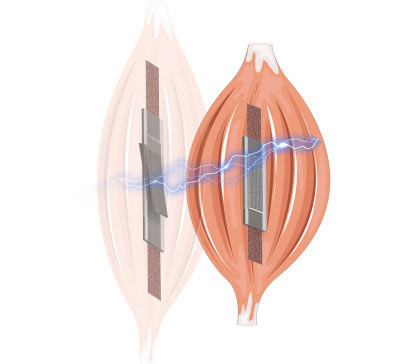
Adequate nutrition is of utmost importance for athletes, especially during rehabilitation after injury in order to achieve fast healing and return to sports. The aim of this narrative review is to define the proper nutritional elements for athletes to meet their needs and facilitate their fast return to sports after surgery or injury, as well as determine the effects of specific nutrients intake.

read more
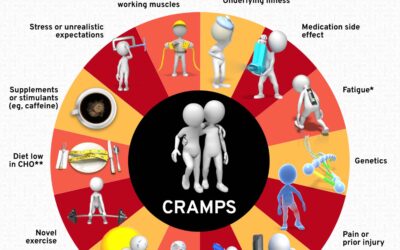
Understanding Exercise-Associated Muscle Cramps

Understanding Exercise-Associated Muscle Cramps

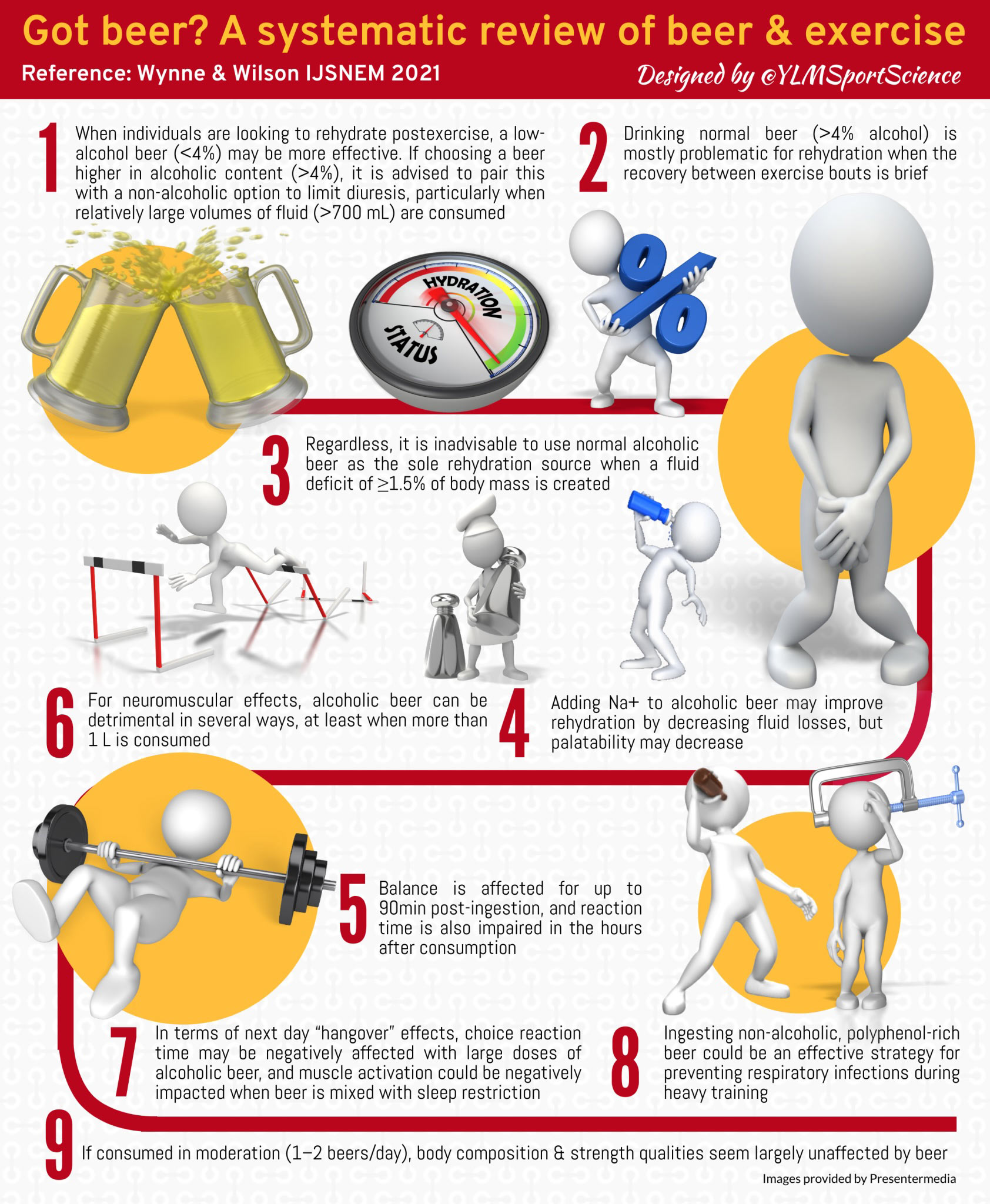
Exercise-associated muscle cramps (EAMCs) are common and frustrating for athletes and the physically active. We critically appraised the EAMC literature to provide evidence-based treatment and prevention recommendations. Although the pathophysiology of EAMCs appears controversial, recent evidence suggests that…

read more
Greater effects by performing a small number of eccentric contractions daily than a larger number of them once a week

Greater effects by performing a small number of eccentric contractions daily than a larger number of them once a week

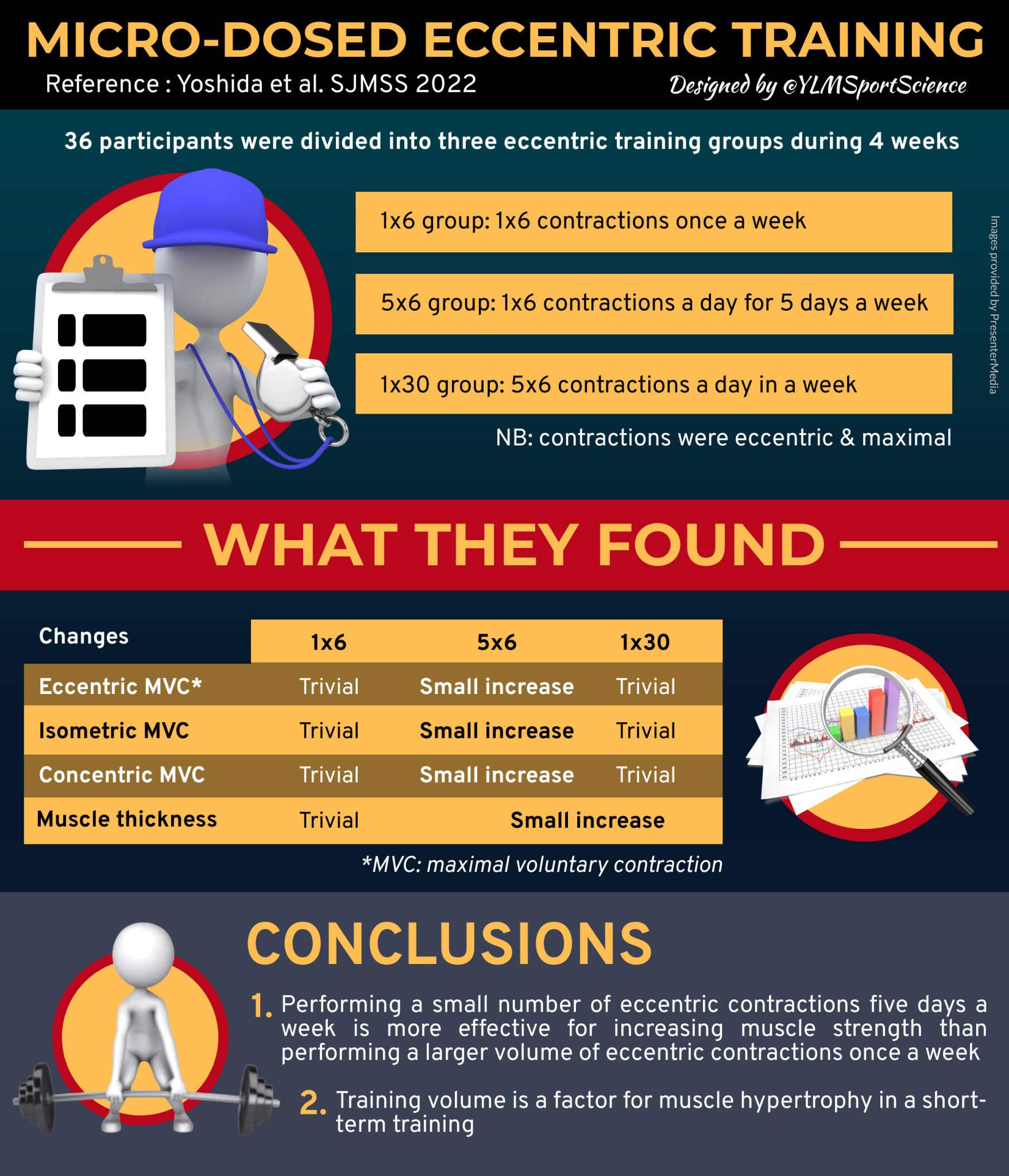
Our previous study found that one maximal voluntary eccentric contraction (MVC-ECC) performed daily for 5 days a week for 4 weeks increased MVC-ECC, isometric (MVC-ISO), and concentric contraction (MVC-CON) torque of the elbow flexors more than 10%. The present study investigated the effects of six maximal voluntary eccentric contractions on the…

read more
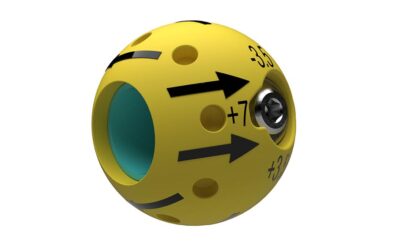
Massage Guns: Do they Really Work?

Massage Guns: Do they Really Work?

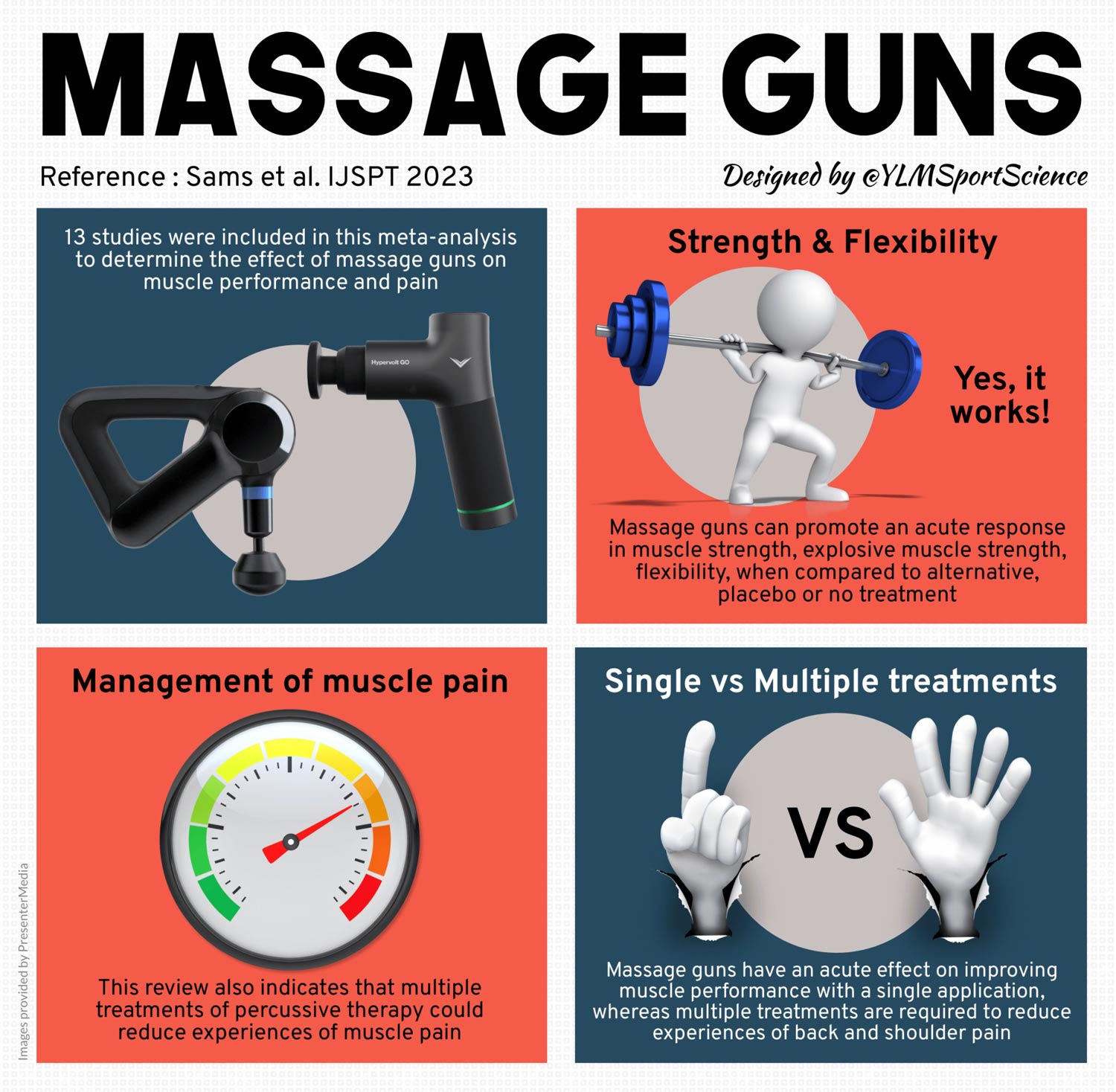
There is a lack of specific research on the effect of percussive therapy (PT) delivered by massage guns on physiological adaptations. This systematic literature review investigates research conducted on the effects of PT interventions on performance in strength and conditioning settings, and on experiences of musculoskeletal pain.

read more
Is Running Bad for Your Knees?

Is Running Bad for Your Knees?

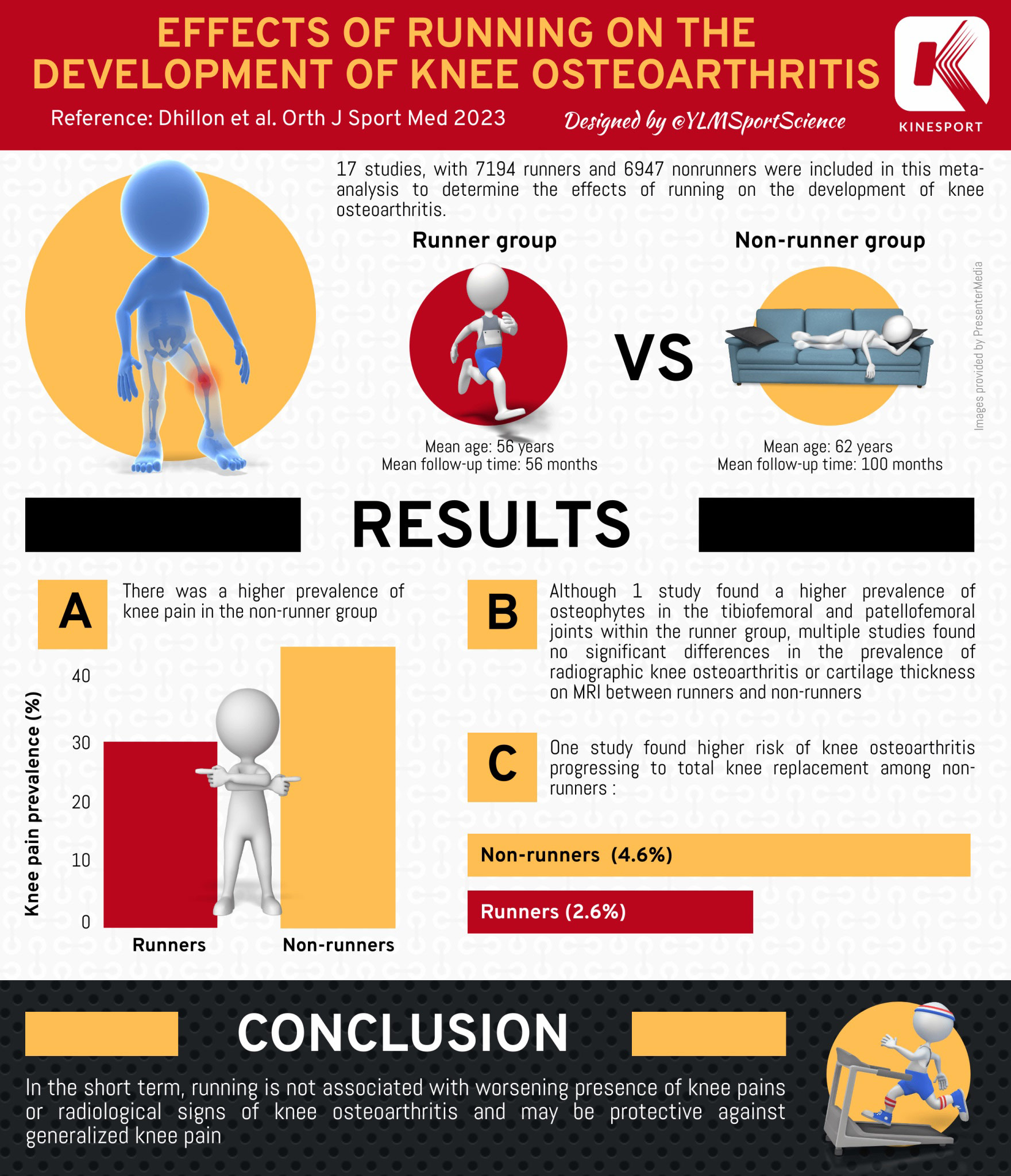
Seventeen studies (6 level 2 studies, 9 level 3 studies, and 2 level 4 studies), with 7194 runners and 6947 non runners, met the inclusion criteria. The mean follow-uptime was 55.8 months in the runner group and 99.7 months in the non runner group.The mean age was 56.2 years in the runner group and 61.6 years in the non runner group.

read more

Join

Subscribe For Updates

Stay in the loop with the latest news and updates! Subscribe now to receive exclusive content, special offers, and important announcements straight to your inbox. Don’t miss out – join our community today for all the latest updates delivered directly to you.