Venous Leg Ulcers and Concomitant Lymphedema

Venous Leg Ulcers and Concomitant Lymphedema

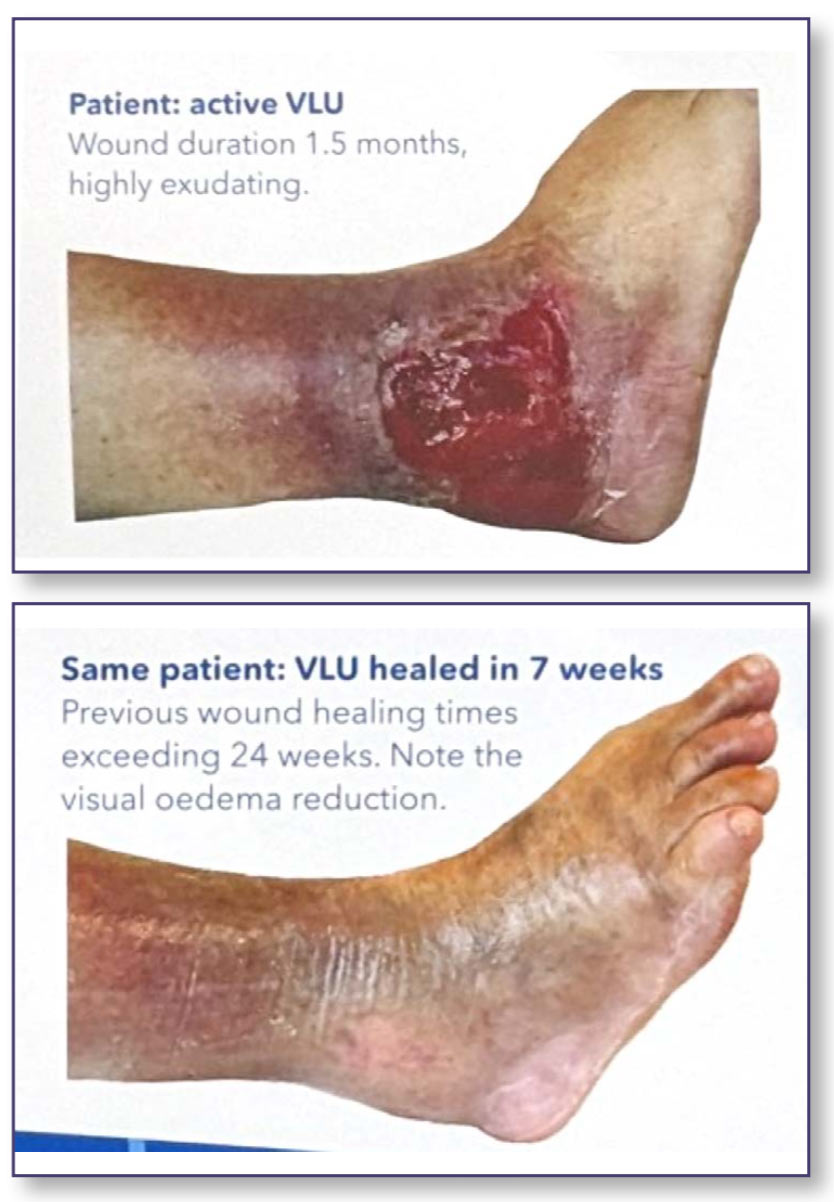
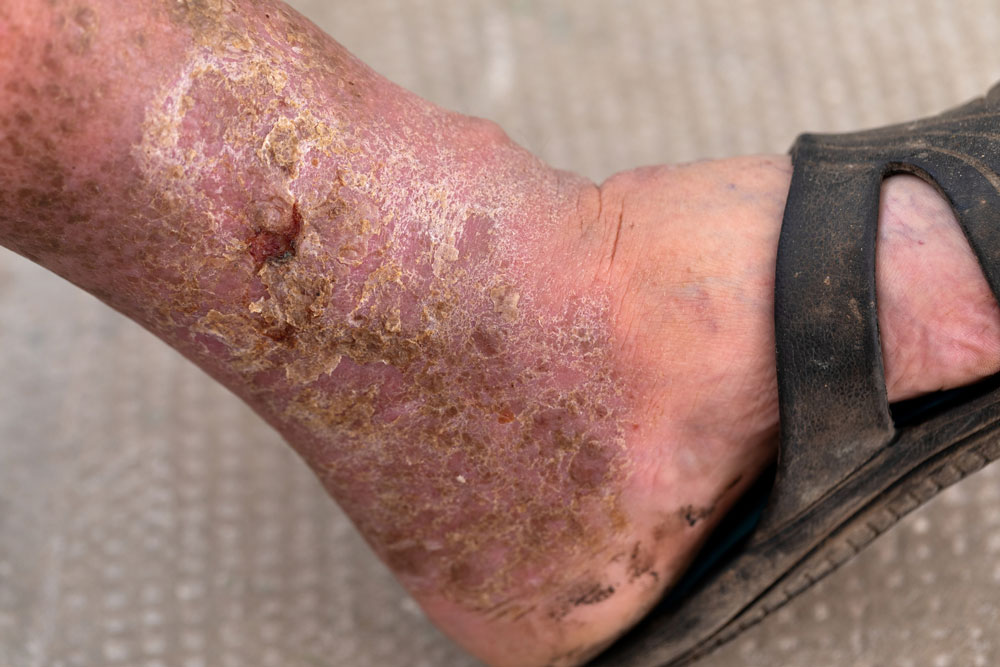
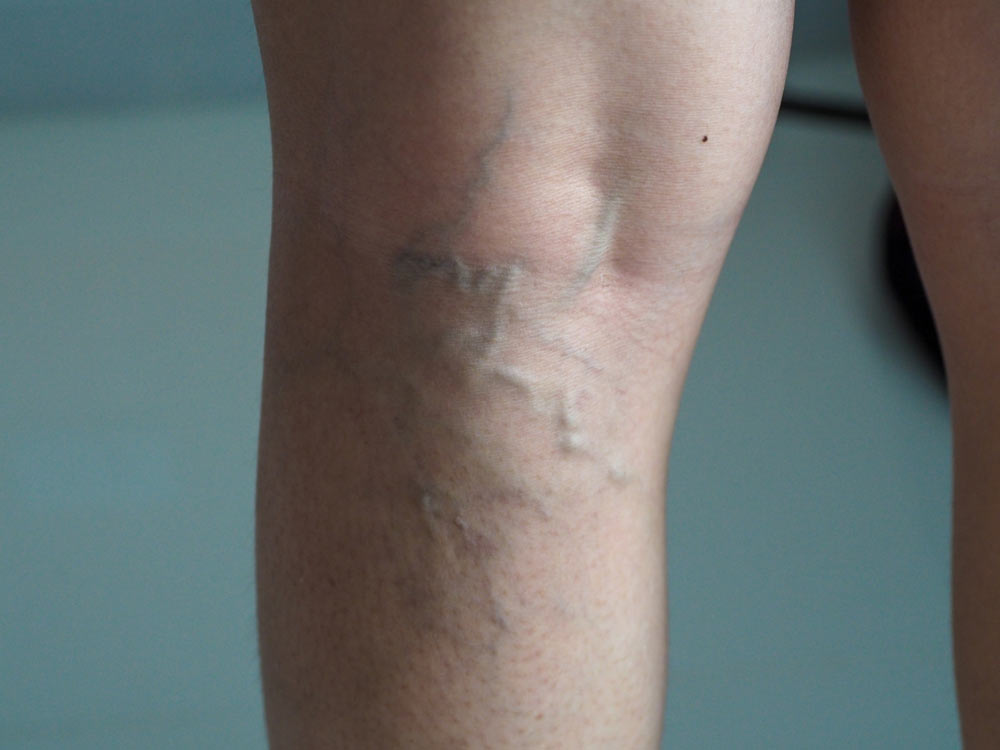
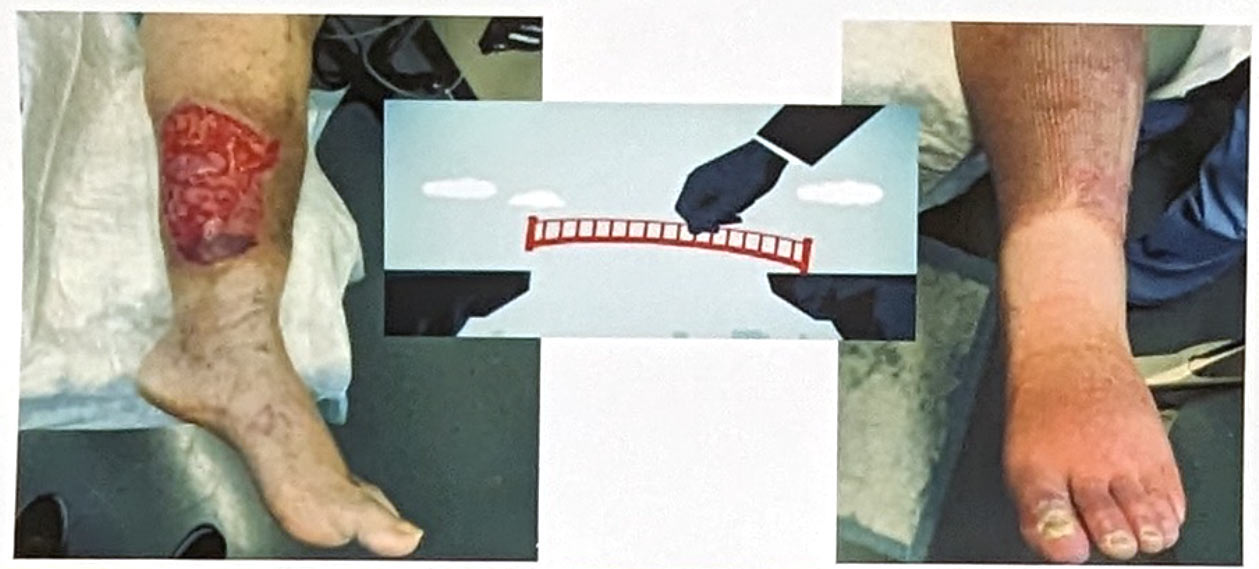
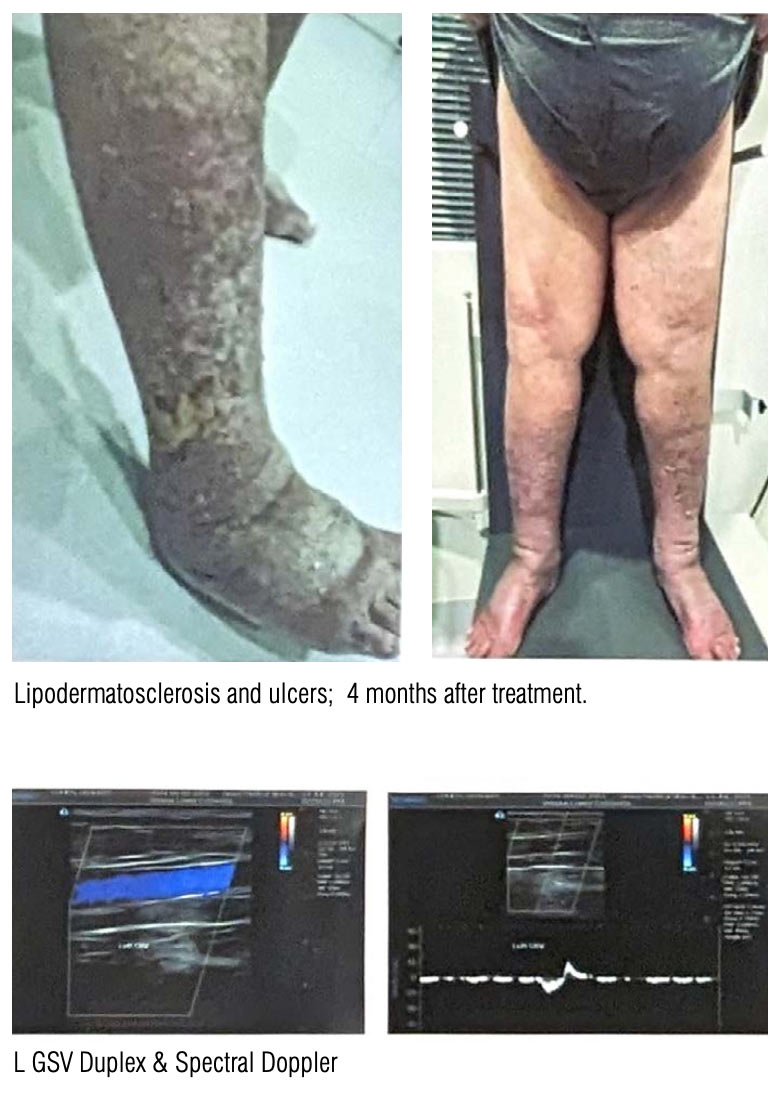
To achieve the best outcomes for patients with venous leg ulcers (VLU), a definitive and accurate diagnosis must be achieved. Many papers regarding VLU management assume a simplicity in the diagnosis given the relative commonality, neglecting the associated lymphatic…

By M. Mark Melin, Caroline Fife, Marlin Shul, Monika Gloviczki, Adelaide Herbert, Heather Barnhart (Hettrick), Amy Kaufman, Karen Andrews, Sandra Rosenberg
read more
Natural Zinc Ion Based Technology for Next Generation Compression and Wound Care Devices

Natural Zinc Ion Based Technology for Next Generation Compression and Wound Care Devices

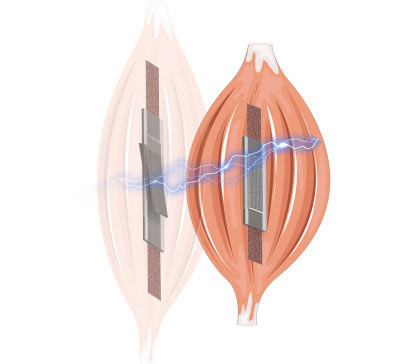
Material selection can strongly impact medical device performance and patient experience. Selection of the optimum materials in combination with the design, will influence how the device performs in promoting recovery, increasing lymphatic fluid, regulating moisture and…

By Cristina Acevedo, PhD; Ian Crane; Rohit Kankaliya; Rajib Mondal, PhD; Albert Ortega; Kevin Urman, PhD

read more
Innovative Compression Technology May Reduce Hospital Visits and Improves Self-Care in Venous Leg Ulcer Patients

Innovative Compression Technology May Reduce Hospital Visits and Improves Self-Care in Venous Leg Ulcer Patients

The cost of treatment, such as nursing time required for application of products and the number of clinical visits, is a significant expense in venous leg ulcer (VLU) care. Objectives: This study aimed to evaluate the efficacy of an innovative compression technology that delivers a well-defined pressure, invariant of applier skills, leg shape, and without the need for reapplications due to edema reduction.

By Andreas Nilsson and Josefin Damm

read more
TAA in Patients Age

TAA in Patients Age <50: Midterm Outcomes

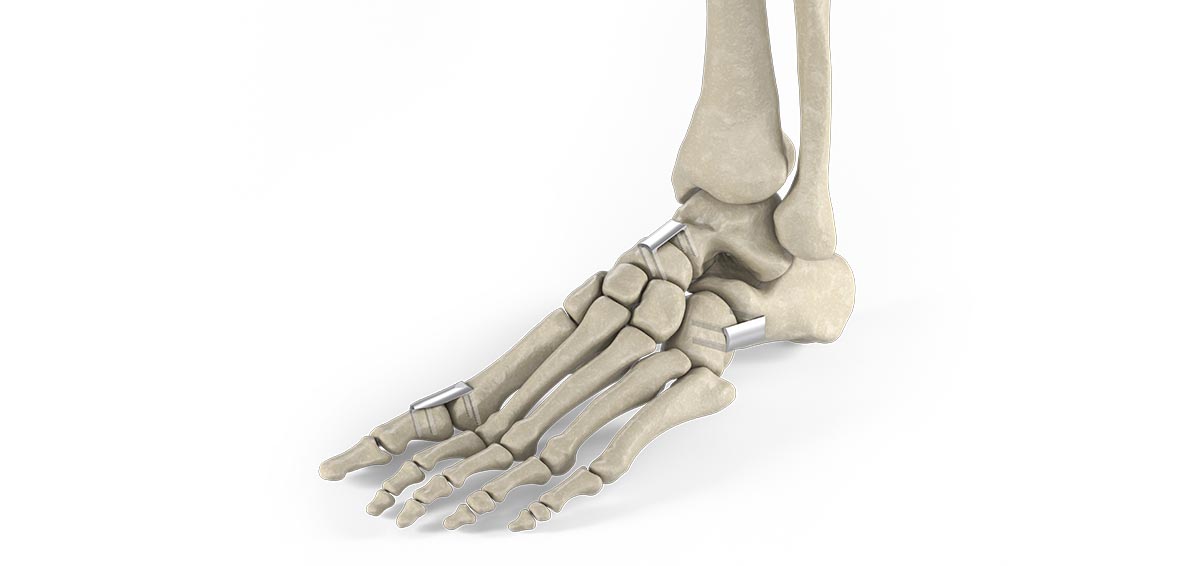
In a chart review that spanned 2000-2017, researchers from Duke University looked at 58 patients who underwent primary total ankle arthroplasty (TAA) (average age at surgery 43.3 years) and had minimum clinical follow-up of 5 years. They found that 11 required additional surgery related to the TAA; 6 patients (10.3%) required bone grafting of peri-implant…

read more
Sandal Stack Height, Gait, and Stability

Sandal Stack Height, Gait, and Stability

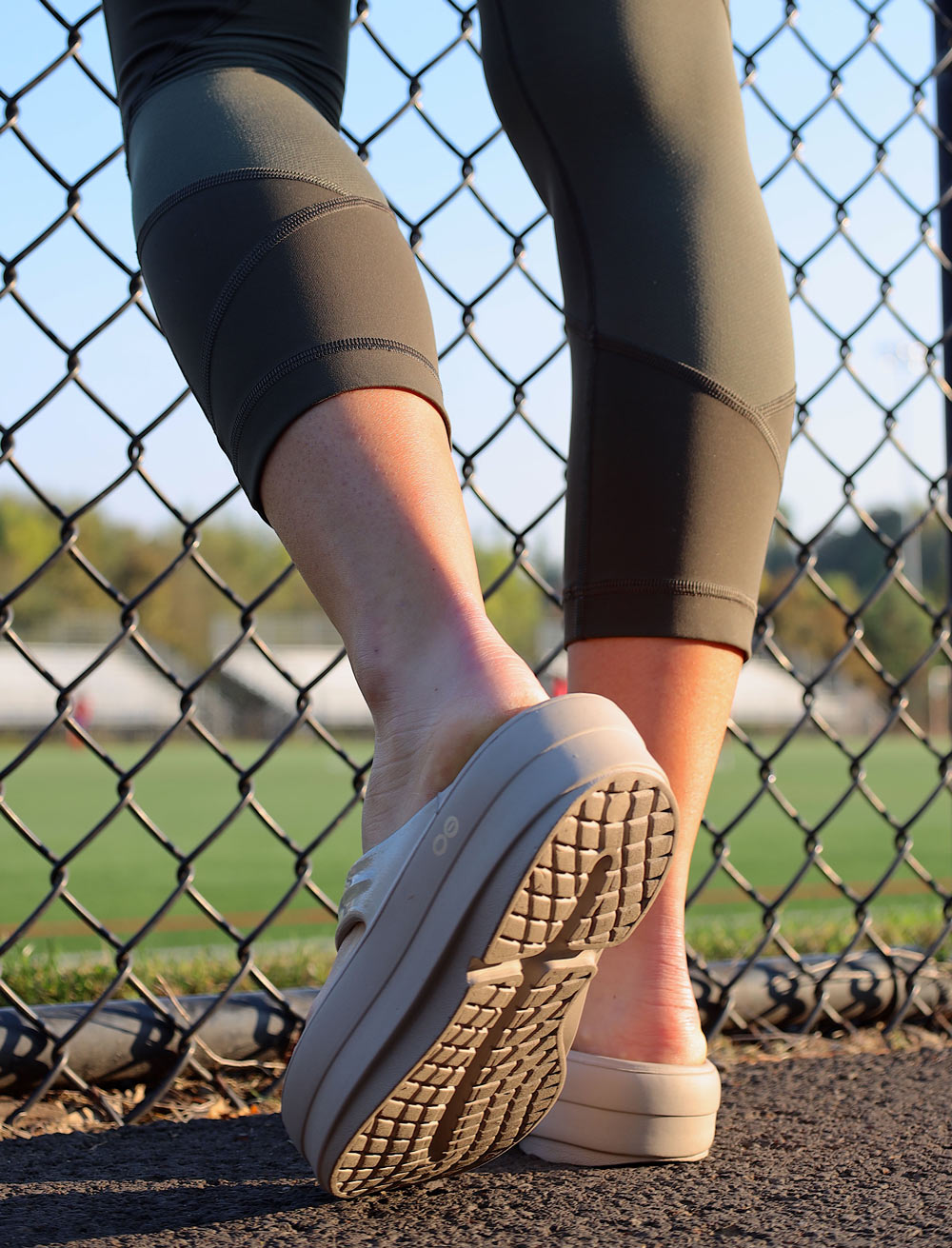
Stack height is the amount of material between one’s foot and the ground. As stack height, by definition, speaks to the amount of organized material between a 3-dimensional foot of limited mass and the relatively unlimited mass of any 2-dimensional support surface on which it functions, it will have…

By Jay Segel, DPM, & Sally Crawford, MS

read more
Severe Work-Related Lower Extremity Injuries Reported to the Occupational Safety and Health Administration

Severe Work-Related Lower Extremity Injuries Reported to the Occupational Safety and Health Administration

Background: Between two and three million work-related injuries occur in the United States (US) each year. A portion of these injuries involve the lower extremity. The US Department of Labor Occupational Safety and Health Administration (OSHA) collects information on work-related injuries and provides the information in several data sources.

By Mathias B. Forrester, BS

read more
lerEXPO Conversation: Use Material Science to Optimize Clinical Device Performance and Reimbursement

lerEXPO Conversation: Use Material Science to Optimize Clinical Device Performance and Reimbursement

Falls and falls-related injuries are a problem in individuals with chronic ankle symptoms. At last year’s Academy meeting, there was a great paper that talked about how they’re now developing outcome measures for lower limb orthotics, something we’ve had for a while in prosthetics. The author looked at his data and also data from the…

By Gary Bedard, CO, FAAOP(D)

read more
Falls Prevention Interventions for People with Multiple Sclerosis, Parkinson’s Disease, and Stroke

Falls Prevention Interventions for People with Multiple Sclerosis, Parkinson’s Disease, and Stroke

Research has shown that more than half of people with multiple sclerosis and Parkinson’s disease will fall within a 3- or 6-month period, respectively, while nearly 75% of stroke survivors fall within a year of the stroke occurring. Clinical trials evaluating the effectiveness of falls prevention interventions for…

By Nicola O’Malley, Susan Coote, Fiona McCullough Staunton, Eileen O’Connor, and Amanda M. Clifford

read more

Join

Subscribe For Updates

Stay in the loop with the latest news and updates! Subscribe now to receive exclusive content, special offers, and important announcements straight to your inbox. Don’t miss out – join our community today for all the latest updates delivered directly to you.