Achieving full range of motion is a key outcome of any rehabilitation program after ACL reconstruction. But what are the ingredients of a rehabilitation program that produces the best outcomes in terms of ROM?
By Barbara Boughton

Lower Extremity Review
Achieving full range of motion is a key outcome of any rehabilitation program after ACL reconstruction. But what are the ingredients of a rehabilitation program that produces the best outcomes in terms of ROM?
By Barbara Boughton

Grade 1 and 2 turf toe hyperextension injuries have good outcomes when treated non-operatively, but the optimal treatment for grade 3 is unclear.
By Seth C. Gamradt, MD, and Robert H. Brophy, MD

Researchers are only starting to examine how orthotic management of PTTD affects foot and ankle kinematics.
By Jeff Houck, PT, PhD, Christopher G. Neville, PT, MS, and Adolph Flemister, MD

Feedback-based gait retraining may help reduce rates of loading by improving joint kinematics and proprioception.
By Jody L. Riskowski, PhD

If foot pressures are to be reduced, healing to progress, and prevention of ulceration to be a realistic
goal, offloading is imperative. Part one of two.
By Robert J. Snyder, DPM, FACFAS, CWS, and Karen K. Lanier, CPed

Treatment program includes patient education, deep friction massage, eccentric exercise, and Mulligan taping.
By Russell Woodman, FSOM,OCS,MCTA, DPT, and Juan C. Garbalosa, PhD, PT

As patients pay more for healthcare, they will expect more from the patient experience. The most successful practices will be those that are best able to meet — and exceed — those expectations.
By Jason Kraus

The basic goal is to improve toe clearance during swing and provide stability during stance, but new orthotic technologies do much more.
By Jeremy Farley, CPO/L

Full-length carbon graphite orthoses may improve outcomes through load redistribution and forefoot motion control.
By Smita Rao, PT, PhD

Research suggests that traction on modern artificial turf can vary depending on cutting angle.
By Michelle Sabick, PhD; Benjamin Cooper, MS; Seth Kuhlman, MS; and Ronald Pfeiffer, EdD, LAT, ATC

Once identified, functional hallux limitus can be effectively managed with orthotic devices.
By James G. Clough, DPM
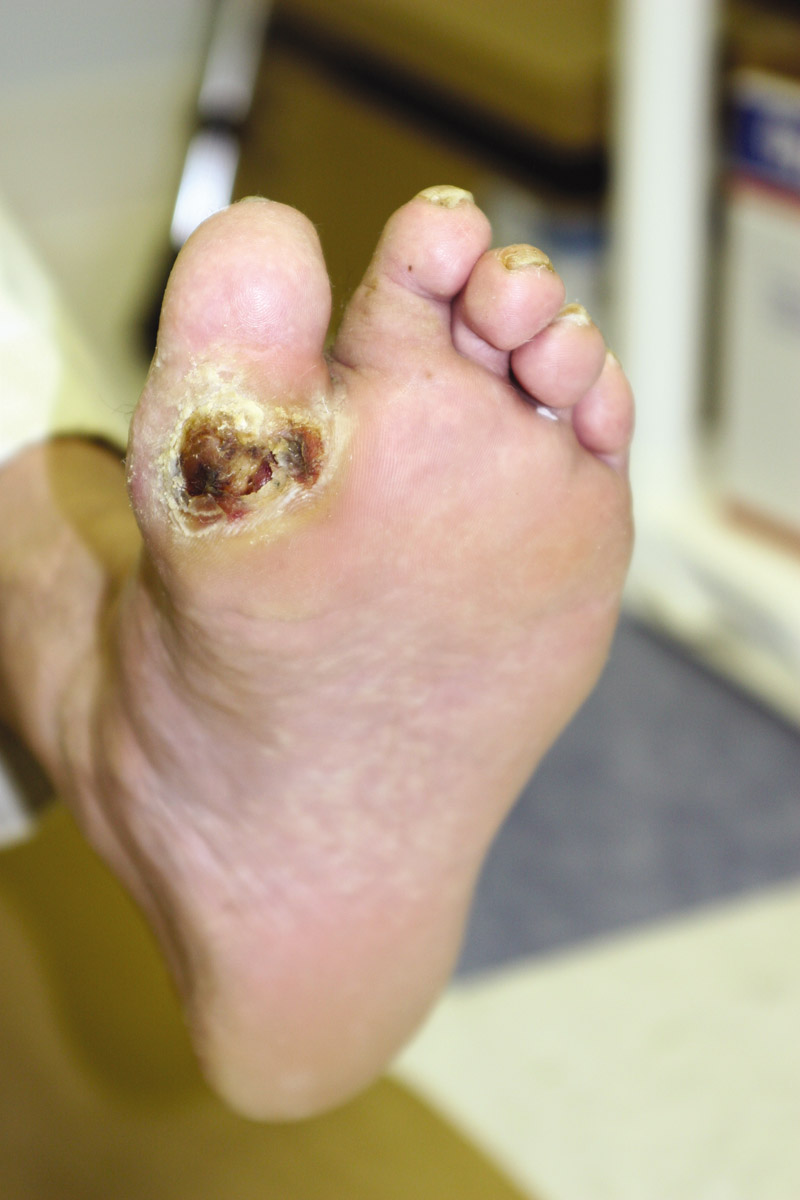
More favorable diabetic foot ulcer outcomes will require a better understanding of why patients don’t comply.
By Ryan Crews, MS, CCRP

Research suggests that plantar pressure measurement can help practitioners pinpoint problematic areas, compare different orthotic devices, and improve consistency in fabrication.
By Georgeanne Botek, DPM, and Tammy M. Owings, DEng.
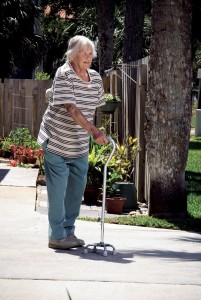
The medical literature doesn’t yet have all the answers regarding orthotic management of stroke, but don’t discount the existing body of evidence. It could—and should—change the way you practice.
By Stefania Fatone, PhD, BPO(Hons)

A stress fracture in even the smallest metatarsal bone can be a big problem, particularly for an athlete. Research suggests that male gender, athletic task, foot type, and shoe design may all contribute to loading on the lateral aspect of the forefoot, increasing injury risk.
By Robin M. Queen, PhD, and James A. Nunley II, MD
Join
Stay in the loop with the latest news and updates! Subscribe now to receive exclusive content, special offers, and important announcements straight to your inbox. Don’t miss out – join our community today for all the latest updates delivered directly to you.