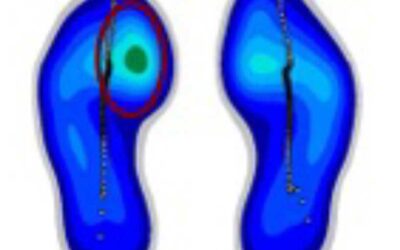
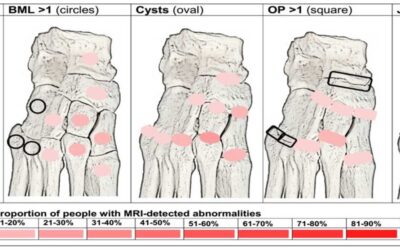
Midfoot pain is common but poorly understood, with radiographs often indicating no anomalies. This study aimed to describe bone, joint and soft tissue changes and to explore associations between MRI-detected abnormalities and clinical symptoms (pain and disability) in a group of adults with midfoot pain, but who were radiographically negative for osteoarthritis.
Lower Extremity Review
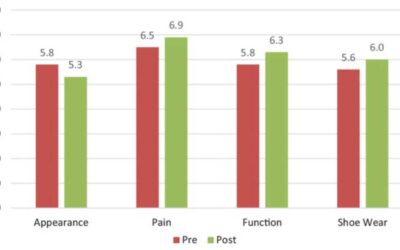
Why I Want Bunion Surgery—The Patient’s Perspective
Hallux valgus is the most common pathology afflicting the hallux. Surgery is generally offered to symptomatic patients who fail conservative treatment. The aim of this study is to evaluate patient-reported reasons for undergoing hallux valgus corrective surgery in a preoperative and postoperative cohort.
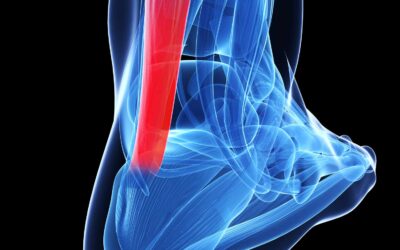
Anatomy of Plantaris Tendon and Management of Midportion Achilles Tendinopath
Midportion Achilles tendinopathy (Mid-AT) is a complex condition that may be exacerbated by anatomical variations of the plantaris tendon. Recent anatomical studies, particularly the classification proposed by Olewnik et al., have enhanced the understanding of plantaris-Achilles interactions and their clinical implications.
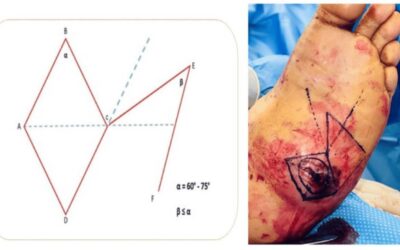
A Novel Reconstructive Approach for Plantar Charcot Midfoot Ulcer
Chronic plantar ulcers in Charcot neuropathic osteoarthropathy (CNO) present a significant challenge in limb salvage due to biomechanical instability, poor tissue quality, and high mechanical stress at weight-bearing sites. Traditional surgical techniques, such as exostectomy and tendo-Achilles lengthening (TAL), effectively…
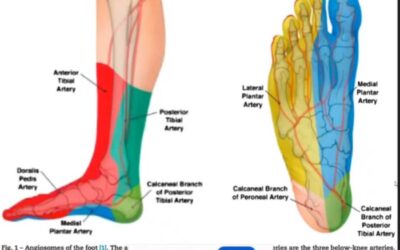
lerEXPO Conversation: Congestive Lower Extremity Failure (CLEF)
Healthcare professionals are continually striving to improve patient outcomes through enhanced understanding and precise diagnosis. Yet, a significant pathological continuum, chronic venous insufficiency (CVI) and chronic venous disease (CVD), remains grossly underrecognized and misunderstood by many across the healthcare spectrum. This gap in knowledge often leads to delayed or incorrect diagnoses, suboptimal patient care, and unnecessary suffering for millions worldwide.
By John Chuback, MD
Management of Charcot Soft Tissue Complications
Charcot neuroarthropathy is a complex condition that often leads to considerable challenges due to its complex nature. One primary concern is the management of soft tissue complications, including chronic wounds and surgical dehiscence, which are prevalent among Charcot patients. These complications can significantly impact limb functionality and…
By Kelsey Millonig, DPM, MPH, FACFAS, DABPM, DABFAS
Lower Extremity Injuries Caused by Falls Treated at Hospital Emergency Departments
Falls are a major public health concern, causing millions of injuries in the United States (US) each year. A portion of injuries caused by falls are likely to involve the lower extremity. The objective of this study was to describe lower extremity injuries caused by falls treated at US hospital emergency departments (EDs).
By Mathias B. Forrester, BS
CAGA 101: The 12 Dirty Truths of Foot Mechanics
We all know we will not live forever, but perhaps a good goal would be to not outlive your health. We also know that there are elements of our health we can control and those we can’t. Aging is a simple fact, though we often don’t consider it at the functional microscopic level. We can’t do much about the ending, but we have much to say and…
By Jay Segel, DPM; Sally Crawford, MS
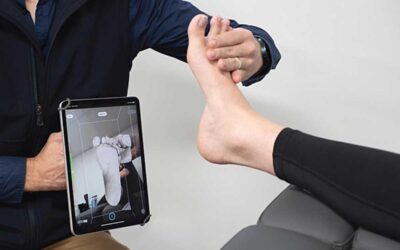
3D Scanning vs. Plaster Casting–Evolving Techniques in Orthotic Capture
Over the last few decades, clinicians have debated the merits of traditional plaster casting versus modern 3D scanning in orthotic capture. Amid continuing discourse, 1 principle holds: the clinician’s grasp of anatomical data and its impact on device design is critical to success. Equally as vital is the orthotic lab’s role in translating clinical intent into design.
By Dr. Dean Hartley (Podiatrist & Adjunct Engineering Fellow–University of Queensland)
Melted Boundaries: Regenerative Orthobiologics in Lower Extremity Medicine–The Rise of Orthokine® (Autologous Conditioned Serum) and Enhanced PRP Therapy for Joint Pain
Orthokine® is the proprietary name for a German-developed autologous conditioned serum (ACS) therapy now advanced in musculoskeletal medicine for joint pain. In scientific literature and clinical contexts, Orthokine is used interchangeably with the generic designation autologous conditioned serum (ACS), with…
By Dr. Hooman Mir, DPM, MSci, FAPWCA
UTRGV, School of Podiatric Medicine
Department of Podiatric Medicine, Surgery & Biomechanics
Xtreme Rapid Relief: Hemp CBD for Achy Joints
Xtreme Brands Rapid Relief, available as a balm, a spray, and gummies, is designed to target areas where tension tends to build–feet, legs, shoulders, lower back. The balm contains 650 mg of hemp-derived cannabidiol (non-intoxicating CBD) plus a proprietary blend of botanicals including arnica (for tension or strain), turmeric oil…
Knee Resurfacing System
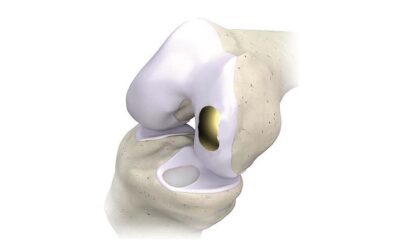
The OvertureTi Knee Resurfacing System is composed of femoral and tibial implants intended to be used in the partial replacement of the articular surfaces of the knee. These implants were designed with sizing options that allow the surgeon to replace only the diseased or damaged region of the joint while preserving healthy surrounding cartilage and meniscus.
Truncal Pneumatic Compression Garment
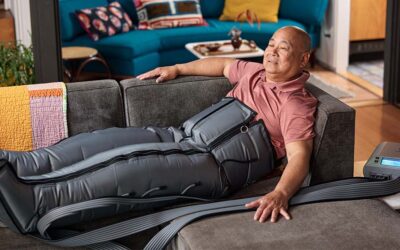
AIROS® Medical recently launched expanded sizing for its truncal garments. These larger garment models grant more patients living with lymphedema-related abdominal and pelvic swelling access to pneumatic compression device-driven compression therapy that reduces edema and pain. These pants-like garments cover the feet, legs, hips, belly…
Smart Insole Tracks How You Walk, Run, Stand
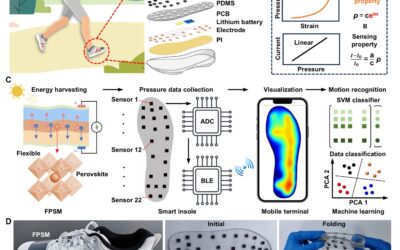
A new smart insole system that uses machine learning to learn and classify 8 different types of motion states, including static ones like sitting and standing to more dynamic movements such as running and squatting, monitors how people walk in real time could help users improve posture and provide early warnings for…
Data-Driven Designs to Improve Prosthetic Legs
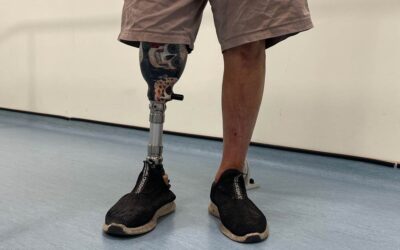
Researchers have developed a new, data-driven way of fitting prosthetic legs, which could lead to better fitting prostheses, in less time and at a lower cost. The technology has been developed by Radii Devices and the University of Southampton, UK. The study shows that transtibial prosthetic limbs designed using the…
Join
Subscribe For Updates
Stay in the loop with the latest news and updates! Subscribe now to receive exclusive content, special offers, and important announcements straight to your inbox. Don’t miss out – join our community today for all the latest updates delivered directly to you.