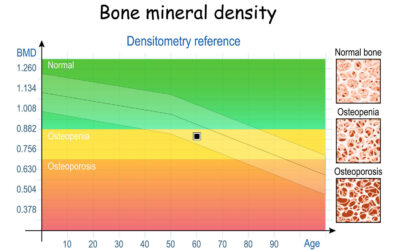
Romosozumab, a humanized monoclonal antibody sclerostin inhibitor, was FDA-approved in 2019 for the treatment of osteoporosis in postmenopausal women and men who are at increased risk of fracture. Significantly, the FDA applied a black box warning for the drug noting the potential risk of myocardial infarction, stroke and cardiovascular death.
Lower Extremity Review
Death by Diabetes: An Epidemic of Amputations
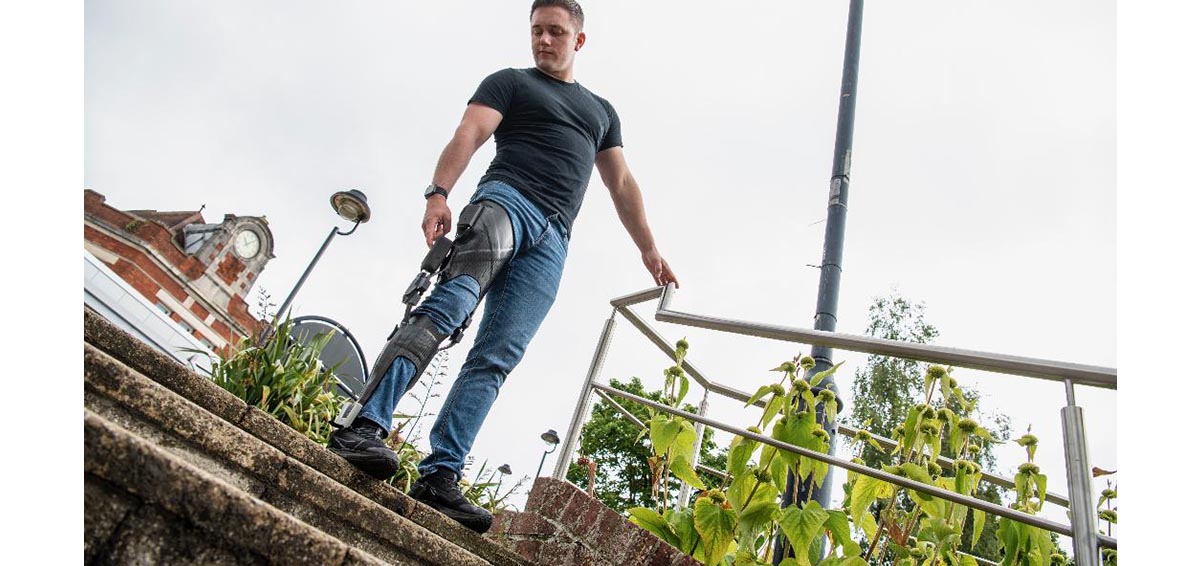
About 38 million Americans have diabetes, and each year a staggering 154,000 Americans will suffer amputations, roughly 80% of which will be the result of complications from diabetes. Their life expectancy following this procedure is five years; the probability of a second amputation is up to 35%. By comparison, a total of 1,700 American soldiers had limbs removed since 2002 due to injuries sustained during combat tours in…
Recent Prior Corticosteroid Injections Increase Meniscus Repair Failure
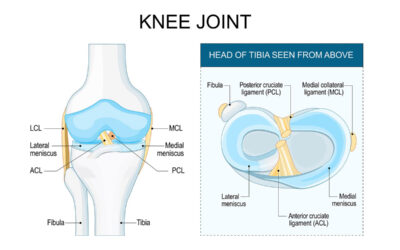
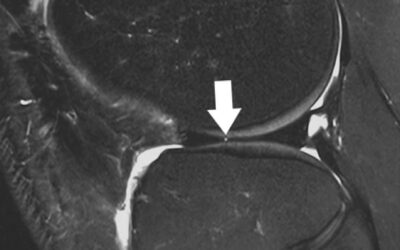
Meniscal tears are common knee injuries with limited endogenous healing capacity. This study aimed to investigate the association between the timing and administration of preoperative intra-articular corticosteroid injections (CSIs) and the risk of subsequent meniscectomy following meniscus repair. Using a national insurance claims database, patients age 18-40 years…
Patients with DPN Show Worsening Muscle Quality Over Time
Muscle volume loss may progress in parallel with muscle-associated adipose tissue (MAAT) accumulation, impacting contractile performance in individuals with diabetic peripheral neuropathy (DPN), according to an article recently published in the journal Gait & Posture. Researchers from Washington University in St. Louis, Missouri, wanted to understand the muscle quality (normal, abnormal muscle, and adipose volumes) of…
Visualizing Declining Muscle Quality
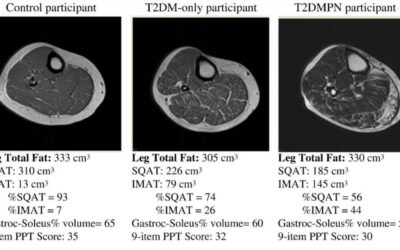
T1 cross-sectional images of the legs of a control, a patient with Type 2 diabetes (T2DM), and a Type 2 diabetes patient with peripheral neuropathy (T2DMPN). These images exemplify the progression of obesity (control) to T2DMPN and the accompanying loss of subcutaneous adipose tissue (SQAT), accumulation of leg intermuscular adipose tissue (IMAT), loss of muscle volume (gastroc-scoleus% vol.), and…
Ringside Physicians Discourage Use of Cannabis
With the twin goals of promoting safety of combat sports athletes and striving for the advancement of clean sport, the Association of Ringside Physicians (ARP) recently issued a position statement based on the available body of evidence regarding cannabis. ARP members oversee combat sports including boxing, kickboxing, wrestling, mixed martial arts, fencing, pro-wrestling, judo, karate, taekwondo, and jiu-jitsu.
Lower Extremity Injuries in Martial Arts Athletes
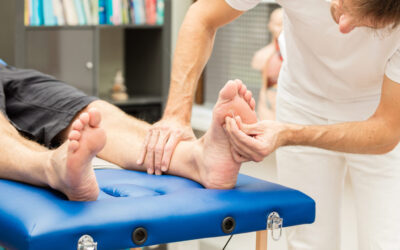
With the advent of mixed martial arts (MMA) growing in popularity, there has been a described increase in its participation. The term MMA generally describes the hybridization of combat disciplines including but not limited to: karate, judo, jiu-jitsu, wrestling, taekwondo, boxing, kickboxing, and Muay Thai. With increased participation in MMA and martial arts, differing physical demands are placed on participants.
Peri-Ankle Muscles Architecture & Performance Changes in CAI
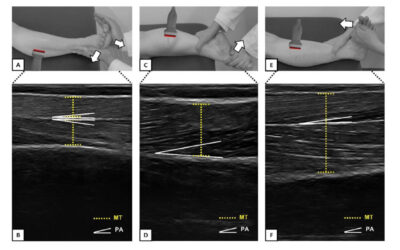
This study aimed to identify changes in the architecture and performance of the peri-ankle muscles in patients with chronic ankle instability (CAI) and investigate the relationship between them. Inclusion criteria for the study included: (1) age ≥18 years or older; (2) previous history of ≥1 severe ankle sprain that caused pain, swelling, limited weight bearing, or complete immobility for ≥3 days…
Do you have recent research news you think should be reported in Lower Extremity Review?
Send us an email with the following: Publication title, Publication date and journal, Brief (100 words or less) explanation of its significance to the field, Your name and contact info. Send email to ja****@*********ne.com. We’ll review and get back to you for follow-up.
Vibrating Insole Therapy for Sensory Peripheral Neuropathy
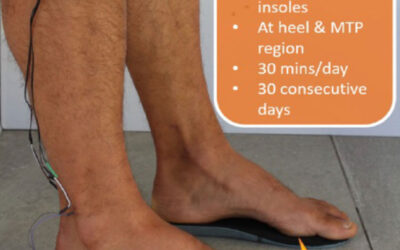
Sensory peripheral neuropathy is a common complication of diabetes mellitus and the biggest risk factor for diabetic foot ulcers. There is currently no available treatment that can reverse sensory loss in the diabetic population. The application of mechanical noise has been shown to improve vibration perception threshold or plantar sensation (through stochastic resonance) in the short term…
Rehab Therapy Improves Lower Limb Muscle Strength vs Drug-only Therapy in Multiple Sclerosis
The treatment for multiple sclerosis (MS) does not cure the disease, but it is intended to reduce the intensity, duration, and frequency of symptoms. Rehabilitation therapy (RT), including an individualized physical therapy program (PTP) and adapted occupational therapy (OT), has benefits in terms of aerobic capacity, muscle strength, coordination, and ability to perform…
AAOS Updates Clinical Practice Guideline for Management of Acute Isolated Meniscal Pathology
In releasing its new clinical practice guideline focused on acute isolated meniscal pathology, the American Academy of Orthopaedic Surgeons (AAOS) sought to help the medical community treat patients suspected of or diagnosed with an acute isolated meniscal tear. Acute isolated meniscal tears often occur from a traumatic injury with…
Major Adverse Foot Events Prevalent in DPN and Nephropathy
Peripheral neuropathy affects millions of individuals worldwide. The lifetime prevalence of peripheral neuropathy is estimated to be 50% among individuals with diabetes mellitus and this prevalence tends to increase with the duration of diabetes. Diabetic peripheral neuropathy (DPN) typically affects the distal extremities (feet and hands) and is, therefore…
ROM & Dynamic Stability in Athletes with Lateral Ankle Sprain
Ankle sprains are the most common lower-leg musculoskeletal injuries, frequently occurring among athletes and other physical active individuals. Theses authors from Saudi Arabia sought to compare the ankle range of motion (ROM) and dynamic stability of healthy and injured athletes for their dominant and nondominant legs.
Meta-Analysis Shows ESWT Is Safe & Efficacious for Plantar Fasciitis
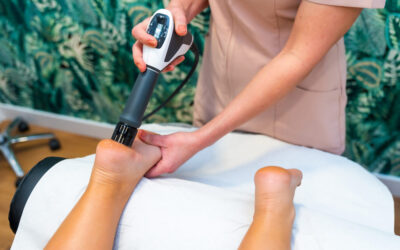
Based on findings from a systematic review and meta-analysis, researchers from the University of Jaén in Spain reported that, when compared to corticosteroid injections: At 3 months, extracorporeal shock wave therapy (ESWT) was better than corticosteroids injections in reducing pain (SMD −0.6; 95%CI −1.1 to −0.11) and thickness of the plantar fascia…
Join
Subscribe For Updates
Stay in the loop with the latest news and updates! Subscribe now to receive exclusive content, special offers, and important announcements straight to your inbox. Don’t miss out – join our community today for all the latest updates delivered directly to you.