Aging Baby Boomers & Ankle Fractures

Aging Baby Boomers & Ankle Fractures

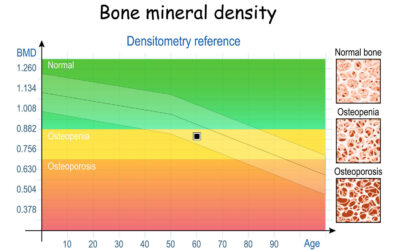
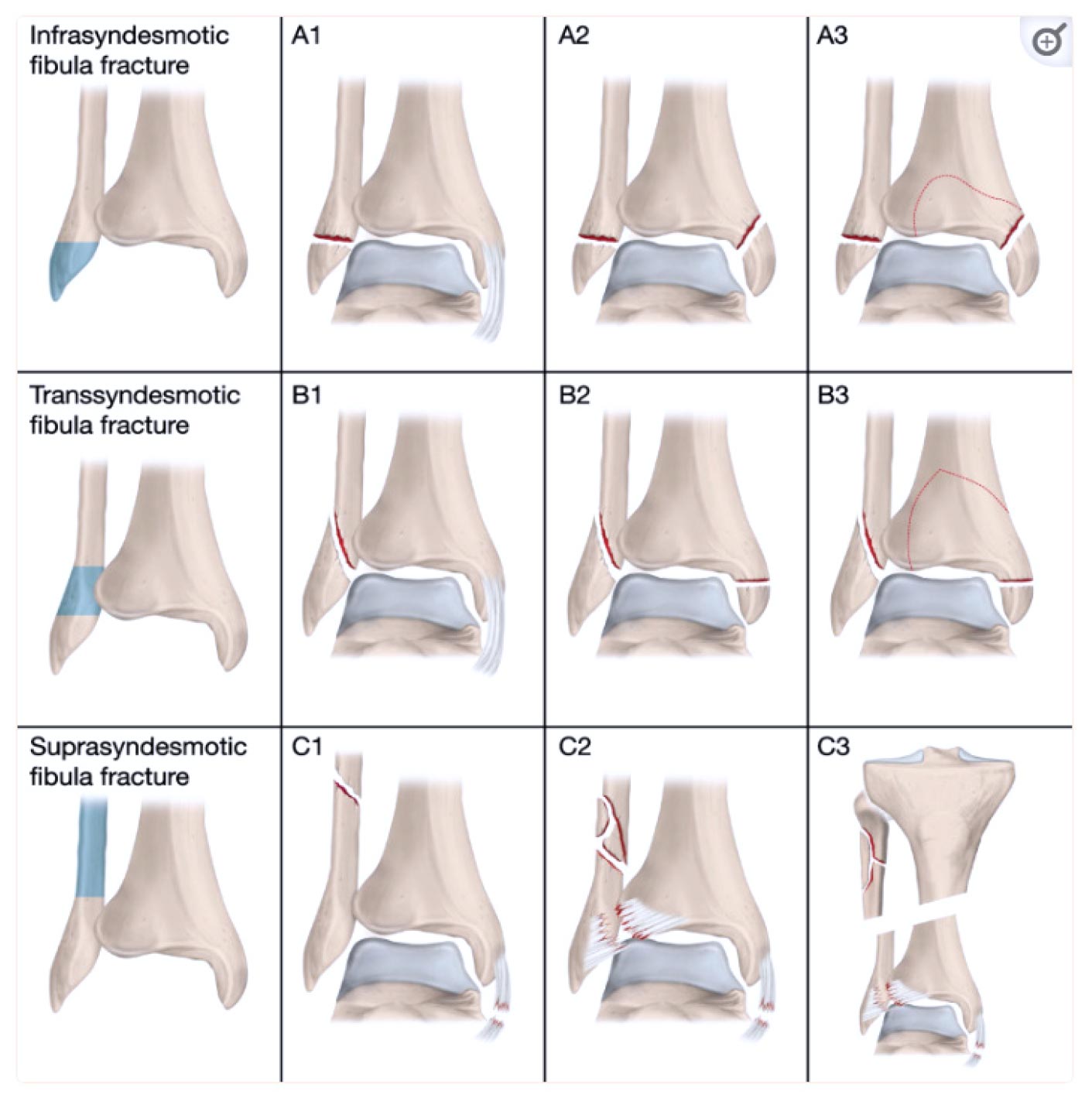
Ankle fractures are common among healthy adults, but even moreso among elderly patients. And the population of so-called Baby Boomers (today’s 60–78-year-olds) is expected to nearly double by 2050. Ankle fractures in patients with osteopenia and in diabetic patients with deranged bone remodeling constitute high-risk injuries that may result in catastrophic complications.

read more
Understanding the Benefits and Limitations of Orthotic Use in CMT and CP

Understanding the Benefits and Limitations of Orthotic Use in CMT and CP

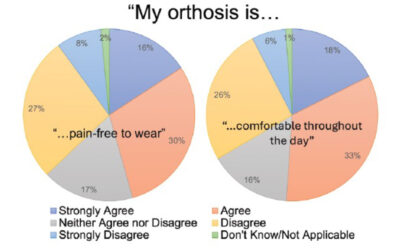
Noting a lack of evidence-based guidance on mobility challenges in individuals with neuropathic conditions, in particular Charcot-Marie-Tooth (CMT) disease and Cerebral Palsy (CP), researchers from the University of Iowa in Iowa City identified a critical need for a better understanding of how surgical correction affects mobility, balance confidence, and gait compared to ankle-foot-orthosis (AFO) bracing.

read more
LinkedIn Post of the Month

LinkedIn Post of the Month

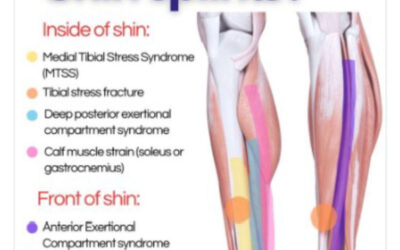
Shin splints are a label often given for shin pain, but this is NOT a diagnosis as several conditions can cause pain in this region. So here are some of the common causes; Front of shin: Anterior exertional compartment syndrome, Tibial stress fracture. Inside of shin: Medial tibial stress syndrome (MTSS), Tibial stress fracture, Deep posterior exertional compartment syndrome, Calf muscle strain (soleus or gastrocnemius).

read more
The Impact of Eccentric Preload on Muscle Performance

The Impact of Eccentric Preload on Muscle Performance

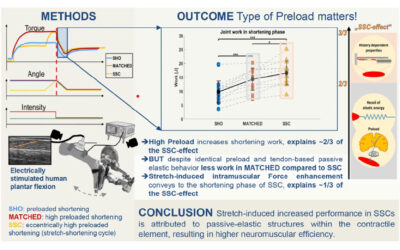
High Preload increases shortening work, explains ~2/3 of the SSC-effect BUT despite identical preload and tendon-based passive elastic behavior less work in MATCHED compared to SSC. Stretch-induced intramuscular Force enhancement conveys to the shortening phase of SSC, explains ~1/3 of the SSC-effect. Stretch-induced increased performance in SSCs is attributed to passive-elastic structures within the contractile element, resulting in higher neuromuscular efficiency.

read more
Meta-Analysis of Romosozumab for Osteoporosis

Meta-Analysis of Romosozumab for Osteoporosis

Romosozumab, a humanized monoclonal antibody sclerostin inhibitor, was FDA-approved in 2019 for the treatment of osteoporosis in postmenopausal women and men who are at increased risk of fracture. Significantly, the FDA applied a black box warning for the drug noting the potential risk of myocardial infarction, stroke and cardiovascular death.

read more
Death by Diabetes: An Epidemic of Amputations

Death by Diabetes: An Epidemic of Amputations

About 38 million Americans have diabetes, and each year a staggering 154,000 Americans will suffer amputations, roughly 80% of which will be the result of complications from diabetes. Their life expectancy following this procedure is five years; the probability of a second amputation is up to 35%. By comparison, a total of 1,700 American soldiers had limbs removed since 2002 due to injuries sustained during combat tours in…

read more
Therapeutic Benefits of Ankle-Foot Prostheses

Therapeutic Benefits of Ankle-Foot Prostheses

A better understanding of the therapeutic benefits of performing daily activities with passive, quasi-passive, and active ankle-foot prostheses in people with a lower limb amputation can help gauge the impact of…

By Elke Lathouwers, María Alejandra Díaz, Alexandre Maricot, Bruno Tassignon, Claire Cherelle, Pierre Cherelle, Romain Meeusen, and Kevin De Pauw

read more

Join

Subscribe For Updates

Stay in the loop with the latest news and updates! Subscribe now to receive exclusive content, special offers, and important announcements straight to your inbox. Don’t miss out – join our community today for all the latest updates delivered directly to you.