







 The Walking Impairment Questionnaire (WIQ) is a common and easy-to-use assessment of walking incapacity in people with claudication due to peripheral artery disease (PAD). It has 4 subscales: pain severity, walking distance, walking speed, and ability to climb stairs. It is one of several clinical measurements useful for predicting patients’ functional limitations, assessing fitness for surgery or endovascular procedures, or inclusion for clinical trials.
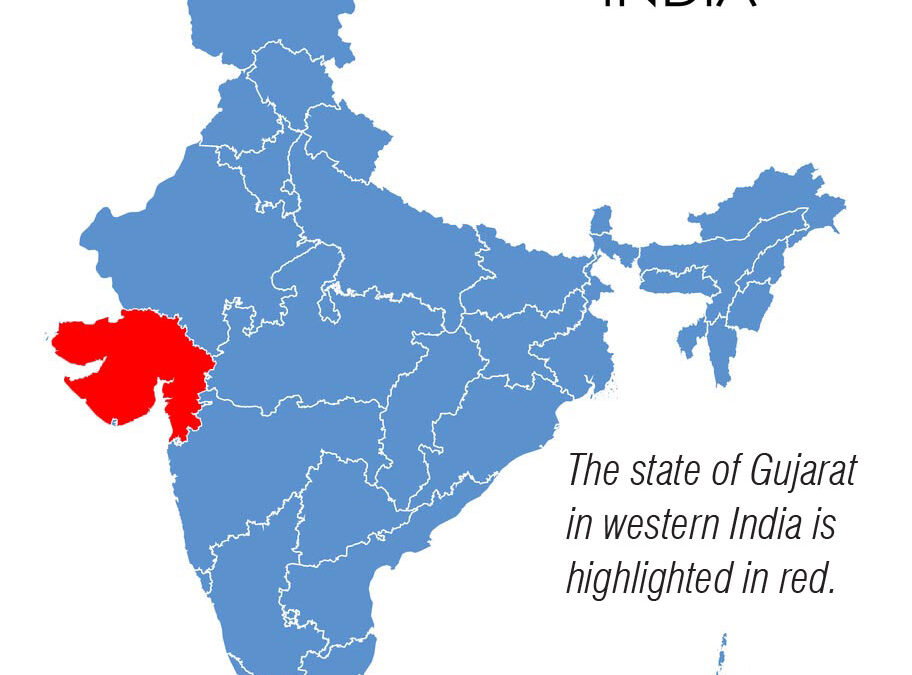
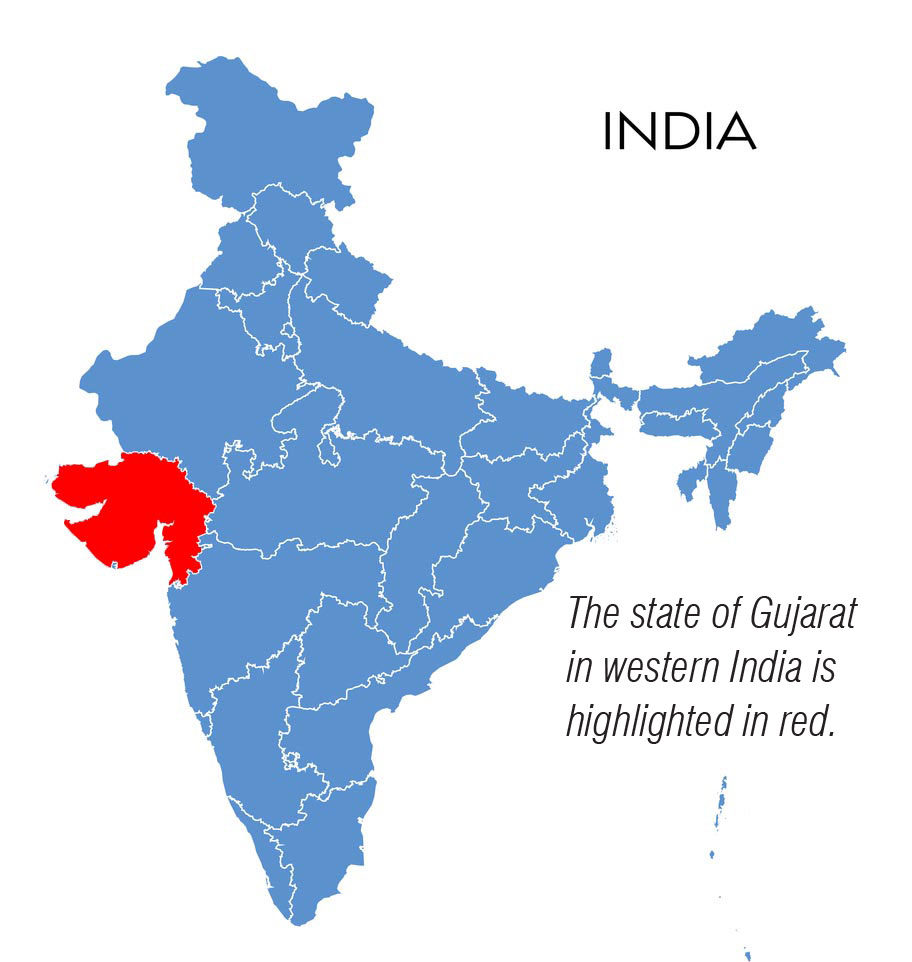
Researchers have now translated this often-used test into Gujarati, an Indo-Aryan language native to the state of Gujarat on the western edge of the India subcontinent. It is 1 of 22 official languages of the Indian Union and the 6th most widely spoken language in India, with 55.5 million speakers. Further, it is the 26th most widely spoken language in the world. Most important for LER readers, it is one of the fastest-growing languages in the United States.
Source: Tollenaere Q, Métairie A, Le Pabic E, Le Faucheur A, Mahé G. Use of the Walking Impairment Questionnaire and Walking Estimated-Limitation Calculated by History questionnaire to detect maximal walking distance equal to or lower than 250 m in patients with lower extremity arterial disease. Front Ca