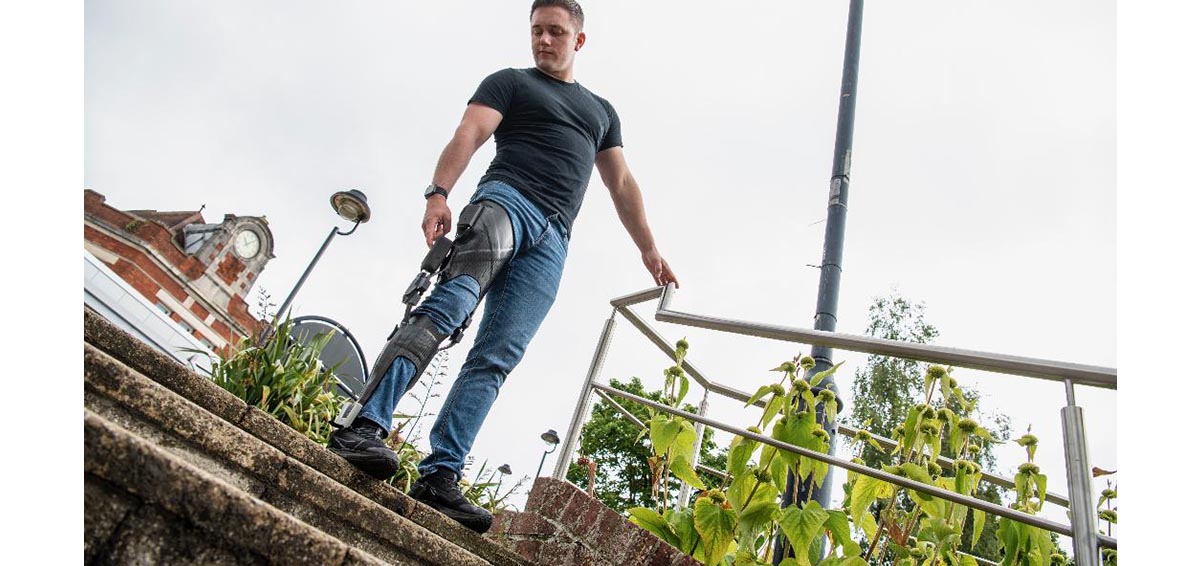
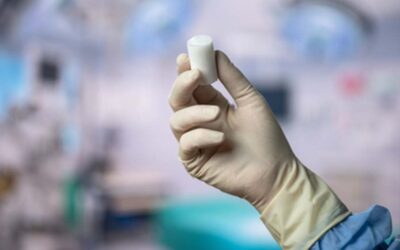
The proprietary bio-engineered Bridge-Enhanced® ACL Repair (BEAR®) Implant is used to facilitate healing of the torn anterior cruciate ligament (ACL) by acting as a bridge between the 2 ends of the torn ligament. The surgeon injects a small amount of the patient’s own blood into the implant and inserts it between the torn ends of the ACL in a…
Lower Extremity Review
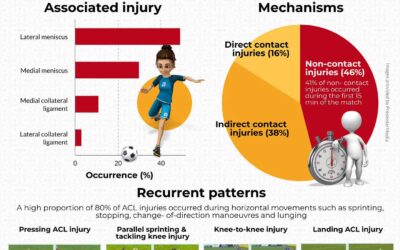
Patterns of ACL injury in women’s football
ACL match injuries sustained in Germany’s first women’s league during the 2016-2017 to 2022- 2023 seasons were prospectively analysed. A high proportion of 80% of ACL injuries occurred during horizontal movements such as sprinting, stopping, change- of-direction manoeuvres and lunging.
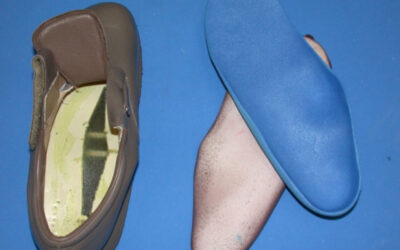
Relasting as an Alternative to Custom Shoes
Much has been written about the problem of less-than-ideal patient adherence to use of therapeutic and custom footwear for management and prevention of diabetic foot complications. Over the last few decades, there have been numerous research projects, surveys, and studies designed to parse out the exact reasons for low adherence and to create real world, implementable solutions.
By Erick J. Janisse, CO, CPed
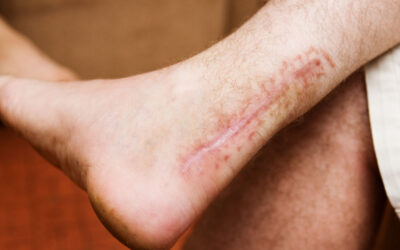
Operative VS Nonoperative Management of Achilles Tendon Ruptures
Orthopedic researchers from the University of Michigan and the Toledo (Ohio) College of Medicine and Life Sciences recently reported that young adults with Achilles tendon ruptures (ATR) may be considered for either operative or nonoperative management. In this single institution retrospective cohort study of young adults (18-30 years at time of injury), 28 operative and…
Collaborative Care Builds Better Outcomes: Care Fragmentation Impacts LE Amputation Outcomes
Care fragmentation (CF) is a known risk factor for unplanned readmission, morbidity, and mortality after surgery. The goal of this study was to evaluate the impact of CF on outcomes of major lower extremity amputation for peripheral vascular disease. Health-care Cost and Utilization Project Database for NY (2016) and MD/FL (2016-2017) were queried using International Classification of…
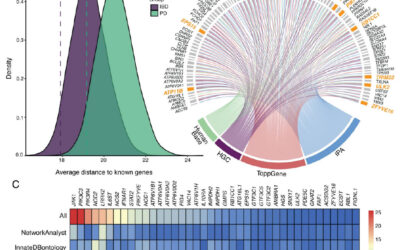
Re The Gut-Brain Axis: Genetic Link Between Parkinson’s Disease and Inflammatory Bowel Disease Found
Researchers at the Icahn School of Medicine at Mount Sinai have identified genetic connections between inflammatory bowel disease (IBD) and Parkinson’s disease (PD). The 2 chronic disorders have been suggested to share risk factors and underlying pathophysiology consistent with the “gut-brain axis” hypothesis. Previous studies, including a meta-analysis with 12 million patients…
Initiating BP Meds Increases Fall Risk in Nursing Home Residents
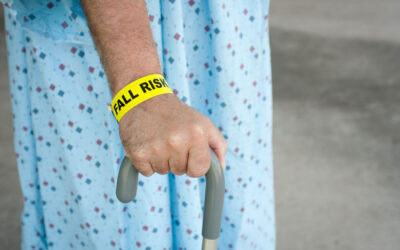
Initiating a new prescription for blood pressure medications may serve to more than double the risk of life-threatening bone fractures, according to a recent study of more than 30,000 nursing home residents. The study, which was published in JAMA Internal Medicine, asked whether the initiation of antihypertensive medications is associated with increased fracture risk among…
Nano Drug Accelerates Diabetic Wound Healing in Mice
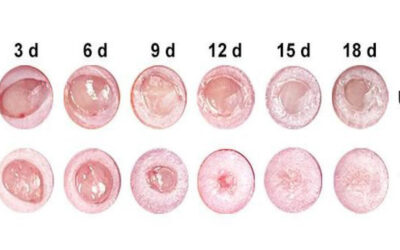
Researchers at the Icahn School of Medicine at Mount Sinai in New York City have designed a regenerative medicine therapy to speed up diabetic wound repair. Using tiny fat particles loaded with genetic instructions to calm down inflammation, the treatment was shown to target problem-causing cells and reduce swelling and harmful molecules in mouse models of damaged skin.
ROM/Dynamic Stability After Ankle Sprain: Dominant vs Nondominant Limb
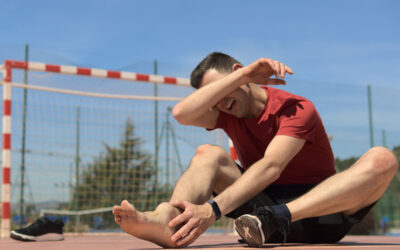
Ankle sprains are the most common lower-leg musculoskeletal injuries, frequently occurring among athletes and other physical activity individuals. This study sought to compare the ankle range of motion and dynamic stability of healthy and injured athletes for their dominant and nondominant legs.
New Wound Surgical Integrated Treatment Uses Antibiotic-Loaded Bone Cement for Non-Weight Bearing DFUs
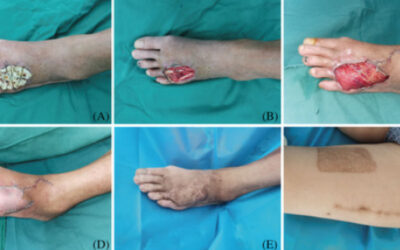
Diabetic foot ulcers (DFUs) present significant challenges due to associated amputation rates, mortality, treatment complexity and excessive costs. Earlier work by these authors introduced a wound surgical integrated treatment (WSIT) for DFUs, yielding promising outcomes. This study focuses on a specific WSIT protocol employing antibiotic-loaded bone cement (ALBC) in the first…
Obesity & Arch Development in Children
In a unique longitudinal study out of China, researchers looked at the development of the arch structure in children in 3 scans (Footscan® plantar pressure system) over 2 years. They looked at gait data from 33 normal weight children and 26 children with persistent obesity.
Dog-Related Falls Affecting the Lower Extremity Treated at United States Hospital Emergency Departments
Background: Falls are a leading cause of non-fatal injuries in the United States (US). There are a variety of fall risk factors, among which are pets. Tens of thousands of fall injuries associated with dogs are treated at US hospital emergency departments (EDs) each year. The objective of this study is to describe dog-related falls affecting the lower extremity treated at US hospital EDs.
By Mathias B. Forrester, BS
lerEXPO Conversations*: Bracing Posterior Tibial Tendon Dysfunction Long Term
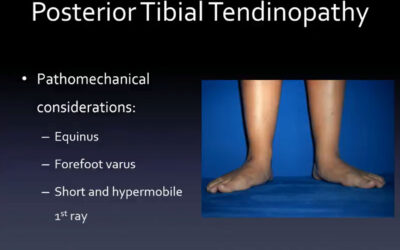
Posterior Tibial Tendon Dysfunction (PTTD) is a pervasive condition impacting the foot and ankle, representing a significant challenge in long-term management for both the patient and the healthcare team. This dysfunction occurs when the posterior tibial tendon, a vital structural support for the arch that enables efficient foot function, becomes injured or degraded, either through…
By Roger Marzano, CPO, CPed
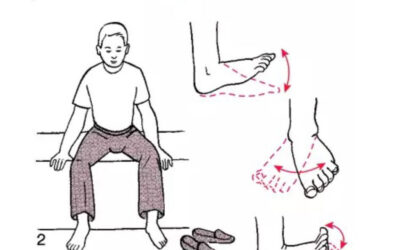
Benefits of Buerger-Allen Exercises for People with Diabetes: A Mini-Review
People with diabetes suffer from serious micro and macrovascular complications of the disease with negative effects on blood flow and lower extremity sensation. Drug therapy alone might be insufficient to prevent or treat these health problems, and patients may need complementary therapy.
By Ahmad Mahdi Ahmad, Akram Abdel-Aziz, Walaa Anwar Mohamed Khalifa, and Alaa Abulfotouh Mohammed
Assessment of Weight Bearing and Non-weight Bearing Dorsiflexion ROM in Foot, Ankle Injuries
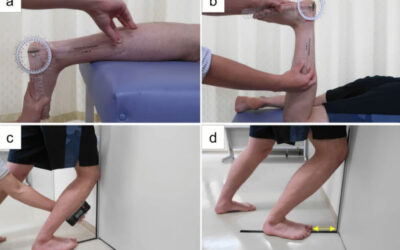
It is necessary to identify measurement methods that can detect greater ankle dorsiflexion range of motion limitation in patients with foot and ankle injuries. In clinical practice, ankle dorsiflexion range of motion (DROM) is commonly assessed in patients with foot and ankle injuries (eg, fractures, ligament, and tendon injuries).
By Yuta Koshino, Tomoya Takabayashi, Hiroshi Akuzawa, Takeshi Mizota, Shun Numasawa, Takumi Kobayashi, Shintarou Kudo, Yoshiki Hikita, Naoki Akiyoshi, and Mutsuaki Edama
Join
Subscribe For Updates
Stay in the loop with the latest news and updates! Subscribe now to receive exclusive content, special offers, and important announcements straight to your inbox. Don’t miss out – join our community today for all the latest updates delivered directly to you.