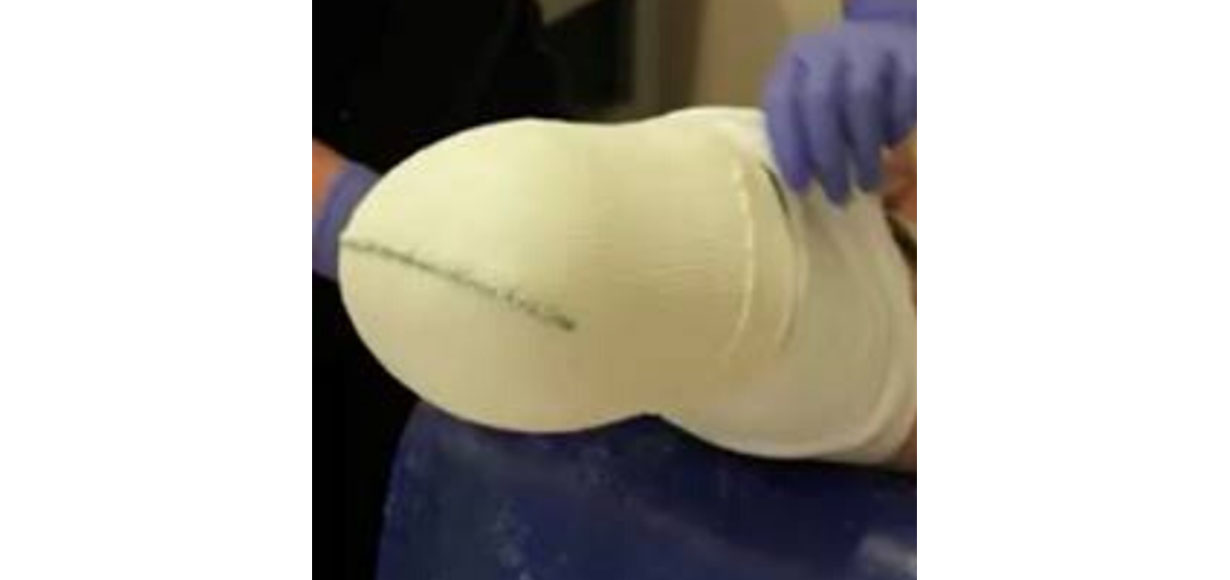
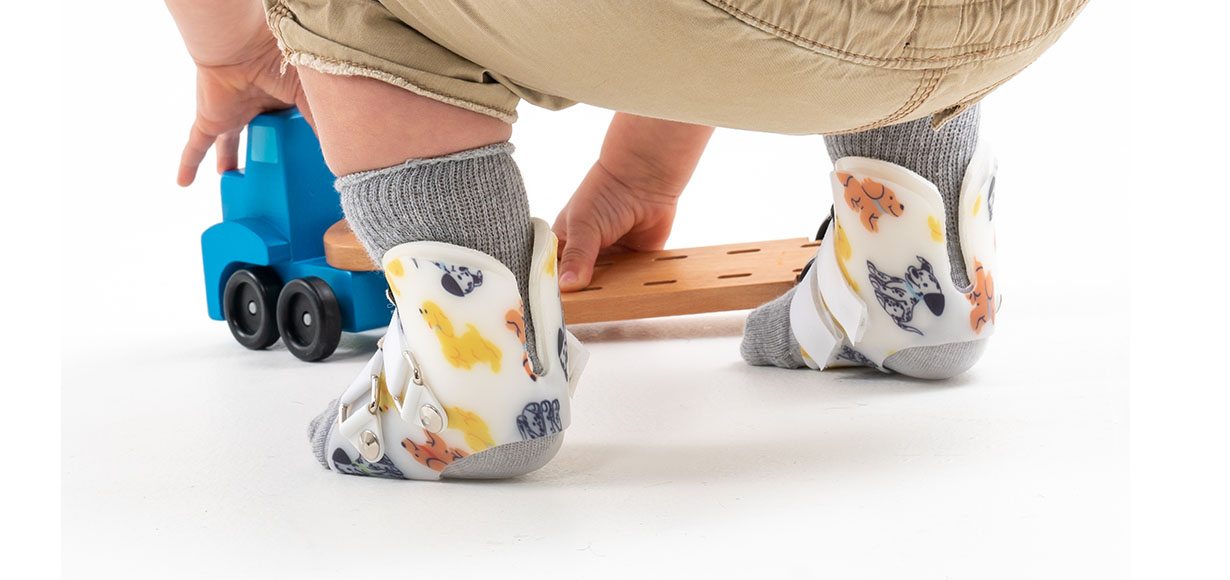
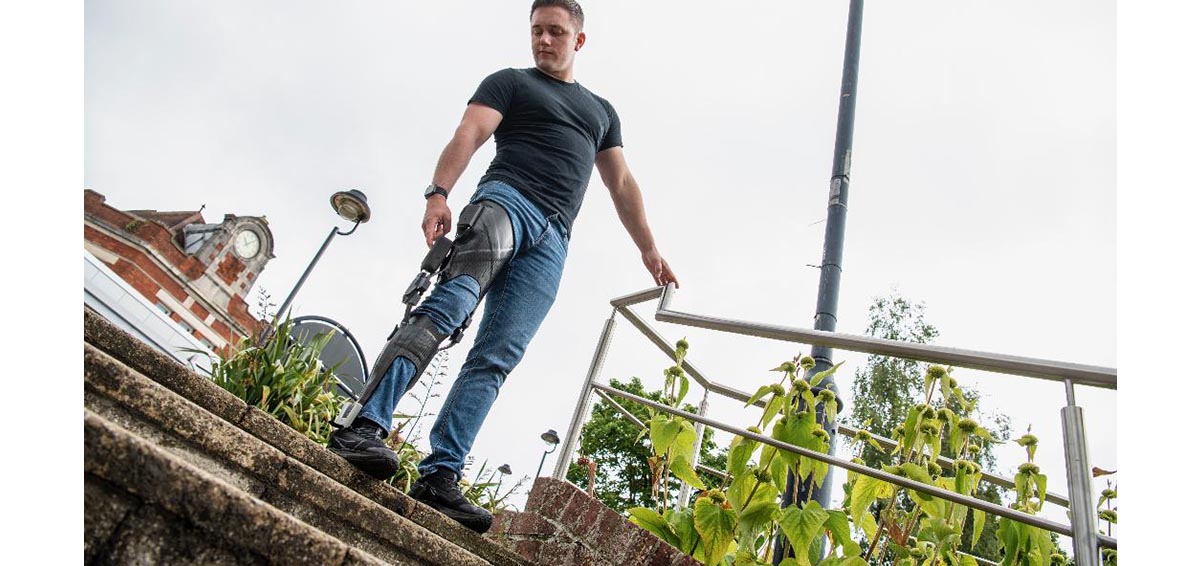
Congenital talipes equinovarus, or clubfoot, is a common deformity in which the affected foot is fixed downward and inward. The birth prevalence of clubfoot in low- and middle-income countries is estimated to be 0.5 to 2.0 cases for every 1000 live births. There is a...
Lower Extremity Review
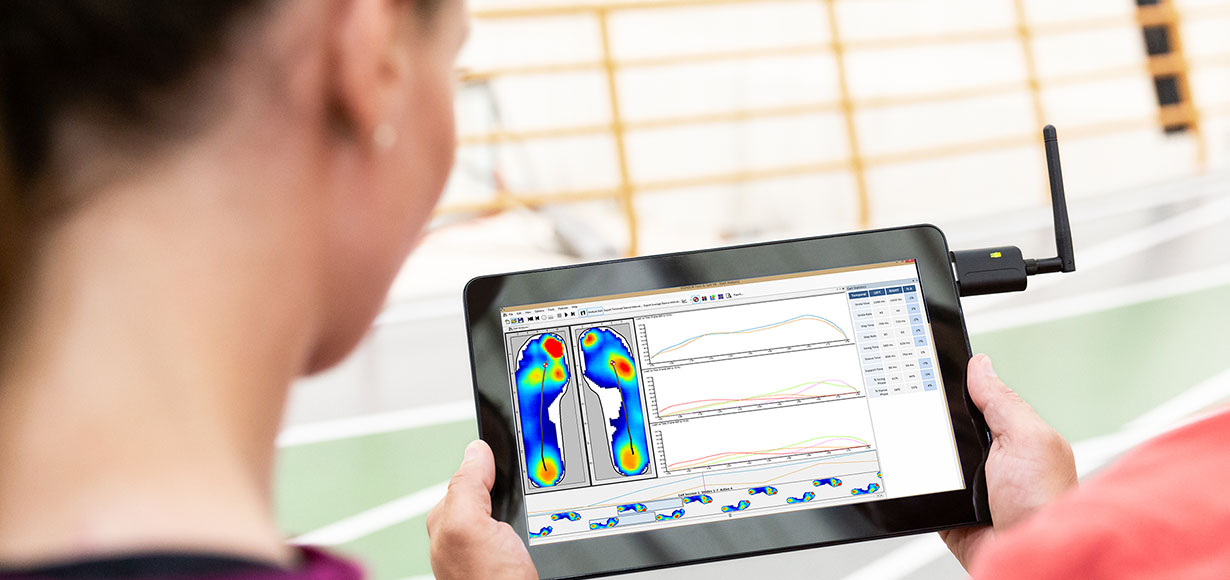
Peak Tibial Accelerations as Real-time Measure of Impact Loading
Studies seeking to determine the effects of gait retraining through biofeedback on peak tibial acceleration (PTA) assume that this biometric trait is a valid measure of impact loading that is reliable both within and between sessions. However, data was lacking for the validity and reliability of these measures at the speed of endurance runners.
By Pieter Van den Berghe
DFCon 2019 Abstract Submissions Due June 15.
The Diabetic Foot Global Conference (DFCon2019) will be held at the Hilton Los Angeles/Universal City in Los Angeles, California, USA, Oct. 17-19, 2019. All those engaged in the field of diabetic foot care, wound healing, limb salvage, and amputation…
When It Comes to Exercise, It’s Never Too Late…
Physical activity reduces the risk of many chronic illnesses and increases the odds of a longer, healthier life. But it hasn’t been clear whether the benefits of exercise differ based on when during their lives people are most active.
By Sharon Reynolds
Plantar Mechanical Stimulation Improves Sensation in DPN
Over 30 million Americans have diabetes and 1.5 million Americans are newly diagnosed with diabetes each year. Peripheral neuropathy (PN) is a major diabetic complication and affects 30% to 50% of people with diabetes. Diabetic peripheral neuropathy (DPN) is a leading cause of devastating outcomes such as foot ulcer and amputation.
By Bijan Najafi and Gu Eon Kang
Therapeutic Shoes Work for People with Diabetes. Why Doesn’t Every Patient Use Them?
Patients are unaware or reluctant, and some providers hesitate to engage in what can be a burdensome prescribing and procuring process—helping explain why uptake of this valuable preventative is disappointing. As allied healthcare professionals, we are, of course, acutely aware of the ever-growing diabetes epidemic in the United States.
By Erick Janisse, CO, CPED
Decreased Physical Activity Seen 1 Year After Acute Ankle Sprain
Despite an immense amount of research examining the causes and treatment of ankle sprains and chronic ankle instability (CAI), ankle sprains remain the most common musculoskeletal injury. The first consequence of an initial ankle sprain is the development of CAI. With upwards of 70% of patients…
By Tricia Hubbard-Turner, Michael J. Turner, Chris Burcal, Kyeongtak Song, and Erik A. Wikstrom
Is There a Sprain–Brain Connection That Leads to Chronic Injury?
Research shows that ankle health plays a role in the recruitment of the muscles around it. Millions of people sprain their ankles each year, from athletes to weekend warriors to vacationers stepping off the curb wrong. The injury is common, and for most people, treatable with ice, painkillers, and rest.
By Nicole Wetsman
Can Stabilization Training Help Minimize Risk of Injury in Adolescent Female Athletes?
5.5 million children and adolescents are injured playing sports annually. Most of these injuries are preventable, the CDC says. More than 30 million children and adolescents participate in organized sports in the United States; according to the Centers for the Disease Control and Prevention (CDC), that number is on the rise.
By Warren J. Potash
It’s Not Limb Salvage…It’s Life Salvage
New research invigorates arguments about limb salvage vs. more proximal amputations. A recent paper from researchers in Australia has reignited the ongoing debate about the relative merits of partial-foot versus transtibial amputations, particularly in diabetes patients.
By Cary Groner
Step out on the Open Road
The Open Road from Samuel Hubbard is sleek, supple, stylish, and unapologetically comfortable. With a performance hiker tread design in natural rubber, the shoes are springy, soft, and insanely light. Walk the dog, walk to work, walk for your health, walk for a cause.
EVO Hybrid Lacer Ankle Stabilizer
Med Spec is proud to introduce the new EVO Hybrid Lacer Ankle Stabilizer. The EVO Hybrid Lacer has the same internal stirrup and external stabilizing straps and dynamic cuff as the regular EVO with the addition of a hybrid lace closure system. The lower speed laces with hook & loop closure offer fast application.
An AFO for Every Need
New York OMC offers a proven collection of AFOS. High quality products offered by New York OMC include STI-Dynamic AFO, STI-Dynamic Overlap Joint, BRK-1 AFO, BRX-1 AFO, QNS-1 AFO, and Superflex AFO. The STI-Dynamic AFO treats indications PTTD, ankle injuries and sprains, medial and lateral ankle instability, subtalar joint instability, sinus tarsi, and foot drop.
Limb Salvage or Amputation of the Diabetic Foot?
The decision often hinges on how a given intervention will affect the patient’s quality of life. How, then, to define optimal QoL for your patient, and to agree on the means to achieve it? As clinicians well know, diabetes puts patients at risk of foot ulcers that can lead to poor outcomes, evidenced by the 40% 5-year mortality in patients with newly diagnosed diabetic foot ulcers (DFUs).
By Cary Groner
Making the most of resistance training in the management of knee osteoarthritis
Most physical therapists maintain that resistance training is beneficial to patients with knee osteoarthritis, but evidence from trials that have been designed with consistency is lacking. Experts discuss how to create an effective regimen given this information vacuum.
By Jill R. Dorson
Join
Subscribe For Updates
Stay in the loop with the latest news and updates! Subscribe now to receive exclusive content, special offers, and important announcements straight to your inbox. Don’t miss out – join our community today for all the latest updates delivered directly to you.