Triple threat: The female athlete triad and injury risk

Triple threat: The female athlete triad and injury risk

The Triad’s new definition specifies low energy availability, menstrual irregularity, and low bone mineral density as predictors of future health risks, including lower extremity injuries. This broader definition means far more female athletes may be at risk than previously thought, particularly in the high school setting.

By Jill Thein-Nissenbaum, PT, DSc, SCS, ATC

read more
Can AFOs help prevent falls?

Can AFOs help prevent falls?

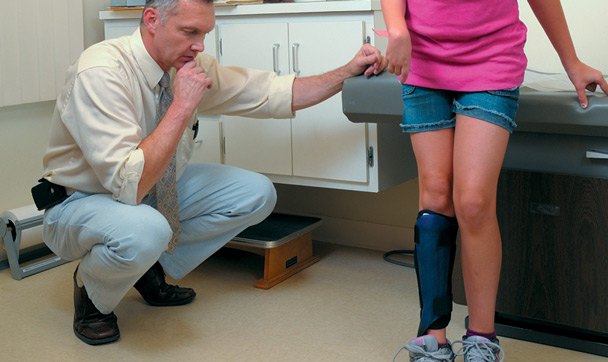
Studies suggest that ankle foot orthoses can improve balance in some individuals, so it might seem logical that they would also help prevent falls. But the medical literature has yet to reveal a direct con­nection between AFOs and falls risk, and as a result the issue has become a mag­net for debate.

By Cary Groner

read more
ACL injury and OA risk: Surgery’s complicated role

ACL injury and OA risk: Surgery’s complicated role

Given the accumulating evidence linking anterior cruciate ligament injury to early-onset osteoarthritis, one might reason that surgical repair of the injured joint would decrease that risk. But too often that isn’t the case. This two-part series explores the complicated ways, both negative and positive, that surgery can influence OA risk.

By Cary Groner

read more
Finding a formula for the optimal AFO

Finding a formula for the optimal AFO

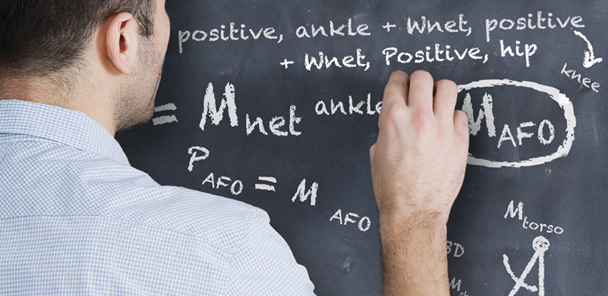
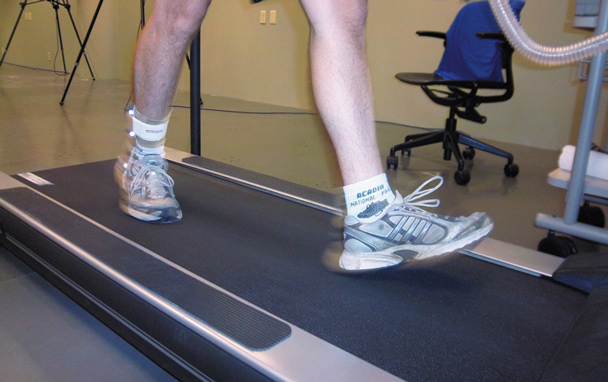
Quantitative research from The Nether­lands suggests that for every ankle foot orthosis, there is an optimal stiffness associated with the lowest energy cost of walking for a given set of gait-related impairments. Achieving this optimal device stiffness in practice, however, may require clinicians to rethink conventional ap­proaches to AFO prescription.

By Daan J.J. Bregman, PhD

read more
Breaking pointe: Foot and ankle injuries in dance

Breaking pointe: Foot and ankle injuries in dance

Essential to the beauty of dance are the demanding biomechanics of the dancer, particularly at the foot and ankle. Injuries and pain are almost inevitable. But an understanding of the underlying issues—artistic as well as anatomical—can help practitioners keep dancers on their toes for as long as possible.

By Jeffrey A. Russell, PhD, ATC

read more
FUTURE SHOCK:  Youth sports and osteoarthritis risk

FUTURE SHOCK: Youth sports and osteoarthritis risk

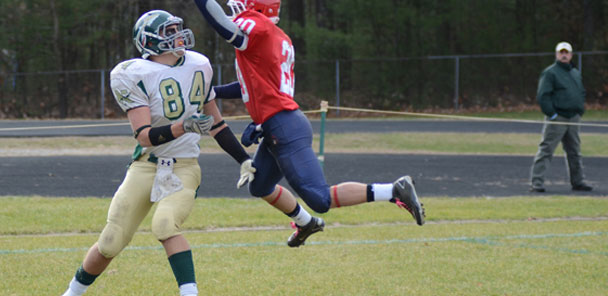
There’s no question that exercise is good for kids. But the trauma asso­ciated with some youth sports can dramatically increase the risk that those kids will develop knee or ankle oste­oarthritis by the time they reach adult­hood. The key next step is to determine what can be done about it.

By Yvonne M. Golightly, PT, PhD, Stephen W. Marshall, PhD, and Dennis J. Caine, PhD

read more
Keeping O&P compliance in check

Keeping O&P compliance in check

A recent paper suggests that a checklist system can help practitioners educate caregivers about orthotic device use in children with CP, which could improve compliance. But experts differ as to whether such checklists make sense in the complex world of O&P devices.

By Larry Hand

read more

Join

Subscribe For Updates

Stay in the loop with the latest news and updates! Subscribe now to receive exclusive content, special offers, and important announcements straight to your inbox. Don’t miss out – join our community today for all the latest updates delivered directly to you.