Diabetes Self-Care Adherence: Whose Responsibility Is It? What’s a Clinician’s Role?

Diabetes Self-Care Adherence: Whose Responsibility Is It? What’s a Clinician’s Role?

As an expert, specialist, trained foot and ankle physician, you have worked hard for your place in the medical landscape, your degree and your confidence. You think you do your job well, but what if you are not getting through to your patients to the extent you thought you were? Over the years, I have prided myself on being an educator.

By Richard Schilling, DPM, FACFAS

read more
People with Diabetes Foot Complications Do Not Recall Their Education: A Cohort Study

People with Diabetes Foot Complications Do Not Recall Their Education: A Cohort Study

Podiatrists play a large role in education for the prevention of foot complications in people with diabetes. Subsequently, podiatrists also regularly teach self-management strategies for people with or without foot complications relating to their diabetes. Current diabetes guidelines recommend education provision; however…

By Julia Yuncken, Cyclie M. Williams, Rene Stolwyk, Terry P. Haines

read more
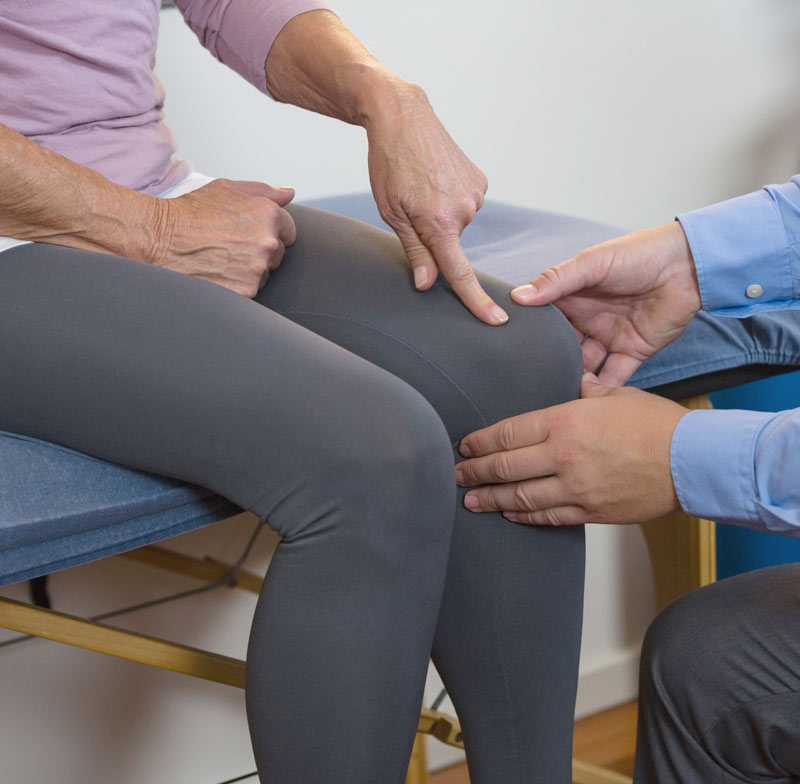
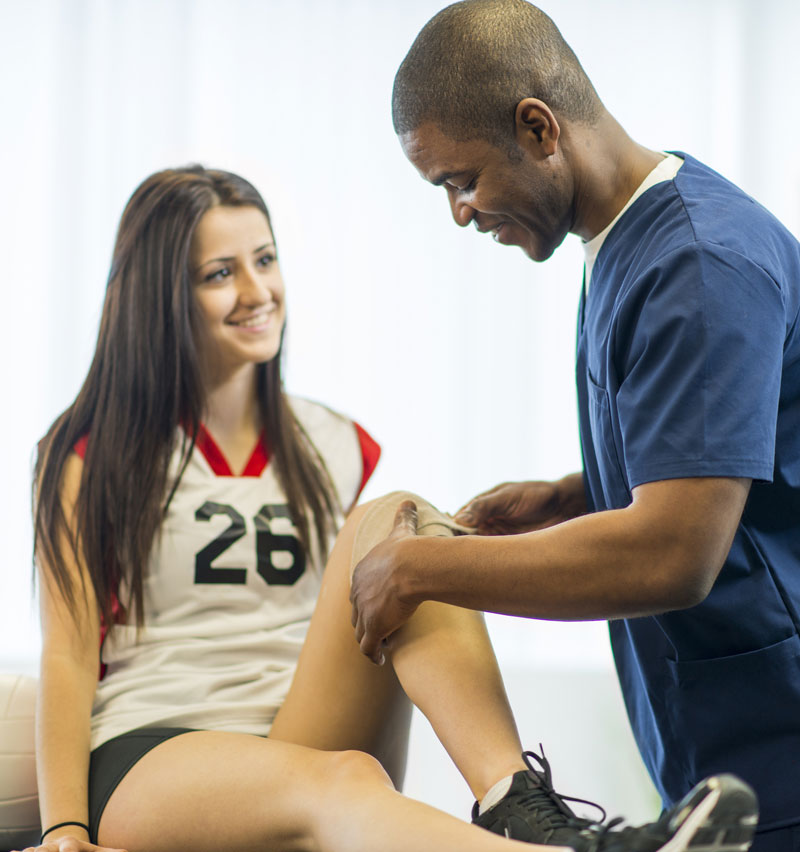
Pes Anserine Tendino-Bursitis: An Underdiagnosed Cause of Knee Pain in Middle-Aged and Older Patients

Pes Anserine Tendino-Bursitis: An Underdiagnosed Cause of Knee Pain in Middle-Aged and Older Patients

With an aging population that is increasingly overweight, a growing number of patients present to providers with a chief complaint of “knee pain.” Successful treatment of these individuals depends on making the correct diagnosis. Conventional thinking is that knee pain in middle-aged or older patients is due to the degeneration of the articular cartilage and/or the tearing of the menisci.

By Donald C. Pompan, MD

read more
Barefoot Training Is Not Just for Barefoot Runners

Barefoot Training Is Not Just for Barefoot Runners

On January 17, 2011, The New York Times published an article titled “Close Look at Orthotics Raises a Welter of Doubts.” Responding to the writing and research of Benno Nigg, it called into question much of the anecdotal information we provide to our patients when prescribing footwear and foot orthotics.

By William Smith, MSPT, C.Ped.

read more
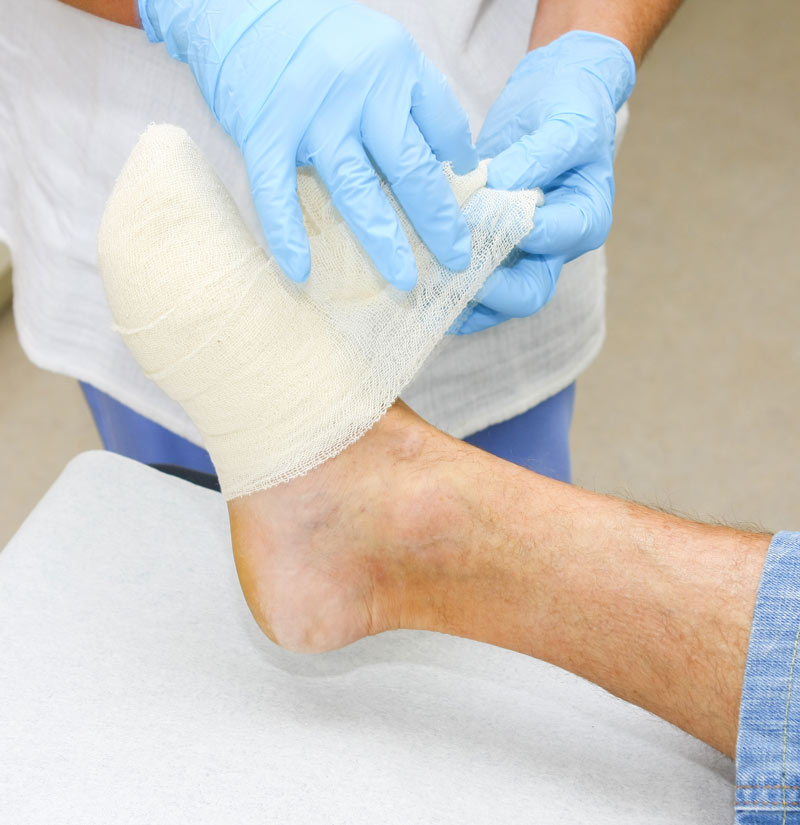
Advancements in Wound Healing Management

Advancements in Wound Healing Management

Skin trauma to the lower extremities—blisters, lacerations, incisions, and punctures—are common for those participating in athletic and recreational activities and are seen every day in clinical care settings. A foot ulcer, an open sore on the foot, is a more serious form of skin trauma or wound that occurs, often brought on in an environment compromised by diabetes or any…

By Keith Loria

read more
Botox® Injection: Not Just for Celebrities’  Furrows and Wrinkles

Botox® Injection: Not Just for Celebrities’ Furrows and Wrinkles

When people hear the word “Botox,” their immediate associations might be with facial injection as an anti-wrinkle treatment or magazine gossip on the latest celebrity to suffer a “botch job” from one-too-many injections. Prior to the modern use of this acetylcholine-blocking neurotoxin, no one other than medical professionals who used it to treat their patients really knew what Botox is.

By Benn Jason Scott Boshell, MSc, BSc (Hons)

read more
Preventing Age-Related Muscle Loss

Preventing Age-Related Muscle Loss

Shortly after age 50, the rate at which a person loses muscle mass begins to accelerate.1 Figure 1 is a graphical representation of the average number of quadriceps muscle fibers present in adults aged 18 to 82.2 Looking at the center of the graph, it is clear that the number of muscle fibers remains stable until around age 50.

By Tom Michaud, DC

read more

Join

Subscribe For Updates

Stay in the loop with the latest news and updates! Subscribe now to receive exclusive content, special offers, and important announcements straight to your inbox. Don’t miss out – join our community today for all the latest updates delivered directly to you.