Click on image to download a full PDF of the issue
Cover Story

Over the past decades, pronation has been discussed as a potential risk factor for injuries or as the mechanism behind impact damping. However, little is understood about pronation. The objectives of this paper were to (a) define and differentiate between the terms of pronation and eversion, (b & c) underline the importance and problematic aspects ...
Guest Editorial

As a podiatrist, athlete, coach, and independent running shoe proprietor, I have always had an interest in biomechanics and the impact on lower extremity overuse injuries and conditions. Perhaps the most well-known biomechanical term, pronation, is also the most misunderstood. In his recent article, Benno Nigg et al.
By Mark Mendeszoon, DPM
Feature Articles

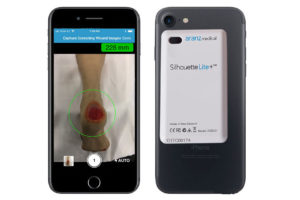
DFCON2019* showcased new technologies coming online to aid in the treatment and prevention of diabetic foot ulcers. Diabetic foot ulcers (DFUs) are the most common complication of diabetes. Up to a quarter of patients with diabetes will suffer at least one DFU in their lifetime which can lead to amputation or death.
By Lynn Soban, PhD, ...
Often overlooked, lymphedema of the lower extremities is becoming more common as aging, obesity, and cancer therapies all take their toll. Detection is key to getting appropriate treatment. Lymphedema of the lower limbs is a common, complex, and highly treatable disease that begs recognition by healthcare providers.
By Stanley G. Rockson, MD
A legal encounter with a patient led this podiatrist to rethink how and what he communicates with patients. Many of us are increasingly pushed to provide a greater amount of care along with reducing costs or increasing the value of each patient office visit.
By Donald Pelto, DPM
From the Literature

Peripheral Arterial Disease (PAD) affects more than 200 million adults around the world. If identified early, PAD is highly treatable and may prevent patients from suffering major adverce cardiac events (MACE) and major adverse limb events (MALE). The most important criterion for definition of PAD is an ankle-brachial index (ABI) below 0.90.
By Lynn Soban, PhD, ...
National Biomechanics Day (NBD) is a worldwide celebration of biomechanics in its many forms for middle- and high-school students and their teachers. Designed to introduce biomechanics science and its applications to young minds around the world, the event seeks to teach young people about all that biomechanics contributes to society with the hope of encouraging ...
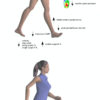
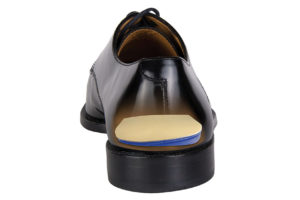
Clinicians use a variety of in-shoe heel lifts to treat a range of musculoskeletal conditions. The mechanics of how these orthotic devices work, however, is unclear. So a group from LaTrobe University in Australia put together a study that asked this question: Do heel lifts affect lower limb biomechanics and muscle function during walking and ...
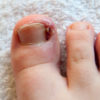
Onychocryptosis, more commonly known as in-grown toenail, affects nearly 20% of all patients who present a foot problem to their doctor. Current treatments include incisional procedures and nonincisional procedures, such as chemical matrixectomies and physical matrixectomies using a carbon dioxide laser.
By Keith Loria
Research shows that one out of every four older Americans falls annually. Fall-related injuries continue to be a costly and debilitating health risk, costing the US healthcare system about $50 billion annually. More importantly, falling once doubles an older adult’s risk of falling again, increasing their fear of falling and negatively impacting quality of life.
Industry News & Updates