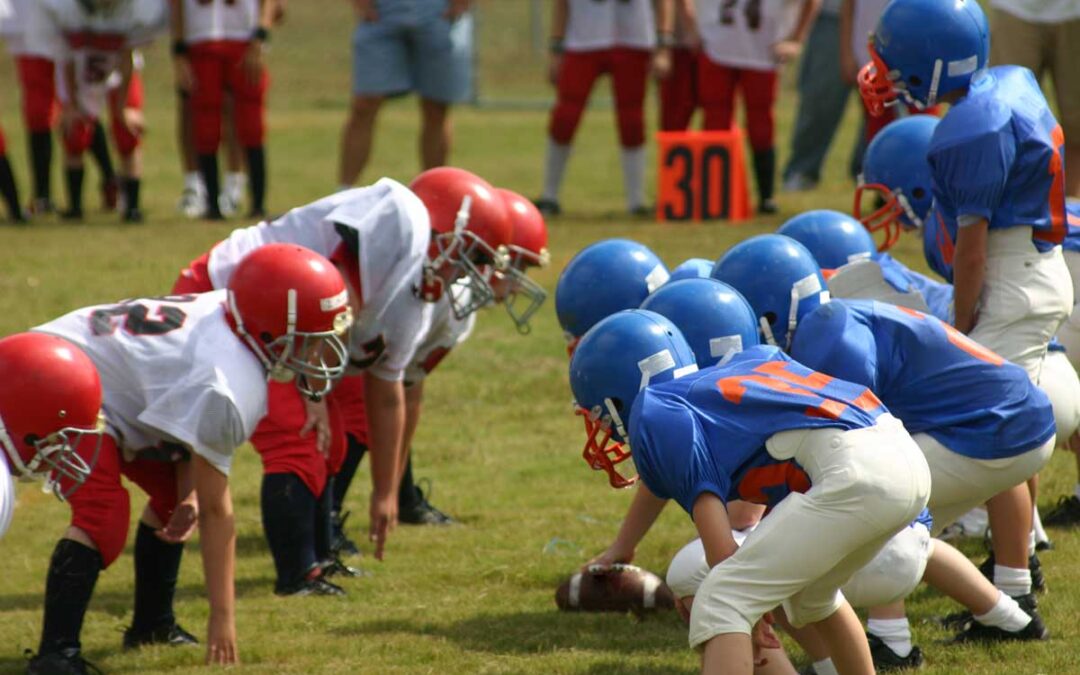








 A study focusing on high school football players in Georgia revealed that player position, particularly linemen, is a more significant predictor of exertional heat illnesses (EHIs) such as heat exhaustion than BMI. The research found that linemen are over twice as likely to experience heat-related issues compared to backs and specialists, emphasizing the importance of implementing position-specific heat safety protocols and training to mitigate risks during athletic activities.
Data were collected from 22 Georgia high schools as part of normal practice/competition activities. There were 309 EHIs over 163,118 athlete-exposures. The linemen group had over 2.5 to 3 times greater risk of sustaining heat syncope/heat exhaustion (HS/HE) than the backs (relative risk [RR], 2.63; 95% CI, 1.59-4.33) and Specialists (RR, 3.16; 95% CI, 1.52-6.56) groups. Linemen were at lower risk for exercise-associated muscle cramps (EAMCs) compared with backs (RR, 0.63; 95% CI, 0.53-0.76). No differences were found in relative risk among BMI categories.
Coaches can tailor heat safety training by emphasizing the higher risk associated with specific positions, such as linemen, and implementing position-specific strategies. For linemen, training should focus on hydration, acclimatization, and monitoring for early signs of heat exhaustion, given their increased risk. Additionally, educating all players about the importance of recognizing symptoms and adjusting activity levels based on position-related risk can enhance safety. Incorporating position-specific cooling strategies and ensuring adequate rest periods are also recommended to mitigate heat-related illnesses.
Source: Cahill OJ, Cooper ER, Grundstein AJ. Can Body Mass Index Values and/or Player Position be Viable Predictors for Exertional Heat Illness in American Football Players? Sports Health. 2025:19417381251350670. doi: 10.1177/19417381251350670.