Leading the Shift: How We Made 3D Printed Polypropylene a Reality

Leading the Shift: How We Made 3D Printed Polypropylene a Reality

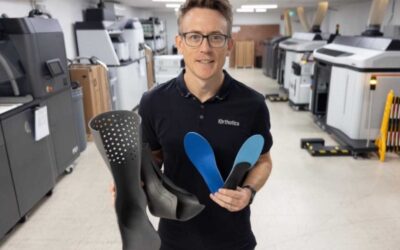
I am regularly asked, “Why 3D printed?” There are obvious environmental and manufacturing benefits, although speaking from my clinical perspective–it is the design freedom that is most important. The ability to have an unrestricted design envelope, being able to design and manufacture devices lighter, thinner, fully-custom and quicker are just a few of the benefits.

By Dean Hartley (Podiatrist & Adjunct Engineering Fellow–University of Queensland)

read more
Application for Wound Care

Application for Wound Care

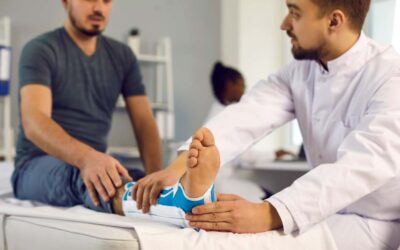
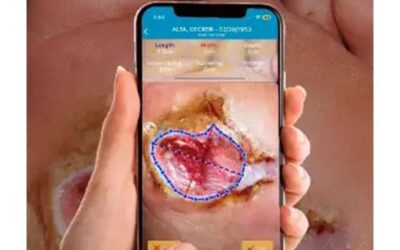
Perceptive Solutions’ WoundZoom PRO is an advanced application that gives healthcare providers a more intelligent and efficient way to manage wound care across a variety of care settings with its non-contact 3D wound measurement technology and intuitive workflow application that can all be accessed on a clinician’s smart device. This Health Insurance Portability and Accountability Act–compliant digital wound…

read more
Semi-custom Orthotic Insoles

Semi-custom Orthotic Insoles

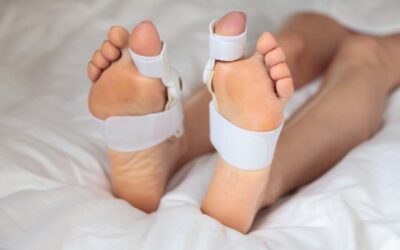
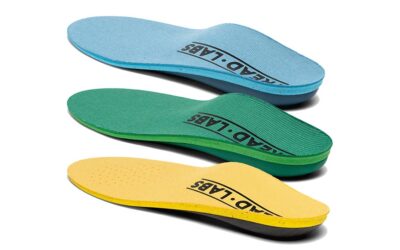
Podiatrists, physical therapists, and other foot and ankle specialists are increasingly recommending Tread Labs’ semi-custom orthotic insoles to their patients, citing impressive outcomes comparable to custom orthotics at a significantly lower cost to the patients. The company’s innovative approach includes offering 4 distinct arch heights—low, medium, high, and extra high. This unique feature allows for a more tailored…

read more
Nanomaterial Quickly Heals Wounds in Diabetic Animal Model

Nanomaterial Quickly Heals Wounds in Diabetic Animal Model

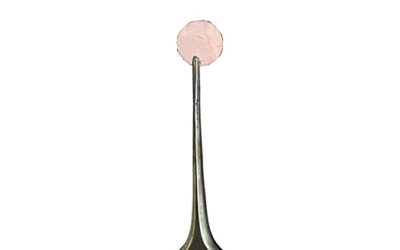
Arizona State University (ASU) bioengineers have developed a multistep strategy that applies different nanomaterials to diabetic wounds at different times to support both early- and late-stage healing. Their work showed this method outperformed a common wound dressing in a diabetic mouse model, closing wounds faster and producing more robust skin tissue. The researchers’ analysis also suggests that their…

read more
AI-powered Exoskeleton Enhances Human Locomotion, Helps Restore Mobility

AI-powered Exoskeleton Enhances Human Locomotion, Helps Restore Mobility

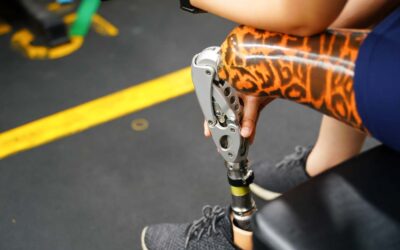
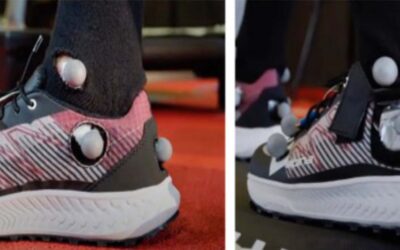
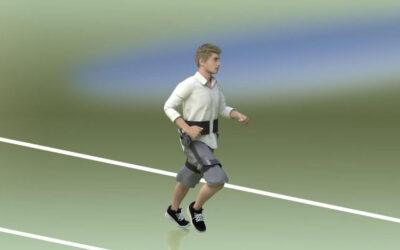
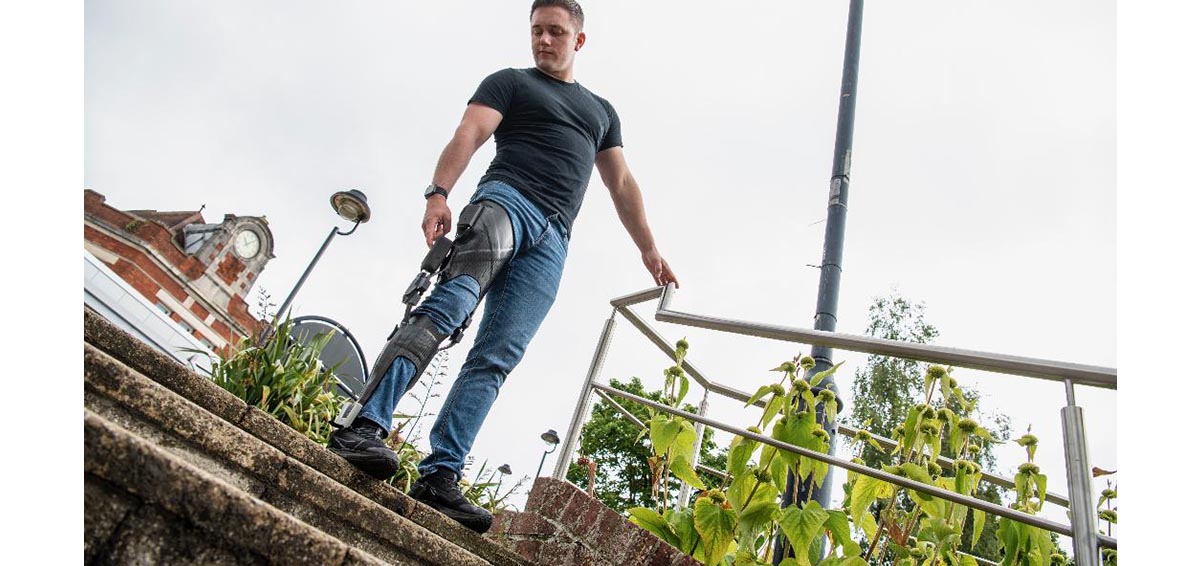
A team of researchers from the New Jersey Institute of Technology (NJIT) have demonstrated a new method that leverages artificial intelligence (AI) and computer simulations to train robotic exoskeletons that can help users save energy while walking, running, and climbing stairs. The novel method rapidly develops exoskeleton controllers to assist locomotion without relying on lengthy human-involved experiments.

read more

Join

Subscribe For Updates

Stay in the loop with the latest news and updates! Subscribe now to receive exclusive content, special offers, and important announcements straight to your inbox. Don’t miss out – join our community today for all the latest updates delivered directly to you.