Making Diabetic Foot Care Financially Sustainable

Making Diabetic Foot Care Financially Sustainable

Like many physicians, coming out of residency I thought I’d fix the world one bunion at a time.  Somewhere between my 745 and 746th bunion procedure, I came to the realization that while I was helping to relieve the pain my patients were feeling, this might not be a way for me to make a difference. Taking an objective look at my practice, I decided to focus on diabetics. That was the point that made me ask how I could make a practice financially viable with this as a focus.

By Mikel D. Daniels, DPM, MBA, President and Chief Medical Officer, WeTreatFeet Podiatry

read more
lerEXPO Highlights: Minimally Invasive Achilles Tendon Repair and Post-op Rehabilitation–How Quick Can We Go

lerEXPO Highlights: Minimally Invasive Achilles Tendon Repair and Post-op Rehabilitation–How Quick Can We Go

Achilles tendon ruptures are among the most devastating lower extremity injuries an athlete can face. Historically, the medical community has been divided between traditional open surgery and non-operative management. While open surgery effectively lowers the risk of re-rupture, the posterior ankle’s poor blood supply can sometimes lead to severe wound complications that can end careers. High-profile cases, such as NFL player Robert Mathis and…

By Kirk McCullough, MD

read more
lerEXPO Highlights: Digital Solutions for Early Detection, Prevention and Personalized Treatment of the Diabetic Foot

lerEXPO Highlights: Digital Solutions for Early Detection, Prevention and Personalized Treatment of the Diabetic Foot

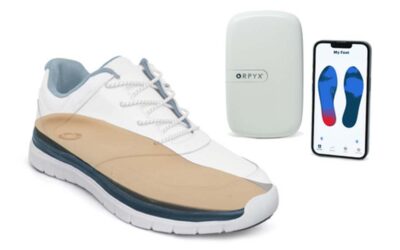
The current model for managing diabetic foot syndrome is characterized as reactive and fragmented, contributing to a global crisis where a limb is lost to amputation every 20 seconds. Dr. Bijan Najafi, a bioengineer and research director at UCLA Center for Advanced Surgical and Interventional Technology (CASIT), says that “we can’t manage what we can’t measure,” advocating for a shift toward decentralized, proactive care facilitated by digital health technologies.

By Bijan Najafi, PHD, MSc

read more
Changes in Lower Extremity Tendon Thickness After Stroke Rehabilitation

Changes in Lower Extremity Tendon Thickness After Stroke Rehabilitation

Peripheral musculoskeletal structures may undergo changes after stroke, but tendon-specific adaptations with functional recovery are not well defined. This study examined lower extremity tendon thickness in patients with post-stroke hemiplegia before and after an inpatient rehabilitation program and explored associations between tendon thickness and clinical improvement. 45 patients with post-stroke hemiplegia completed a 4-week rehabilitation program.

read more
Diabetic Socks: A Systematic Review of Commercial Products

Diabetic Socks: A Systematic Review of Commercial Products

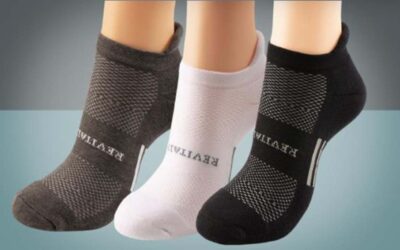
In recent years, various diabetic socks have been developed and introduced to help prevent diabetes related foot ulcers (DFUs). However, the question of which type of sock is most suitable for individuals with diabetes has not been adequately addressed. This review systematically explores the current evidence regarding the performance and structural properties of diabetic socks, along with a narrative analysis of commercial socks.

read more
Achilles Tendon Properties of Jumping Leg in University Basketball Athletes

Achilles Tendon Properties of Jumping Leg in University Basketball Athletes

The Achilles tendon (AT) plays a crucial role in force transmission and movement efficiency, and greater tendon stiffness may enhance elastic energy storage and improve performance in explosive movements. Shear-wave elastography (SWE) enables reliable, non-invasive assessment of tendon stiffness, yet its associations with other ultrasound (US)-derived properties and functional outcomes remain insufficiently defined in athletes.

read more
Impact of Spinal Cord Stimulation in Diabetic Peripheral Neuropathy

Impact of Spinal Cord Stimulation in Diabetic Peripheral Neuropathy

Diabetic peripheral neuropathy (DPN) is a common and debilitating complication of diabetes that leads to chronic pain, sensory loss, and functional decline. While spinal cord stimulation (SCS) is FDA-approved for painful diabetic neuropathy, its potential to modify disease pathology rather than merely suppress symptoms remains poorly understood. This narrative review bridges this knowledge gap by elucidating the role of SCS in mitigating structural and…

read more
Bilateral Achilles Tendon Injury in a 14-Year-Old Adolescent: Case Report

Bilateral Achilles Tendon Injury in a 14-Year-Old Adolescent: Case Report

Achilles tendon (AT) wounds are defined as partial or complete disruptions of the tendon that create direct communication with the external environment (Lamah L Diallo M Tekpa JBD). The incidence of bilateral AT lacerations in children remains unknown. These researchers report a case of simultaneous bilateral AT laceration in a 14-year-old adolescent following a domestic accident.

read more
Effect of Otago Exercise Program with Neuromuscular Electrical Stimulation on CAI

Effect of Otago Exercise Program with Neuromuscular Electrical Stimulation on CAI

Chronic ankle instability (CAI) is a common functional disorder in older adults, affecting their balance and quality of life. Effective ways to enhance ankle stability and function remains a key for healthy aging. This study aims to explore the effects of the Otago Exercise Program (OEP) combined with Neuromuscular Electrical Stimulation (NMES) on ankle stability, the pain index, and balance ability in older adults aged 60 and above with CAI.

read more
Folinic Acid Improves Healing of Diabetic Foot Ulcers

Folinic Acid Improves Healing of Diabetic Foot Ulcers

A novel folinic acid (FA) wound treatment (FAWT) significantly (P < 0.05) improved healing of chronic diabetic foot ulcers (DFUs). In a double-blind randomized controlled trial, 10 subjects with chronic DFUs were treated daily with either control therapy (n = 5; PluroGel) or FAWT (n = 5; PluroGel containing 2.5% FA). After 12 weeks, the FAWT group demonstrated significantly greater DFU area reduction compared with controls (88% [SD 16] vs 40% [SD 39], respectively).

read more
Foot and Ankle Biomaterials: A Comprehensive Review

Foot and Ankle Biomaterials: A Comprehensive Review

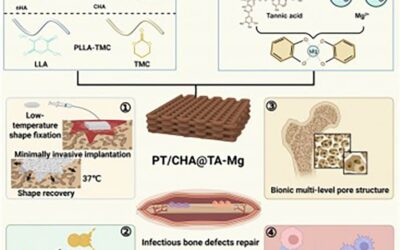
Metallic biomaterials enable successful reconstruction of skeletal tissues by supporting repair, load-bearing function, and anatomical alignment in foot and ankle surgery. The unique anatomic and biomechanics in this region, and challenging pathologies such as flatfoot and Charcot neuroarthropathy, present challenges. Intervention requires targeted biomaterial solutions.

read more
Snake Bites to the Lower Extremity Reported to U.S. Emergency Departments

Snake Bites to the Lower Extremity Reported to U.S. Emergency Departments

Background: Thousands of snake bites occur in the U.S. each year. Venomous snake bites can produce serious adverse effects, and even bites from nonvenomous snakes may cause adverse effects. Snake bites are often treated at hospital emergency departments (EDs). The objective of this study was to describe snake bites to the lower extremity treated at US hospital EDs.

Methods: The data source for this study was the National Electronic Injury Surveillance System (NEISS), a database of consumer product- and activity-related injuries collected from a representative sample of approximately 100 U.S. hospital EDs. National estimates are calculated from database records according to the sample weight assigned to each case based on the inverse probability of the hospital being selected for the NEISS sample. Cases were snake bites to the lower extremity treated during 2000–2024. The distribution of snake bites to the lower extremity was determined for selected variables.

By Mathias B. Forrester, BS

read more
Short Training Break, Same Gains.

Short Training Break, Same Gains.

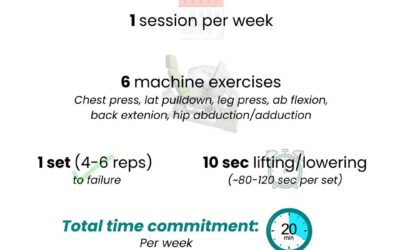
Consistency is hard. We all know it matters – especially for long-term pursuits like exercise. But being consistent doesn’t mean never taking a break, either. Too often we beat ourselves up the moment we fall out of routine. Whether it’s a busy period, illness, low motivation, or life in general… even a short disruption and suddenly we tell ourselves we’ve “ruined” our progress.

read more
Inform Diagnostics Completes Acquisition of Bako Diagnostics

Inform Diagnostics Completes Acquisition of Bako Diagnostics

Inform Diagnostics, a Fulgent Genetics company, announced that the acquisition of Bako Diagnostics was completed on March 17. Fulgent is an innovative leader in the clinical diagnostic and pathology fields. The acquisition underscores the company’s unwavering commitment to the podiatric medical community and strengthens its leadership position within…

read more

Join

Subscribe For Updates

Stay in the loop with the latest news and updates! Subscribe now to receive exclusive content, special offers, and important announcements straight to your inbox. Don’t miss out – join our community today for all the latest updates delivered directly to you.