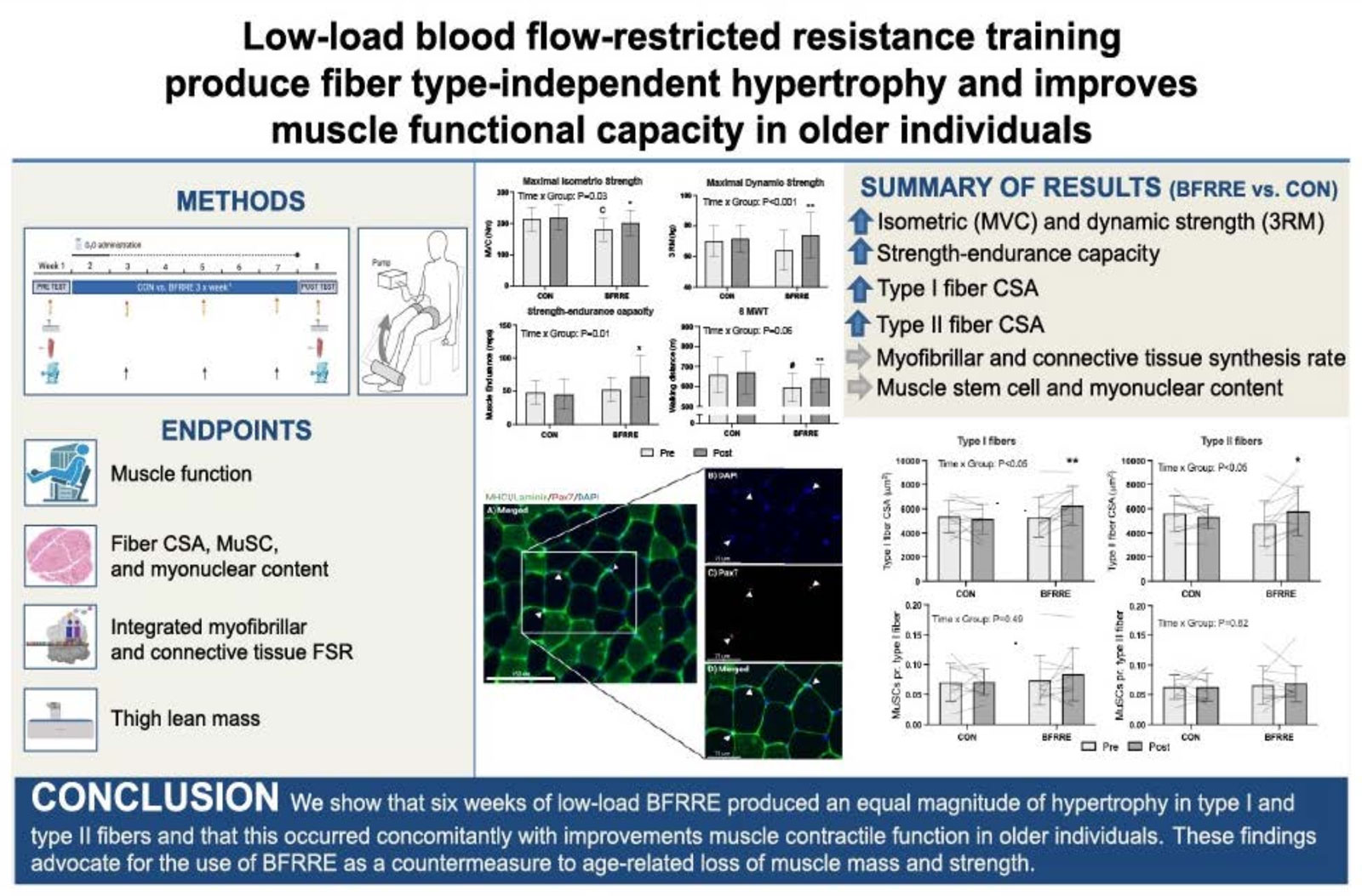
Low-load blood flow-restricted resistance exercise (BFRRE) constitutes an effective means to produce skeletal muscle hypertrophy in as little as 6 weeks. Its applicability to counteract the age-related skeletal muscle decay at a cellular level, however, is not clear. Danish researchers investigated the effect of BFRRE on…
Lower Extremity Review
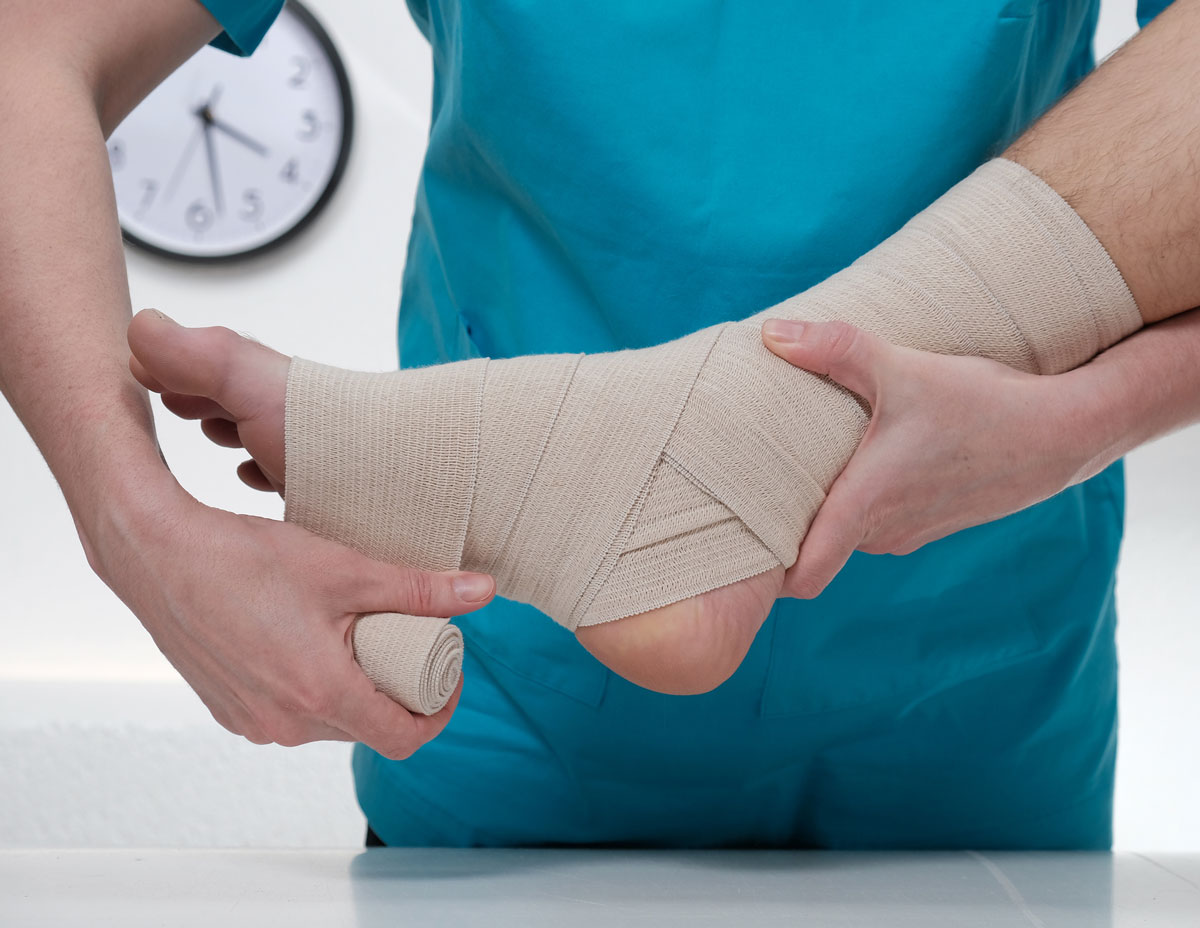
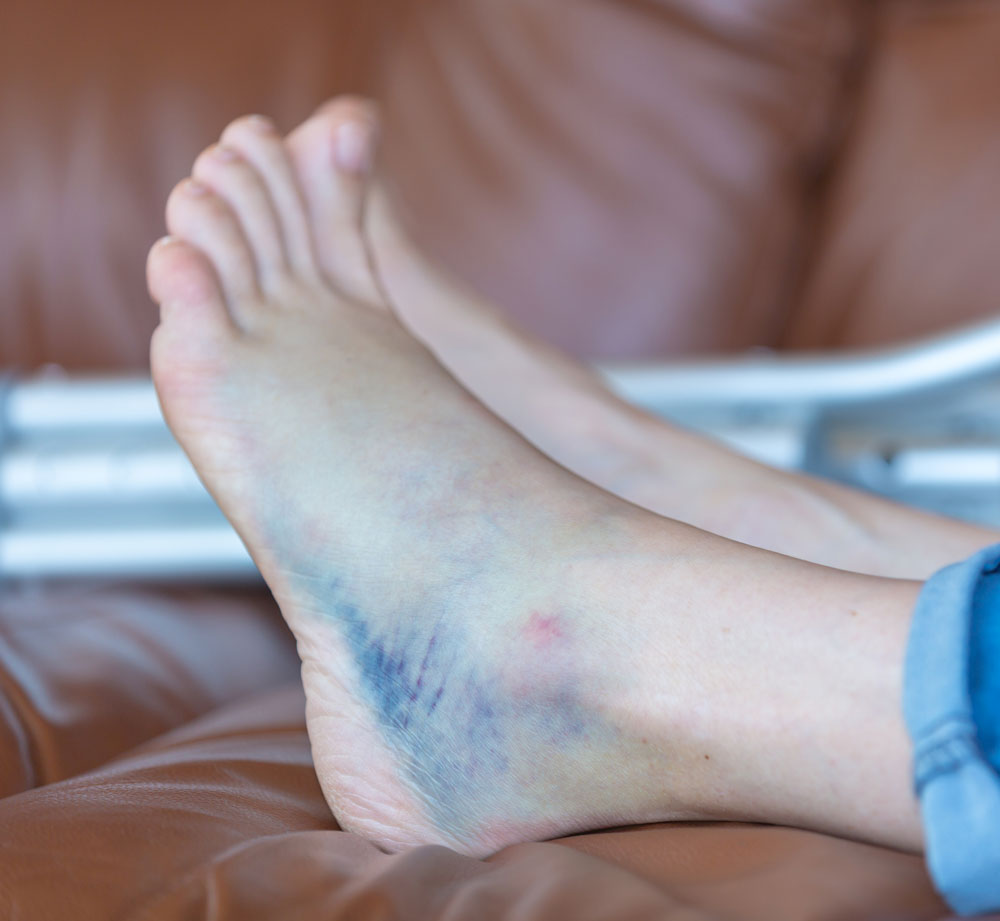
Muscle Synergies in Chronic Ankle Instability
Lateral ankle sprains are among the most common musculoskeletal injuries. Indeed, nearly 70% of these patients will go on to develop chronic ankle instability (CAI) with lingering mechanical and functional deficits. Although neuromuscular deficits in people with CAI have been identified, previous…
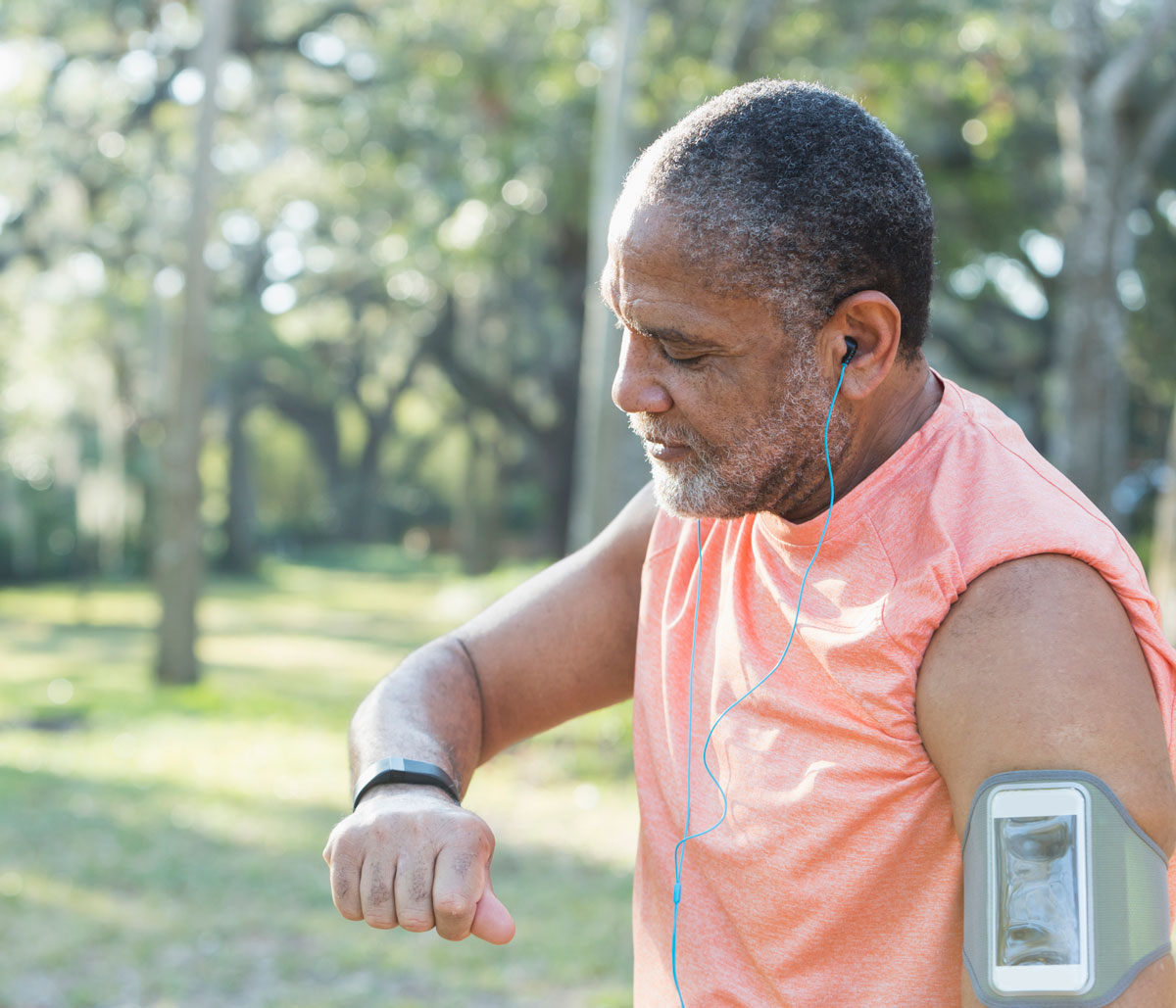
To Decrease Pain, Increase Physical Activity
A randomized controlled trial from Japan examined whether compared with a program without increased physical activity, an intervention program with increased physical activity could prevent the development of musculoskeletal pain in community-dwelling older adults.
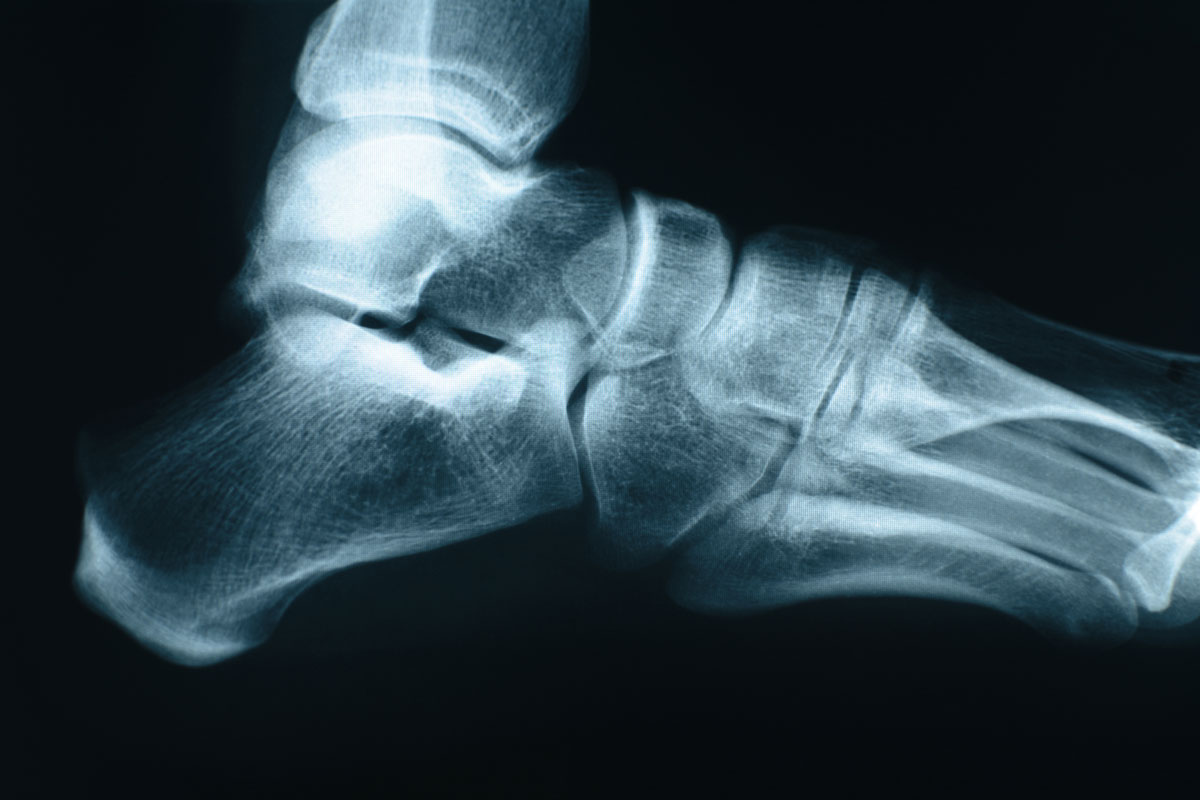
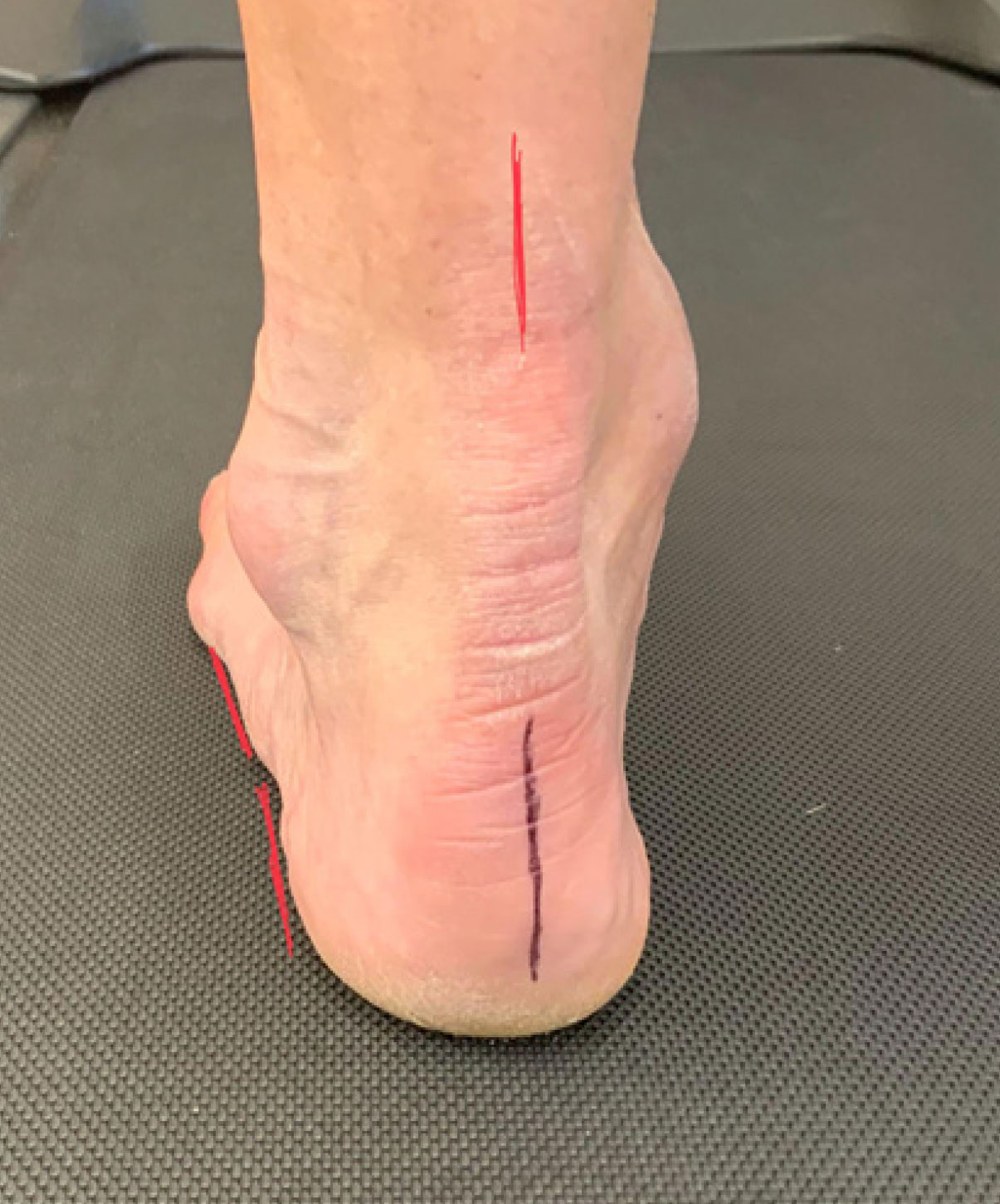
Bone Stress Injuries at the Ankle and Foot
Writing in Seminars in Musculoskeletal Radiology, 2 European experts review typical anamnestic/clinical findings, epidemiology and risk factors, imaging characteristics, and findings at typical locations of bone stress injuries in the foot and ankle that may help guide treatment strategy and patient recovery.
Pooled Analysis: 75 mins/wk of Moderate Physical Activity Prevents 1/10 Deaths
One in 10 early deaths could have been prevented if everyone had met just half the recommended weekly target of 150 minutes of moderate intensity physical activity, according to the largest pooled data analysis of its kind.
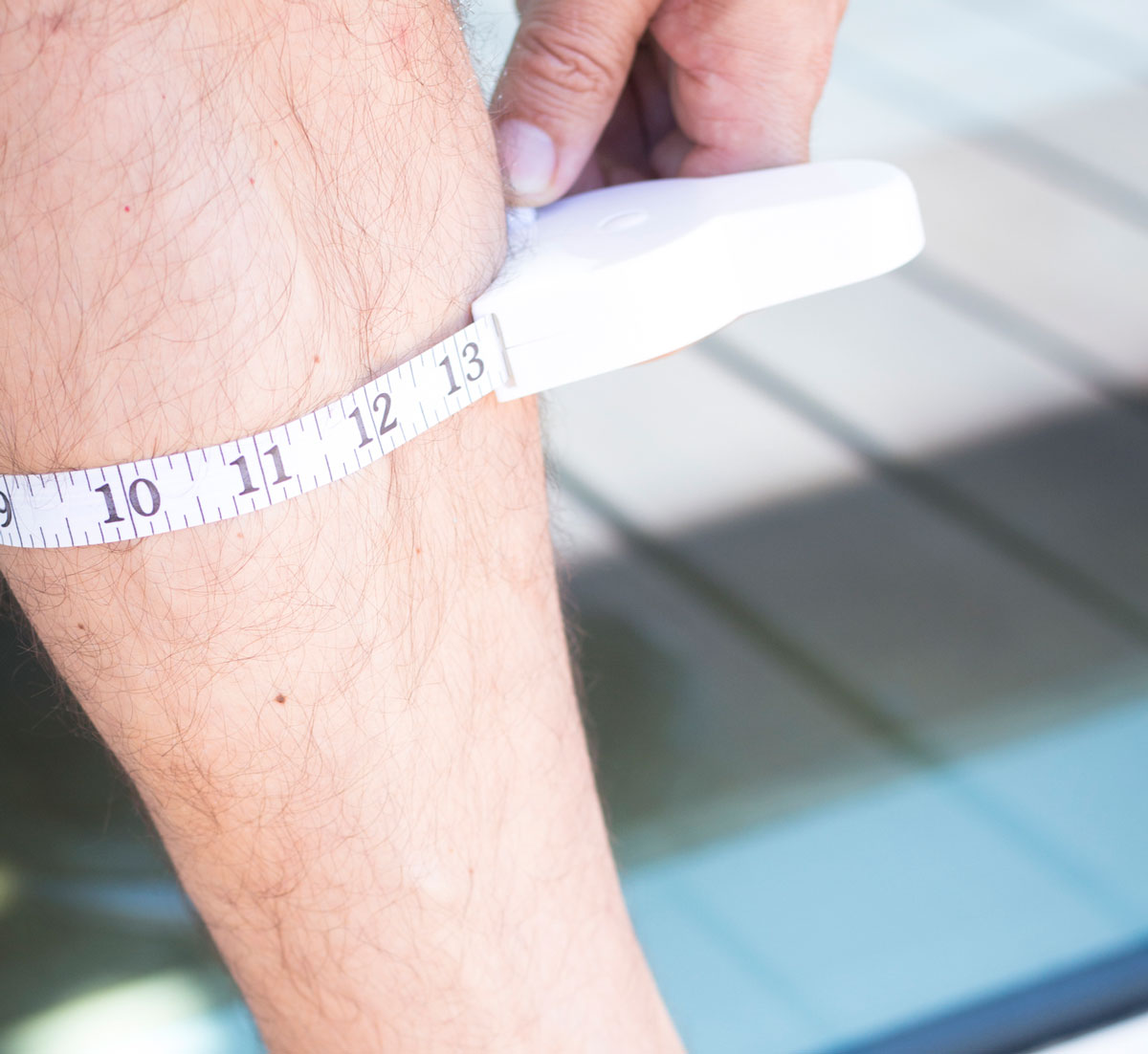
Measuring Sarcopenia
Sarcopenia is associated with adverse outcomes in elderly persons, including functional disability, falls, and even death. Therefore, older adults should be routinely screened for sarcopenia. Due to the unsatisfactory sensitivity of the SARC-F questionnaire, 4 modified versions have been elaborated: SARC-CalF (calf measurement)…
New Guideline For Timing of Elective TJA
The American College of Rheumatology (ACR) and the American Association of Hip and Knee Surgeons (AAHKS) released a summary of the new guideline for hip and knee replacement timing titled “The Optimal Timing of Elective Hip or Knee Arthroplasty for Patients with Symptomatic Moderate to Severe Osteoarthritis or Osteonecrosis Who Have Failed Nonoperative Therapy.”
Hoverboard-Related Lower Extremity Injuries Treated at United States Emergency departments
Background: First available in the United States (US) in 2015, hoverboards have become popular, with millions purchased. There is risk of injury when operating hoverboards. This study characterized hoverboard-related lower extremity injuries treated at United States (US) emergency departments (EDs).
By Mathias B. Forrester, BS
If You Want to Ride a Hoverboard, Train For It!
Hoverboard continues to be an increasingly popular ride option for all ages. But these rechargeable self-balancing scooters with electric motors and batteries require serious attention to safety. Designed for personal transportation, today’s hoverboards can reach speeds of 10 mph, with the average clocking in at 7 mph.
By Robert Weil, DPM
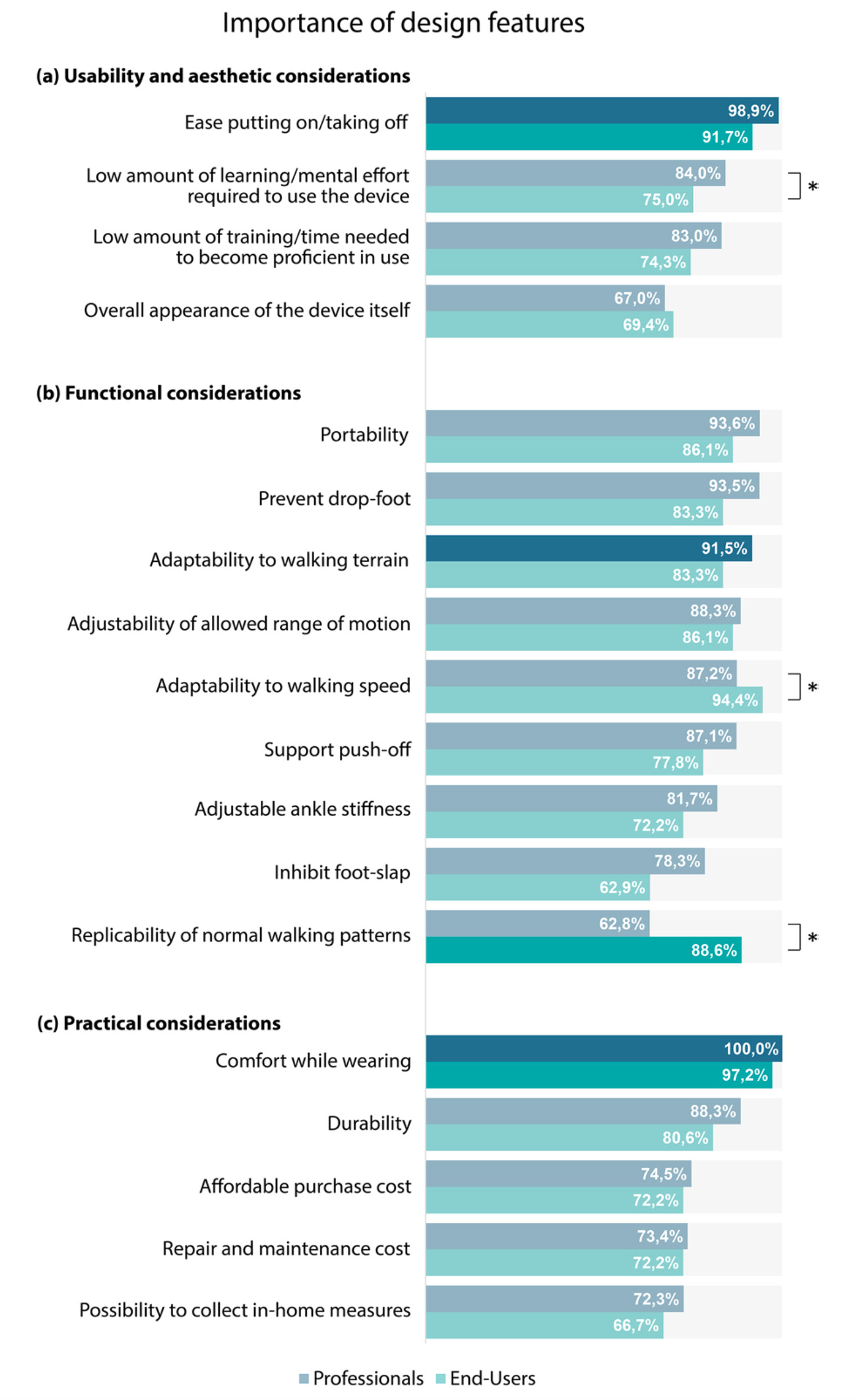
Requirements, Needs, Wishes of AFOs for Children with CP
Ankle-foot orthoses are extensively used as a primary management method to assist ambulation of children with cerebral palsy (CP). However, certain barriers hinder their prescription as well as their use as a mobility device in all kinds of daily-life activities.
By Cristina Bayón, Marleen van Hoorn, Antonio Barrientos, Eduardo Rocon, Joyce P. Trost, and Edwin H. F. van Asseldonk
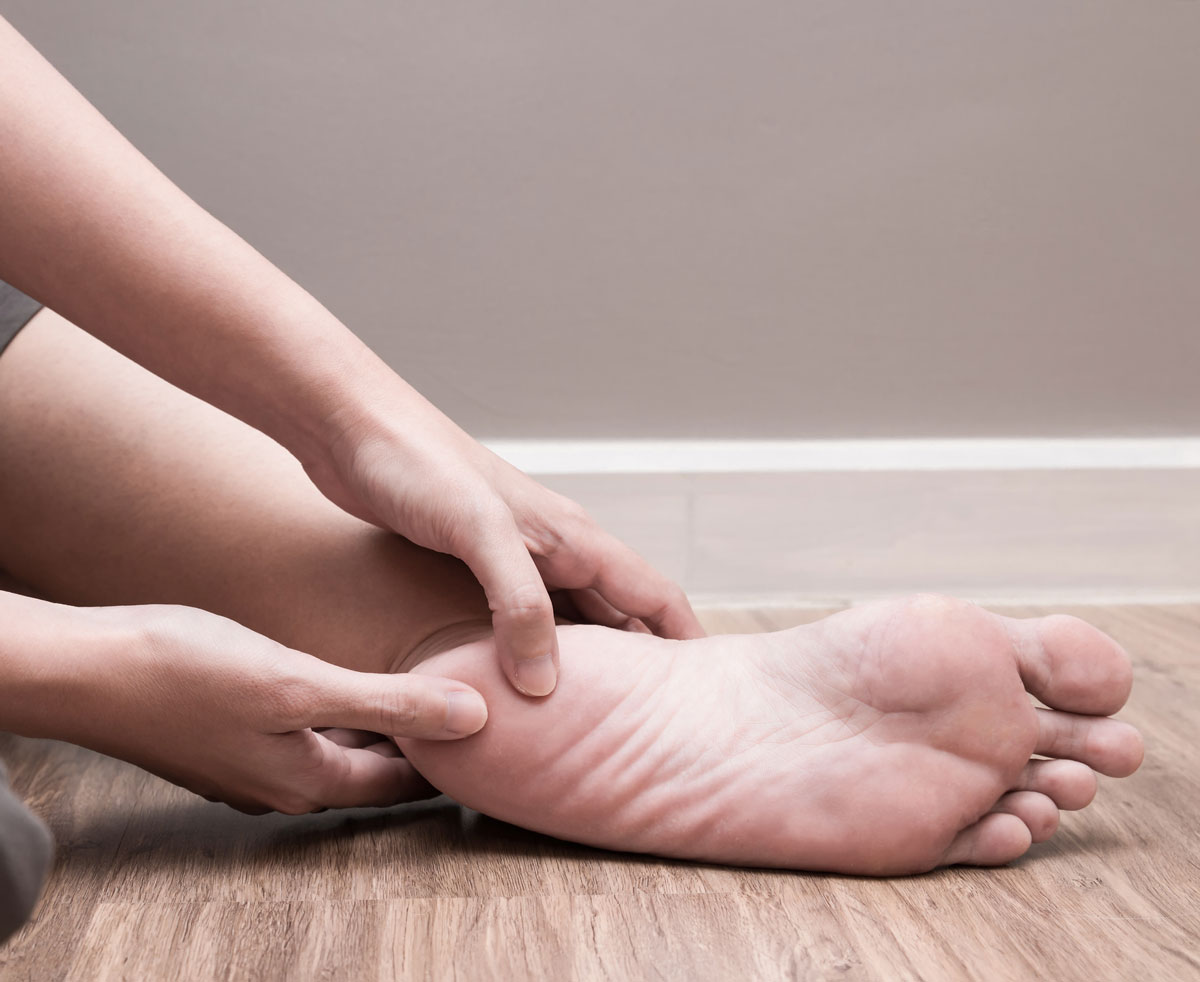
The Struggle to Stay Physically Active with Persistent Plantar Fasciopathy
Plantar fasciopathy pain forces individuals to make adjustments in physical activity leading to reduced quality of life. Plantar fasciopathy (PF) is the most common cause of heel pain, and is associated with decreased physical activity level and quality of life. There has been limited research on the experiences of patients with PF.
By Marianne Mørk, Helene Lundgaard Soberg, Aasne Fenne Hoksrud, Marte Heide, and Karen Synne Groven
Determining Test Battery to Evaluate Patients with CAI
Chronic ankle instability—a recurring “giving way” of the lateral (outer) side of the ankle causing instability—results from repeated ankle sprains. These authors aimed to find a test battery that could be used easily and could discern true injury in this special population.
By Sofia Ryman Augustsson and Erik Sjöstedt
Book Excerpt: Getting the Most Out of Gait Evaluations
This chapter concerns the study of gait from an office setting, the understanding of what is considered normal, and the symptoms related to gait variations. In my training, gait evaluation was a crucial part in assessing how the [orthotic device] worked in controlling excessive motion, correcting for a short leg, improving someone’s posture, but also in spotting all sorts of problems.
By Richard Blake, DPM, MS
Wearable Sensor Monitors Muscle Atrophy
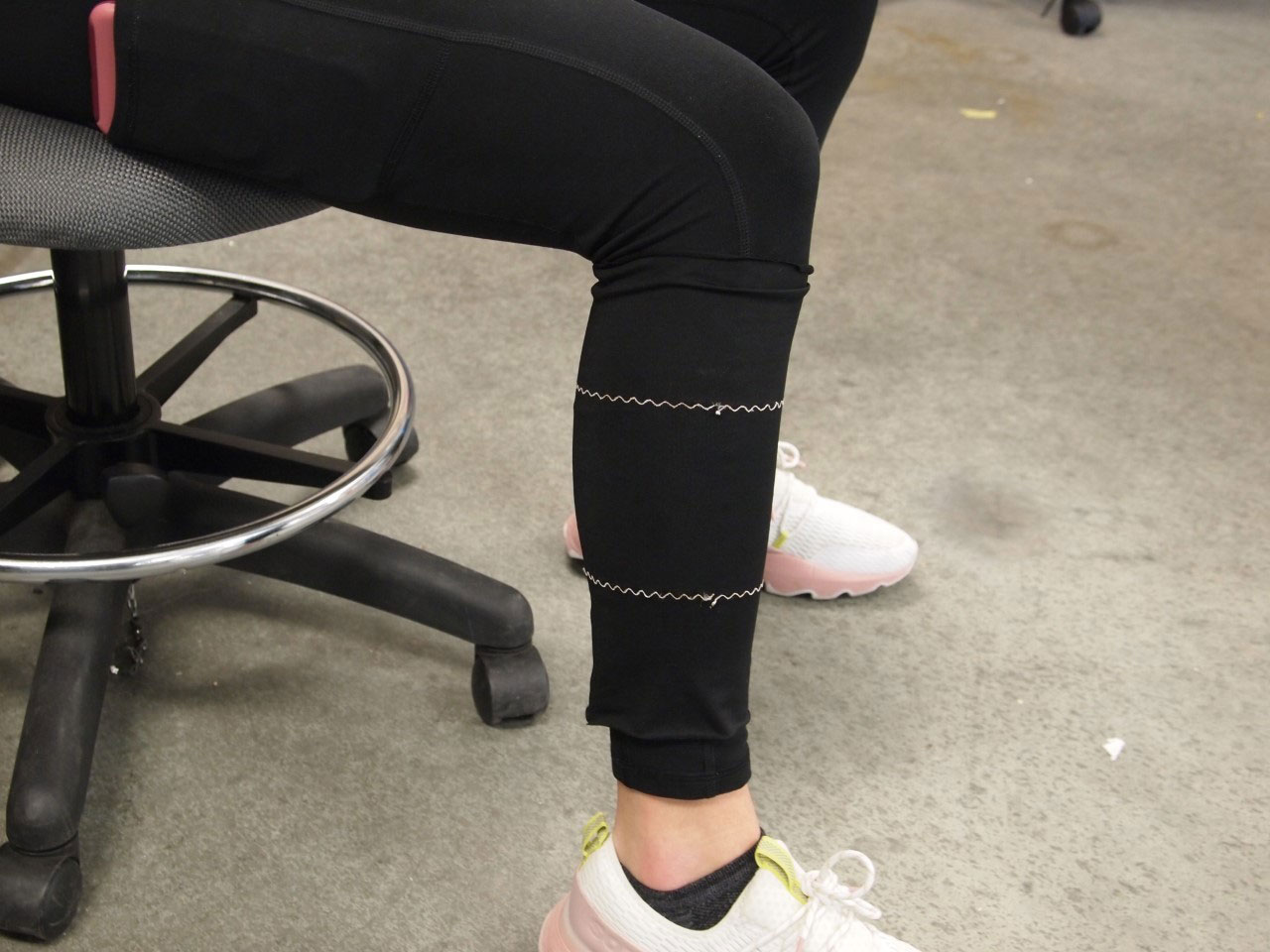
Researchers at The Ohio State University (Ohio State) have fabricated the first wearable sensor designed to detect and monitor muscle atrophy. Allyanna Rice, a graduate fellow in electrical and computer engineering and Asimina Kiourti, PhD, a professor in electrical and computer engineering, designed the device to work by employing 2 coils…
Knee Wearable for Wireless Sensing of Joint Motion
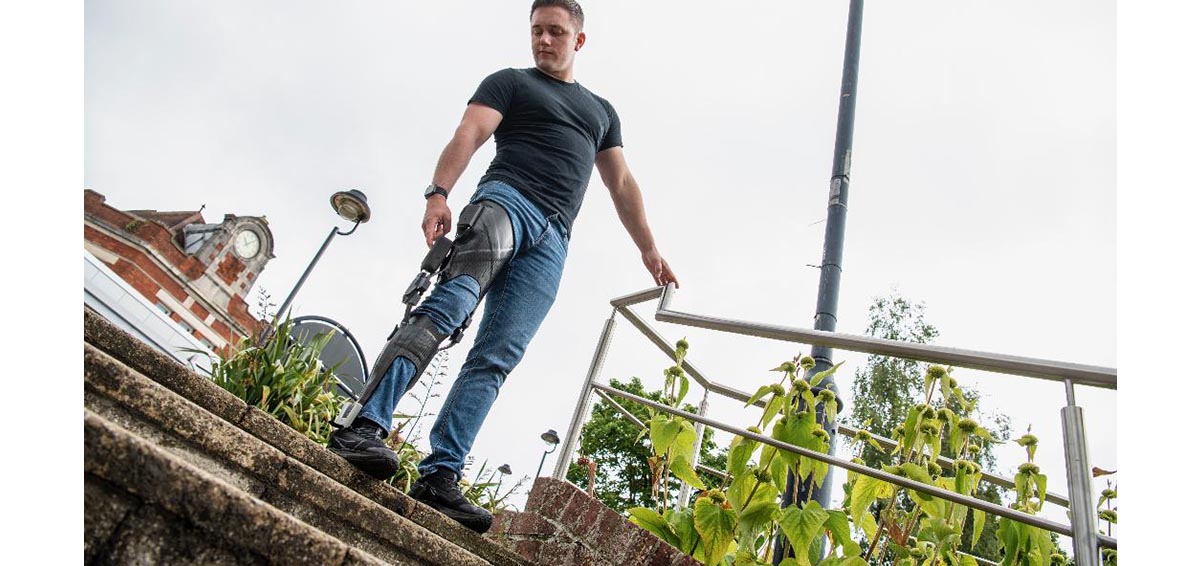
Singapore University of Technology and Design (SUTD) researchers have developed a fully knitted, circuit-embedded knee wearable for wireless sensing of joint motion in real time. Compared to other knitted electronics, this model has fewer externally integrated components and a more sensitive sensor. The innovation is a collaboration between…
Join
Subscribe For Updates
Stay in the loop with the latest news and updates! Subscribe now to receive exclusive content, special offers, and important announcements straight to your inbox. Don’t miss out – join our community today for all the latest updates delivered directly to you.