Glaucoma = Gait Changes and Fall Risk

Glaucoma = Gait Changes and Fall Risk

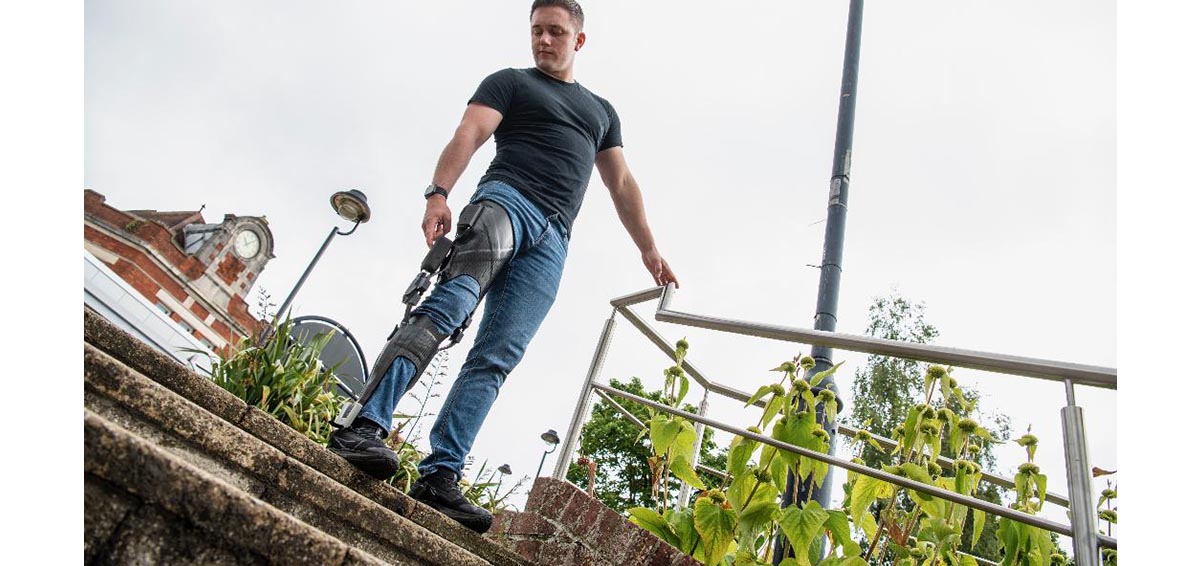
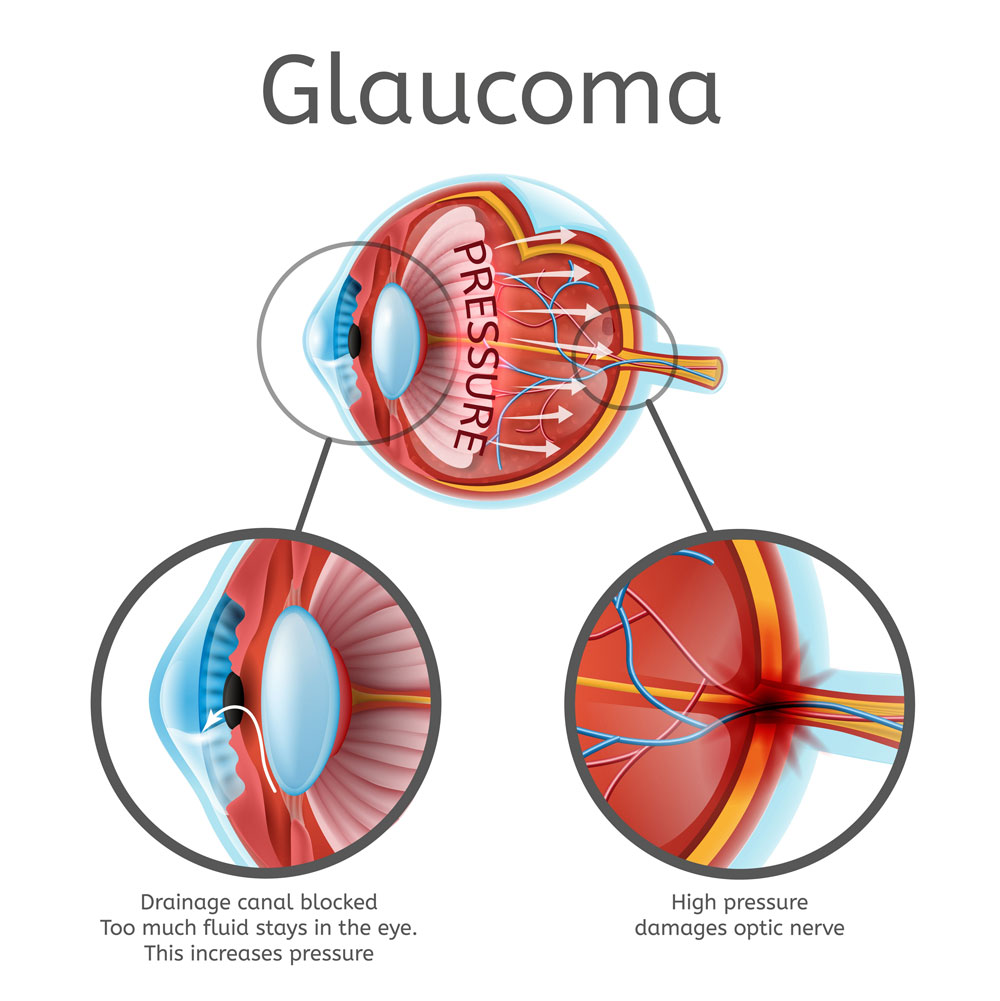
early 60 million people worldwide will be affected by primary open-angle glaucoma (POAG) in 2020. The condition, a leading cause of irreversible blindness, typically occurs in people > 40 years of age; risk increases with age. The condition is known to cause difficulty walking, particularly when lighting levels differ, such as on steps, or when crossing the street.
read more
Inverse Association Between Coffee and Falls

Inverse Association Between Coffee and Falls

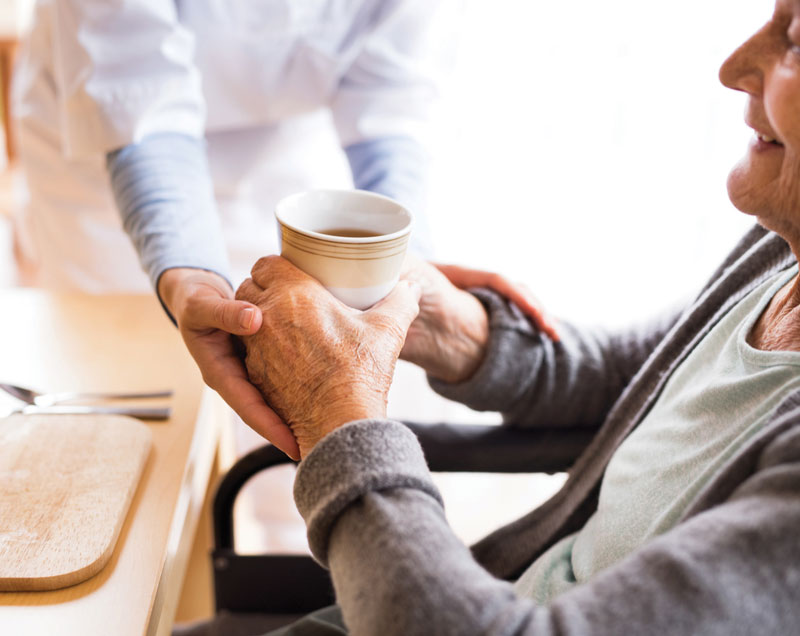
European researchers have found an inverse association between habitual (ie, daily) coffee drinking and the risk of falls in the elderly—and that inverse association was particularly strong among those who drank caffeinated! The association also held (although not to the same extent) for a lower risk of injurious falls.

read more
EXCERPT: Foot Orthoses Alter Lower-limb Biomechanics in Basketball Players—Flat Feet or Normal Arch

EXCERPT: Foot Orthoses Alter Lower-limb Biomechanics in Basketball Players—Flat Feet or Normal Arch

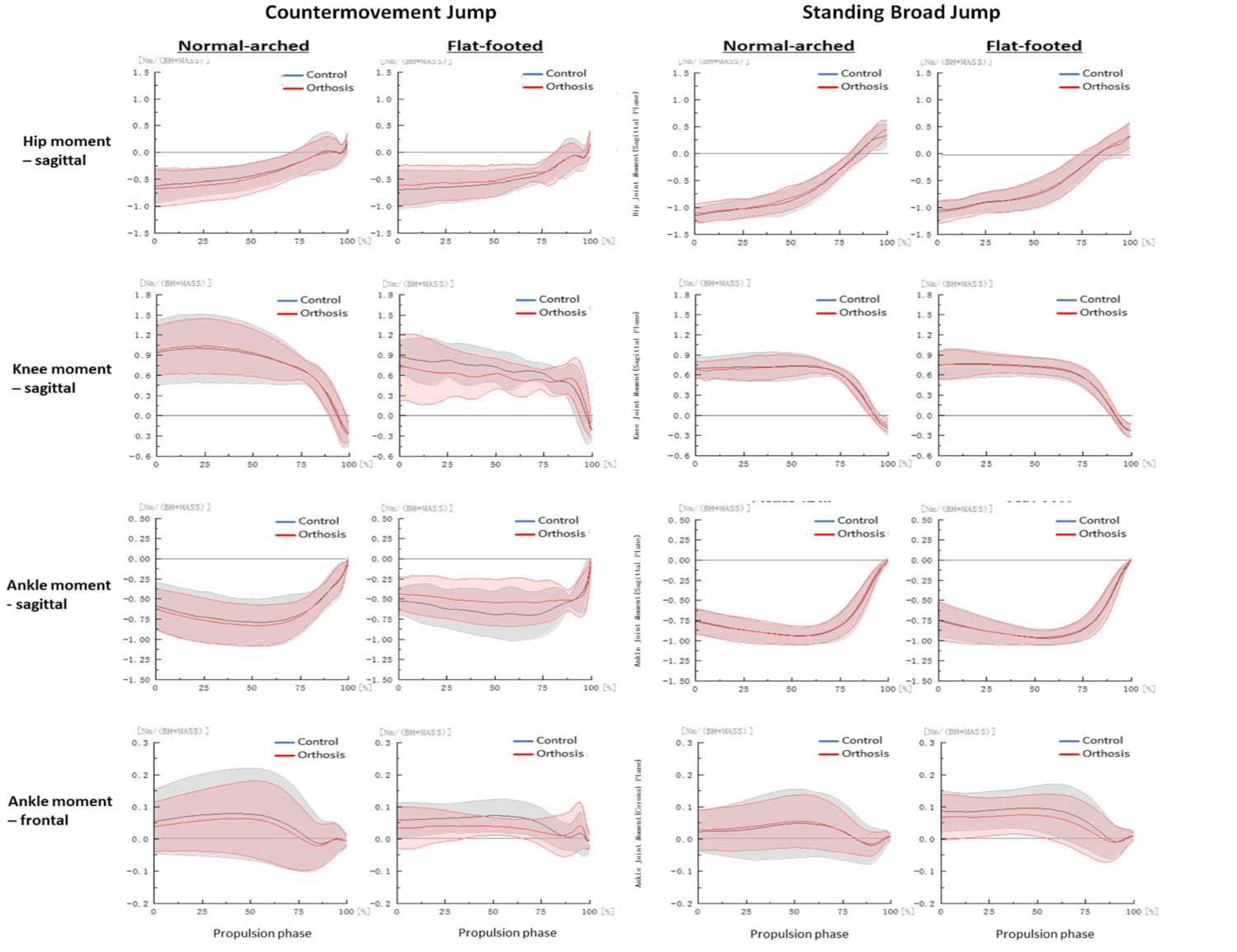
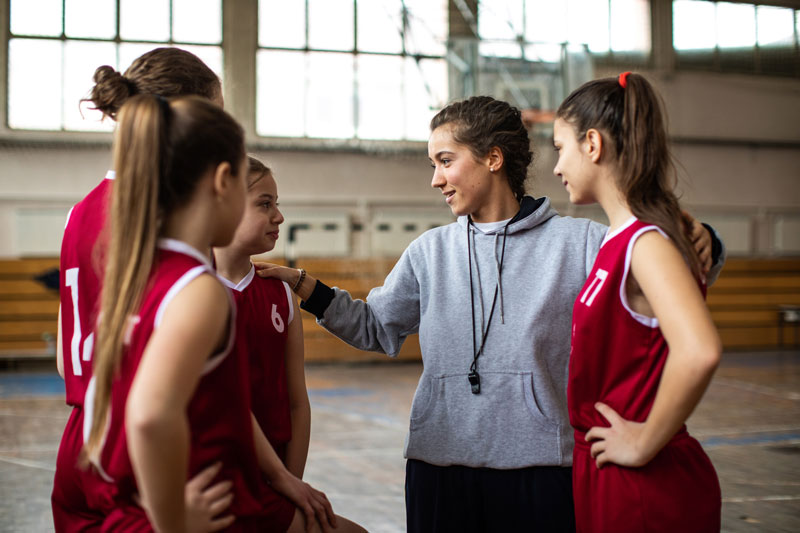
Flat-footed persons are believed to have poorer jump performance compared to those who have a normal arch. Foot orthoses are commonly used to support the deformed foot arch and improve normal foot function. However, it is unclear if use of foot orthoses affects jump performance in athletes.

By Malia Ho, Pui Wah Kong, Lowell Jia-Yee Chong, and Wing-Kai Lam

read more
Infographic on Running Related Injuries

Infographic on Running Related Injuries

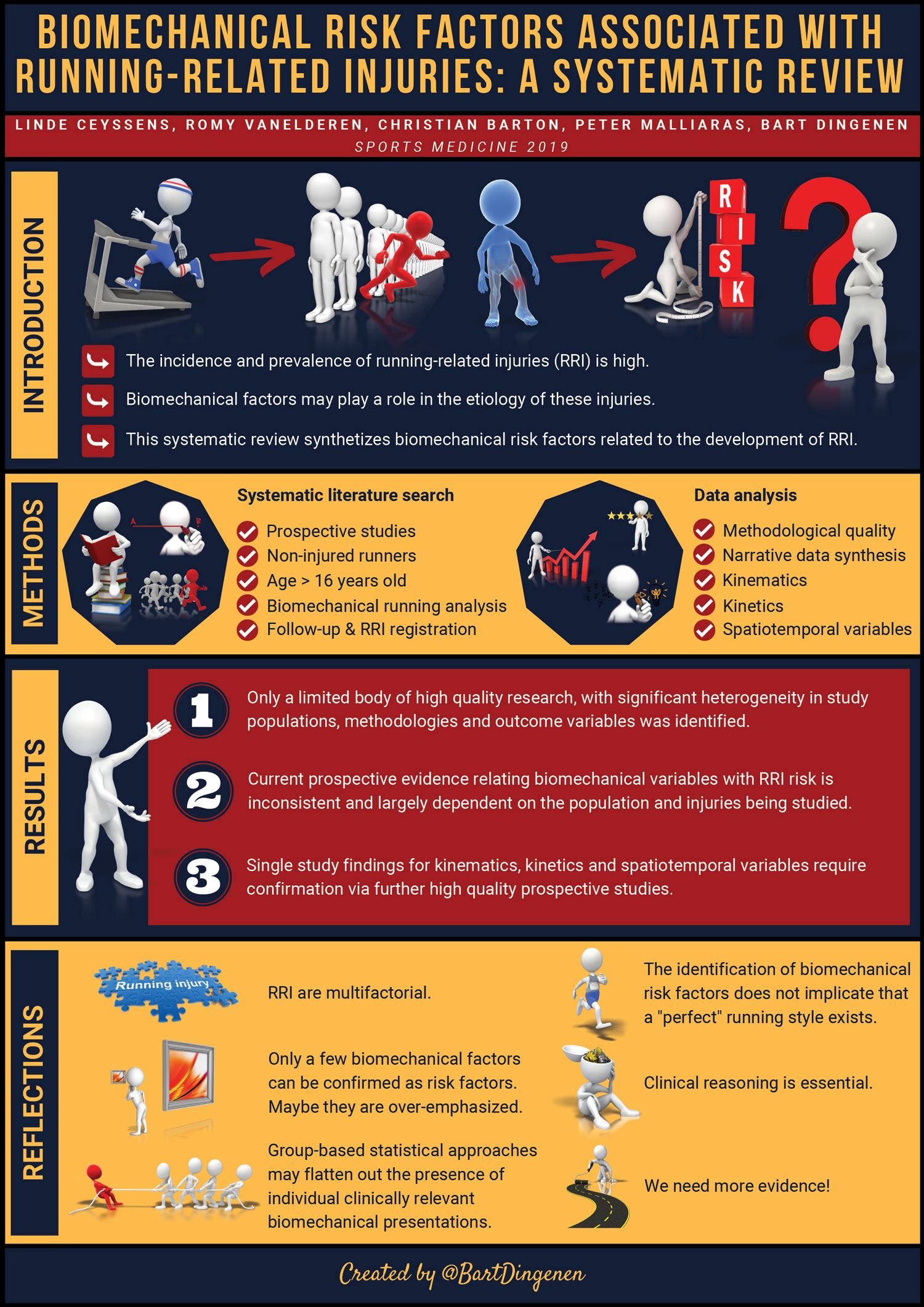
Biomechanical risk factors associated with running-related injuries: a systematic review. The incidence and prevalence of running-related injuries (RRI) is high. Biomechanical factors may play a role in the etiology of these injuries. This systematic review synthetizes biomechanical risk factors related to the development of RRI.

read more
EXCERPT: Do alterations in muscle strength, flexibility, range of motion, and alignment predict lower extremity injury in runners: a systematic review

EXCERPT: Do alterations in muscle strength, flexibility, range of motion, and alignment predict lower extremity injury in runners: a systematic review

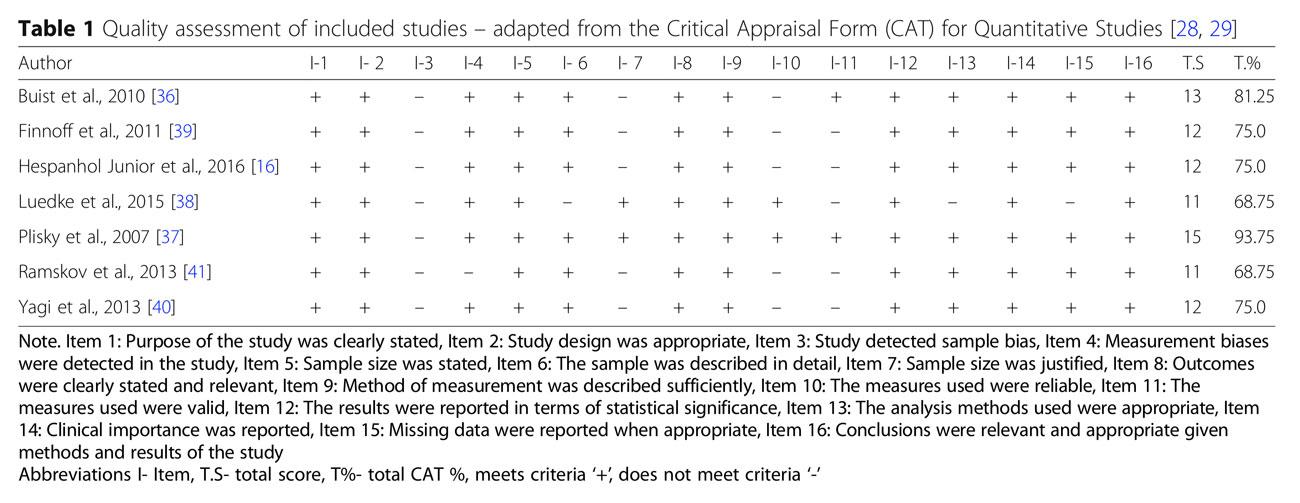
Strategies for preventing running-related injury are lacking. These authors examine the evidence supporting use of musculoskeletal clinical assessments to predict runners at risk. Injury in runners is common, affecting 19.4 to 94.4% of runners annually.

By Shefali M. Christopher, Jeremy McCullough, Suzanne J. Snodgrass, and Chad Cook

read more
Addressing Gender Matters On the Field, In the Locker Room…Everywhere

Addressing Gender Matters On the Field, In the Locker Room…Everywhere

For decades, numerous research studies have shown that physical activity and sport play a significant role in positively shaping children’s health and emotional well-being. But, as we learn more about biology and psychology, it becomes clear that gender matters in ways not conceived of when John F. Kennedy became President in 1961 and re-energized the President’s Council on Youth Fitness, predecessor of the more recent President’s Council on Physical Fitness and Sport.

read more
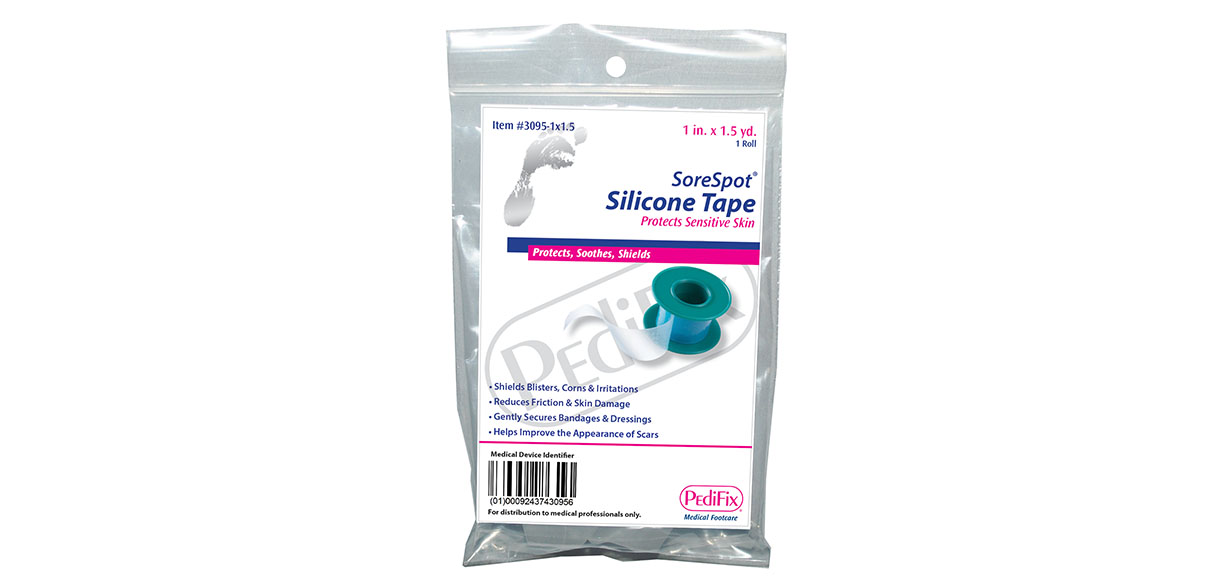
SoreSpot Silicone Tape

SoreSpot Silicone Tape

SoreSpot Silicone Tape from PediFix offers footcare, skin care, scar care, wound care, and other benefits. The use of silicone protects skin from shear and friction while providing instant comfort for sore spots, including blisters, corns, calluses, and bunions. According to PediFix, silicone offers clinically proven help to…

read more
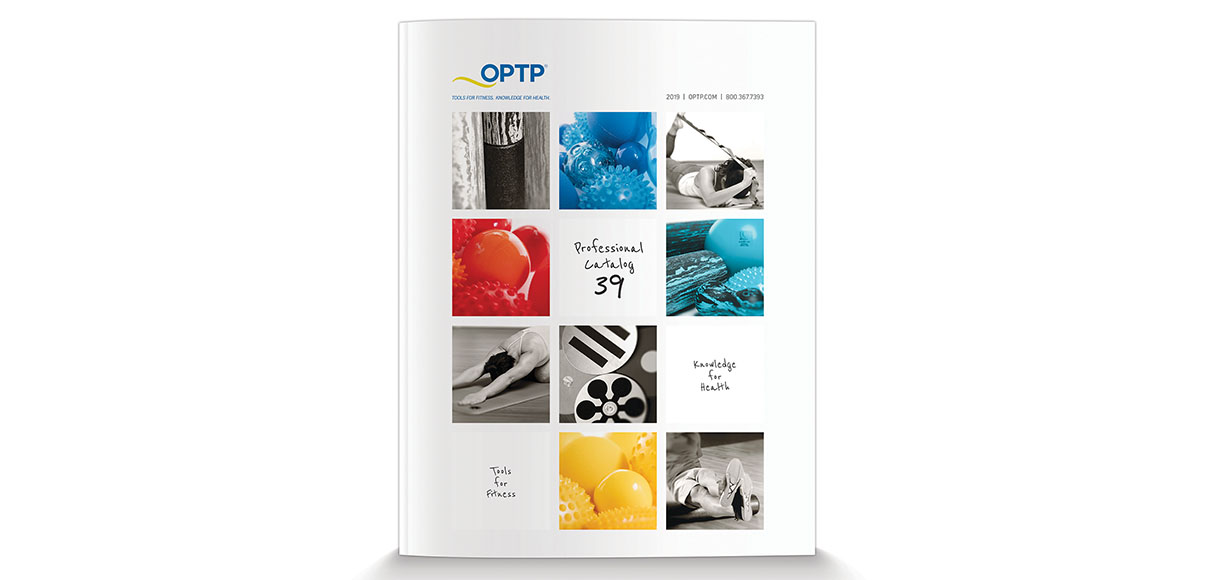
OPTP Professional Catalog, Volume 39

OPTP Professional Catalog, Volume 39

OPTP has published the 39th edition of its professional catalog, which features innovative new products and books, many of which are available exclusively through OPTP. Therapy and fitness products in the catalog cover 16 categories: manual therapy; therapy essentials; neuroscience; women’s health; soft tissue, myofascial, and…

read more
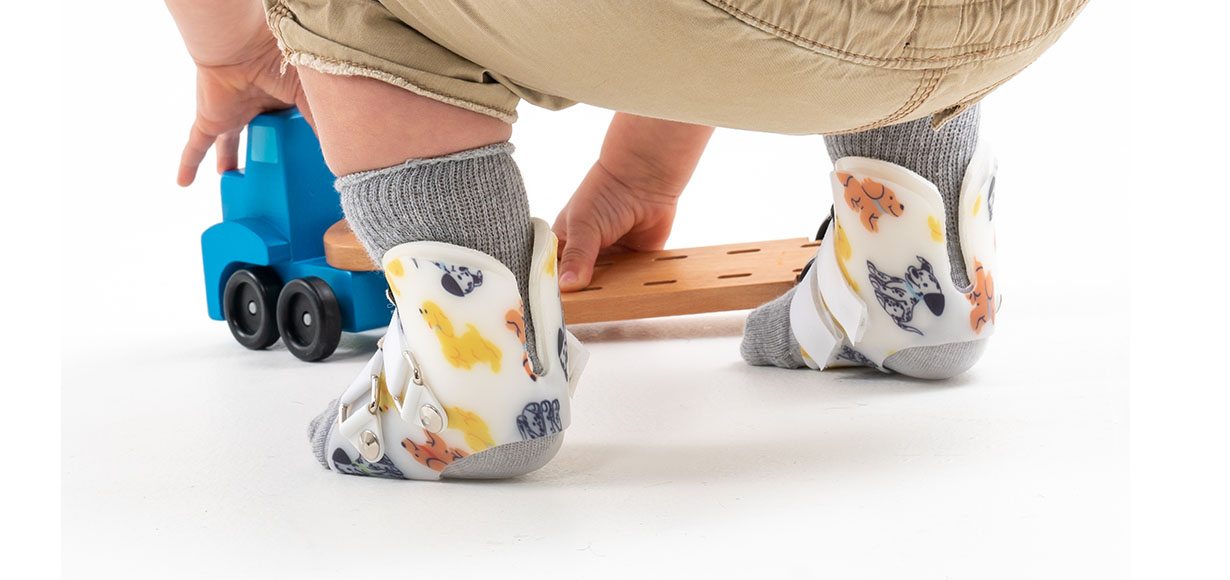
Open Heel Modifications for SMOs and AFOs

Open Heel Modifications for SMOs and AFOs

Surestep’s open heel modifications for supramalleolar orthoses (SMOs) and ankle foot orthoses (AFOs) allow pediatric patients to better feel the ground beneath their feet; this improved proprioception can be especially beneficial for children with sensory deficits....

read more

Join

Subscribe For Updates

Stay in the loop with the latest news and updates! Subscribe now to receive exclusive content, special offers, and important announcements straight to your inbox. Don’t miss out – join our community today for all the latest updates delivered directly to you.