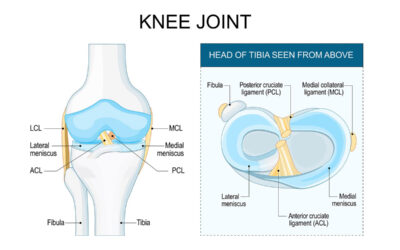
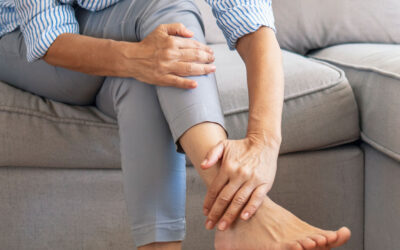
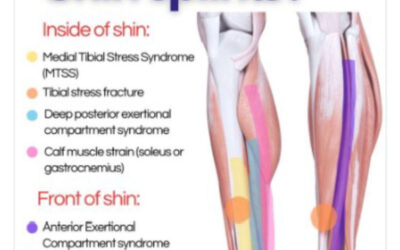
Shin splints are a label often given for shin pain, but this is NOT a diagnosis as several conditions can cause pain in this region. So here are some of the common causes; Front of shin: Anterior exertional compartment syndrome, Tibial stress fracture. Inside of shin: Medial tibial stress syndrome (MTSS), Tibial stress fracture, Deep posterior exertional compartment syndrome, Calf muscle strain (soleus or gastrocnemius).
Lower Extremity Review
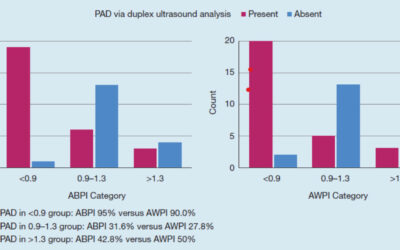
Assessing lower limb perfusion in diabetic foot ulcer: AWPI vs ABPI
The presence of peripheral artery disease (PAD) in patients with diabetic foot ulcers (DFUs) is a significant risk factor for chronicity and amputation. Ankle–brachial pressure index (ABPI) is a screening tool for PAD. Brachial systolic pressure measurement, used as a denominator in the calculation of…
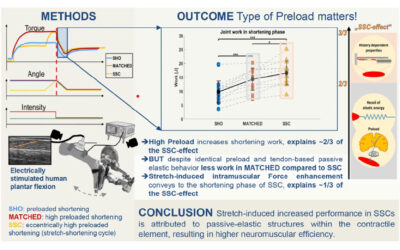
The Impact of Eccentric Preload on Muscle Performance
High Preload increases shortening work, explains ~2/3 of the SSC-effect BUT despite identical preload and tendon-based passive elastic behavior less work in MATCHED compared to SSC. Stretch-induced intramuscular Force enhancement conveys to the shortening phase of SSC, explains ~1/3 of the SSC-effect. Stretch-induced increased performance in SSCs is attributed to passive-elastic structures within the contractile element, resulting in higher neuromuscular efficiency.
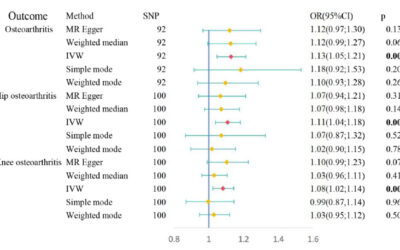
Obstructive Sleep Apnea, Osteoarthritis & BMI
This study, the first of its kind, aimed to explore the connection between Obstructive Sleep Apnea (OSA) and osteoarthritis (OA) and evaluate causality using Mendelian randomization (MR), utilizing large-scale observational study data and genetic datasets.
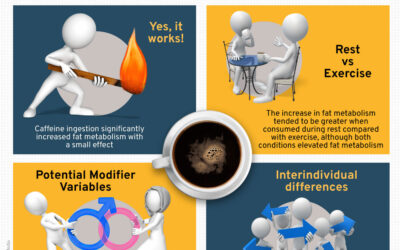
Does caffeine increase fat metabolism?
Caffeine ingestion significantly increased fat metabolism with a small effect. The increase in fat metabolism tended to be greater when consumed during rest compared with exercise, although both conditions elevated tat metabolism. This effect was independent of fitness level, sex, and caffeine dosage…
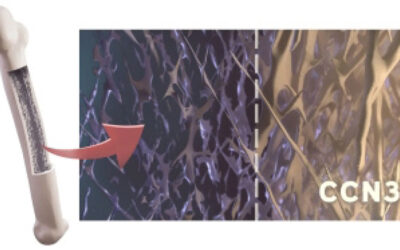
Maternal Brain Hormone Strengthens Bones, Could Treat Osteoporosis, Bone Fractures
More than 200 million people around the world have osteoporosis, and women are at especially high risk after menopause due to declining levels of the hormone estrogen, which helps keep bones strong. While osteoporosis rarely has noticeable symptoms, it can lead to serious injuries when otherwise minor falls cause broken bones that lead…
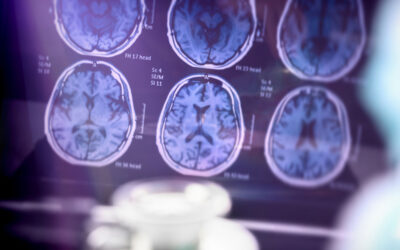
New Study: MS Appears to Protect Against Alzheimer’s
People with multiple sclerosis (MS) are far less likely than those without the condition to have the molecular hallmarks of Alzheimer’s disease (AD), according to new research from Washington University School of Medicine in St. Louis. The discovery suggests a new avenue of research through which to seek Alzheimer’s treatments, said…
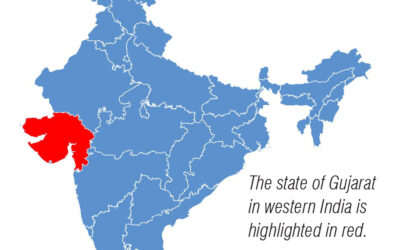
Gujarati Translation for Walking Impairment Questionnaire for PAD
The Walking Impairment Questionnaire (WIQ) is a common and easy-to-use assessment of walking incapacity in people with claudication due to peripheral artery disease (PAD). It has 4 subscales: pain severity, walking distance, walking speed, and ability to climb stairs. It is one of several clinical measurements useful for predicting patients’ functional limitations, assessing…
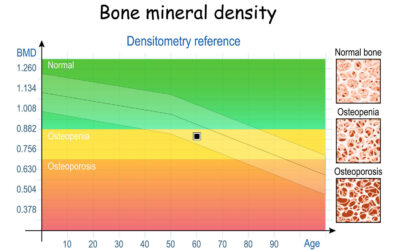
Meta-Analysis of Romosozumab for Osteoporosis
Romosozumab, a humanized monoclonal antibody sclerostin inhibitor, was FDA-approved in 2019 for the treatment of osteoporosis in postmenopausal women and men who are at increased risk of fracture. Significantly, the FDA applied a black box warning for the drug noting the potential risk of myocardial infarction, stroke and cardiovascular death.
Death by Diabetes: An Epidemic of Amputations
About 38 million Americans have diabetes, and each year a staggering 154,000 Americans will suffer amputations, roughly 80% of which will be the result of complications from diabetes. Their life expectancy following this procedure is five years; the probability of a second amputation is up to 35%. By comparison, a total of 1,700 American soldiers had limbs removed since 2002 due to injuries sustained during combat tours in…
Recent Prior Corticosteroid Injections Increase Meniscus Repair Failure
Meniscal tears are common knee injuries with limited endogenous healing capacity. This study aimed to investigate the association between the timing and administration of preoperative intra-articular corticosteroid injections (CSIs) and the risk of subsequent meniscectomy following meniscus repair. Using a national insurance claims database, patients age 18-40 years…
Patients with DPN Show Worsening Muscle Quality Over Time
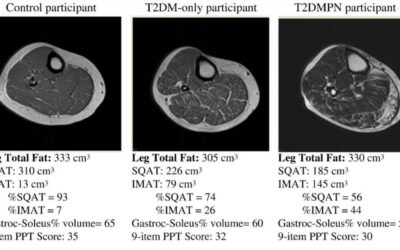
Muscle volume loss may progress in parallel with muscle-associated adipose tissue (MAAT) accumulation, impacting contractile performance in individuals with diabetic peripheral neuropathy (DPN), according to an article recently published in the journal Gait & Posture. Researchers from Washington University in St. Louis, Missouri, wanted to understand the muscle quality (normal, abnormal muscle, and adipose volumes) of…
Visualizing Declining Muscle Quality
T1 cross-sectional images of the legs of a control, a patient with Type 2 diabetes (T2DM), and a Type 2 diabetes patient with peripheral neuropathy (T2DMPN). These images exemplify the progression of obesity (control) to T2DMPN and the accompanying loss of subcutaneous adipose tissue (SQAT), accumulation of leg intermuscular adipose tissue (IMAT), loss of muscle volume (gastroc-scoleus% vol.), and…
Ringside Physicians Discourage Use of Cannabis
With the twin goals of promoting safety of combat sports athletes and striving for the advancement of clean sport, the Association of Ringside Physicians (ARP) recently issued a position statement based on the available body of evidence regarding cannabis. ARP members oversee combat sports including boxing, kickboxing, wrestling, mixed martial arts, fencing, pro-wrestling, judo, karate, taekwondo, and jiu-jitsu.
Lower Extremity Injuries in Martial Arts Athletes
With the advent of mixed martial arts (MMA) growing in popularity, there has been a described increase in its participation. The term MMA generally describes the hybridization of combat disciplines including but not limited to: karate, judo, jiu-jitsu, wrestling, taekwondo, boxing, kickboxing, and Muay Thai. With increased participation in MMA and martial arts, differing physical demands are placed on participants.
Join
Subscribe For Updates
Stay in the loop with the latest news and updates! Subscribe now to receive exclusive content, special offers, and important announcements straight to your inbox. Don’t miss out – join our community today for all the latest updates delivered directly to you.