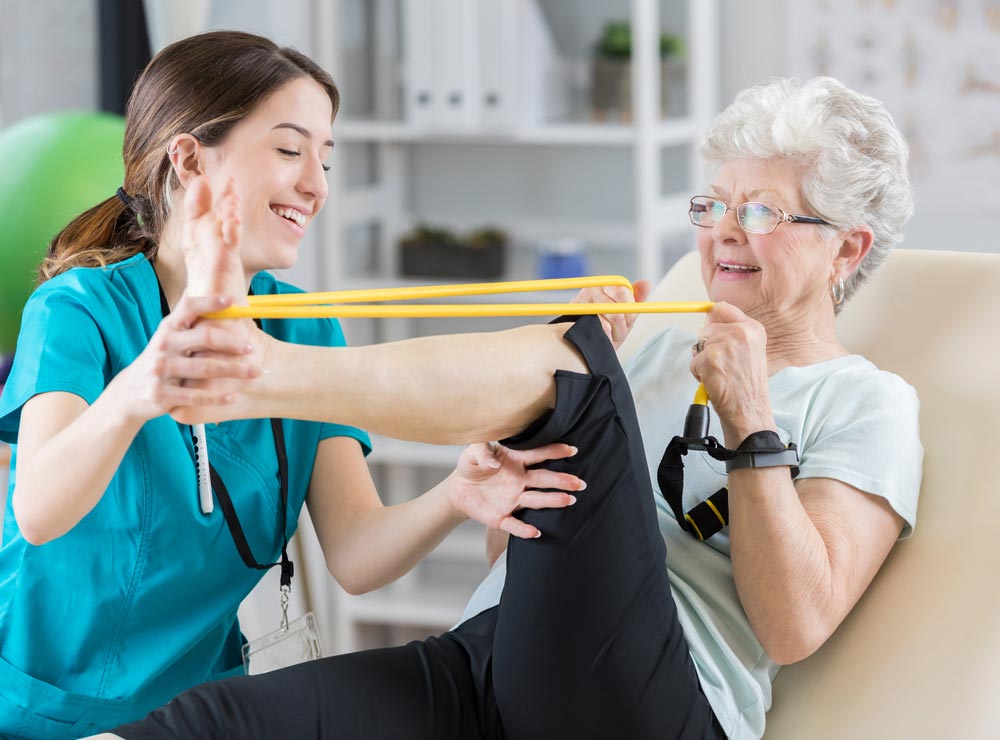
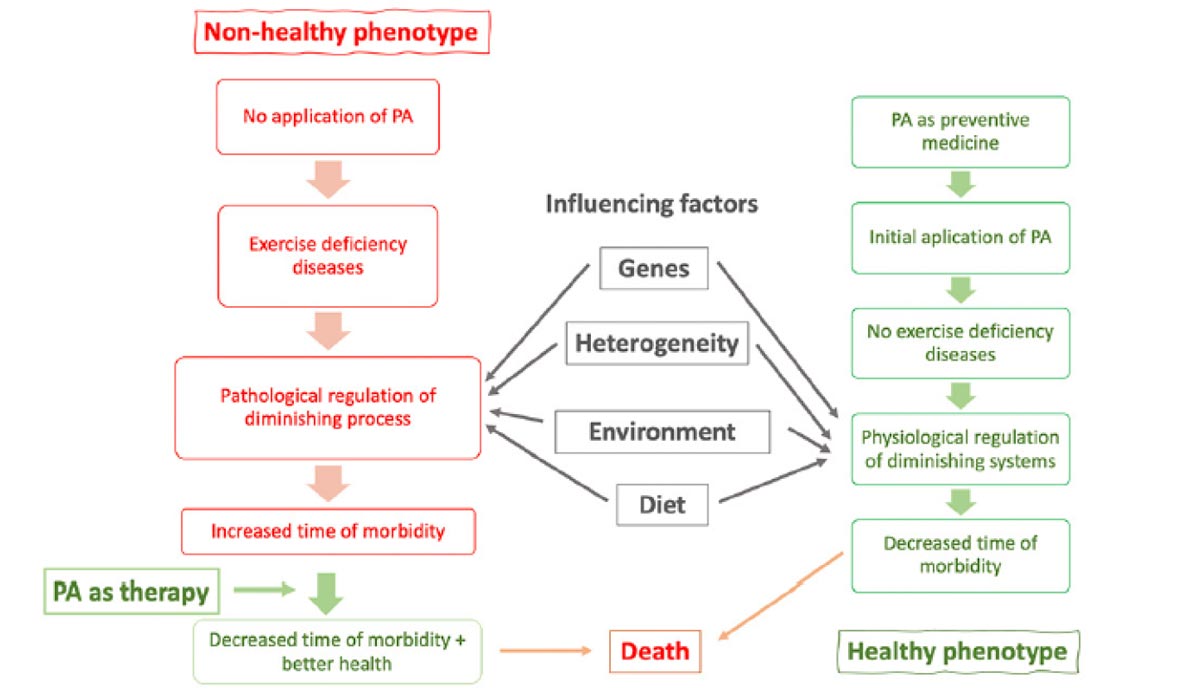
Exercise to counteract the undesirable side effects of standard medical care is gaining increasing attention in the literature. For example, exercise would include resistance training for patients receiving corticosteroid treatment to counteract the associated proximal myopathy and osteopenia not fully…
Lower Extremity Review
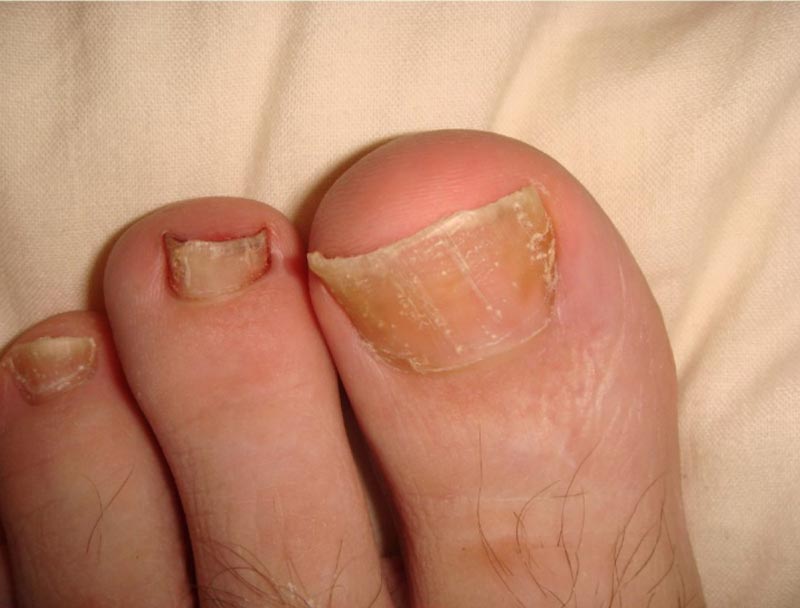
Nail Psoriasis and Older Adults
Psoriasis is known to involve the nails in nearly 90% of affected patients and can cause significant changes to the nails including pitting, onycholysis, subungual hyperkeratosis, discoloration, and onchomycosis. Like other autoimmune diseases, treatment for nail psoriasis (NP) must be customized to…
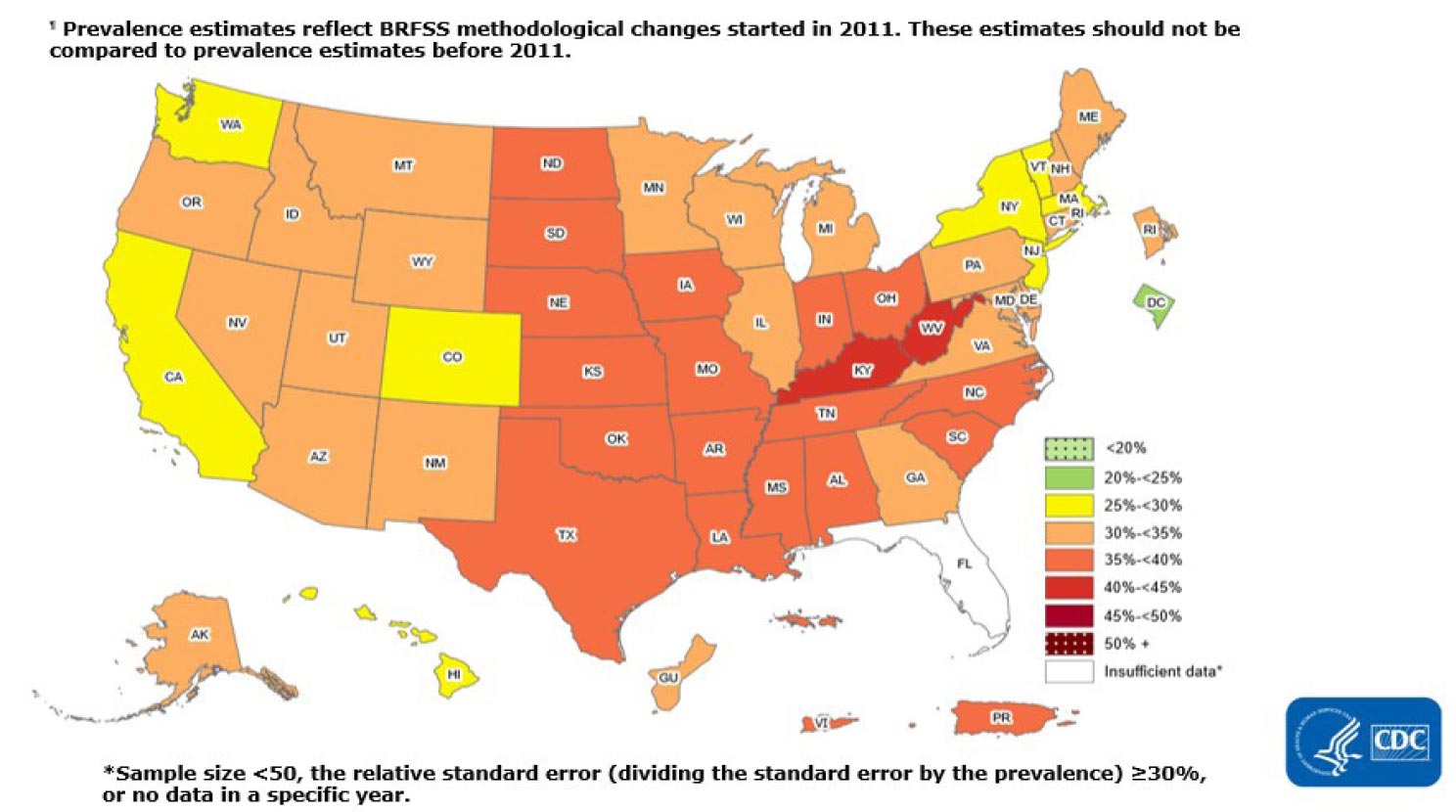
Adult Obesity Rates Continue to Climb
Nineteen states and 2 territories* have at least 35% of residents with adult obesity–more than doubling the number of states with a high obesity prevalence since 2018–according to data from the Centers for Disease Control and Prevention (CDC).
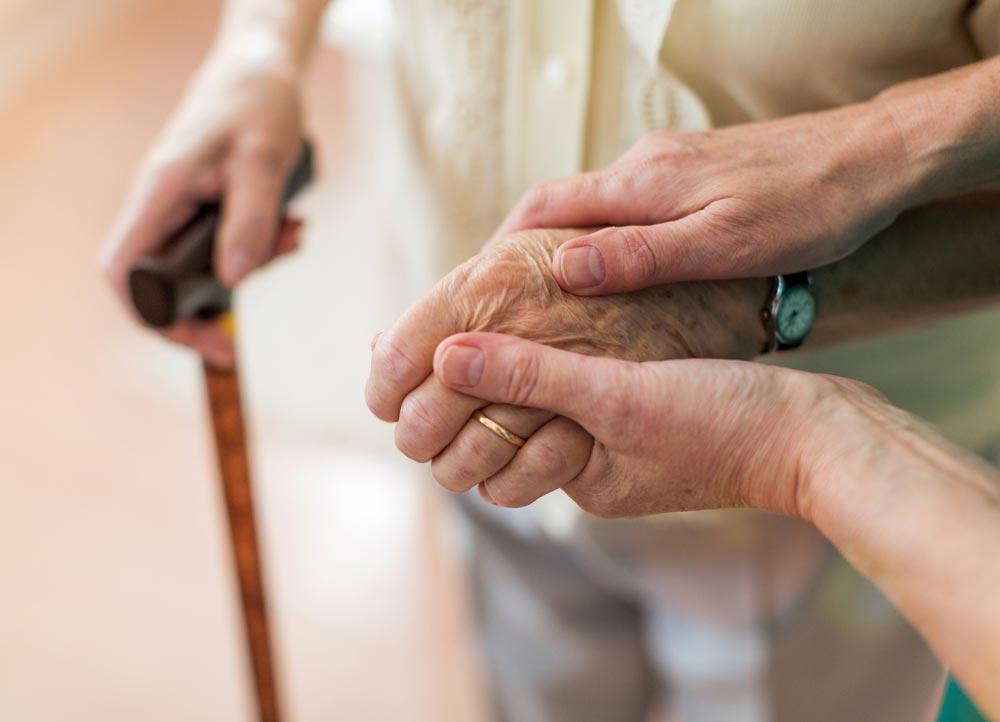
TUG Test Results Can Inform Prevention RX in Frail Elderly
As older people become frail, they tend to fall more easily. Moreover, women have a higher rate of falls than men. However, effective strategies to avoid elderly women falling are lacking. The Timed Up and Go (TUG) test is a well-known indicator of falling tendency. This study clarifies the motor elements related to the…
Recommendations for Targeted Strength Training in Rheumatoid Arthritis
A recently published scoping review of strength training recommendations for patients with rheumatoid arthritis included numerous suggestions for encouraging patients. Of note for LER readers…
Meniscal Tears and Return to Sport Rate
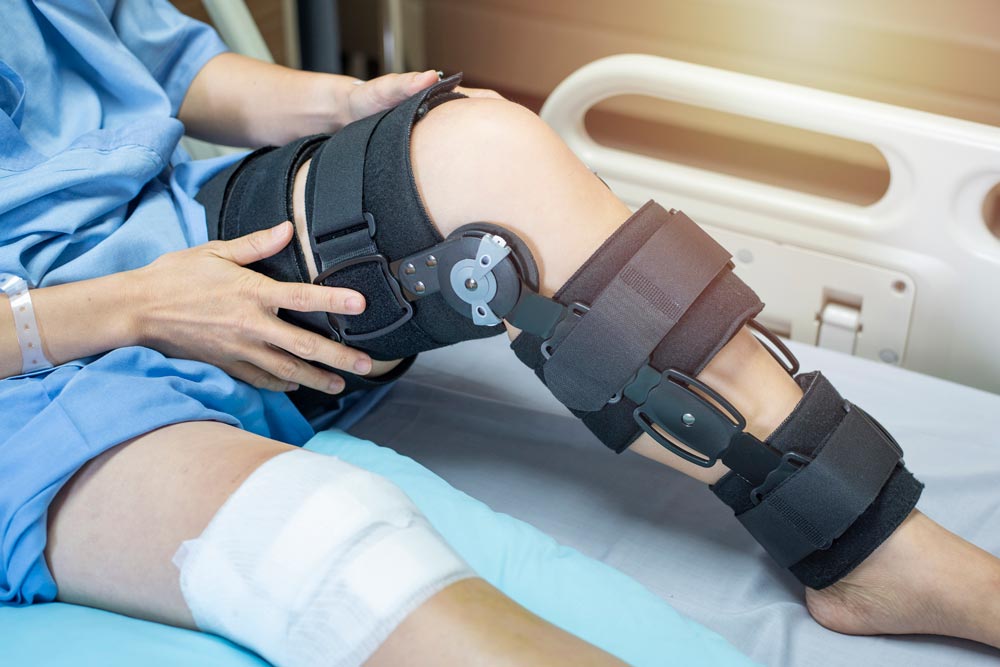
Meniscal injuries represent the most common pathology affecting the knee, often limiting return to sporting activities secondary to pain and disability. In meniscal deficient patients, meniscal allograft transplantation (MAT) procedure may be considered.
The Utility of Pentoxifylline to Treat a Chronic Venous Leg Ulcer: A Case Report
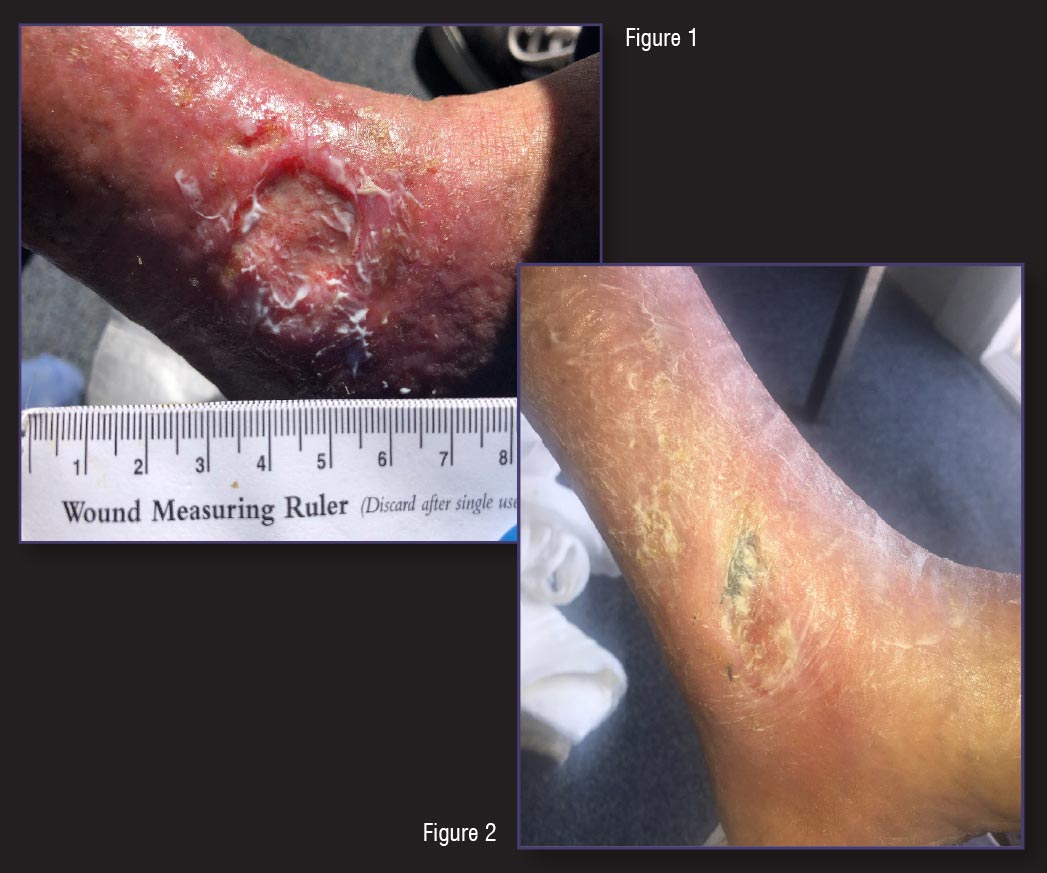
The relationship between calf-pump insufficiency and ulceration has long been established.1 The accompanying venous hypertension is associated with histologic and hemodynamic alterations in capillary and lymphatic microcirculation that result in pathophysiologic changes in the tissues.
By Windy Cole, DPM, CWSP
lerEXPO Conversations: Load Resolution in Runners II – Vibration’s Role
In Part I, we looked at some of the great paradigms of injury prevention that have underpinned the running shoe industry for more than 40 years: overpronation/motion control and cushioning. Did these paradigms stand up to scientific scrutiny? The evidence would appear to be no. So, where else should we be looking?
By Simon Bartold
A Scoping Review of Heel Fat Pad Syndrome
Clinical commentaries and expert opinions have suggested that aging, injury, repetitive or prolonged overloading (eg, endurance runners), overweight, improper footwear, steroid injection, and comorbidities (eg, diabetes, rheumatic diseases) may negatively impact the structure and function of the heel fat pad.
By Alison H. Chang, Steven Zartov Rasmussen, Asger Emil Jensen, Thomas Sørensen, and Michael Skovdal Rathleff
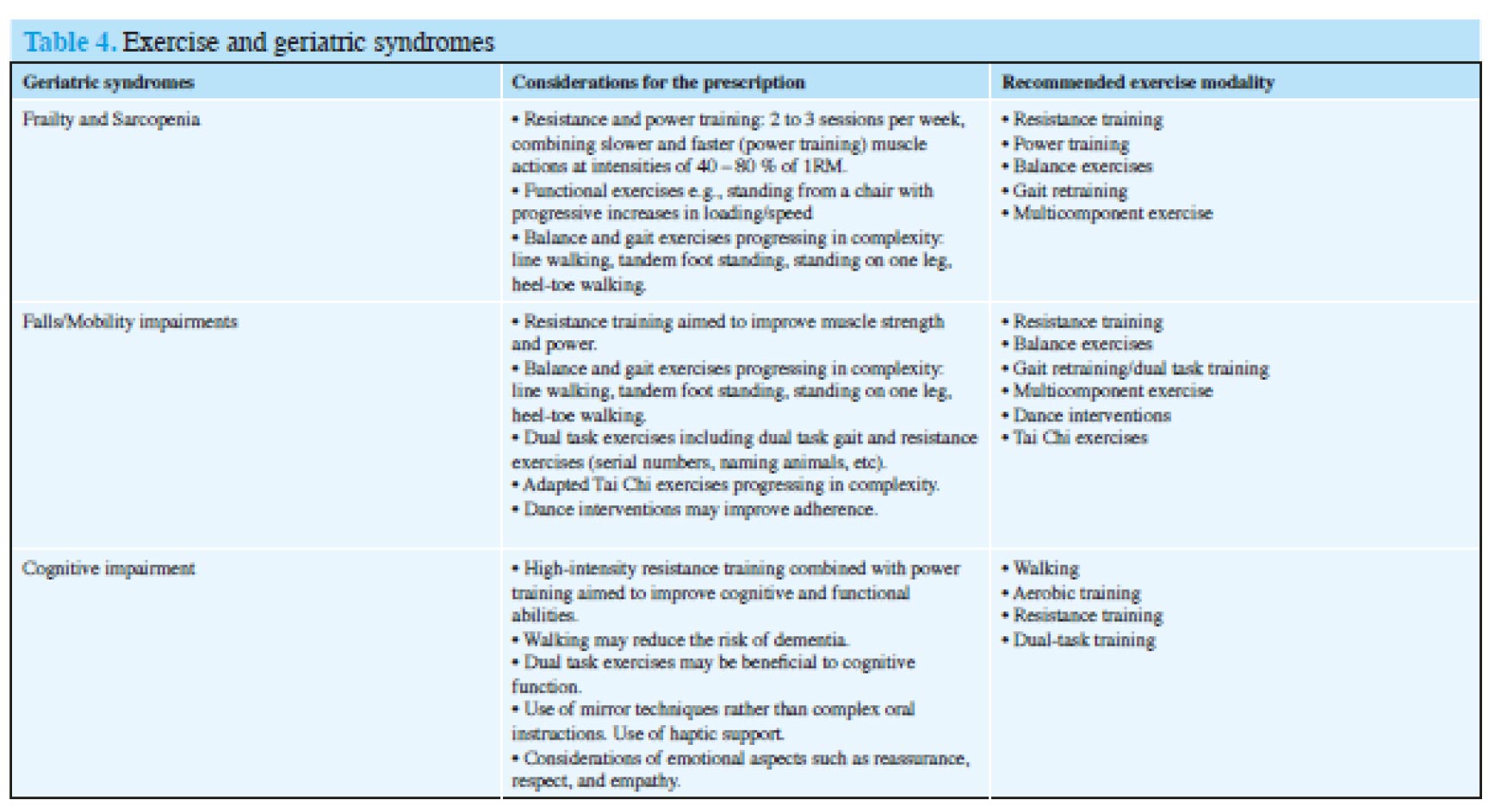
International Exercise Recommendations in Older Adults (ICFSR): Expert Consensus Guidelines
The human aging process is universal, ubiquitous, and inevitable. Every physiological function is being continuously diminished. Aging and a sedentary lifestyle are associated with declines in muscle function and cardiorespiratory fitness, resulting in an impaired capacity to perform daily activities and maintain independent functioning.
Lower Extremity Injuries Involving The United States Rail Transportation System
Thousands of people have United States (US) rail transportation industry jobs, and millions travel by US rail each year. Injuries may occur to employees, passengers, and others who may interact with the rail transportation system. The objective of this study was to characterize lower extremity injuries involving the rail transportation system.
By Mathias B. Forrester, BS
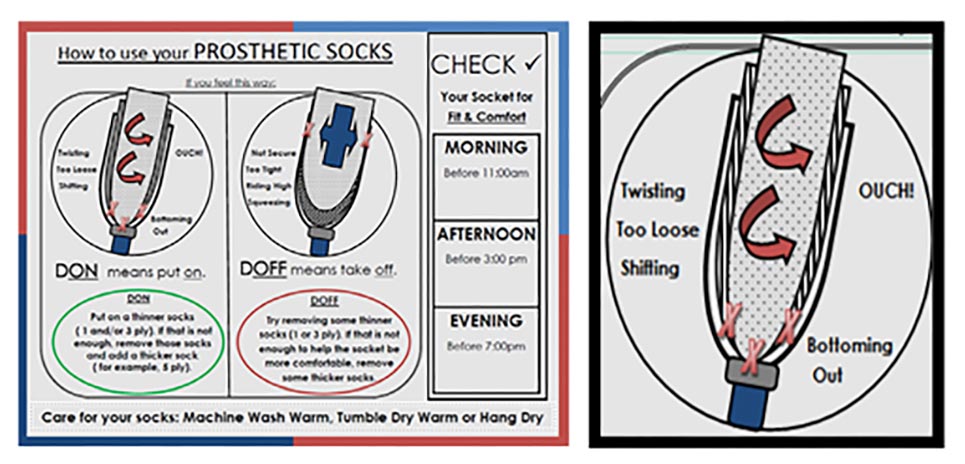
Solution to Prosthetic Socks Management
Veterans and other people with lower limb amputations who wear prostheses often experience fluctuations in residual limb volume. They adjust for the resulting changes in fit and comfort of their prosthetic sockets throughout the day using prosthetic socks of varying thickness.
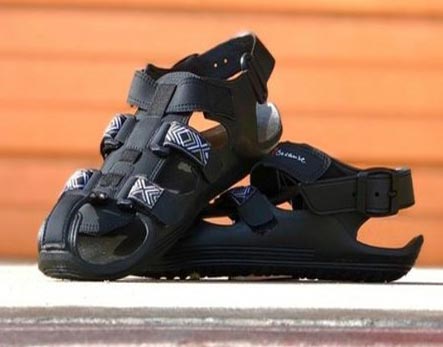
“Growing Shoes” Get a Facelift
What started as a post-university trip to see the world has turned into a 10-year (and going strong) endeavor that has distributed over 350,000 pairs of expandable shoes to children living in poverty in over 100 countries around the world.
UArizona Granted $3.4m to Study Rapid Knee Deterioration
Researchers at the University of Arizona (UArizona) Arthritis Center are undertaking a study that seeks to identify determinants of rapid knee deterioration thanks to a $3.4 million grant from the National Institutes of Health (NIH). C. Kent Kwoh, MD, director of the…
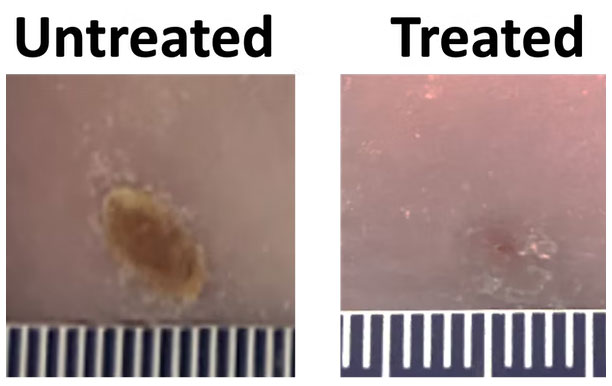
Water-Based Gel for Dressing Diabetic Wounds
Chronic wounds in people with diabetes are the leading cause of nontraumatic lower limb amputation because existing treatments cannot overcome the obstacles to healing, such as chronic inflammation, abnormal skin cell functions and delayed growth of new blood vessels.
Join
Subscribe For Updates
Stay in the loop with the latest news and updates! Subscribe now to receive exclusive content, special offers, and important announcements straight to your inbox. Don’t miss out – join our community today for all the latest updates delivered directly to you.