On October 5, President Trump signed into law the Sports Medicine Licensure Clarity Act (H.R 302/S. 808), which will reduce barriers to caring for student and professional athletes across state lines. According to a National Athletic Trainers’ Association (NATA) press release, while this law advances safety practices for all sports medicine professionals, it will greatly…
Lower Extremity Review
CMT Experts Launch Nonprofit to Fund Only Treatments and Cures
Two experts in Charcot-Marie-Tooth (CMT), who also have the condition, recently launched the CMT Research Foundation (CMTRF) as the only nonprofit organization focused solely on delivering treatments and cures for CMT. Patrick Livney, a former chairman of Charcot-Marie-Tooth Association (CMTA), and Susan Ruediger, a former CMTA development director, have over 20 years of collective experience working with CMT researchers to deliver treatments.
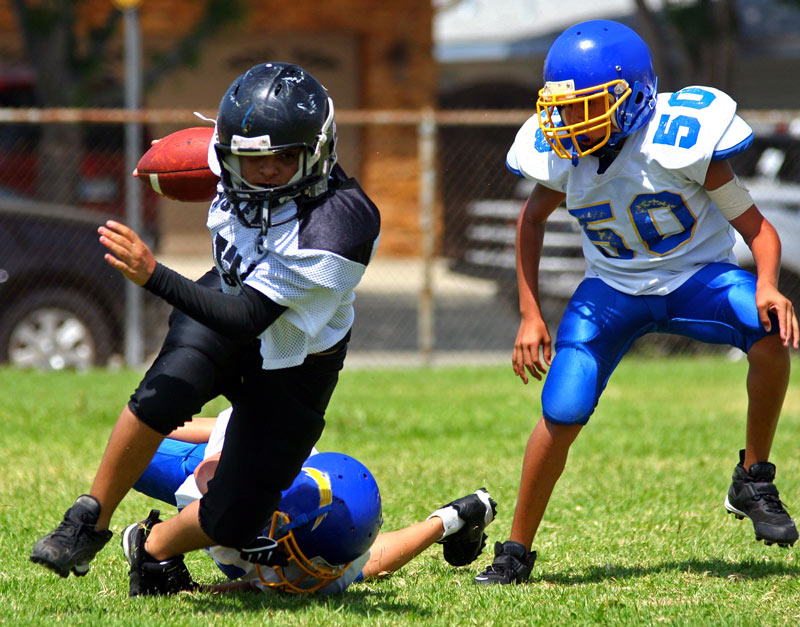
AAOS Provides Tips to Avoid Injuries in Teen and Young Athletes
With the start of a new school year and participation in after-school sports, the American Academy of Orthopaedic Surgeons (AAOS) has shared the following fall sport safety tips designed to reduce young athletes’ risk of injury:
P.W. Minor Shutters Operations
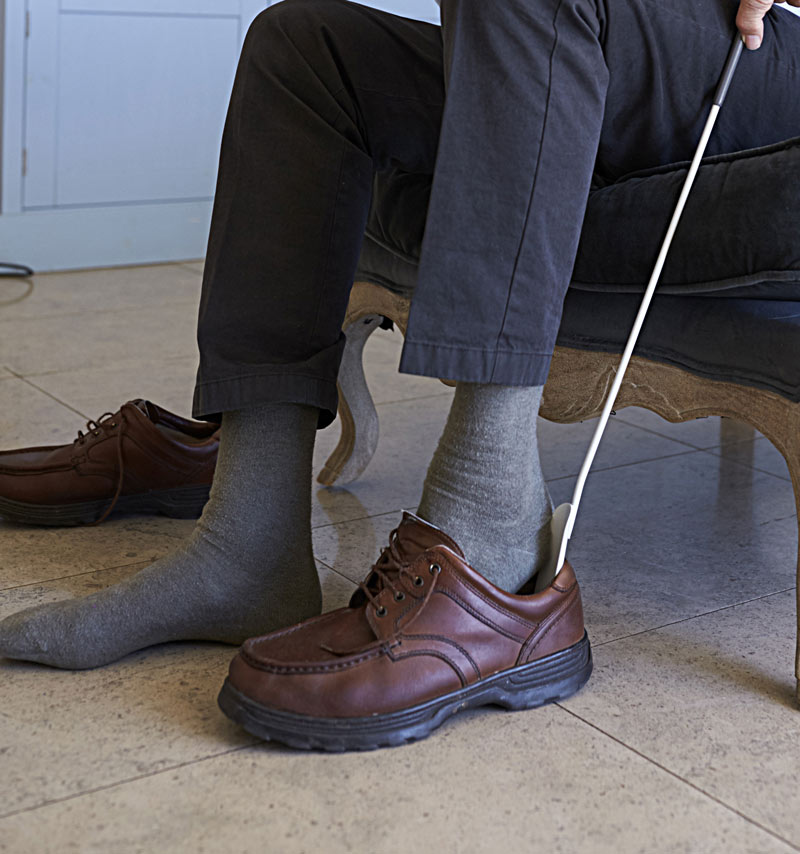
Orthopedic and diabetic shoe manufacturer P.W. Minor, LLC, Batavia, NY, shuttered its operations as of October 5 and laid off 81 employees. Assets were transferred to the company’s senior creditor, Batavia Shoes, LLC. The news follows a series of attempts in recent years to bolster the company and avoid such an event. P.W. Minor was established in 1867; it was the second oldest shoe manufacturer in the country.
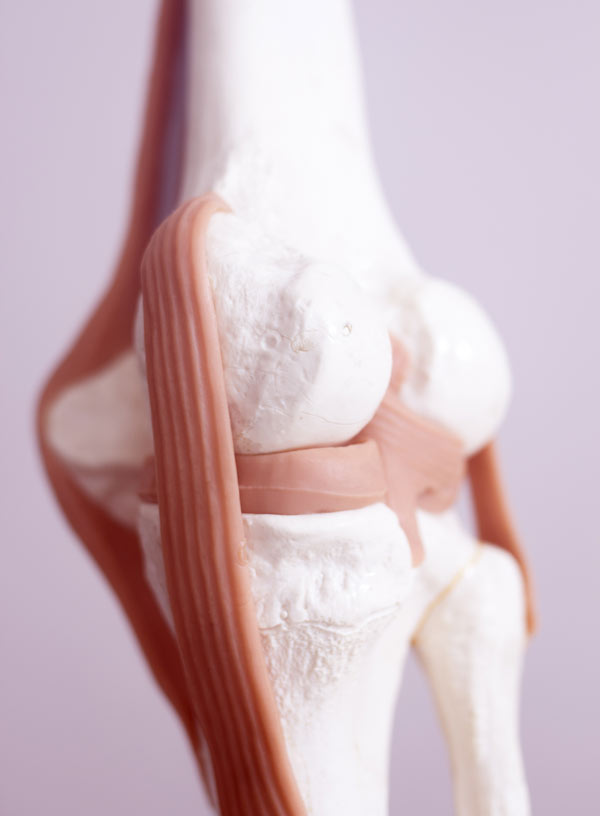
UMiami Scientists to Develop Bioengineering Approach for Meniscus Tear Repairs
An interdisciplinary team of scientists from the University of Miami’s (UMiami’s) Miller School of Medicine and College of Engineering is poised to begin developing a novel, long-lasting treatment for meniscus tears. Meniscus tears, which are among the most common type of knee injuries, are currently treated via total or partial meniscectomy or suturing. In the long term, these treatments often result in meniscus degeneration, re-tear, and premature osteoarthritis of the knee.
L1844, L1846 Proposed for RAC Reviews
On August 7, 2018, the Centers for Medicare & Medicaid Services published two new proposed issues for review by Performant Recovery, the Recovery Audit Contractor (RAC) for durable medical equipment prosthetics, orthotics, and supplies (DMEPOS); home health; and hospice claims nationwide.
Diabetes, Its Impact, and Protection of the Diabetic Foot
Offloading is key to preventing small concerns from becoming life-threatening, but adherence remains less than optimal. The not-so-secret truth: diabetes and its precursor, prediabetes, have reached epidemic status in the United States: More than 100 million Americans are living with the disease.
By Janice T. Radak
Diabetes Self-Care Adherence: Whose Responsibility Is It? What’s a Clinician’s Role?
As an expert, specialist, trained foot and ankle physician, you have worked hard for your place in the medical landscape, your degree and your confidence. You think you do your job well, but what if you are not getting through to your patients to the extent you thought you were? Over the years, I have prided myself on being an educator.
By Richard Schilling, DPM, FACFAS
People with Diabetes Foot Complications Do Not Recall Their Education: A Cohort Study
Podiatrists play a large role in education for the prevention of foot complications in people with diabetes. Subsequently, podiatrists also regularly teach self-management strategies for people with or without foot complications relating to their diabetes. Current diabetes guidelines recommend education provision; however…
By Julia Yuncken, Cyclie M. Williams, Rene Stolwyk, Terry P. Haines
Pes Anserine Tendino-Bursitis: An Underdiagnosed Cause of Knee Pain in Middle-Aged and Older Patients
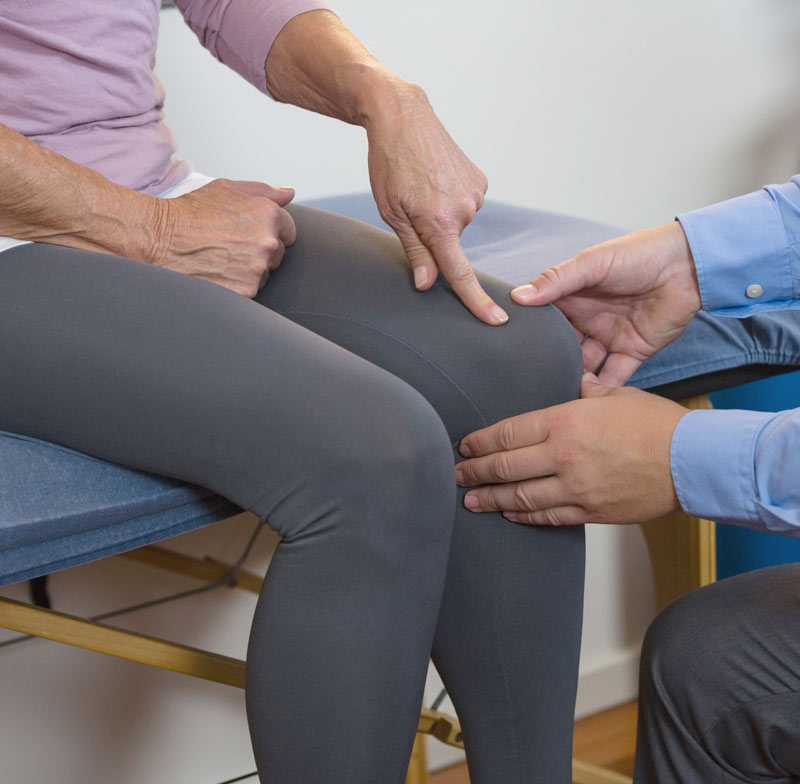
With an aging population that is increasingly overweight, a growing number of patients present to providers with a chief complaint of “knee pain.” Successful treatment of these individuals depends on making the correct diagnosis. Conventional thinking is that knee pain in middle-aged or older patients is due to the degeneration of the articular cartilage and/or the tearing of the menisci.
By Donald C. Pompan, MD
Barefoot Training Is Not Just for Barefoot Runners
On January 17, 2011, The New York Times published an article titled “Close Look at Orthotics Raises a Welter of Doubts.” Responding to the writing and research of Benno Nigg, it called into question much of the anecdotal information we provide to our patients when prescribing footwear and foot orthotics.
By William Smith, MSPT, C.Ped.
Advancements in Wound Healing Management
Skin trauma to the lower extremities—blisters, lacerations, incisions, and punctures—are common for those participating in athletic and recreational activities and are seen every day in clinical care settings. A foot ulcer, an open sore on the foot, is a more serious form of skin trauma or wound that occurs, often brought on in an environment compromised by diabetes or any…
By Keith Loria
Botox® Injection: Not Just for Celebrities’ Furrows and Wrinkles
When people hear the word “Botox,” their immediate associations might be with facial injection as an anti-wrinkle treatment or magazine gossip on the latest celebrity to suffer a “botch job” from one-too-many injections. Prior to the modern use of this acetylcholine-blocking neurotoxin, no one other than medical professionals who used it to treat their patients really knew what Botox is.
By Benn Jason Scott Boshell, MSc, BSc (Hons)
Low Cost Insulin Spray Improves Healing of Diabetic Foot Ulcers
Spraying insulin into an open wound improves the healing of diabetic foot ulcers in diabetic patients—both type 1 and type 2, reported a poster entitled, The Outcomes of Local Flushing of Insulin on Wound Healing in Patients with Diabetic Foot Ulcers.
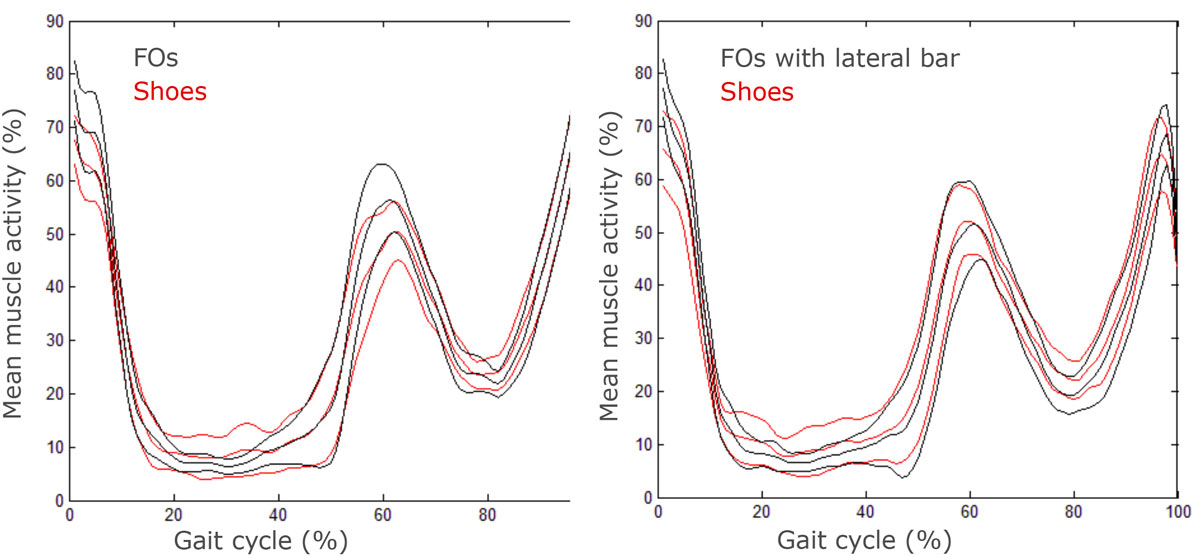
Foot Type Determines Effect of Orthotics on Muscle Activity
Adding a lateral bar beneath foot orthoses does not significantly alter activity in the pronator muscles in people with high-arched feet, according to preliminary data from a poster entitled, Effects of Two Types of Foot Orthoses on the Biomechanics of Participants with Cavus Feet During Walking.
Join
Subscribe For Updates
Stay in the loop with the latest news and updates! Subscribe now to receive exclusive content, special offers, and important announcements straight to your inbox. Don’t miss out – join our community today for all the latest updates delivered directly to you.