






Change starts with awareness. Chris Prentiss
 By Ben Pearl, DPM
Many of us do not have to look far when it comes to the devastation that falls can have, particularly as we age. We all know the stats: The increase in morbidity and mortality after a hip fracture from an errant step. It is no coincidence that the US has the highest incidence of hip fractures. This has only been made worse, no doubt, by the change in habits that has occurred during the pandemic. When my mother was young, she was a graceful equestrian and diver. She skied by the time I came along but slowly succumbed to the steady decline that many Americans suffer. I would implore her to take a walk and get moving. Over the years, I noticed that her walking became more unsteady. She did not take me up on my “prescription,” but I did get her to walk occasionally when I came over. I got a call one evening that my mom had fallen, broken her neck, and suffered a massive stroke. Many times, these tragic events happen with the cardiac or clot event preceding the fall, but here’s the thing: John, her significant other, saw her hook her ankle on the low-profile coffee table as she was carrying a tray of plates from the living room back to the kitchen. Perhaps if she had done some modest exercises at home, her fall may have been prevented. If nothing else, walking more regularly to try to control her weight and help her heart health may have helped.
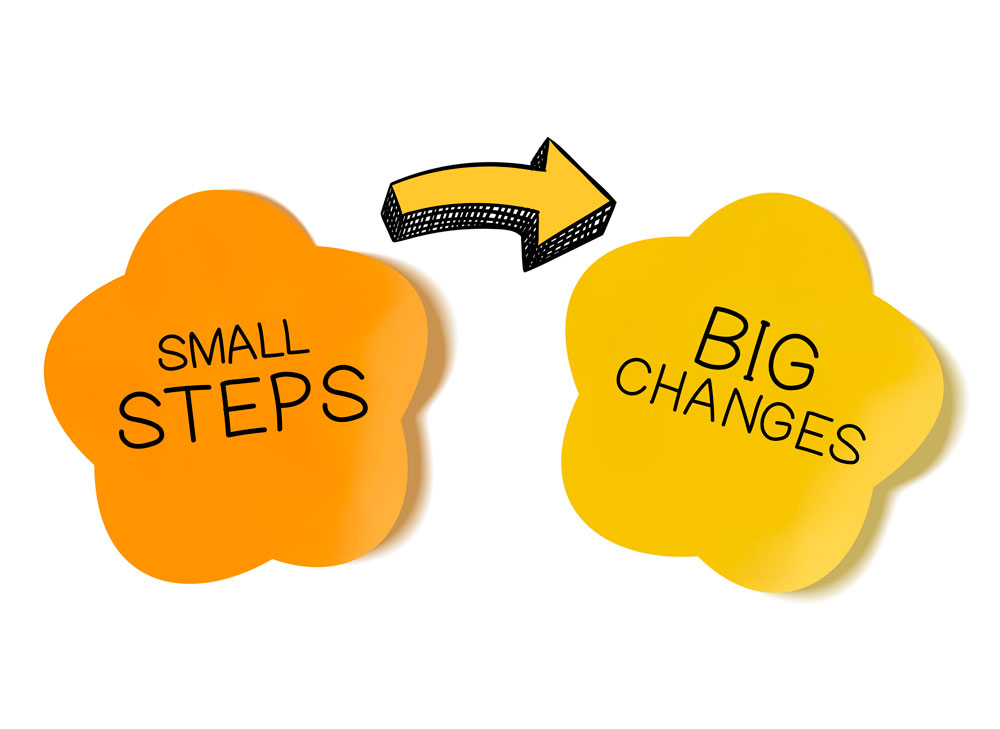
Recently I had an interesting conversation with Rich Dubin, the publisher of this magazine, regarding the benefits of making small things happen in people’s lives. Why the rush to the “big surgery”? What’s wrong with a simple splint or a set of exercises to help someone be more steady and walk better? Does an intervention always have to be a homerun? What’s wrong with a base hit or a double?
Rich happened to have played basketball that morning at 5:30 am before I caught him on the phone and he commented, just keep playing “Small Ball”! Rich made a decision to play at 5:30 to knockout his workout for the day. That may be a big step for some of us. But the evidence is clear that a series of many “small” decisions to be active and healthy will pay dividends over the long haul.
Fall prevention and balance is currently a hot topic. During the pandemic, there have been more falls around the home. I had one patient who fell after stepping on glass barefoot and changed her foot position taking trash outside down her steps. The information on the cognitive and proprioceptive piece of falling has exploded. It turns out we do fall more when we are task-overloaded, but we can also train to challenge ourselves with cognitive tasks. “Barefoot science” (the evidence delineating the benefits of going barefoot) has also exploded, but we need to do these intrinsic exercises along with the bigger levers, i.e., glute and trunk strengthening to make a more impactful difference.
Health education is a big deal for patient outcomes. But patients need help finding appropriate exercise information. If you make or refer to patient information videos on exercises, etc., patients can then refer to those when they are at home and they need repetition and reinforcement. Check out this 5-minute FitFootU video I did with former pro goalkeeper for Manchester United and current strength and conditioning coach, Andrew Dystra–our focus is on balance drills that help not only soccer players, but can help everyday people stay healthy and upright and in their own homes: https://youtu.be/iTsH2dfKQJw
This issue of Lower Extremity Review is full of evidence-based information to help tweak some of your current approaches with patients. The critical thing about physical activity interventions is that guided physical therapy is great, but at the end of the day patients need to be more consistent with small little exercises—bite-size moments of physical activity that they can do waiting for a subway or in line at a grocery store because it is difficult to sustain longer therapy sessions at home.
The pandemic has irreversibly opened our eyes to the platform of telemedicine which is a great way to provide continuity for our patients with follow up and in some cases entry screening. Finally, the new virtual platforms–like lerEXPO and FitFootU–have offered us alternatives to in-person medical meetings that offer no travel cost, more time because of no travel, and a lower carbon footprint on our planet at a time when gas prices are constantly changing. In-person networking is still essential to our professional growth, but we now have robust alternatives—small steps in keeping our networks alive.
“Small Ball” may not be as financially rewarding for you the practitioner in the short term, and may not be as sexy as the latest, greatest surgical procedure, but a satisfied patient will bring you more patients, and more importantly, you will be helping your patients one small step at a time.
Ben Pearl, DPM, is a practicing sports medicine podiatrist in Northern Virginia. He is a consultant with the National Institutes of Health and serves on an advisory board of the US Food and Drug Administration. A fellow of the American Academy of Podiatric Sports Medicine, Dr. Pearl is the team podiatrist for the District Track Club, an elite Olympic development track team in Washington DC. He’s also been honored by Washingtonian Magazine as a top sports doctor.